Cultural Tours
Cultural Tours in Tanzania: A Journey Through Heritage
Tanzania’s rich cultural diversity makes it a fascinating destination for travelers looking to experience more than just wildlife and landscapes. With over 120 ethnic groups, the country offers a vibrant mix of traditions, languages, and lifestyles. From the iconic Maasai warriors to the Swahili communities along the coast, each group adds its unique influence to Tanzania’s cultural fabric. This melting pot of traditions is also reflected in the country’s music, art, and cuisine, creating a truly unique cultural experience.
The History of Tanzanian Culture
The cultural identity of Tanzania has been shaped by centuries of trade, migration, and interaction with foreign powers. Along the Indian Ocean coast, the Swahili culture emerged as a blend of African, Arab, and Indian influences, thanks to ancient trade routes that connected East Africa with the wider world. During the colonial period, both German and British powers left their marks on Tanzania’s infrastructure and governance. Following independence in 1961, the country united its diverse cultures under the guiding philosophy of Ujamaa—a vision of collective responsibility and self-reliance inspired by President Julius Nyerere. This history adds depth to Tanzania’s modern cultural practices, which continue to reflect resilience and unity.
Landmarks and Historical Sites
Tanzania boasts numerous landmarks that tell the story of its cultural and historical evolution. In Zanzibar’s Stone Town, a UNESCO World Heritage Site, you can wander narrow streets lined with centuries-old Swahili architecture, explore bustling bazaars, and visit historical sites like the Old Fort and the House of Wonders. On the mainland, Bagamoyo offers a sobering yet significant glimpse into the East African slave trade, with its ruins and museums preserving this chapter of history. The Kondoa Rock Art Sites, featuring ancient paintings dating back thousands of years, provide insight into the lives and beliefs of early human societies. These landmarks make Tanzania a destination for history enthusiasts and culture seekers alike.
Cultural Highlights and Local Life
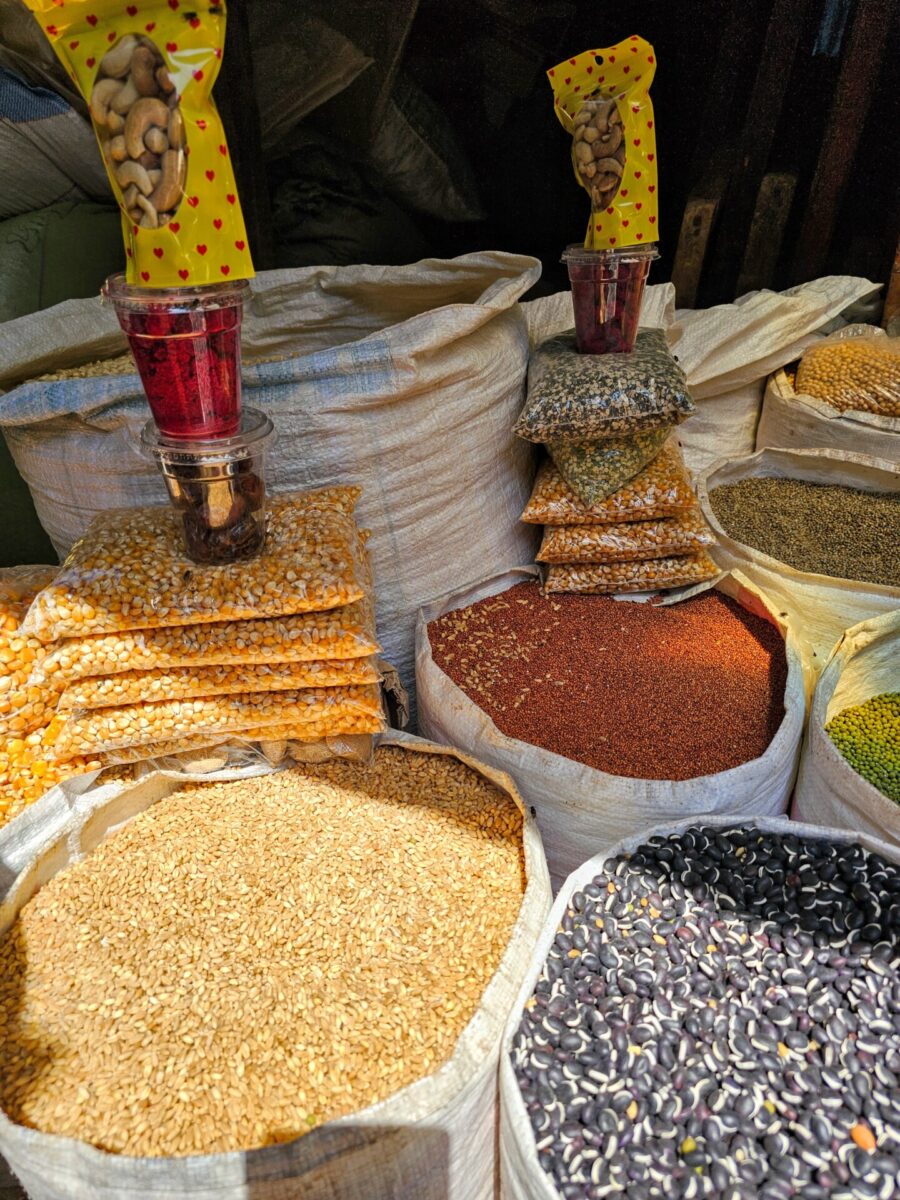
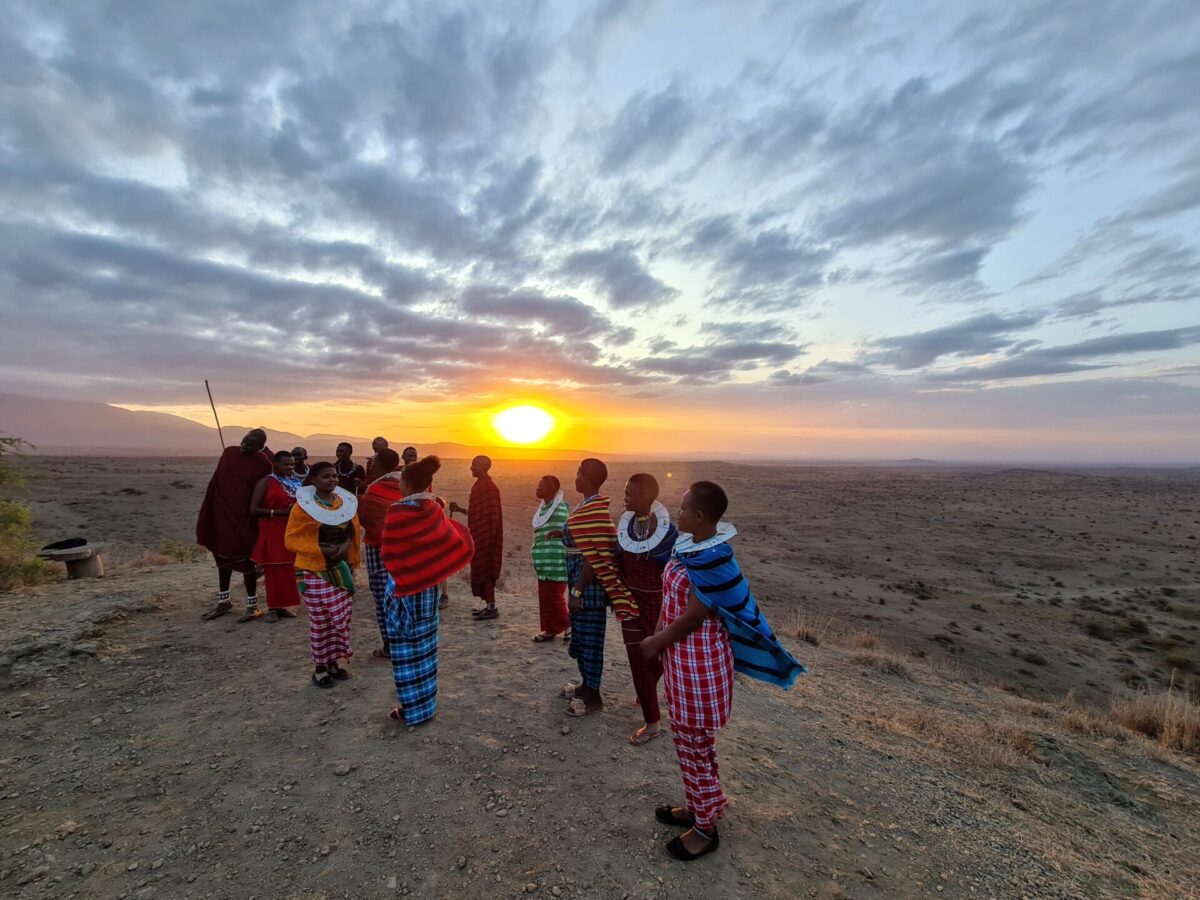
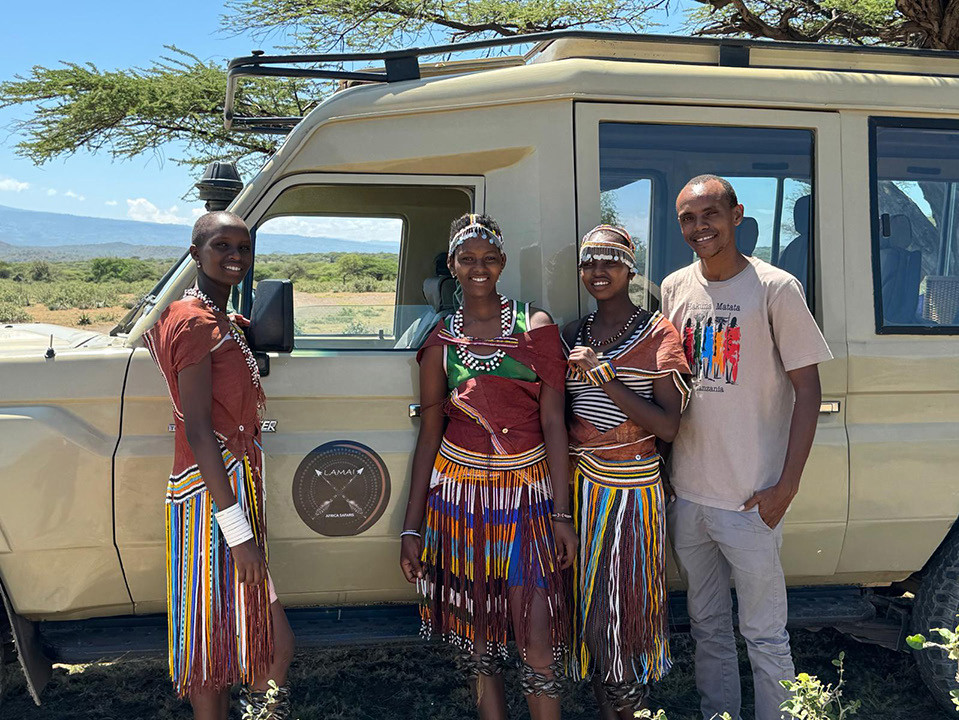
No cultural tour in Tanzania is complete without engaging with the local way of life. Visiting a traditional Maasai boma gives you the chance to learn about this iconic community’s herding traditions, vibrant clothing, and rhythmic dances. Coastal towns such as Dar es Salaam or Tanga are ideal for exploring Swahili markets, sampling fresh seafood, and experiencing the warm hospitality of the Tanzanian people. Festivals like the Zanzibar International Film Festival and Mwaka Kogwa, a Swahili New Year celebration, showcase the nation’s vibrant spirit and offer a deeper connection to its artistic and communal values.
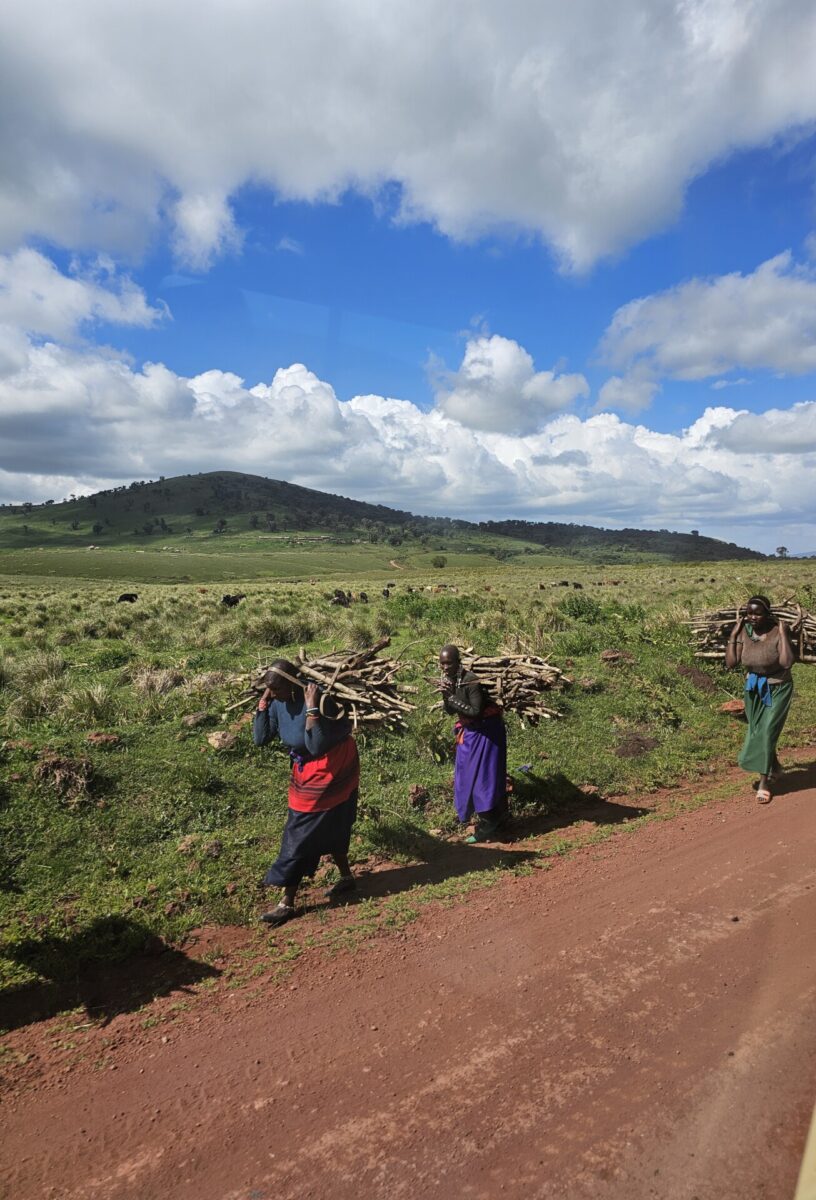
Tanzania’s people, known for their welcoming nature, embody a family-oriented lifestyle where community ties run deep. Meals are often shared communally, with dishes such as ugali, rice, and stews forming the cornerstone of Tanzanian cuisine. Wearing colorful kitenge or kanga fabrics, Tanzanians express their creativity and cultural pride, making everyday life an experience of beauty and tradition.
Respecting Local Culture
When engaging with Tanzanian communities, it’s important to approach with respect and sensitivity. Modest clothing is appreciated, particularly in rural and coastal areas where traditions are more conservative. Learning a few basic Swahili phrases, such as Jambo (hello) and Asante (thank you), can go a long way in building goodwill. Always ask permission before taking photographs of people or culturally significant sites, and approach differences with curiosity and openness rather than judgment.