Historical Tours
Historical Tours in Tanzania: Discover the Rich History and Culture
Tanzania is a country rich in history and culture, with a heritage shaped by a blend of indigenous African traditions, colonial influences, and vibrant cultural exchanges. Historical tours in Tanzania offer visitors the chance to dive deep into the country’s fascinating past, explore ancient landmarks, and learn about the diverse cultures that have shaped the nation over the centuries.
The History of Tanzania
Tanzania’s history is diverse and complex, marked by significant cultural, political, and economic milestones. From ancient civilizations to modern times, the country’s past is woven with stories of migration, trade, and interaction with foreign powers. Key historical highlights include:
- The Kingdoms of Tanzania: Tanzania was once home to several powerful ancient kingdoms, including the Kingdom of Zanzibar and the Kingdom of Kilwa. These were important trade hubs, with Zanzibar serving as a center for the spice trade and the East African slave trade.
- Colonial Period: Like many African nations, Tanzania was colonized by European powers. First by the Germans in the late 19th century, and then by the British after World War I, Tanzania’s colonial history left a lasting mark on its culture and infrastructure.
- Independence and Revolution: In 1961, Tanzania gained independence from Britain, and in 1964, it united with Zanzibar to form the modern nation we know today. The country’s first president, Julius Nyerere, played a pivotal role in shaping the country’s post-colonial identity and its path towards socialism.
Culture of Tanzania
Tanzania is home to over 120 distinct ethnic groups, each with its own languages, customs, and traditions. The country’s diverse culture is reflected in its art, music, dance, and festivals, which are integral to its social fabric. Some cultural highlights include:
- Traditional Music and Dance: Tanzanian music is deeply rooted in the country’s traditions, with instruments such as drums, marimbas, and the one-stringed violin playing central roles. Dance is a vital part of celebrations, with traditional dances performed during ceremonies, weddings, and festivals.
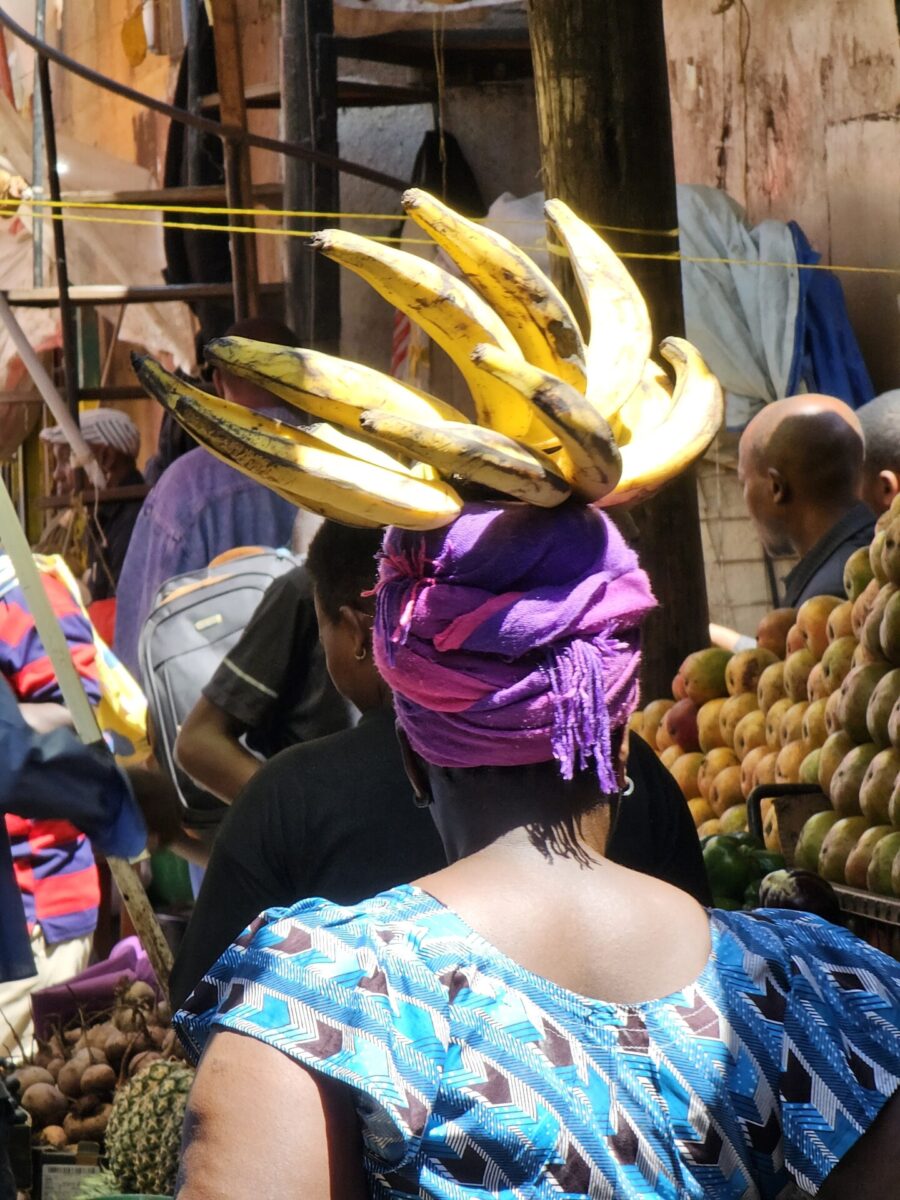
- Art and Craftsmanship: The country is known for its beautiful handicrafts, including beadwork, carvings, and colorful textiles. Visitors can explore local markets to find unique pieces of Tanzanian art.
- Swahili Culture: Swahili, the national language, is not just a means of communication but also an expression of Tanzania’s diverse heritage. The Swahili coast, including Zanzibar, is known for its unique culture that combines African, Arab, and European influences.
Experience History and Culture
A historical tour of Tanzania offers an opportunity to experience the country’s rich heritage in person. Visitors can explore key historical sites, such as:
- Stone Town (Zanzibar): A UNESCO World Heritage site, Stone Town is a labyrinth of narrow streets, ancient buildings, and historic landmarks that reflect Zanzibar’s Swahili, Arab, and European influences.
- The Old Fort (Zanzibar): Built by the Omani Arabs in the 17th century, this fort is a symbol of Zanzibar’s turbulent history and the struggle between colonial powers.
- The National Museum (Dar es Salaam): The museum offers fascinating exhibits on Tanzania’s natural history, pre-colonial societies, and independence struggle.
- The Slave Trade Route (Zanzibar): Zanzibar was once a major center for the East African slave trade. Visitors can learn about this dark chapter in history by visiting historical sites such as the former slave market in Stone Town.
The People of Tanzania
The people of Tanzania are known for their warmth and hospitality, making any visit to the country a memorable experience. The country’s population is a blend of various ethnic groups, including the Sukuma, Chaga, Maasai, and Hadzabe, each with its own unique way of life and traditions. Engaging with local communities during a historical tour offers insight into the country’s social dynamics and the daily life of its people.
- The Maasai: Perhaps the most well-known group in Tanzania, the Maasai are semi-nomadic herders who have preserved their traditional way of life for centuries. A visit to a Maasai village provides an opportunity to learn about their customs, rituals, and lifestyle.
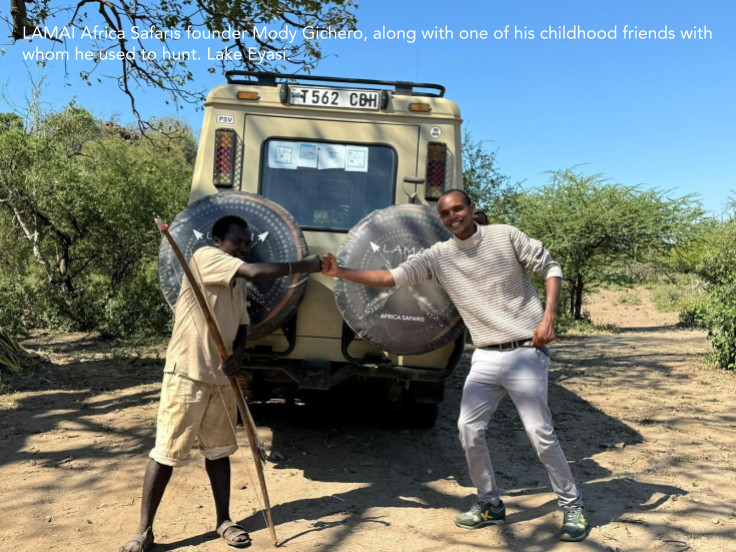
- The Hadzabe: One of the last remaining hunter-gatherer tribes in the world, the Hadzabe offer an extraordinary look into a way of life that has existed for thousands of years.

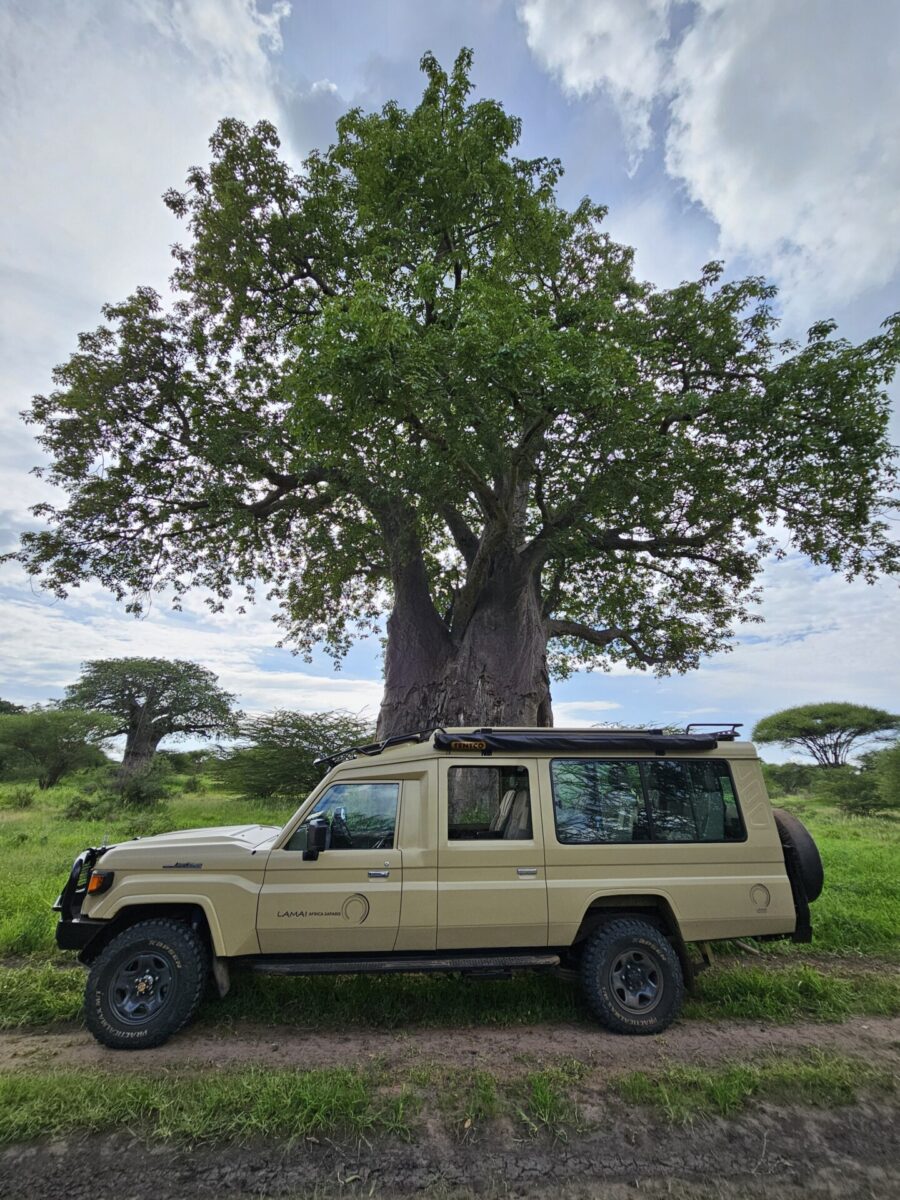
Enhance Your Historical Tour with Lamai Safaris
For a truly immersive and enriching historical tour, consider booking a trip with Lamai Safaris. Lamai Safaris offers expertly guided tours that take you to the most significant historical sites across Tanzania. With knowledgeable guides and a personalized approach, Lamai Safaris ensures that you experience Tanzania’s fascinating history and vibrant culture in the most meaningful way possible.