Lamai Africa Safaris

Kilimanjaro National Park

Africa’s Rooftop Adventure

An Overview of Mount Kilimanjaro National Park

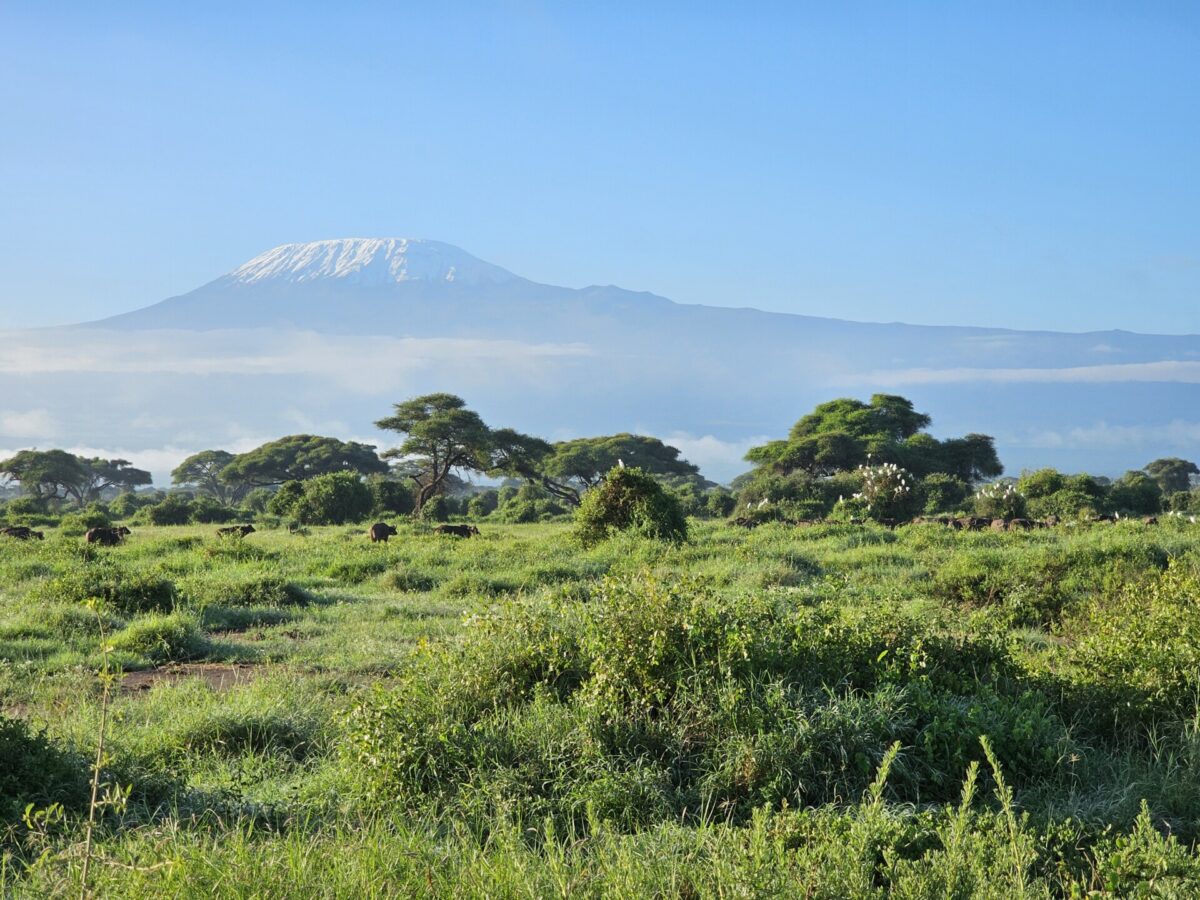
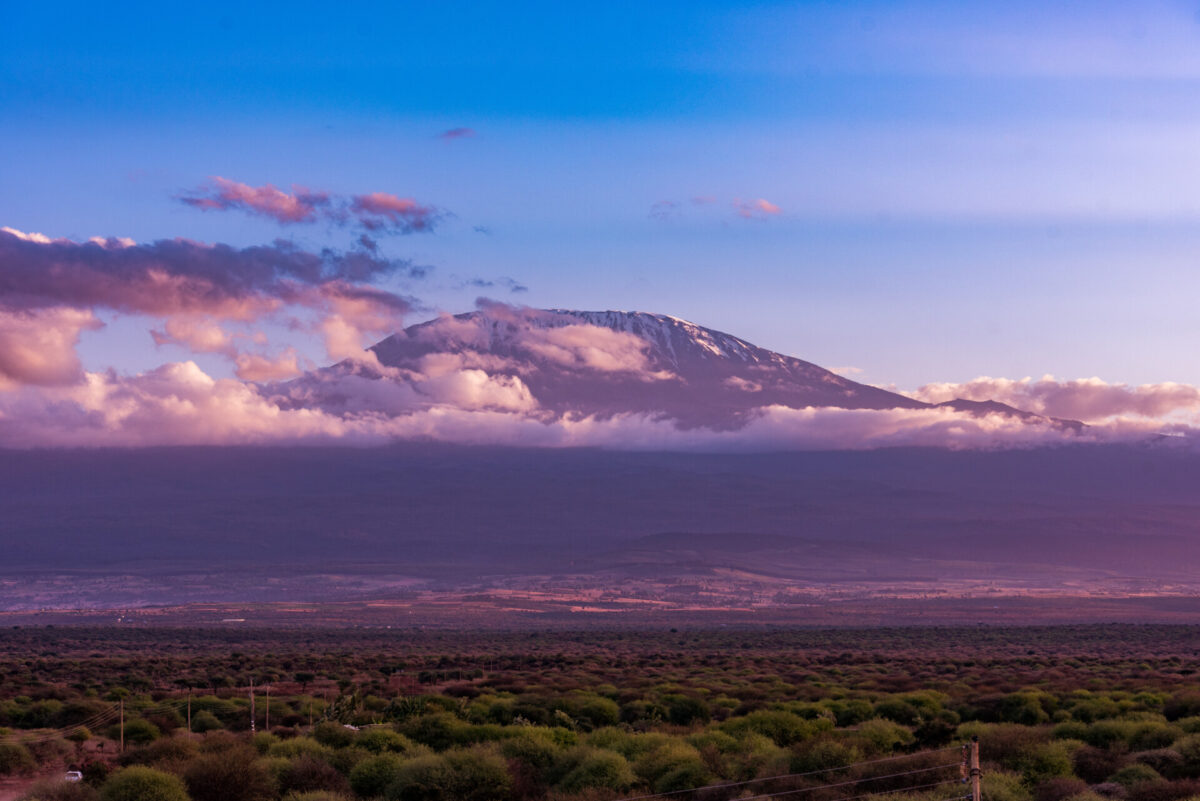
Mount Kilimanjaro National Park, a UNESCO World Heritage Site, is home to Africa’s tallest mountain and the world’s highest free-standing volcanic peak—Mount Kilimanjaro. Towering at 5,895 meters (19,341 feet), Kilimanjaro is a beacon for adventurers and nature lovers alike.

The park spans over 1,700 square kilometers (656 square miles) and offers more than just mountain climbing. Its diverse landscapes, unique wildlife, and cultural significance make it a destination of unmatched natural and cultural richness.

Nature: A Journey Through Diverse Ecosystems

Mount Kilimanjaro is famed for its five distinct ecological zones, each offering unique scenery and biodiversity:

  1. Cultivation Zone (800–1,800 meters): At the mountain’s base, fertile lands are cultivated for crops such as coffee and bananas.
  2. Montane Forest (1,800–2,800 meters): This lush rainforest is home to towering trees, exotic birds, and elusive wildlife.
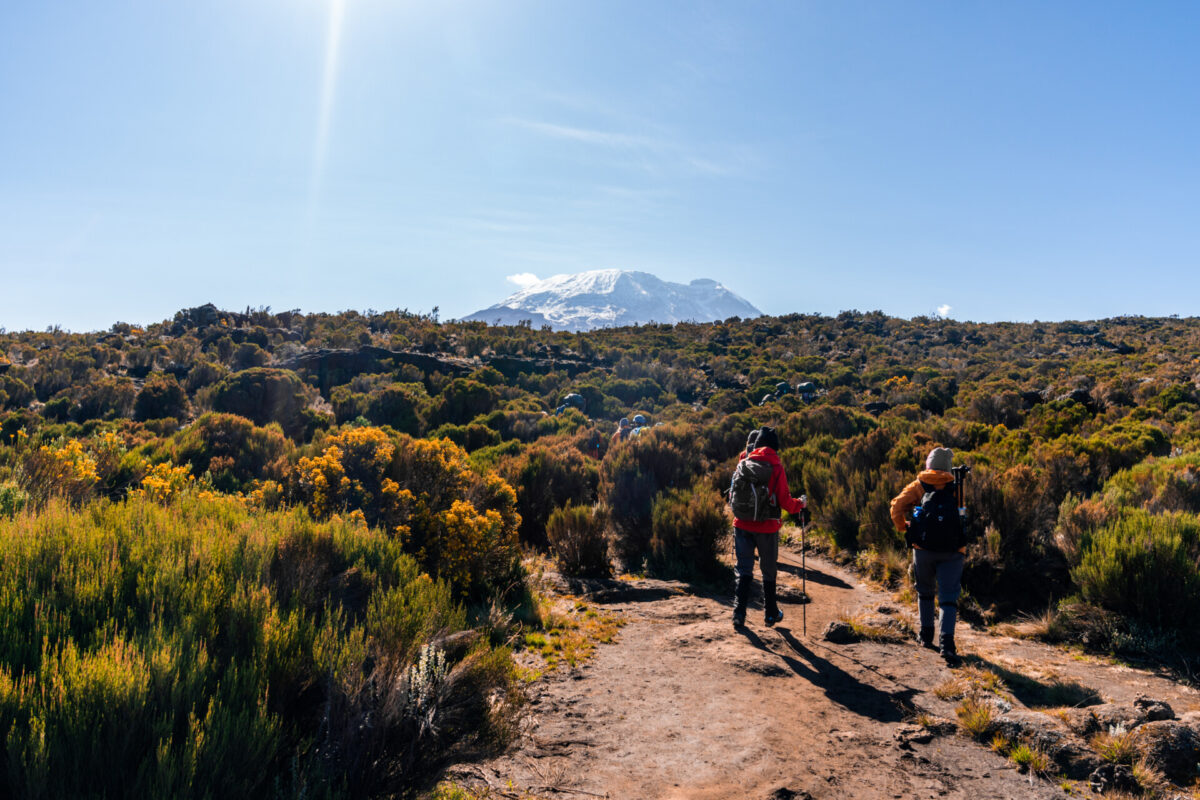
  3. Heath and Moorland (2,800–4,000 meters): Known for its giant lobelias and groundsel plants, this zone features a surreal, almost alien landscape.
  4. Alpine Desert (4,000–5,000 meters): Harsh and barren, this zone offers striking views of the mountain’s volcanic features.

Summit Zone (above 5,000 meters): Dominated by glaciers and snowfields, the summit zone is stark yet breathtakingly beautiful.

Wildlife: Unique Species in High Places

Forest Zone

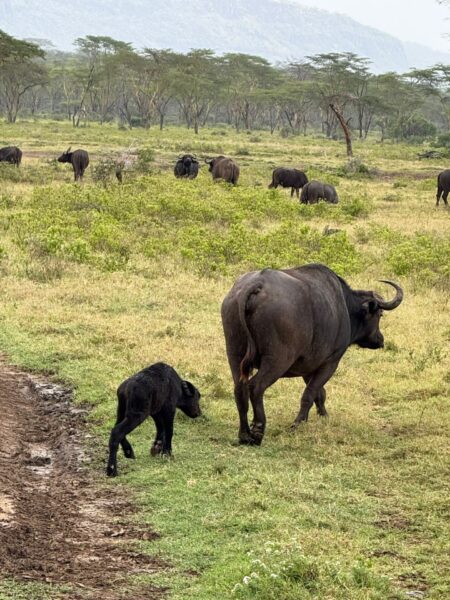
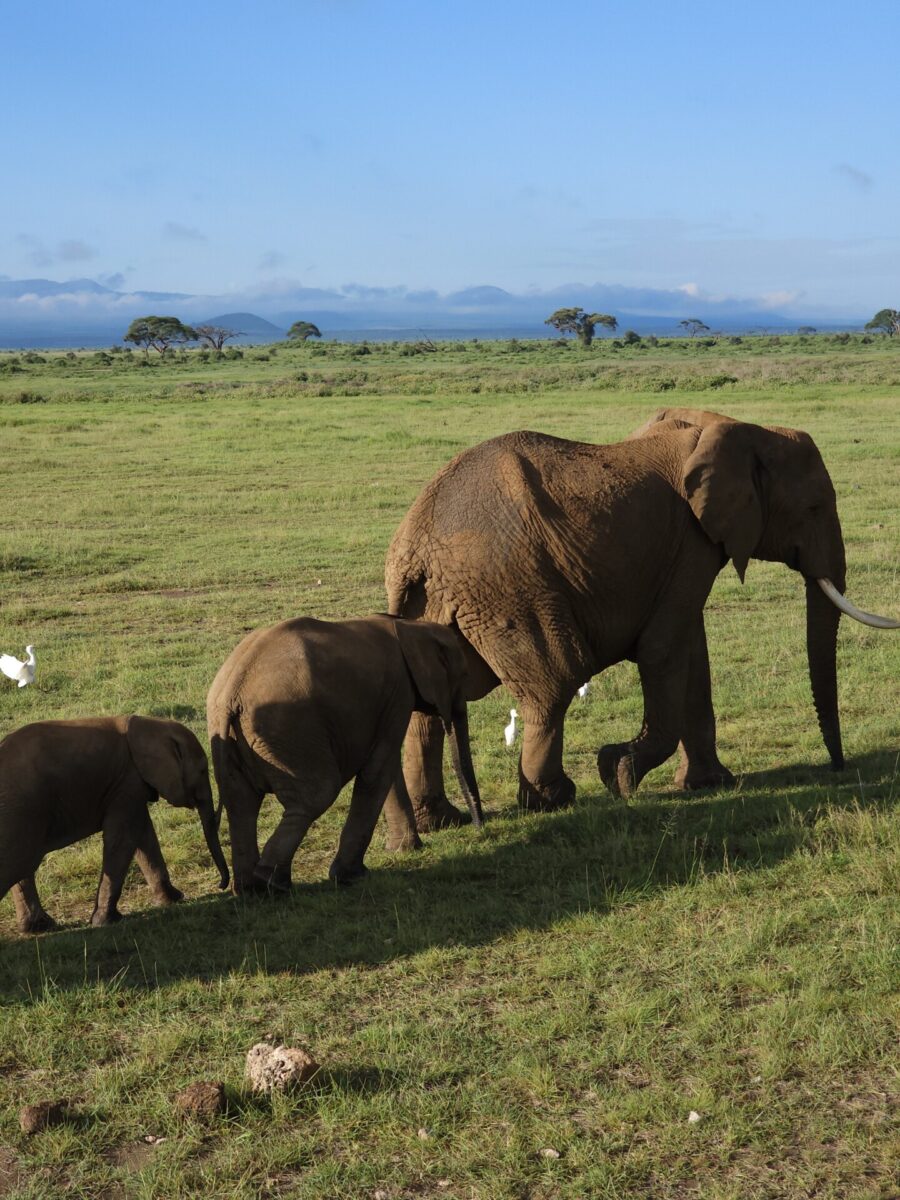
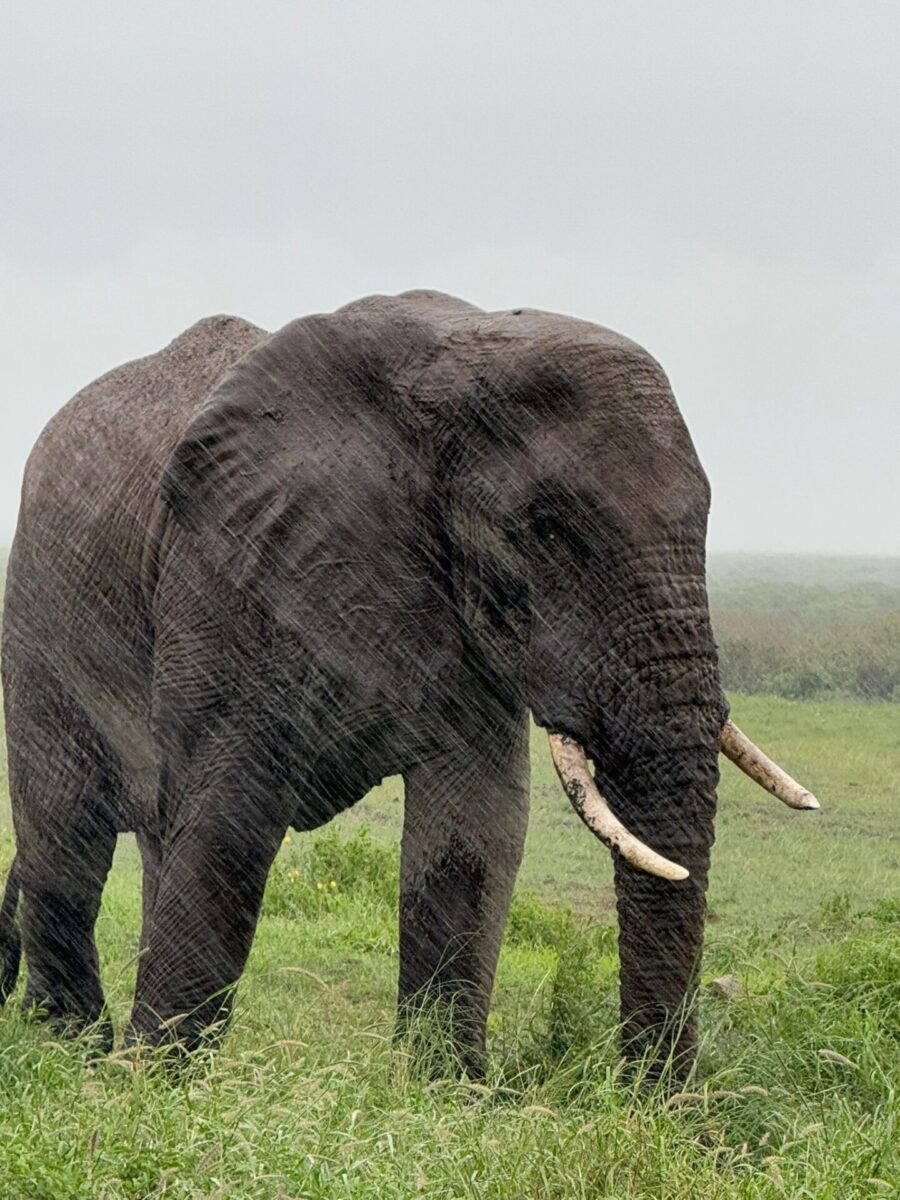
Elephants, buffaloes, colobus monkeys, and leopards are occasionally spotted in the dense rainforest.

Birdlife

Over 180 bird species inhabit the mountain, including turacos, hornbills, and the Kilimanjaro white-eye, an endemic species.

Insects and Reptiles

The mountain is home to unique species such as chameleons and butterflies found nowhere else.

Safaris: Exploring Beyond the Summit

While Kilimanjaro is synonymous with trekking, there are other ways to experience the park:

  • Walking Safaris: Explore the lower slopes and forest trails to observe wildlife and birdlife without climbing the peak.

Cultural Safaris: Visit the Chagga people who live near the mountain to learn about their traditions, coffee farming, and folklore tied to Kilimanjaro.

Local Communities:The People of Kilimanjaro

The region around Kilimanjaro is home to the Chagga people, who are among Tanzania’s largest ethnic groups. The Chagga have lived in the mountain’s shadow for centuries, cultivating the fertile volcanic soil for crops like bananas, yams, and coffee.

Their rich culture is intertwined with Kilimanjaro, with many myths and legends surrounding the mountain. Visitors can participate in cultural tours, visit Chagga caves, and enjoy traditional meals accompanied by the region’s renowned coffee.

Altitude and Climate

Kilimanjaro’s altitude is its defining feature, creating a variety of climates as you ascend the mountain. From tropical conditions at the base to freezing temperatures at the summit, the mountain offers a dramatic shift in weather and vegetation.

Seasons:
When to Visit Kilimanjaro

  • Dry Season (June to October and December to February): These months offer the best conditions for climbing, with clear skies and minimal rainfall.
  • Wet Season (March to May and November): Trails can be muddy and challenging, but the rainforest comes alive with lush greenery and abundant birdlife.

The choice of season depends on whether visitors prioritize easier trekking conditions or vibrant natural scenery.

A Brief History of Mount Kilimanjaro National Park

Mount Kilimanjaro’s history is as rich as its landscapes. The mountain has been a cultural and spiritual icon for local tribes for centuries. In 1889, German geographer Hans Meyer and Austrian mountaineer Ludwig Purtscheller became the first to successfully summit Kilimanjaro.

The area was designated a game reserve in 1921 and later became a national park in 1973. It was recognized as a UNESCO World Heritage Site in 1987, ensuring its protection as a natural and cultural treasure.

Additional Highlights: What Makes Kilimanjaro Special?

  • Climbing Routes: Kilimanjaro offers seven main climbing routes, each with unique challenges and scenery. Popular routes include the Marangu, Machame, and Lemosho routes.
  • Glacial Features: The diminishing glaciers at the summit, while a stark reminder of climate change, offer a rare glimpse of ice near the equator.
  • Scenic Beauty: From sunrise at Uhuru Peak to panoramic views of the savannah below, the mountain provides endless photographic opportunities.

Physical and Personal Challenge: Climbing Kilimanjaro is not only a physical feat but also a deeply personal journey, drawing adventurers from around the globe.

Why Visit Mount Kilimanjaro National Park?

Tarangire National Park is a hidden treasure in Tanzania’s safari circuit, offering a mix of stunning landscapes, abundant wildlife, and cultural experiences. Whether you’re marveling at a herd of elephants beneath a baobab tree, spotting rare bird species, or connecting with the local Maasai people, Tarangire promises a safari adventure that’s both diverse and unforgettable.