Lamai Africa Safaris

Tarangire National Park

Tanzania’s Hidden Gem

An Overview of Tarangire National Park

Located just 118 kilometers (73 miles) southwest of Arusha, Tarangire National Park is often overshadowed by its more famous neighbors like Serengeti and Ngorongoro. Yet, for those who venture here, Tarangire offers an equally captivating safari experience. Spanning over 2,850 square kilometers (1,100 square miles), it is the sixth-largest national park in Tanzania.

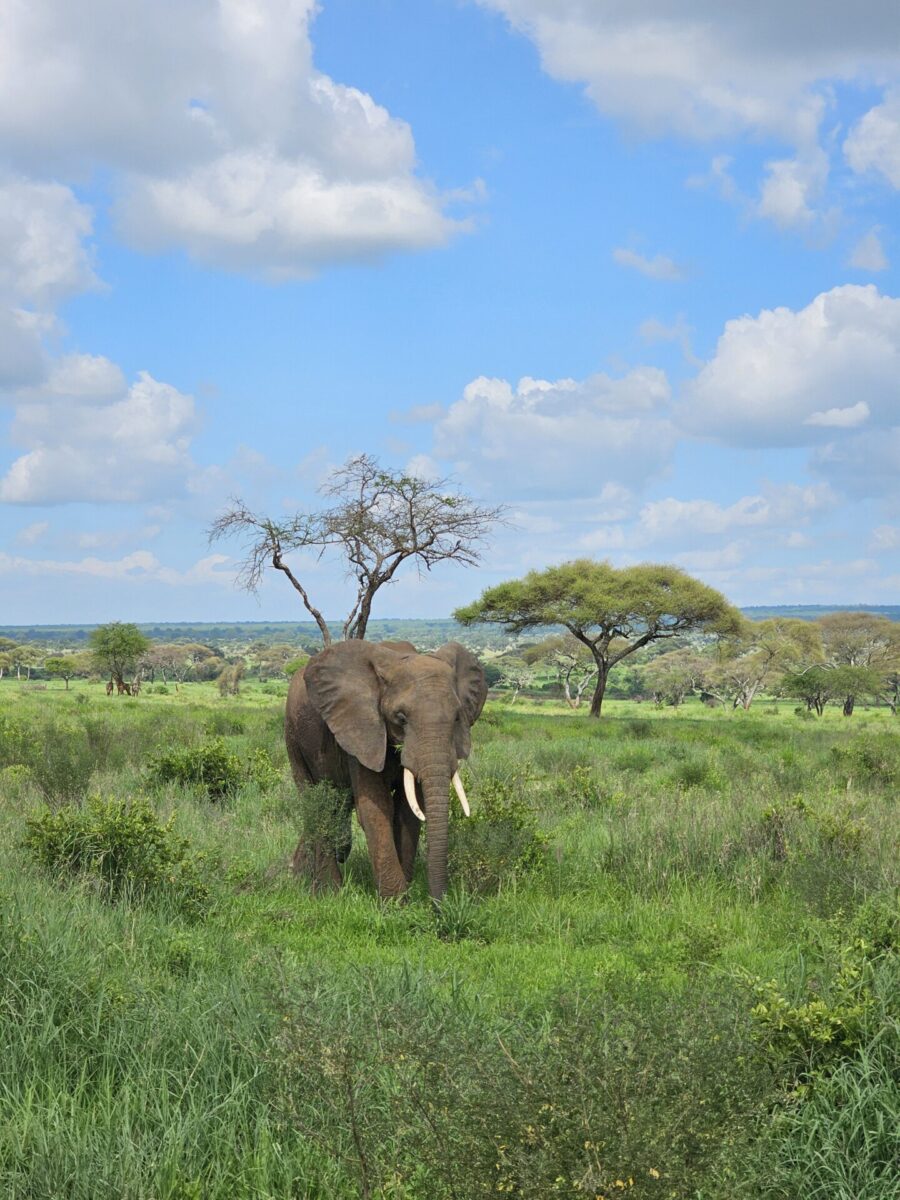
Tarangire is renowned for its massive herds of elephants, iconic baobab trees, and the seasonal migration of thousands of animals. The park’s tranquil atmosphere and fewer visitors compared to other parks make it a fantastic choice for those seeking an intimate connection with Tanzania’s wilderness.

Nature: A Landscape
of Contrasts

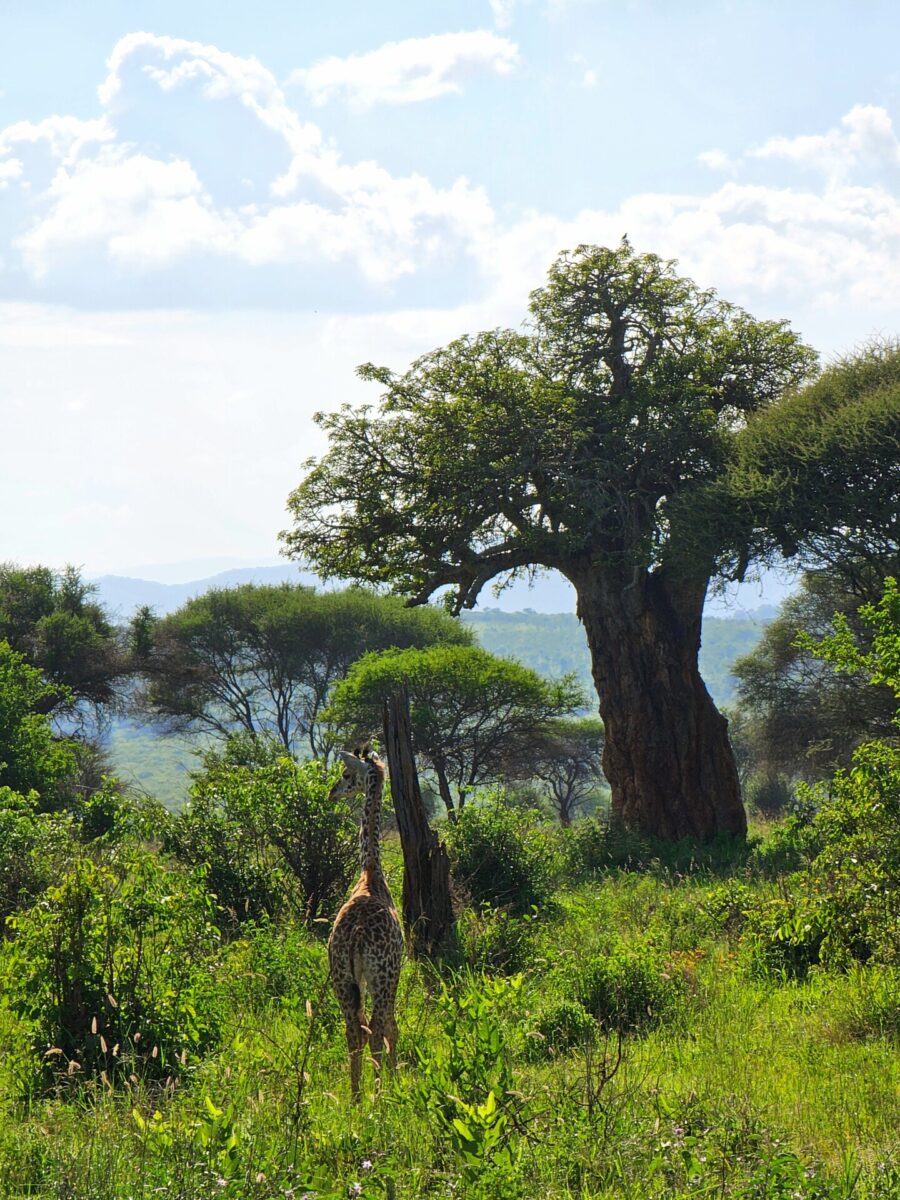
Tarangire’s landscape is a striking mix of rolling hills, vast savannahs, and dense acacia woodlands. The park is named after the Tarangire River, which flows through its heart and acts as a lifeline for wildlife during the dry season. Surrounding the river, the park features dramatic baobab trees that dominate the scenery and provide a unique visual appeal.

During the wet season, the park transforms into a lush, green haven, with seasonal swamps and floodplains adding to its ecological diversity.

Wildlife: A Sanctuary for Diversity

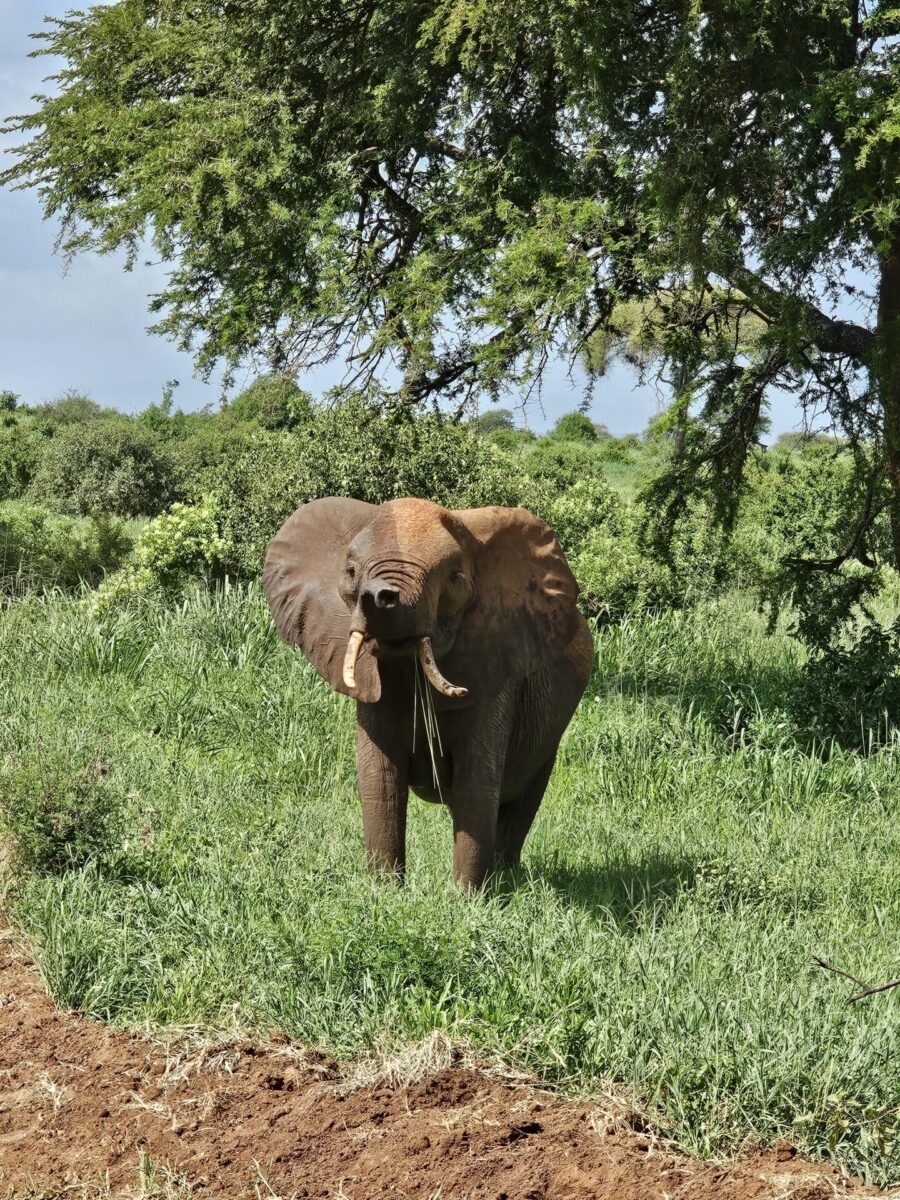
Tarangire boasts one of the highest concentrations of wildlife in Tanzania during the dry season (June to October). Large herds of elephants, sometimes numbering in the hundreds, are a defining feature of the park. These gentle giants can often be seen digging into dry riverbeds in search of water.

Other notable wildlife includes:

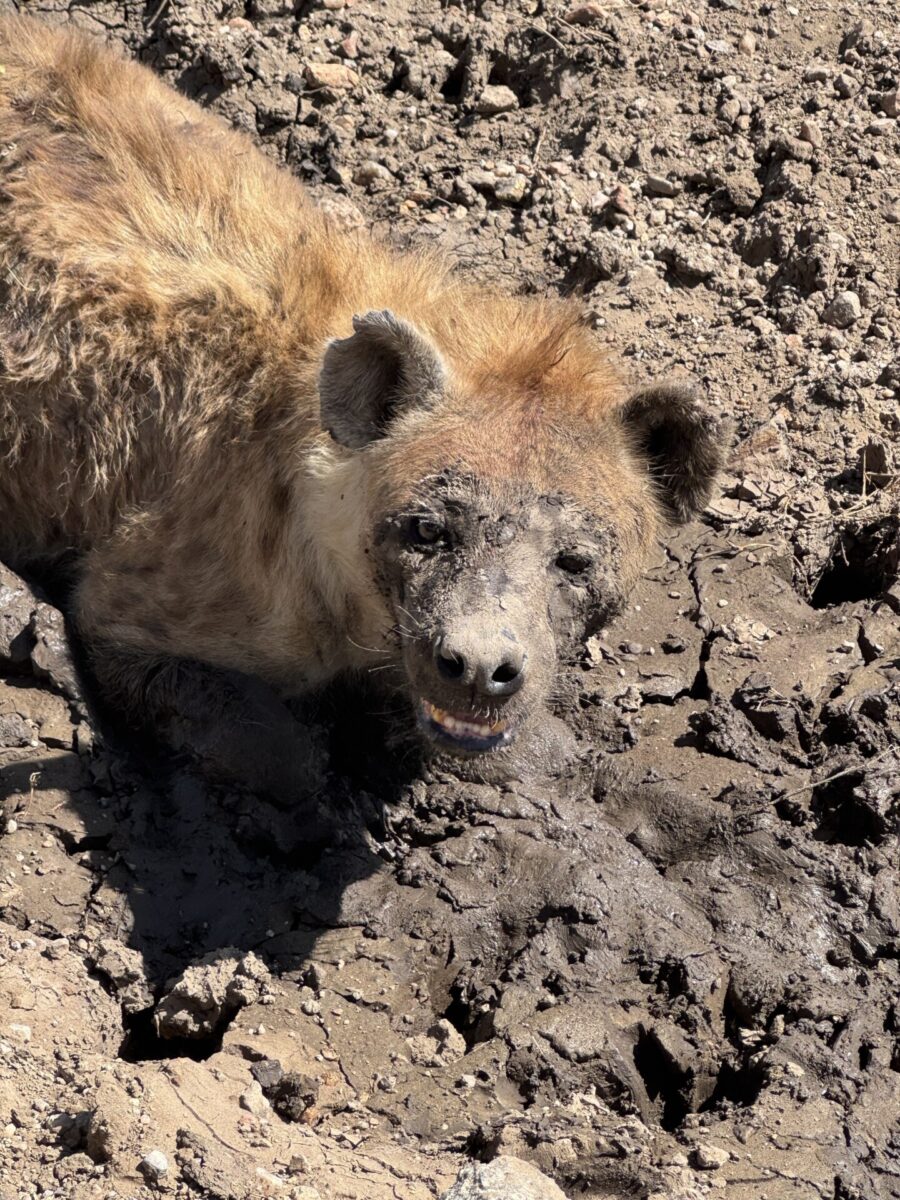
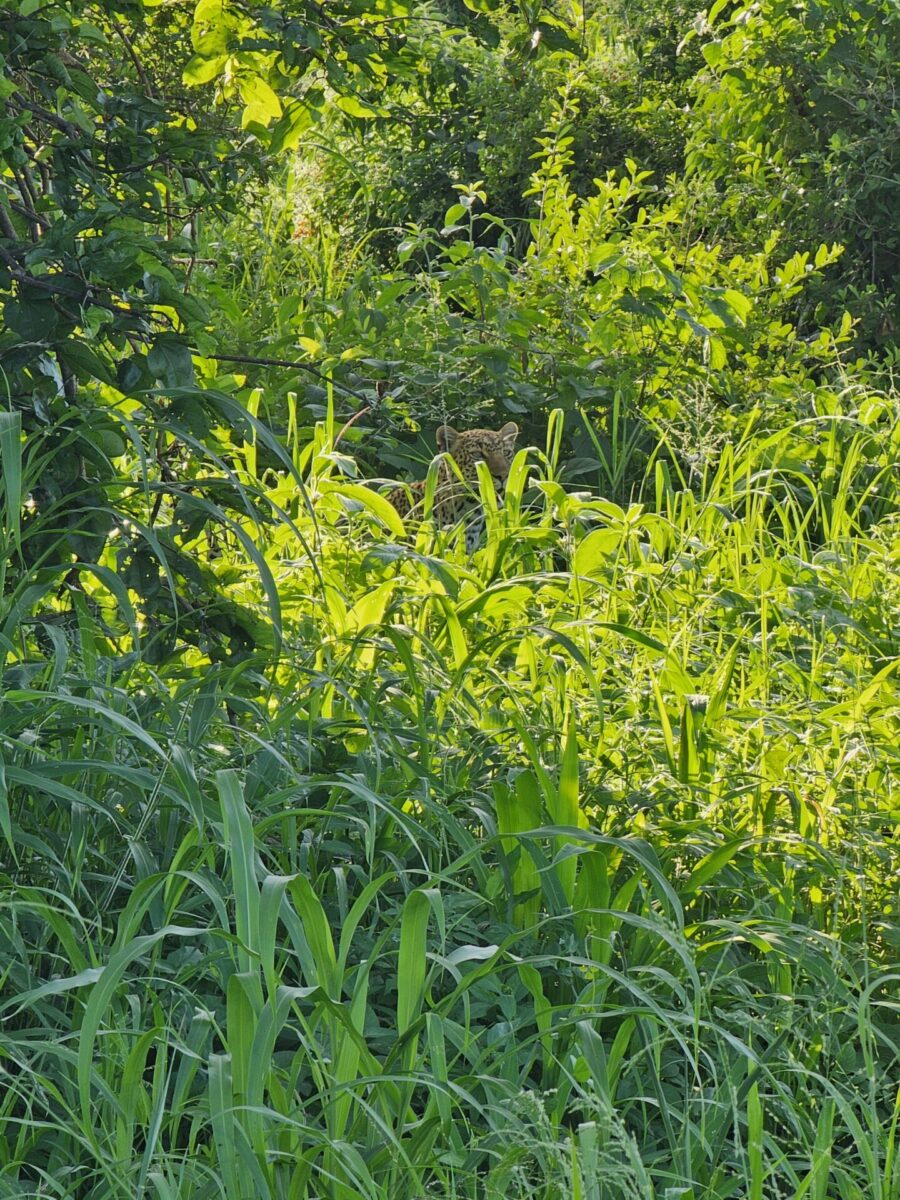
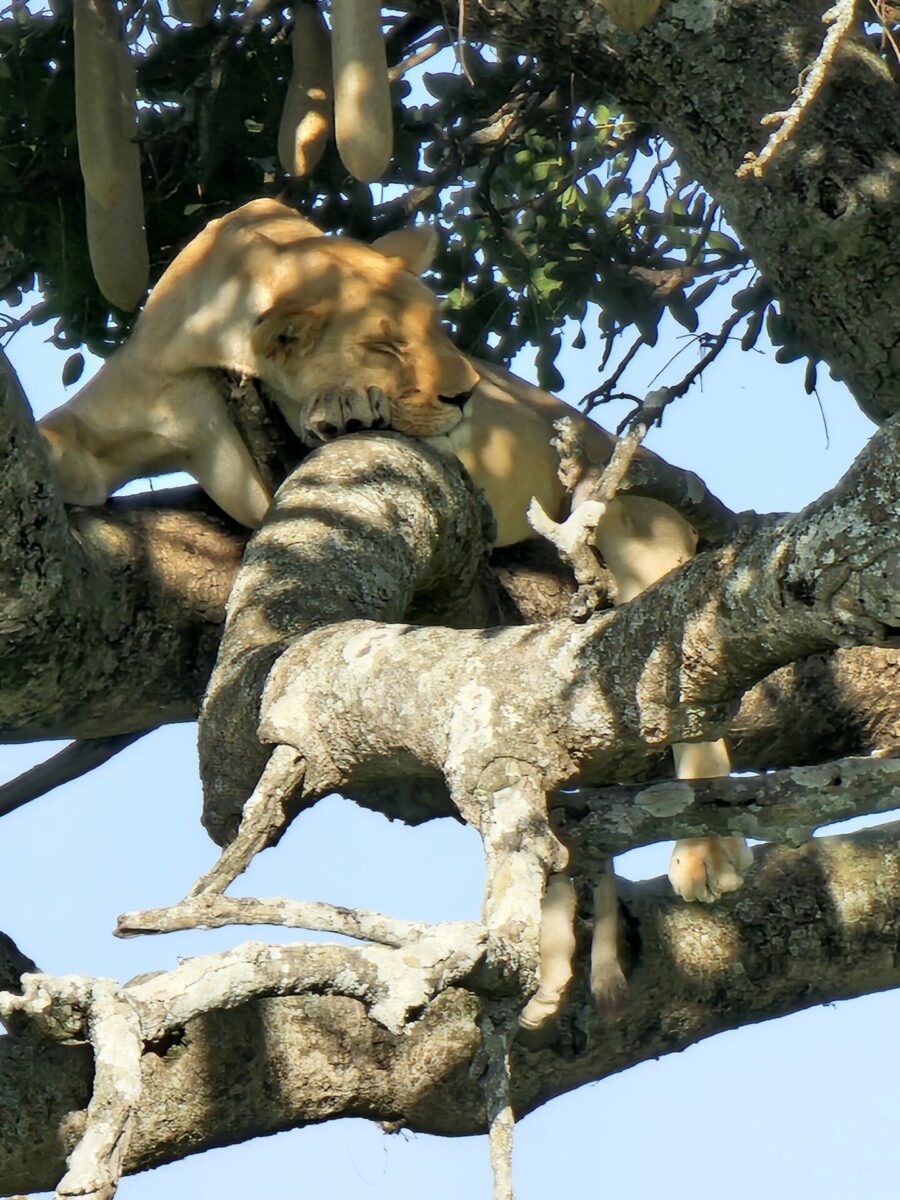
  • Predators: Lions, leopards, cheetahs, and hyenas.
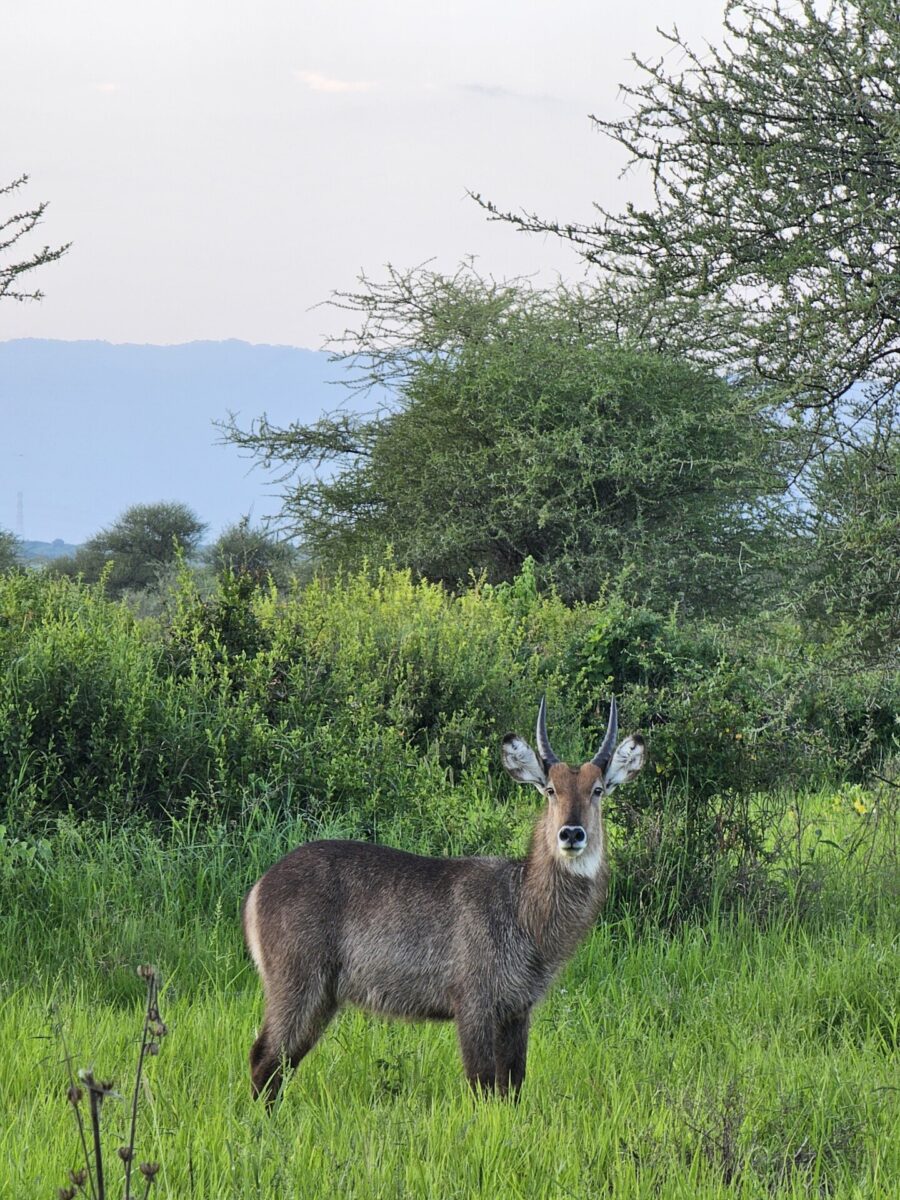
  • Ungulates: Zebras, wildebeest, elands, and impalas.
  • Birdlife: Over 550 species of birds make Tarangire a paradise for birdwatchers, including ostriches, hornbills, and colorful lovebirds.

Rare Species: Lesser kudu, fringe-eared oryx, and gerenuks—animals you’re unlikely to see in other parks.

Safaris: Unique Ways to Explore Tarangire

Game Drives

The most popular way to explore the park, with both day and night drives available. Night drives provide a chance to spot nocturnal animals like bush babies and leopards.

Walking Safaris

Accompanied by armed guides, these safaris allow visitors to experience the park’s wildlife and landscapes up close.

Cultural Safaris

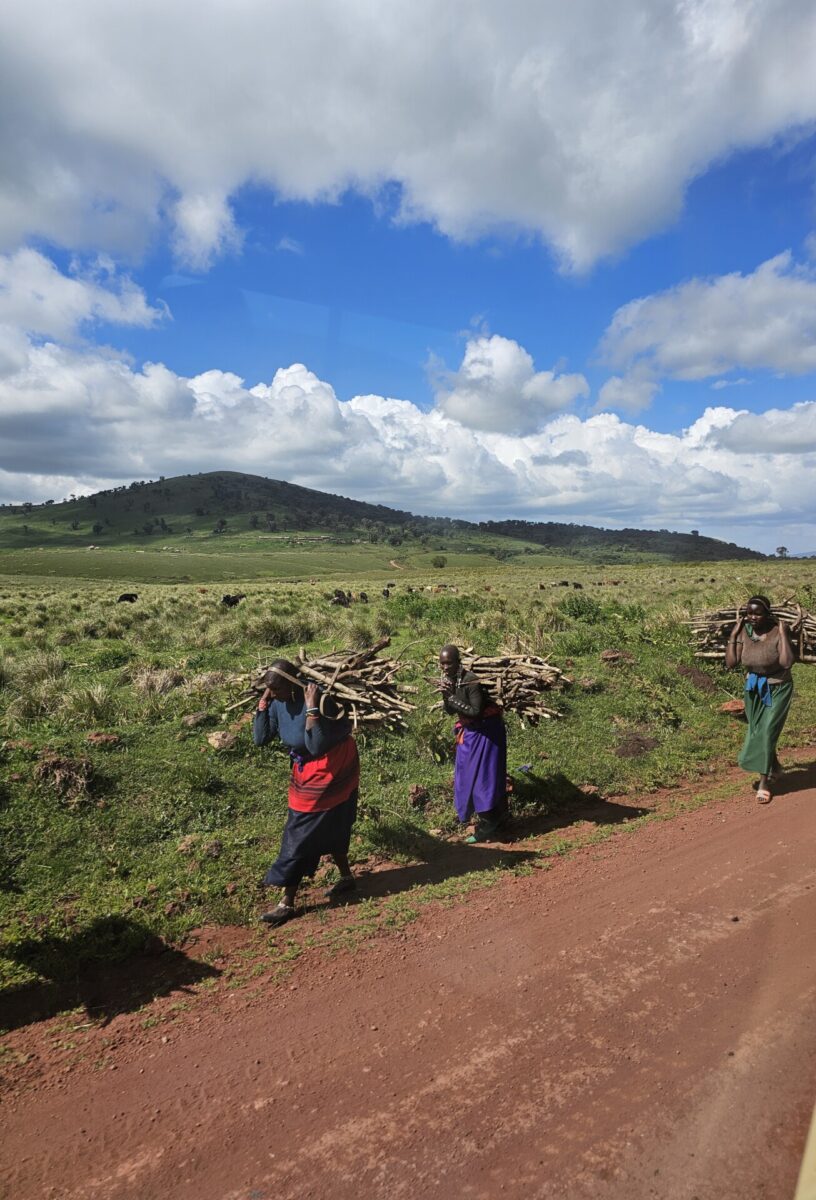
 Visitors can combine their wildlife adventure with visits to nearby Maasai and Barabaig communities to learn about their traditions and way of life.

Local Communities: The People of Tarangire

The area surrounding Tarangire National Park is home to the Maasai, Barabaig, and other tribes. These communities maintain a symbiotic relationship with the park, as they rely on its resources for their cattle and livelihoods. In recent years, eco-tourism initiatives have sought to involve these communities in conservation efforts, ensuring that both the environment and the people benefit.

Altitude and Climate

Tarangire National Park sits at an altitude of approximately 1,100 to 1,500 meters (3,600 to 4,900 feet) above sea level. This elevation contributes to its warm climate, which remains relatively mild thanks to the cooling effects of the nearby Great Rift Valley.

Seasons:
When to Visit Tarangire

  • Dry Season (June to October): This is the best time to visit Tarangire, as wildlife congregates around the Tarangire River, providing exceptional game-viewing opportunities.
  • Wet Season (November to May): During this period, the park is lush and vibrant, with fewer tourists. Birdwatching is at its peak, and newborn animals can often be seen.

Each season brings its own unique appeal, making Tarangire a versatile destination year-round.

A Brief History of Tarangire National Park

Tarangire was designated as a game reserve in the early 20th century before being declared a national park in 1970. Its name comes from the Tarangire River, which has always been a critical water source for both wildlife and local communities. Conservation efforts in the park have focused on protecting its ecosystems and the migratory corridors that connect it to other wildlife areas, such as Lake Manyara and the Maasai Steppe.

What Makes Tarangire Unique ?

  • The Baobab Trees: These “trees of life” not only add to the park’s beauty but also serve as critical water reservoirs and habitats for birds and small animals.
  • The Elephant Migration: Tarangire is home to one of the largest elephant populations in Tanzania. The seasonal movements of these majestic animals are a highlight of any visit.
  • The Quiet Charm: Unlike the busier Serengeti or Ngorongoro, Tarangire offers a peaceful safari experience, ideal for those who want to escape the crowds.

Why Visit Tarangire National Park?

Tarangire National Park is a hidden treasure in Tanzania’s safari circuit, offering a mix of stunning landscapes, abundant wildlife, and cultural experiences. Whether you’re marveling at a herd of elephants beneath a baobab tree, spotting rare bird species, or connecting with the local Maasai people, Tarangire promises a safari adventure that’s both diverse and unforgettable.