Serengeti National Park
Tanzania’s Iconic Wilderness
An Overview of Serengeti National Park
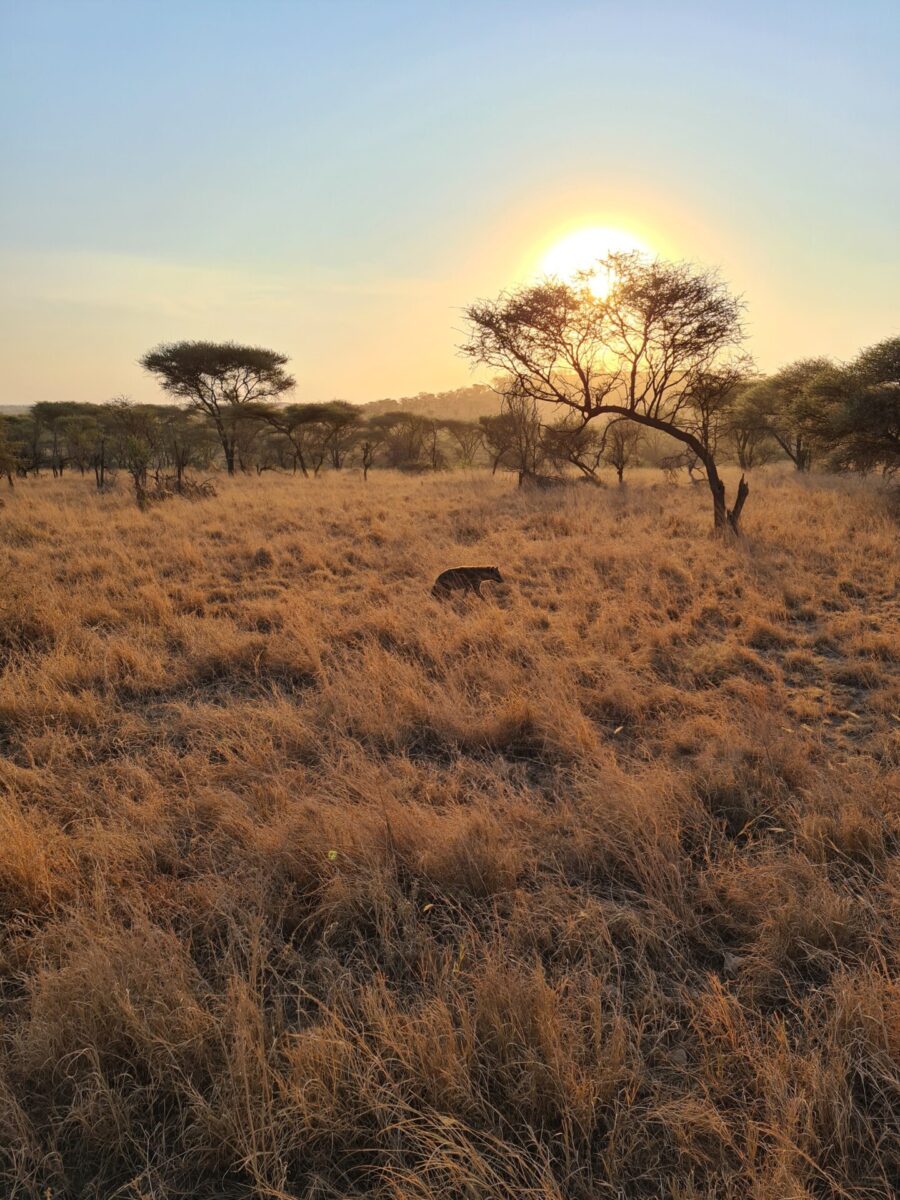
Serengeti National Park is one of the most renowned wildlife reserves in the world. Spanning over 14,750 square kilometers (5,700 square miles), this UNESCO World Heritage Site is a haven for diverse ecosystems and unparalleled wildlife experiences. Its name, derived from the Maasai word “Siringet,” means “the place where the land runs on forever,” perfectly describing the park’s seemingly endless plains.
Established in 1951, Serengeti is not only Tanzania’s oldest national park but also the crown jewel of its northern safari circuit. Visitors from all over the globe flock here to witness its breathtaking landscapes, rich biodiversity, and the world-famous Great Migration—a natural phenomenon unlike any other.
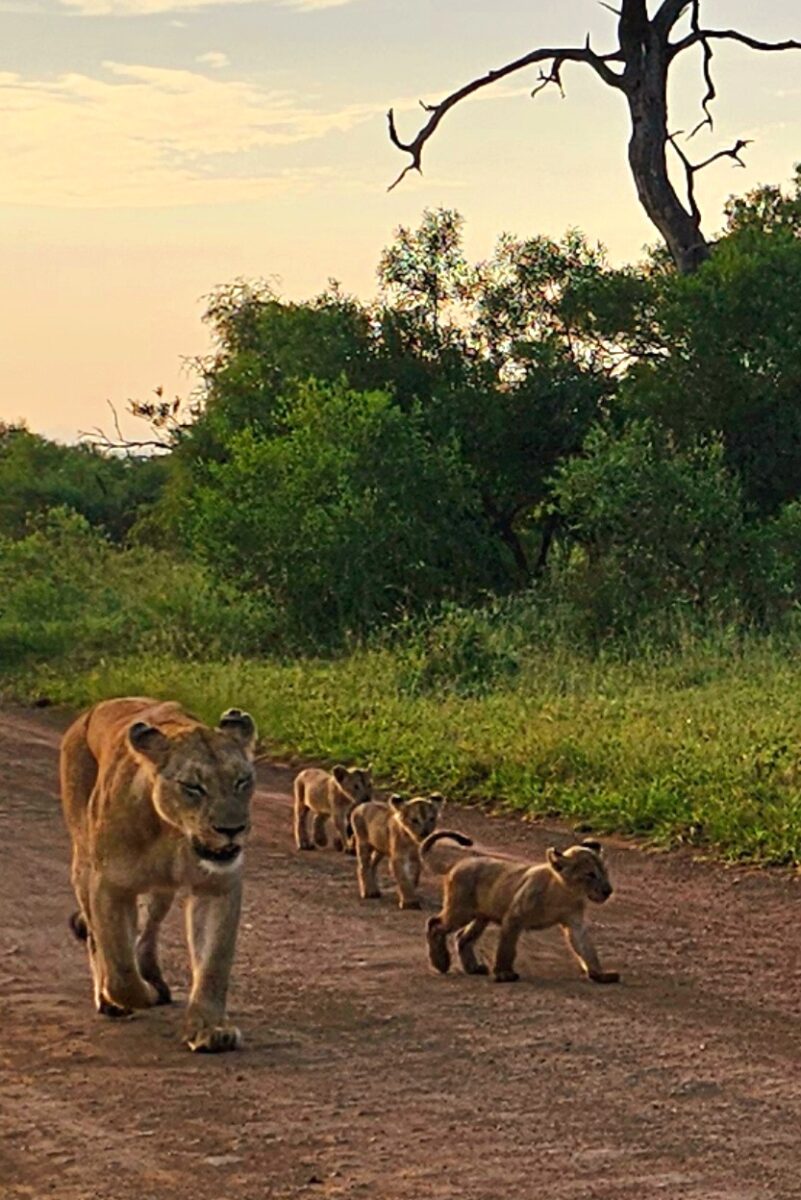
Nature: A Landscape
of Endless Beauty
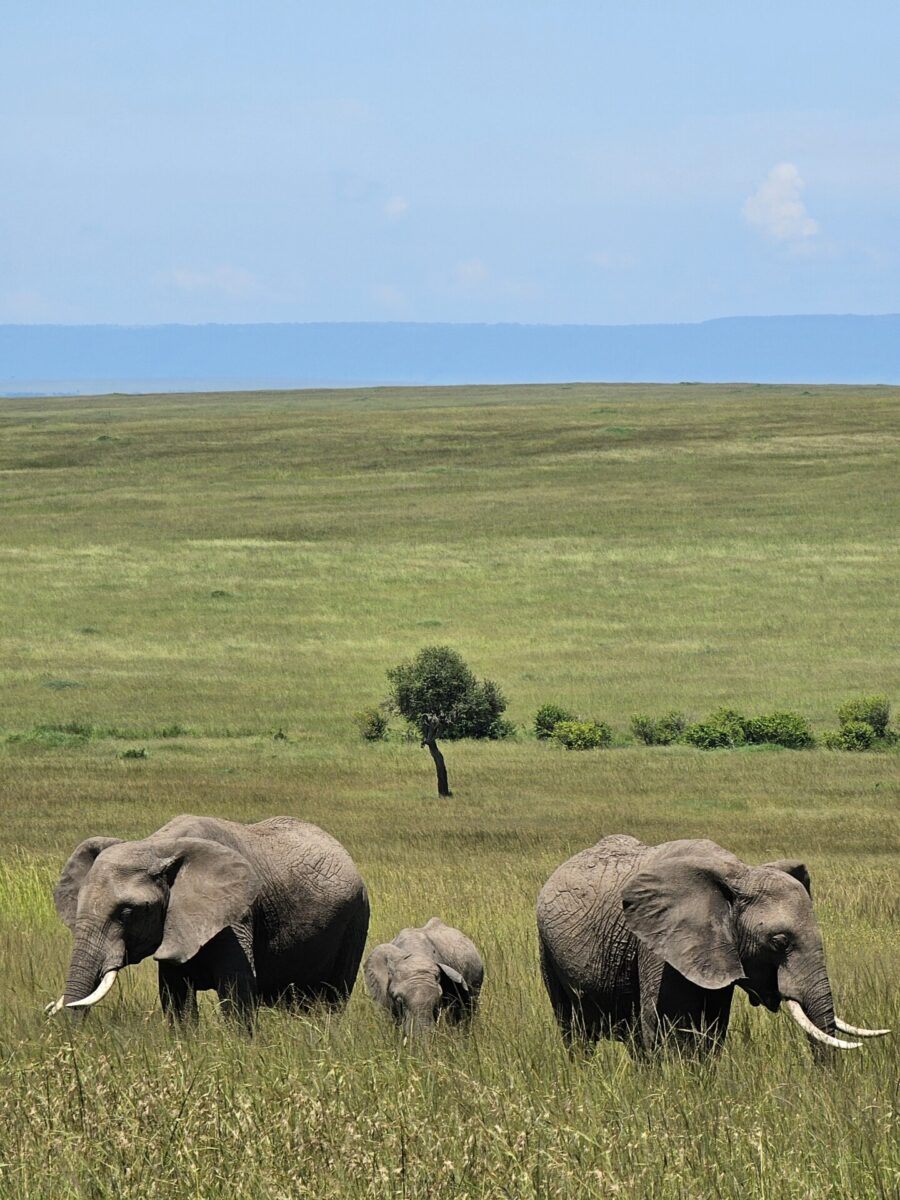
The Serengeti’s landscape is as diverse as it is expansive, featuring vast grasslands, riverine forests, rocky outcrops known as kopjes, and scattered acacia woodlands. These varied terrains create the perfect environment for a wide range of flora and fauna.
The park is divided into distinct regions, each offering its own unique charm:
- Southern Plains: Endless, open grasslands that become lush and green during the rainy season.
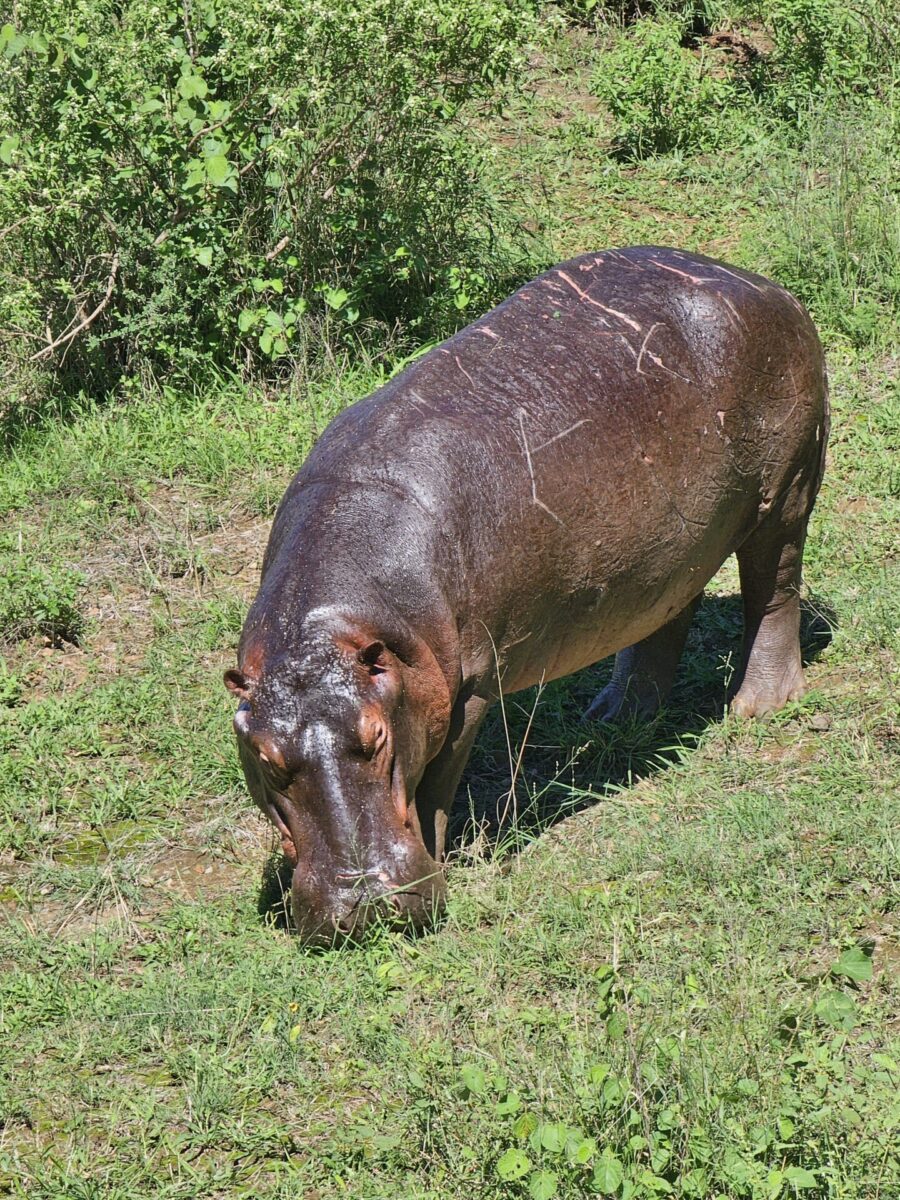
- Western Corridor: Characterized by dense forests, rivers, and swamps, this area is a hotspot for hippos and crocodiles.
- Northern Serengeti: A more remote area filled with rolling hills and woodlands, perfect for spotting elusive animals.
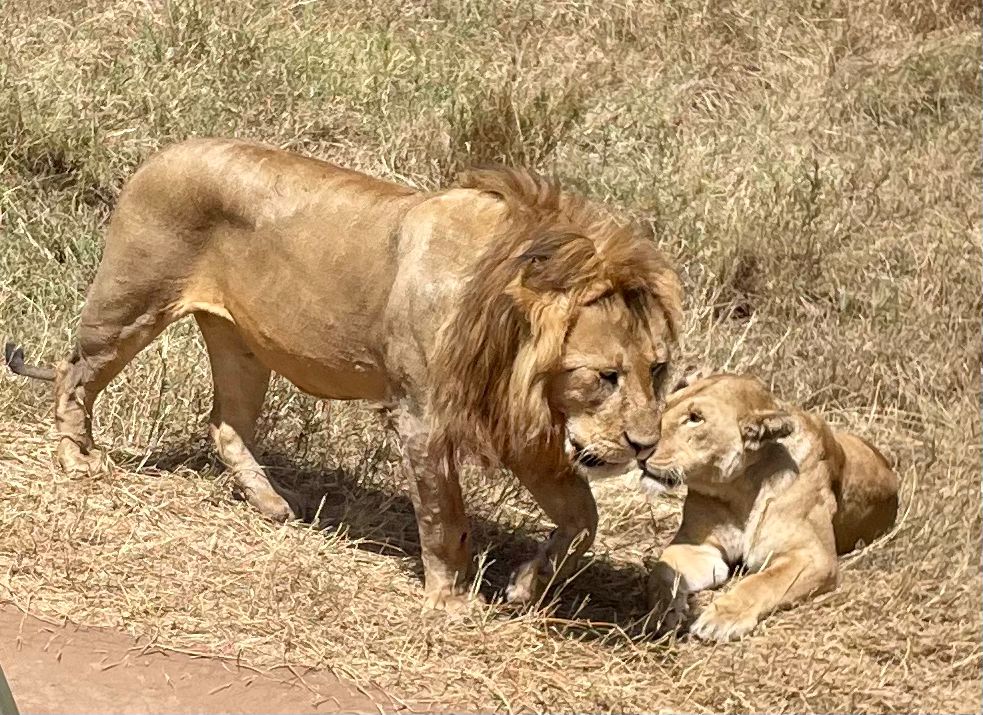
Wildlife: A Safari Paradise
The Serengeti is synonymous with incredible wildlife, making it one of the most coveted destinations for safaris. The park is home to the “Big Five” (lion, elephant, buffalo, leopard, and rhino) as well as over 500 bird species.
However, the highlight for many is the Great Migration, where over 1.5 million wildebeest, accompanied by zebras and gazelles, journey across the Serengeti in search of fresh grazing lands. This dramatic event sees predators like lions, cheetahs, and crocodiles in action, offering visitors a front-row seat to nature’s raw power and beauty.
Other notable animals include giraffes, hyenas, jackals, and an array of antelope species like the elegant impala and the majestic kudu.
Altitude and Climate
Serengeti National Park lies at an altitude ranging from 920 to 1,850 meters (3,018 to 6,070 feet) above sea level. This elevation contributes to its pleasant climate, with warm days and cooler nights.
The park’s altitude also influences its diverse ecosystems, from low-lying savannahs to highland forests, which in turn support a wide variety of wildlife.
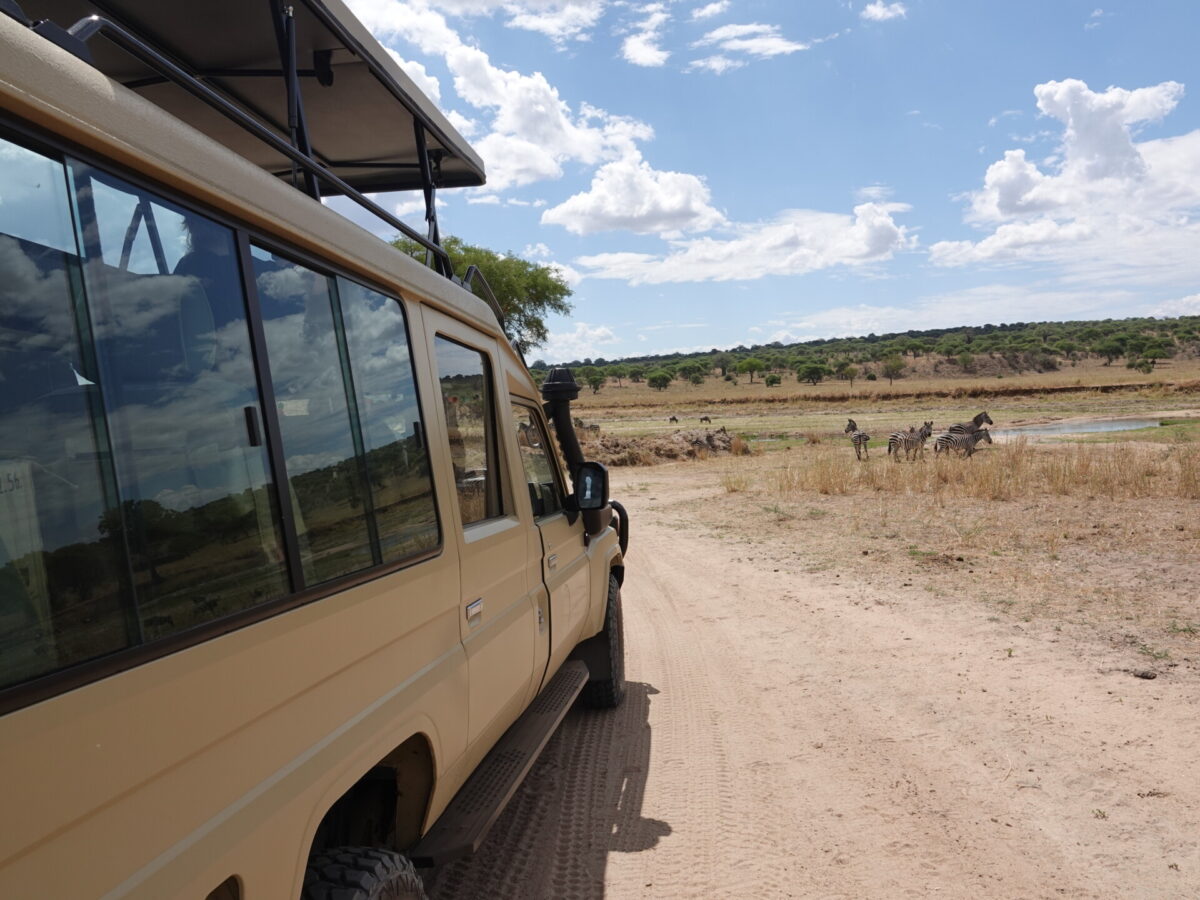
Seasons:
When to Visit the Serengeti
The Serengeti is a year-round destination, but its seasons influence what you can experience:
- Dry Season (June to October): Ideal for game viewing as animals gather around water sources. The Great Migration crosses the Mara River during this time, offering thrilling predator-prey encounters.
- Wet Season (November to May): The plains turn lush and green, and the calving season occurs in February and March. This is the best time to see newborn wildebeest and predators on the hunt.
Each season offers its own unique charm, so the best time to visit depends on your interests.
Beyond the Basics: Additional Highlights of the Serengeti
Hot Air Balloon Safaris
Experience the Serengeti from above with a sunrise hot air balloon ride, offering breathtaking panoramic views of the park’s vast plains and roaming wildlife.
Cultural Experiences
Visit nearby Maasai villages to learn about their rich traditions and way of life, which has remained largely unchanged for centuries.
Photography Opportunities
With its stunning sunsets, dramatic landscapes, and abundant wildlife, Serengeti is a dream for photographers.
Why Serengeti National Park is A Must-Visit
Serengeti National Park is more than just a safari destination—it’s an experience of a lifetime. From the thunderous hooves of the Great Migration to the peaceful moments of watching a lion pride at sunrise, the Serengeti promises unforgettable memories. Whether you’re a wildlife enthusiast, a nature lover, or an adventurer at heart, this iconic park captures the very essence of Tanzania’s wild beauty.