Lamai Africa Safaris

Mkomazi National Park

A Hidden Conservation Haven

An Overview of Mkomazi National Park

Located in northern Tanzania, Mkomazi National Park is a lesser-known gem that offers a tranquil escape into unspoiled wilderness. Covering approximately 3,276 square kilometers (1,265 square miles), the park lies at the border of Tanzania and Kenya, where it connects with Tsavo West National Park. Together, these parks form one of the largest and most important ecosystems in East Africa.

Mkomazi is celebrated for its arid beauty, groundbreaking rhino and wild dog conservation programs, and the chance to experience a quieter, more intimate safari away from the crowds.

Nature: A Land of Stark Beauty

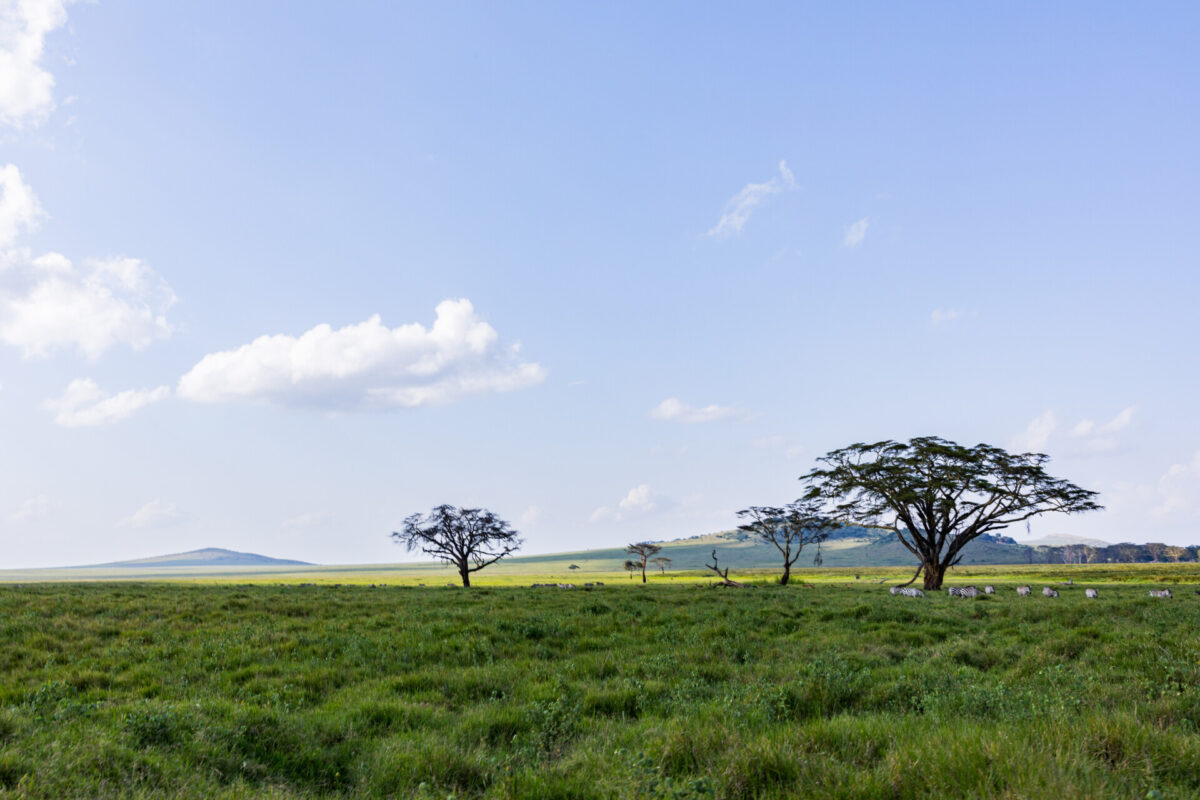
Mkomazi’s landscapes are a stunning mix of arid savannah, rocky outcrops, and open grasslands. The park is bordered by the Pare and Usambara mountain ranges, with Mount Kilimanjaro visible in the distance on clear days. This semi-arid environment is dotted with umbrella acacias, baobabs, and hardy shrubs adapted to the dry conditions.

During the rainy season, the dry landscape transforms into a lush haven, with seasonal rivers and flowers carpeting the ground.

Wildlife: A Conservation Success Story

Mkomazi is home to an array of wildlife, with some species thriving here due to dedicated conservation efforts:

  • Black Rhinos: Mkomazi houses a black rhino sanctuary, playing a critical role in protecting this endangered species.
  • African Wild Dogs: Once nearly extinct in the region, these elusive predators are making a comeback thanks to focused reintroduction programs.
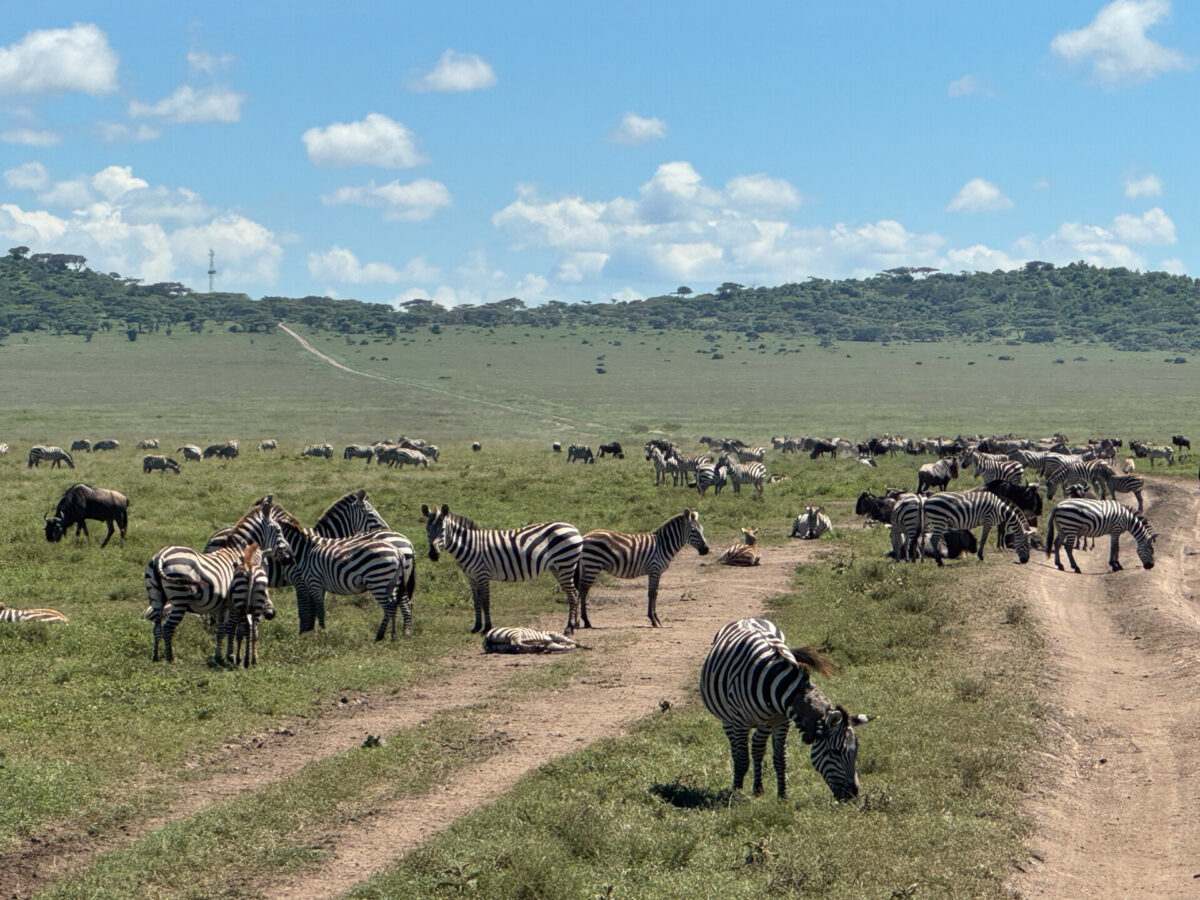
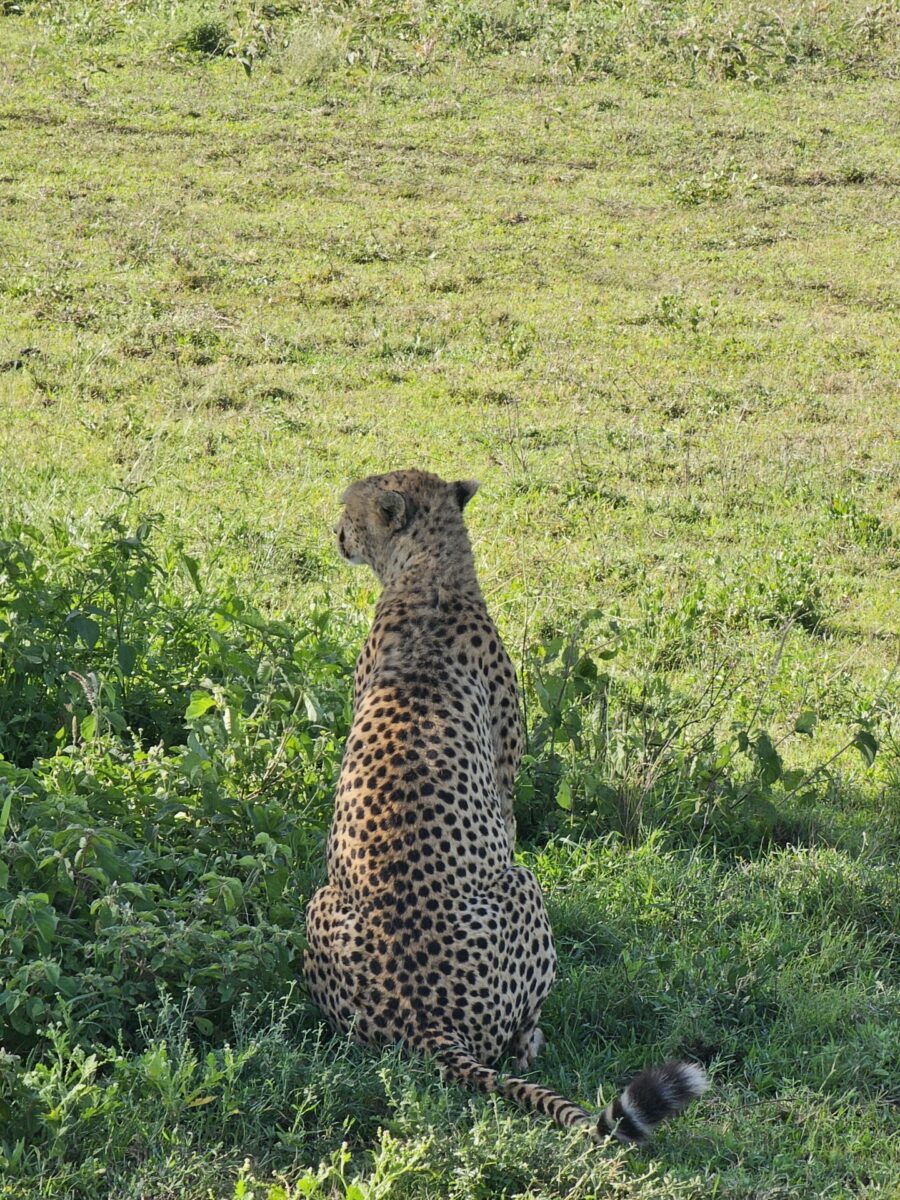
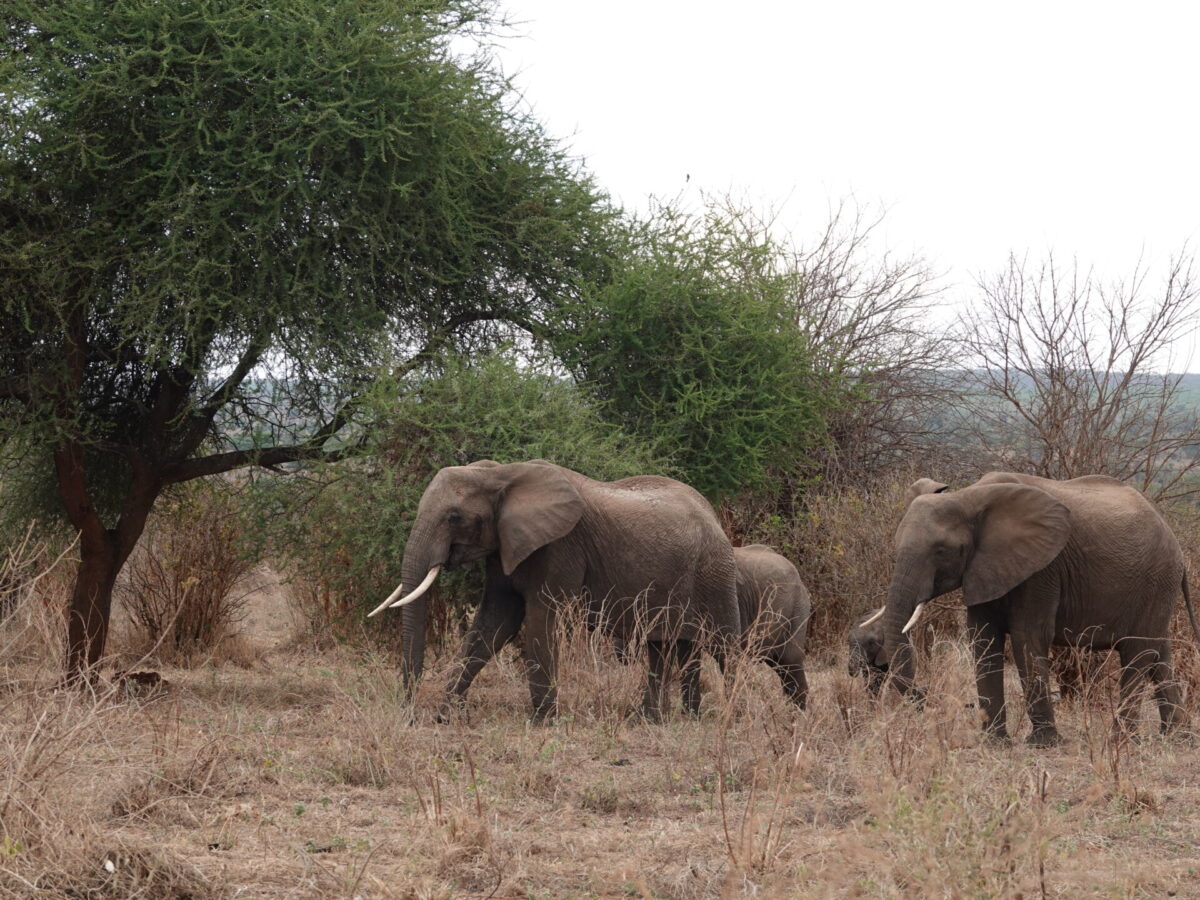
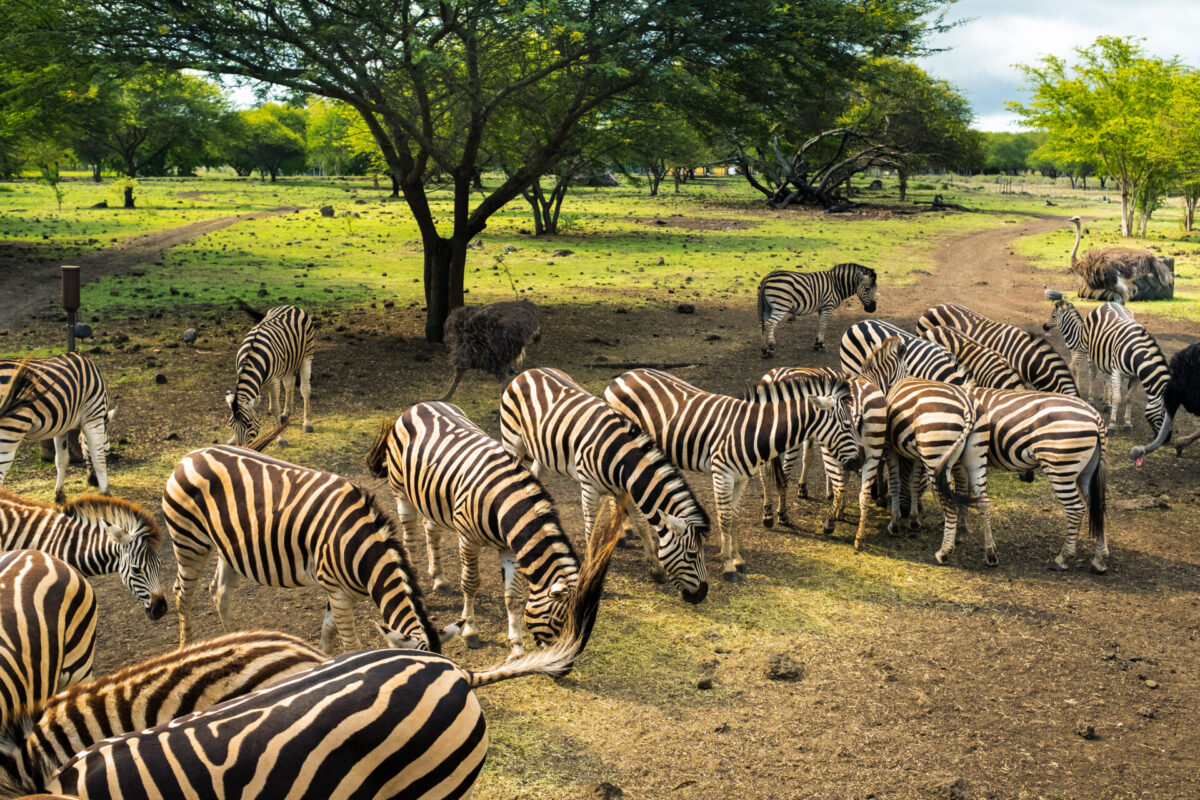
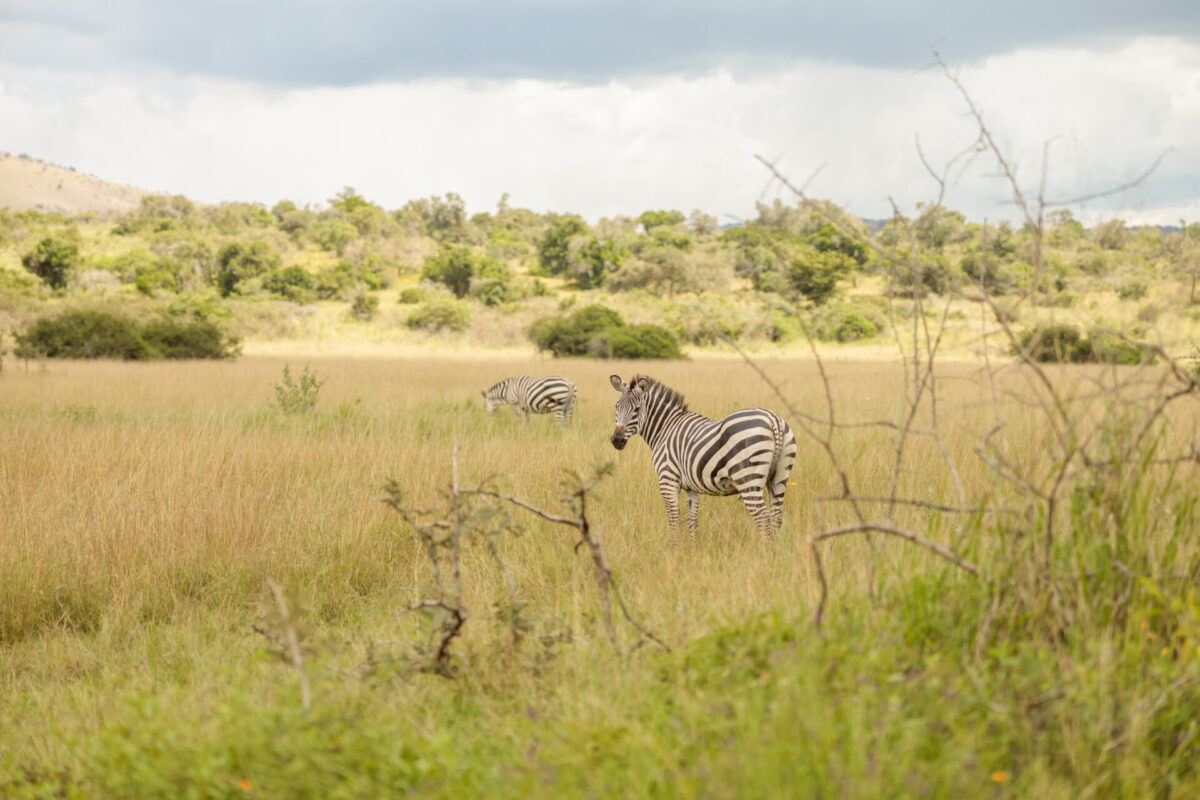
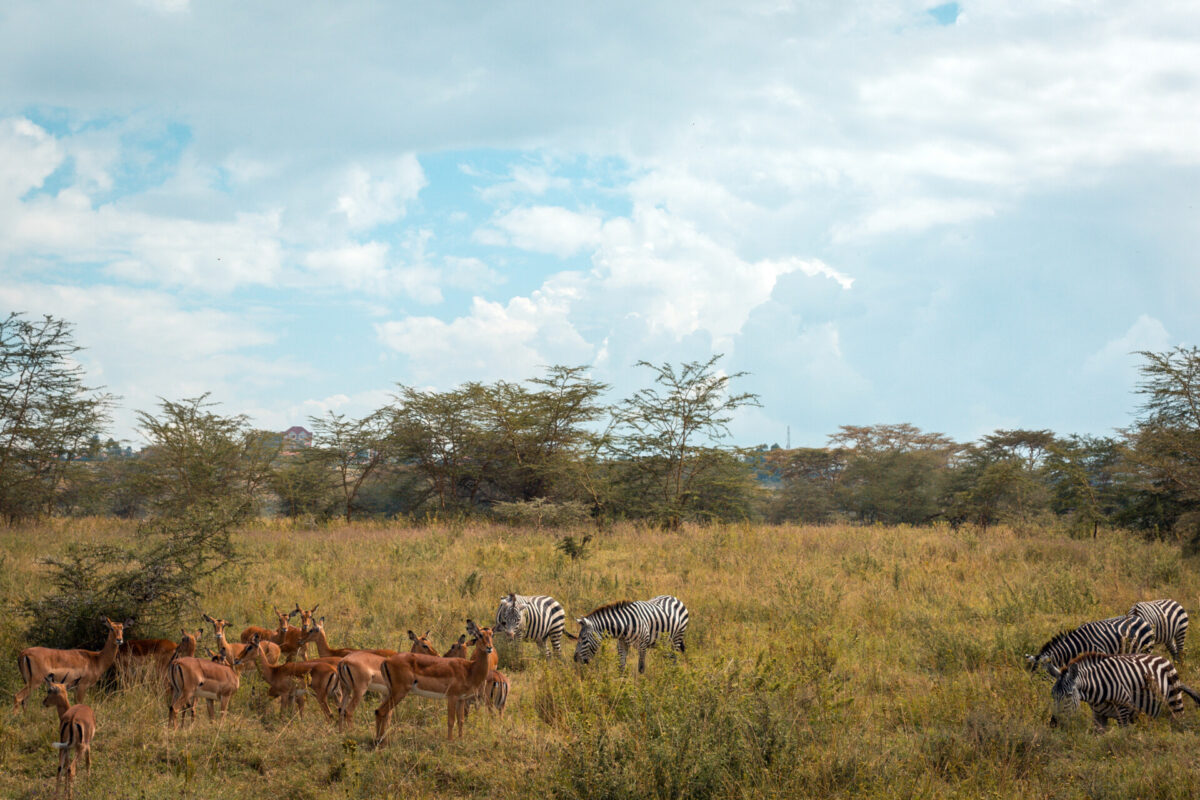
  • Large Mammals: Giraffes, elephants, zebras, and elands roam the park’s plains, alongside predators like lions, leopards, and cheetahs.
  • Birdlife: Over 450 bird species, including Kori bustards, secretary birds, and colorful bee-eaters, make Mkomazi a paradise for birdwatchers.

Safaris: A Quiet and Unique Experience

Game Drives

Explore the park’s diverse terrain, from open plains to riverbeds, in search of wildlife.

Walking Safaris

Guided walking tours allow visitors to experience the park’s flora and fauna up close, with a chance to learn about the delicate balance of this semi-arid ecosystem.

Special Conservation Tours

Visitors can tour the black rhino sanctuary and learn about the efforts to protect this critically endangered species.

Local Communities and Culture

The area surrounding Mkomazi is home to the Pare and Sambaa people, as well as the Maasai, whose traditional lifestyles are closely tied to the land.

  • The Pare People: Known for their farming and terraced agriculture, the Pare people have a deep connection to the nearby Pare Mountains.
  • The Maasai: Famous for their cattle-herding and colorful attire, the Maasai often graze their livestock near the park’s boundaries, maintaining a harmonious coexistence with the wildlife.
    Visitors can engage in cultural experiences to learn about local customs, crafts, and traditional music.


Altitude and Climate

Mkomazi National Park sits at an altitude ranging from 230 to 1,600 meters (755 to 5,250 feet) above sea level. Its semi-arid climate means it experiences hot days and cool nights.

Seasons:
When to Visit Mkomazi

  • Dry Season (June to October): This is the prime time for game viewing, as animals congregate around water sources. The clear skies also make it ideal for photography.
  • Wet Season (November to May): While wildlife may be harder to spot, the park’s landscape comes alive with greenery and an abundance of birdlife.

A Brief History of Mkomazi National Park

Originally designated as a game reserve in 1951, Mkomazi was upgraded to a national park in 2008 to ensure better protection of its fragile ecosystems and endangered species. Conservationists like Tony Fitzjohn have played a significant role in reintroducing rhinos and wild dogs to the area, transforming Mkomazi into a model for modern conservation.

Cultural Significance and Community Involvement

Mkomazi is more than a wildlife sanctuary; it is a place where local communities and conservation efforts intersect. Initiatives to involve the local population in sustainable tourism and wildlife protection have helped foster a sense of shared responsibility for the park’s future.

Highlights and Activities in Mkomazi National Park

  • Rhino and Wild Dog Sanctuaries: Learn about Mkomazi’s vital conservation work and observe these rare species in a protected setting.
  • Scenic Views: Enjoy breathtaking vistas of the Pare Mountains and the distant peaks of Kilimanjaro.
  • Birdwatching: With hundreds of bird species, including some that are rare or endemic, Mkomazi is a dream for bird enthusiasts.
  • Cultural Tours: Visit nearby villages to experience the traditions and daily lives of the Pare and Maasai people.
  • Photography: The park’s unique combination of arid landscapes, wildlife, and mountain backdrops makes it a photographer’s paradise.


Why Visit Mkomazi National Park?

Mkomazi offers a rare blend of tranquility, natural beauty, and groundbreaking conservation. It’s an ideal destination for those seeking an off-the-beaten-path safari experience, with opportunities to witness rare species and engage with local cultures.

Whether you’re exploring its vast plains, learning about the fight to save black rhinos, or simply soaking in its rugged beauty, Mkomazi National Park promises an unforgettable journey into Tanzania’s wild heart.