Serengeti Migration Tours
Serengeti Migration Tours: Witness Nature’s Greatest Spectacle
The Serengeti National Park is one of the most iconic wildlife destinations in the world, and for good reason. Spanning over 14,750 square kilometers of open savannah, woodlands, and riverine forests, it is home to an extraordinary diversity of animals, including the famed Big Five. At the heart of its allure lies the Great Migration—a breathtaking natural phenomenon that sees millions of wildebeests, zebras, and gazelles journey across the plains in search of greener pastures.
The Great Migration: A Wonder of the Natural World
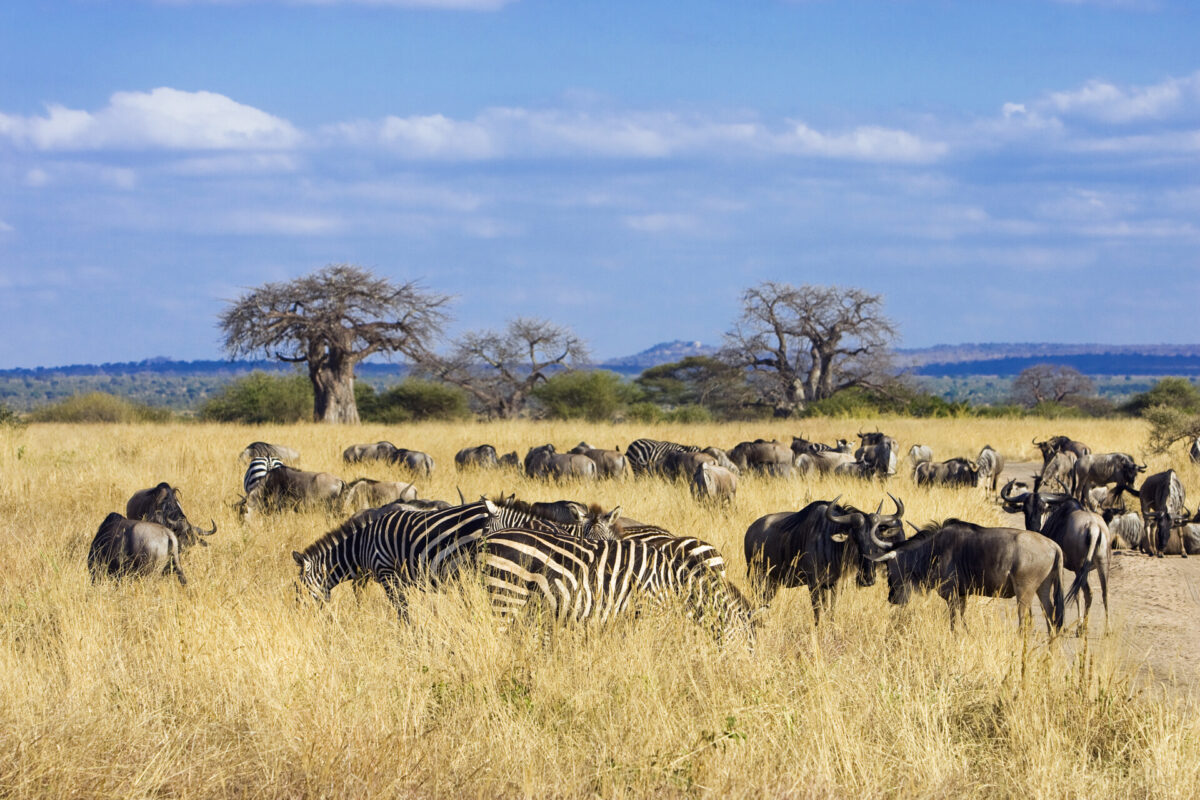
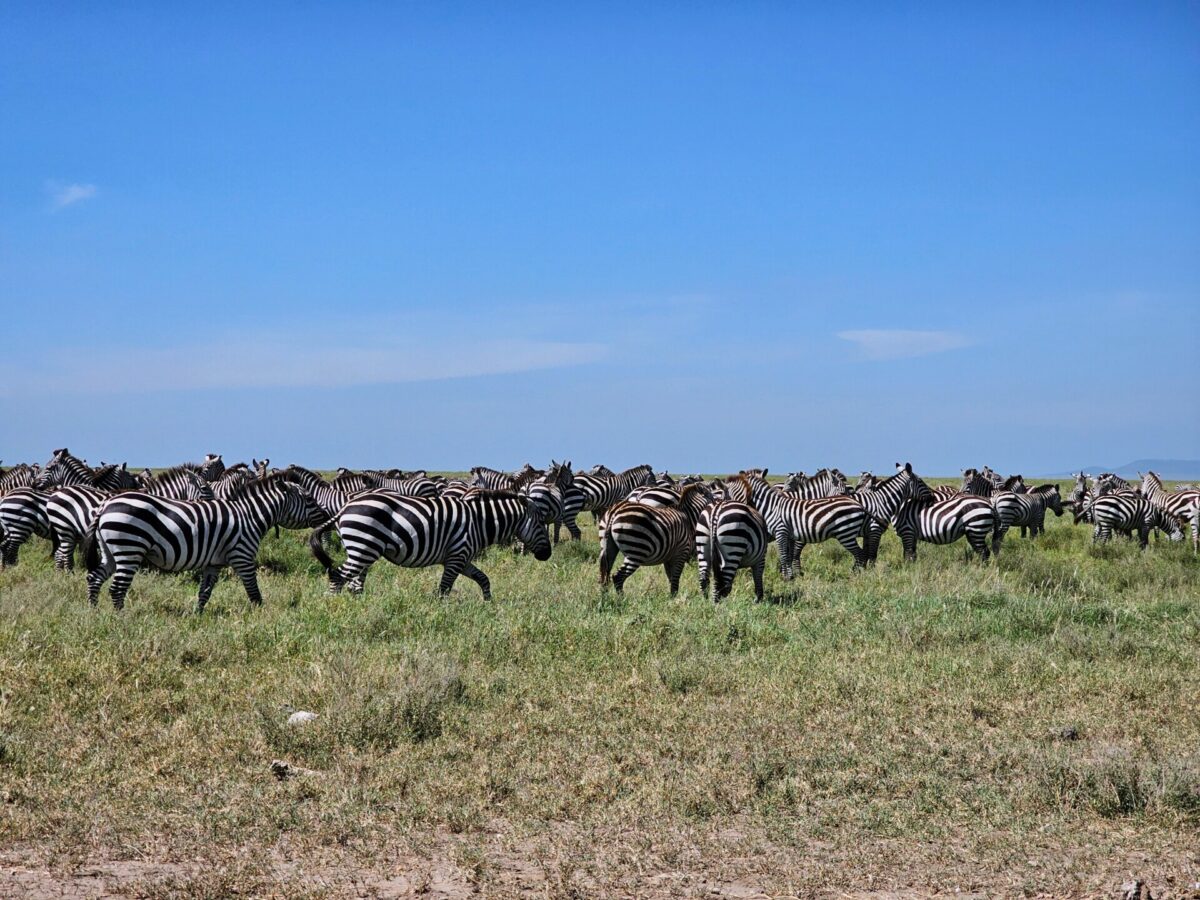
The Great Migration is one of nature’s most dramatic spectacles. Each year, over two million animals traverse the Serengeti and Maasai Mara ecosystems in a circular route driven by seasonal rains and the availability of food. Wildebeests lead this epic journey, followed closely by zebras and gazelles, creating a spectacle of movement, survival, and raw beauty.
This natural event is not just about movement—it’s a life-and-death struggle. Along the way, predators such as lions, leopards, cheetahs, and crocodiles await, making the migration a theater of survival that captivates travelers and photographers from around the world.
Why Does the Great Migration Happen?
The migration is driven by the cycle of rain and the resulting growth of fresh grass. As the dry season sets in, animals leave the southern Serengeti plains, moving toward the north where water and food are more abundant. This journey ensures their survival and supports the Serengeti’s ecosystem, as grazing and migration play a crucial role in maintaining the balance of the region’s flora and fauna.
When Is the Best Time to See the Great Migration?
The Great Migration is a year-round phenomenon, but the most dramatic moments occur during specific months:
- Calving Season (January–March): The southern plains are teeming with life as wildebeests give birth to thousands of calves daily. Predators are particularly active during this period.
- Grumeti River Crossings (May–June): Animals gather to cross the crocodile-infested Grumeti River, offering thrilling and nail-biting moments.
- Mara River Crossings (July–September): The northern Serengeti witnesses the perilous crossing of the Mara River, one of the most iconic sights of the migration.
- Return to the South (October–December): The herds head back to the southern Serengeti as the rains return, completing their cycle.
Wildlife and the Big Five in the Serengeti
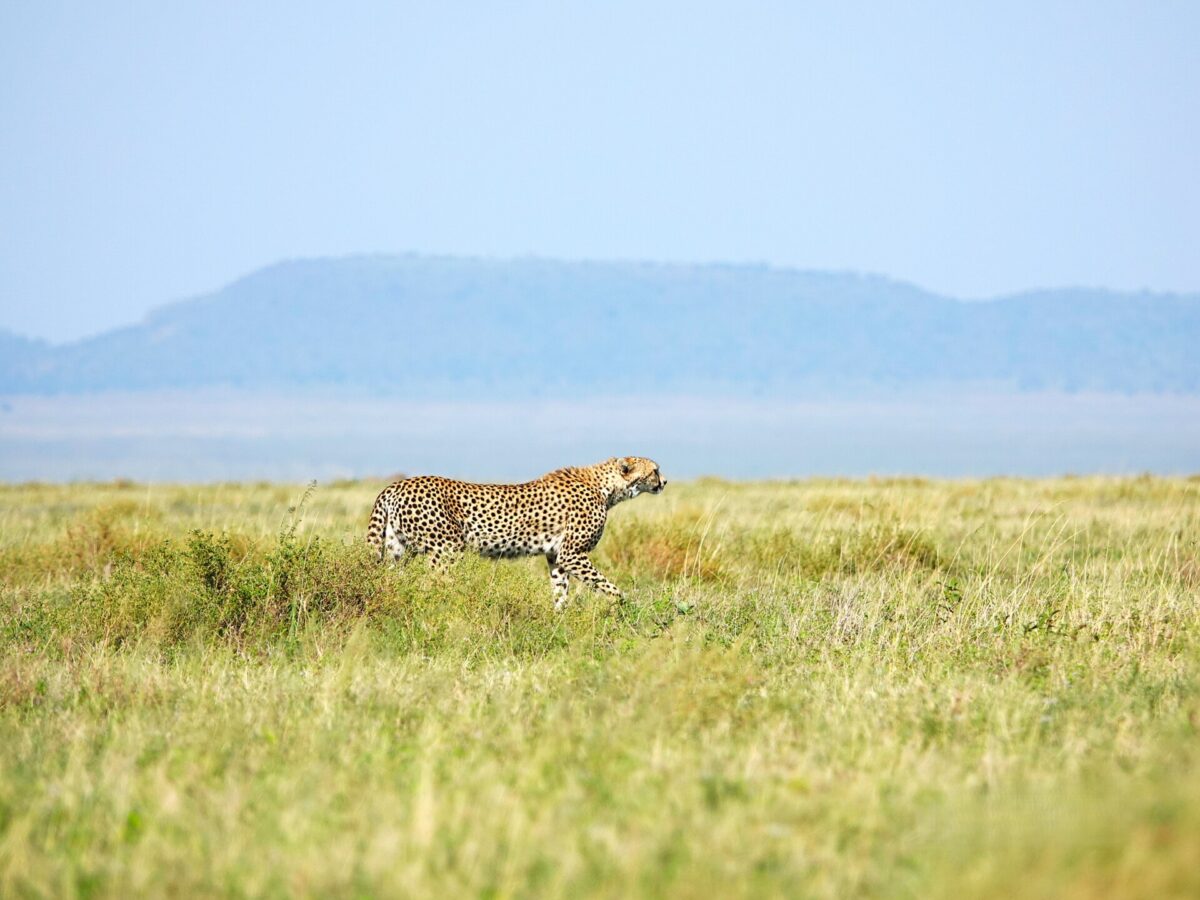
The Serengeti is a haven for wildlife enthusiasts. In addition to the migrating herds, visitors can encounter Tanzania’s famed Big Five—lions, elephants, leopards, buffaloes, and rhinos. The park also boasts an incredible variety of other species, from cheetahs and hyenas to giraffes, hippos, and over 500 species of birds. The abundance of wildlife makes the Serengeti a dream destination for anyone seeking an unforgettable safari experience.
Other Activities at the Serengeti
While the Great Migration is a major draw, the Serengeti offers many other activities to enrich your journey:
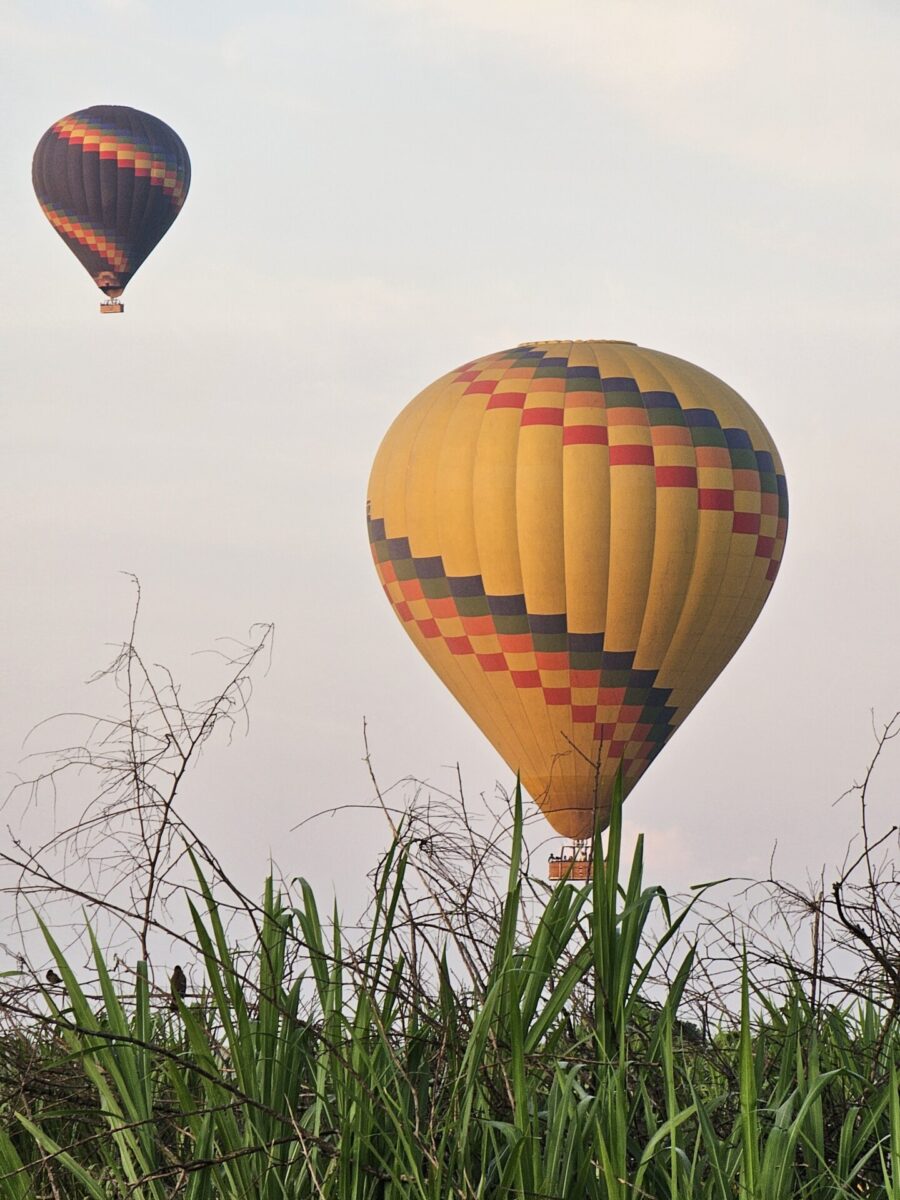
- Hot Air Balloon Safaris: Witness the vast plains and herds from above during a sunrise balloon ride.
- Game Drives: Explore the park’s diverse ecosystems and spot wildlife at any time of year.
- Cultural Tours: Visit nearby Maasai villages to learn about their way of life and traditions.
- Photography Safaris: Capture stunning landscapes and wildlife with expert guides.
For those looking to extend their adventure, the Serengeti’s location offers access to other nearby attractions, such as the Ngorongoro Crater and Lake Victoria.