Zanzibar
The Enchanting Spice Island
Zanzibar City: Overview
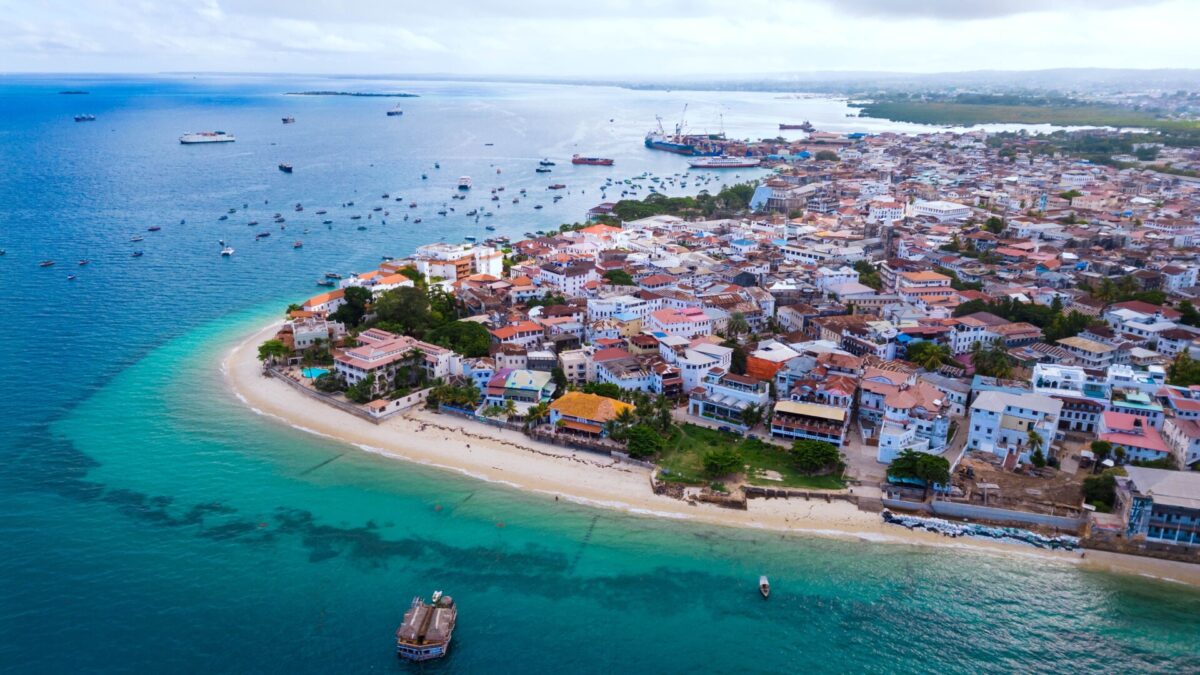
Zanzibar City, also known as Stone Town, is the historical heart of Zanzibar Archipelago. Located on the western coast of Unguja Island, the city is a UNESCO World Heritage site, famous for its narrow streets, historic buildings, and the fusion of African, Arab, Indian, and European influences. Zanzibar City offers a fascinating blend of cultural heritage, traditional architecture, and a relaxed atmosphere that attracts visitors from around the world.
Stone Town is the cultural and political hub of Zanzibar, housing key landmarks such as the House of Wonders, Sultan’s Palace, and the Old Fort. The city has long been a melting pot of different cultures, with Arab traders, Portuguese colonizers, and Indian merchants all contributing to its diverse identity. The streets are filled with bustling markets, spice shops, and street food stalls, giving visitors a taste of the island’s rich history and vibrant present.
Surroundings and Nearby Natural Areas
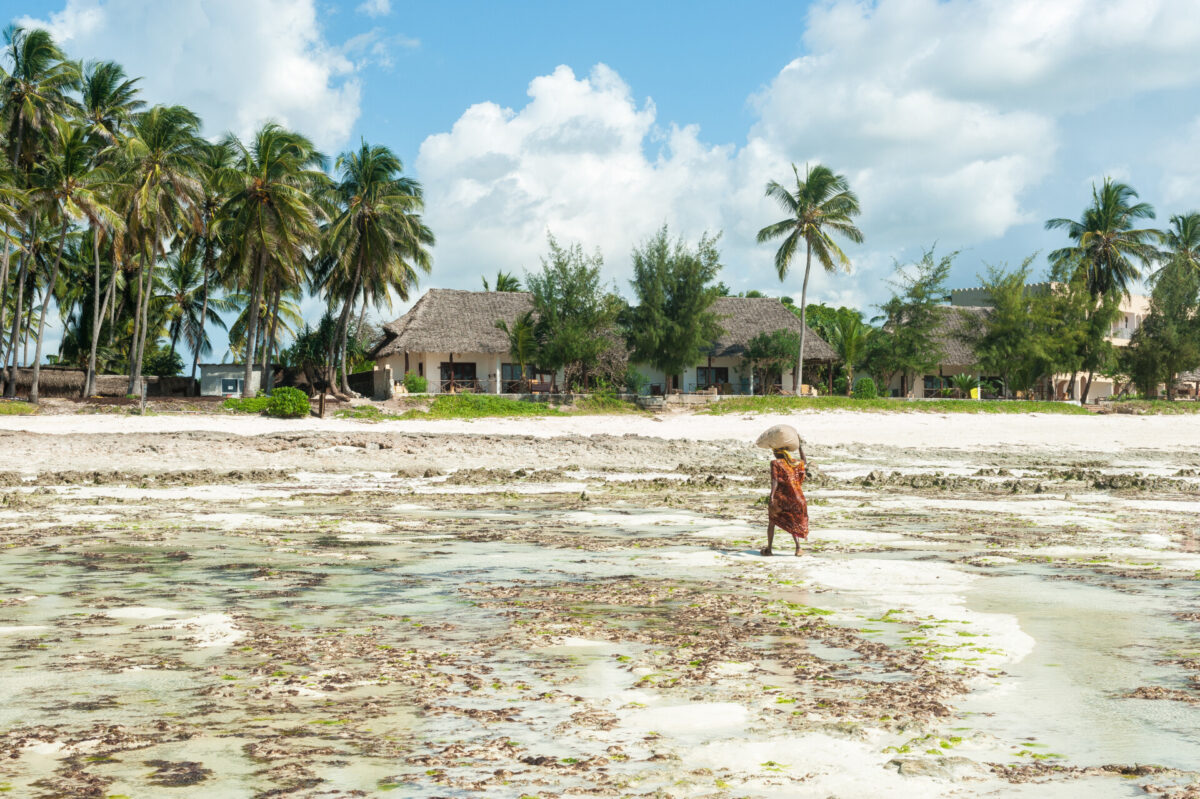
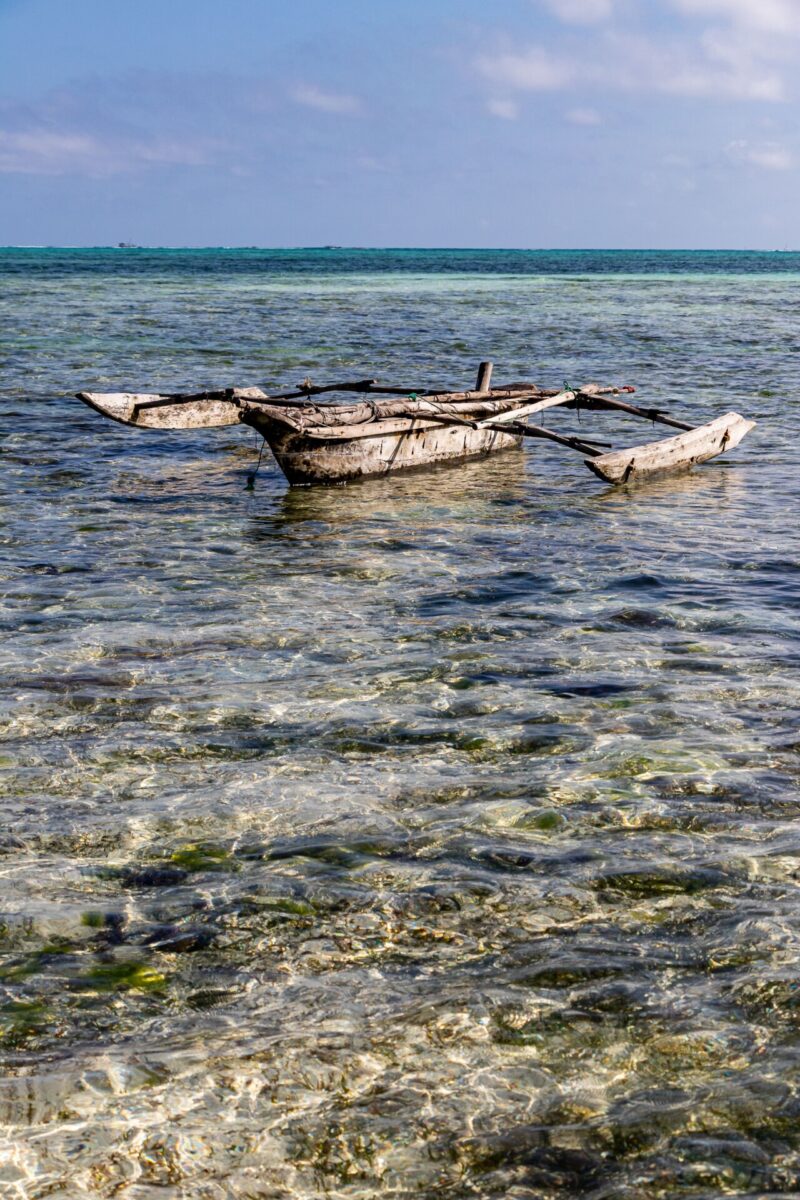
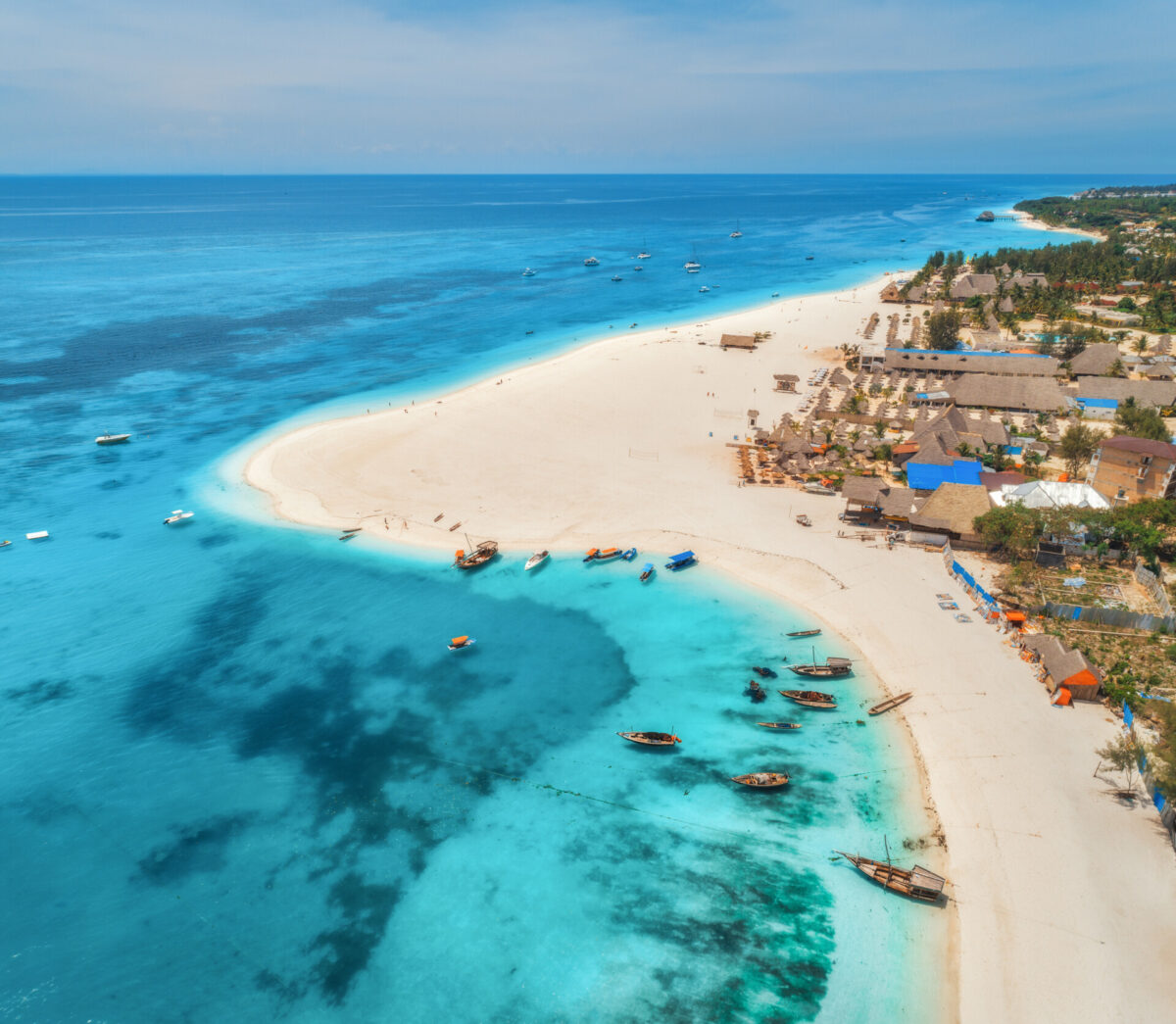
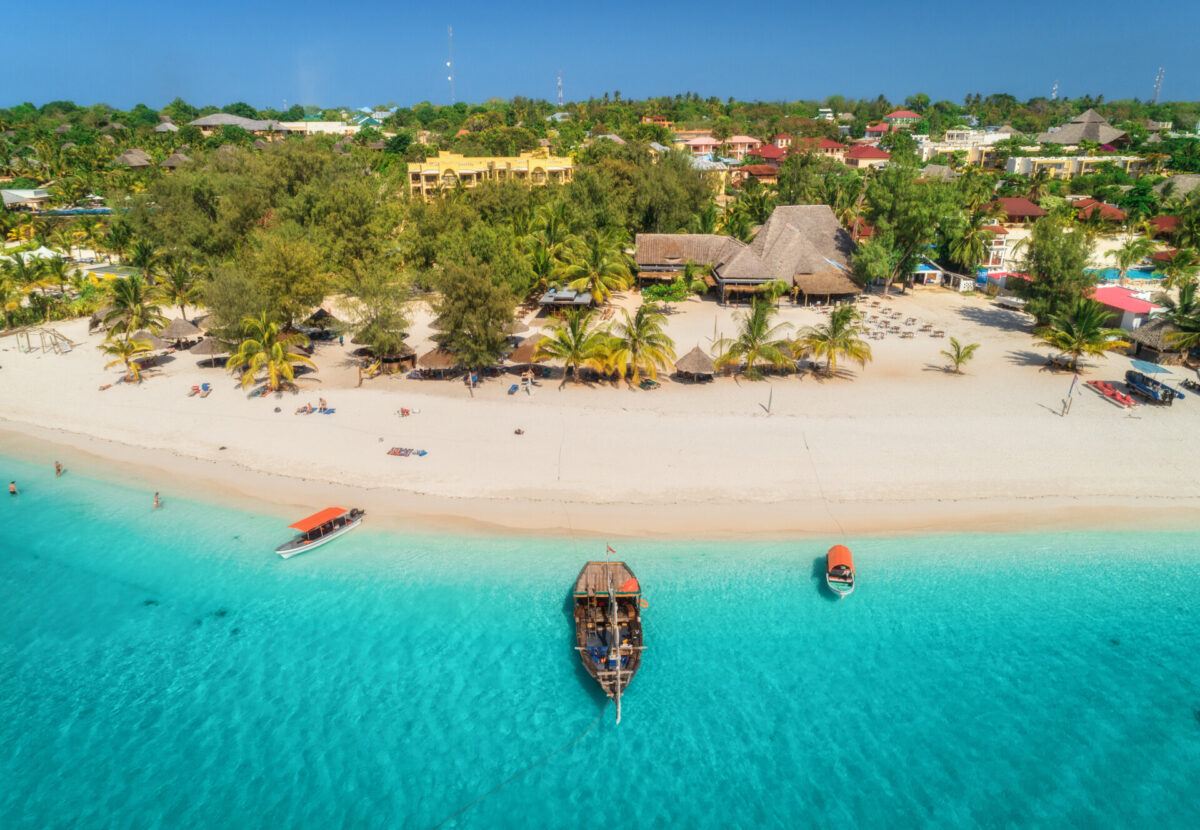
Zanzibar is known not only for its historic city but also for its stunning natural beauty. The island is surrounded by crystal-clear turquoise waters, white sandy beaches, and coral reefs, making it a paradise for beach lovers and nature enthusiasts. There are also a few protected nature reserves and marine parks that highlight Zanzibar’s diverse ecosystems.
- Jozani Chwaka Bay National Park: Located about 35 kilometers southeast of Stone Town, this lush forest is home to the famous Red Colobus monkeys, an endangered species that can only be found in Zanzibar. The park is also a great place for birdwatching and exploring the island’s indigenous flora.
- Mnemba Island: A small island off the northeastern coast of Zanzibar, Mnemba is a popular diving and snorkeling destination, known for its stunning coral reefs, sea turtles, and abundant marine life.
- Zanzibar’s Coral Reefs: Zanzibar’s coastline is dotted with vibrant coral reefs, perfect for diving and snorkeling. The reefs are home to a wide variety of marine species, including colorful fish, dolphins, and sea turtles.
- Chumbe Island: This protected marine reserve is a must-visit for eco-tourists. Known for its coral gardens and vibrant marine life, Chumbe Island offers pristine beaches and sustainable tourism experiences.
Culture and People of Zanzibar
Zanzibar’s culture is a rich tapestry of influences from Africa, Arabia, India, and Europe. The island’s history as a hub for the spice trade and the slave trade has left a lasting impact on its cultural and religious practices.
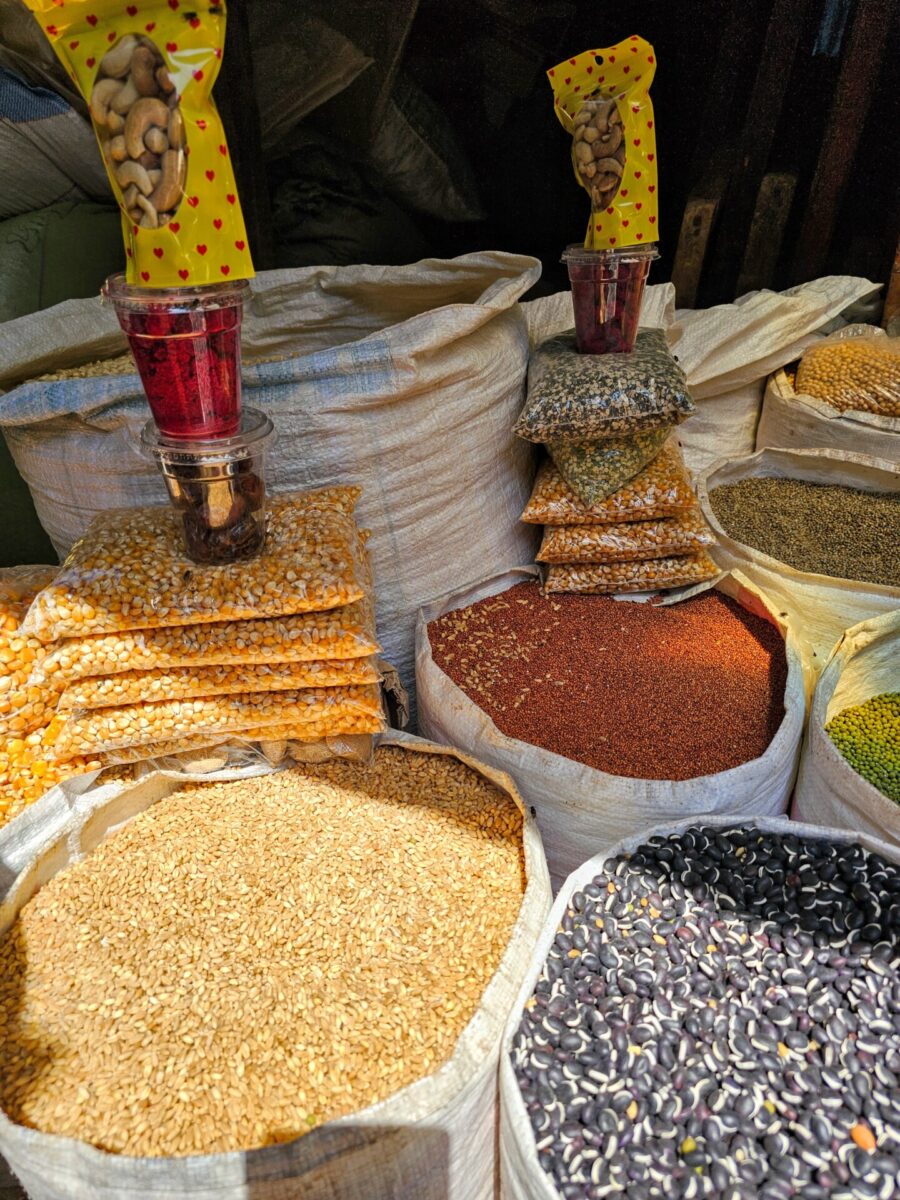
- Spice and Trade Influence: Zanzibar has long been known as the “Spice Island” due to its production of cloves, nutmeg, cardamom, and other spices. The spice plantations on the island provide insight into Zanzibar’s agricultural traditions and global trade connections.
- Religion: The majority of the population in Zanzibar is Muslim, and this is reflected in the island’s vibrant religious festivals and beautiful mosques. The Zanzibar International Film Festival and the Zanzibar Festival of Arts celebrate the island’s Islamic and Swahili heritage.
- Languages: Swahili is the primary language spoken on the island, with Arabic also widely used, particularly in religious contexts. Many locals also speak English, particularly in tourist areas.
- Architecture and Crafts: Zanzibar’s architecture reflects its cultural diversity, with intricately carved doors, Swahili-style houses, and Arab-inspired mosques. Visitors can explore Stone Town‘s labyrinthine streets, where artisans still create handwoven textiles, beaded jewelry, and wood carvings that reflect the island’s unique blend of influences.
A Glimpse into
Zanzibar Rich History
Zanzibar ……
Activities and Landmarks in Zanzibar
Zanzibar offers a wide variety of activities for visitors, from exploring the ancient streets of Stone Town to enjoying the island’s stunning beaches and vibrant marine life.
Stone Town Walking Tour
The best way to experience the history and culture of Zanzibar City is to wander through the maze of narrow streets in Stone Town. Key landmarks include the House of Wonders, Sultan’s Palace, Old Fort, and The People’s Palace.
Spice Tours
Zanzibar’s fame as the “Spice Island” means a visit to one of the many spice plantations is a must. On a spice tour, visitors can learn about the island’s spice trade and see the cultivation of cloves, nutmeg, cinnamon, and vanilla.
Beach Relaxation and Watersports
Zanzibar is renowned for its pristine beaches, including Nungwi Beach and Kendwa Beach in the north, and Paje Beach in the east. Visitors can enjoy swimming, sunbathing, kayaking, and kite surfing.
Diving and Snorkeling
Zanzibar’s coral reefs offer some of the best diving and snorkeling experiences in East Africa. Popular dive spots include Mnemba Atoll, Kizimkazi, and Tumbatu Island, where you can see colorful fish, turtles, and dolphins.
Prison Island
A short boat ride from Stone Town, Prison Island is home to a colony of giant tortoises. The island also offers beautiful snorkeling opportunities and a glimpse into Zanzibar’s past, with its historical prison and quarantine station.
Dhow Cruises
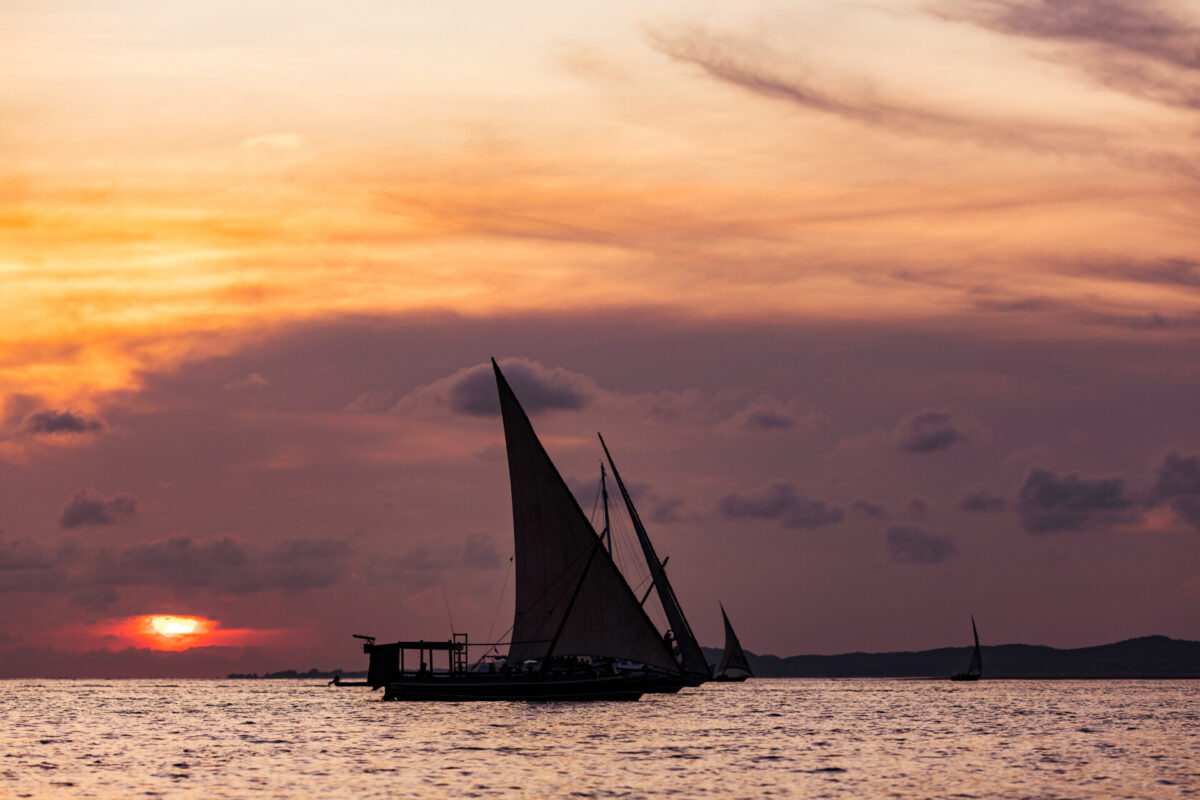
For a more romantic experience, take a traditional dhow boat cruise along Zanzibar’s coast to watch the sunset. You can enjoy fresh seafood and the island’s stunning coastline while cruising in one of these historic wooden sailing vessels.
Wildlife in Zanzibar
While Zanzibar is most famous for its cultural landmarks and pristine beaches, the island also has a rich array of wildlife, both on land and in the surrounding seas.
- Red Colobus Monkeys: Zanzibar’s Jozani Chwaka Bay National Park is home to the endemic Zanzibar Red Colobus monkeys, which are only found on the island. The park also features various bird species, as well as other wildlife like duikers (small antelopes) and sifakas (a type of lemur).
- Marine Life: Zanzibar’s waters are teeming with life, including sea turtles, dolphins, and various species of colorful fish. The island’s marine reserves, such as Chumbe Island and Mnemba Island, are fantastic places to explore these underwater ecosystems.
- Birdwatching: Zanzibar is also a great destination for birdwatchers, with numerous species including the Zanzibar red bishop and the white-cheeked hornbill. The island’s wetlands, such as those around Maweni Wetlands and the Wami River, attract a wide variety of migratory birds.
Why Visit Zanzibar?
Zanzibar offers an unparalleled combination of rich history, vibrant culture, stunning natural beauty, and exciting activities. Whether you’re exploring the historical streets of Stone Town, lounging on pristine beaches, or diving in the crystal-clear waters, the island is a perfect destination for both relaxation and adventure.
The island’s spice plantations, marine life, and wildlife make it an ideal spot for nature lovers, while its historic significance and cultural festivals appeal to those seeking deeper connections with local traditions and history.
Zanzibar truly lives up to its reputation as an enchanting destination — a place where history, culture, and nature all come together to create an unforgettable experience.