Canoeing
Canoeing
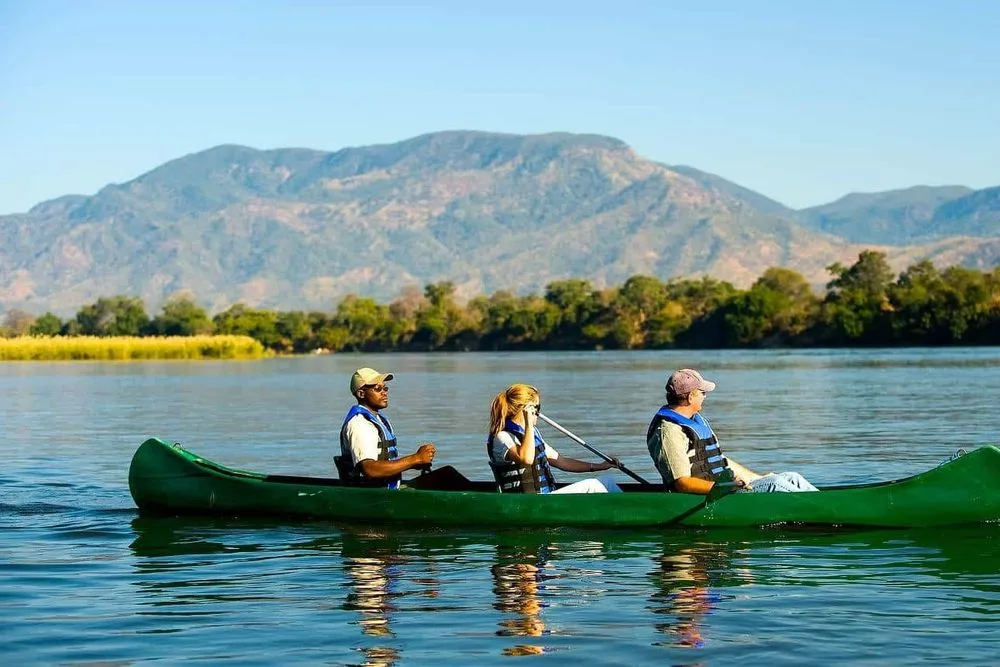
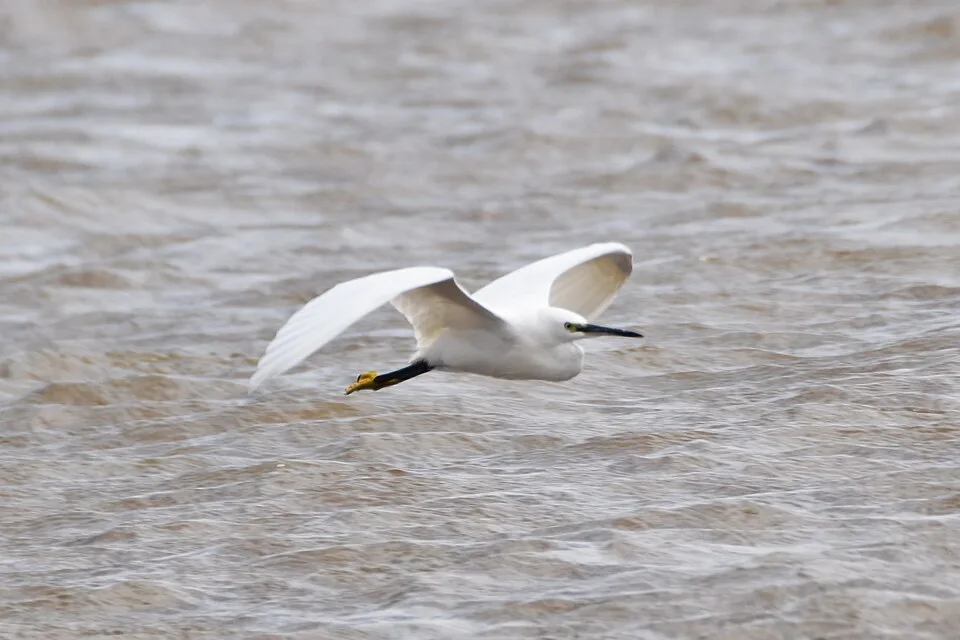
Canoeing places you directly inside the wetland environment. Instead of looking towards a lake from a road or viewpoint, you move across the water itself, much closer to the level where birds feed, plants meet the shoreline and animals approach the water’s edge. That lower position changes what attracts your attention. Ripples, calls from reeds, birds moving between feeding areas and tracks along exposed shorelines can become much easier to notice. Your guide can help you recognise how water depth, vegetation and the shape of the shore influence where different species are found. There is also no vehicle window or engine between you and the surroundings. Paddling requires attention to the water and what is happening immediately around you, making the lake itself the centre of the experience rather than simply part of the scenery.
Best for:
- Travellers who enjoy active nature experiences
- Birdwatchers interested in wetland and waterbird habitats
- Couples and families comfortable spending time on the water
- Travellers who want an activity outside the safari vehicle
- Visitors spending time in or around Arusha National Park


Where to experience

What changes when you leave the road
A game drive naturally directs your attention across the landscape. From a canoe, the scale becomes smaller. You begin to notice where vegetation reaches into the water, where birds prefer to feed and how the shoreline changes from one section of the lake to another. Movement that might disappear into the background from a vehicle can become the focus when you are sitting close to the surface. The water itself also tells you something about the landscape. The Momella Lakes form part of a park shaped by Mount Meru, volcanic features, drainage and differences in elevation. Understanding the lakes therefore also helps explain why Arusha National Park contains such varied habitats within a relatively small area. A canoeing experience works best when you are interested in those details. It is not about covering distance or searching for the largest animal. It is about spending part of the day inside a habitat that is usually observed from its edge.
Start shaping your Tanzania journey