The Lamai Approach
How two journeys can feel so different
Two journeys can visit the same parks, stay for the same number of nights and use a similar level of accommodation, yet feel completely different. Much of that difference comes from the decisions made along the way. At Lamai, we design and conduct safari with judgement. That means thinking carefully about the route before you arrive, reading what is happening in the field and explaining why we sometimes choose to move, wait or leave something alone. The aim is not simply to collect as many sightings as possible. It is to use the time well, make better decisions and give meaningful encounters the space and context they deserve.
Before the safari starts
Good guiding needs a journey that allows good decisions to be made. That starts with the itinerary. A beautiful itinerary on paper means little if every day forces the guide to rush. We would rather make a clear choice about what belongs in the journey than fill every available hour.
- How much useful time you can actually have at each destination
- Where your accommodation is positioned
- Whether a transfer adds to the journey or simply consumes the day
- Which activities genuinely fit your interests
- Where another night may be more valuable than another destination
- How season and local conditions may influence the route

Reading what is happening in the field
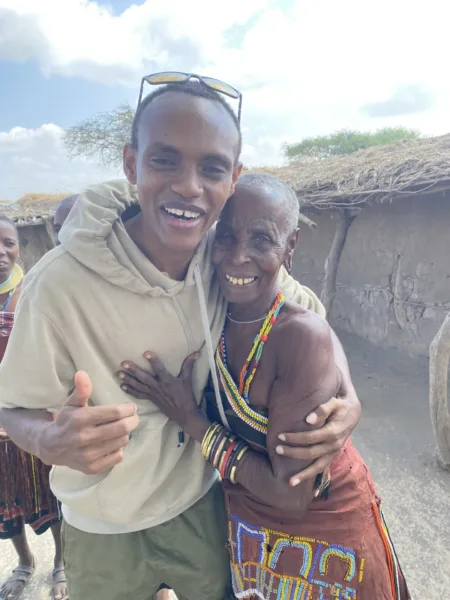
Finding an animal is only one part of guiding. Our guides also pay attention to tracks, alarm calls, weather, water, vegetation, animal behaviour and what is happening around other vehicles.
- Is the animal comfortable?
- Is the position already good?
- Are several vehicles approaching the same sighting?
- Is there value in waiting?
- Is another part of the landscape giving stronger signs?
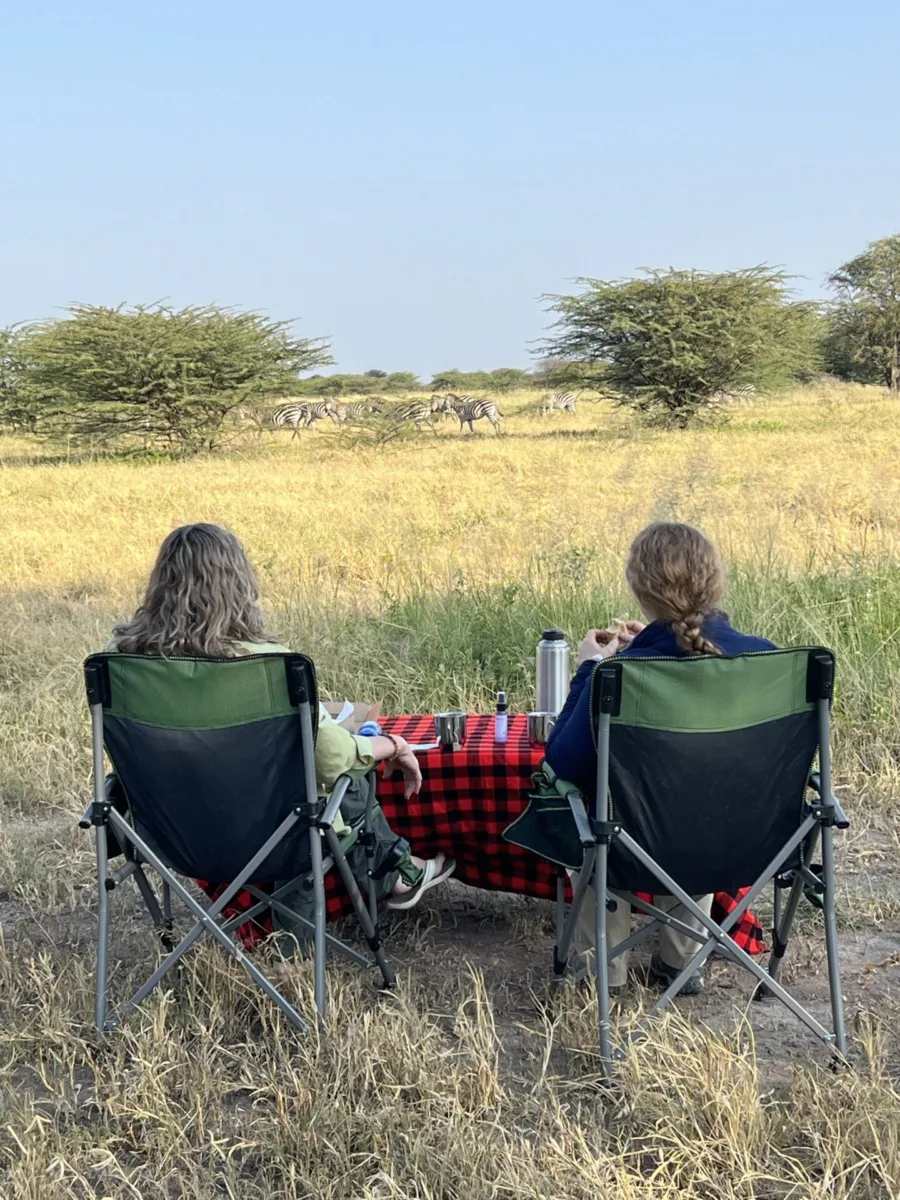
The answer changes from moment to moment. Sometimes moving creates the stronger opportunity. Sometimes it would mean joining a growing cluster of vehicles for only a brief view. And sometimes the strongest decision is simply to switch off the engine and allow the scene already in front of you to develop.

Less chasing, more honest judgement
Not every change in direction creates a better safari. Our guides consider what is already happening, the conditions in the landscape and the pressure around a sighting before deciding whether moving genuinely adds value.
- Timing: Choosing when an area is most worth exploring
- Positioning: Finding a sensible view without repeatedly moving closer
- Patience: Giving behaviour time to unfold
- Route choice: Considering what may be happening beyond the busiest road
- Restraint: Recognising when another approach would add pressure without improving the experience
- Explanation: Helping you understand why your guide is making certain decisions
This does not mean empty parks or private sightings can be promised. It means your guide has the freedom to make an informed decision within the conditions that actually exist.
Safari Etiquette
We keep an appropriate distance and avoid using the vehicle to pressure an animal into moving or changing its behaviour.
Constantly repositioning for a slightly different photograph can disturb wildlife and other guests. If the view is already good, staying in position can often be the better choice.
An animal resting beside the road does not always require another action. Switching off the engine and waiting can reveal behaviour that is easily missed when every sighting becomes a quick stop.
Voices, phones and unnecessary engine noise can change the atmosphere of an encounter. Your guide will advise when extra care is useful.
Road restrictions, protected areas and guide instructions exist for a reason. A photograph is never worth ignoring them.
We respect the places we travel through and avoid leaving litter or unnecessary traces of our visit.
Conditions can change quickly around wildlife. Your guide is responsible for balancing the experience with safety, park regulations and the space animals need.
Understand what you are seeing
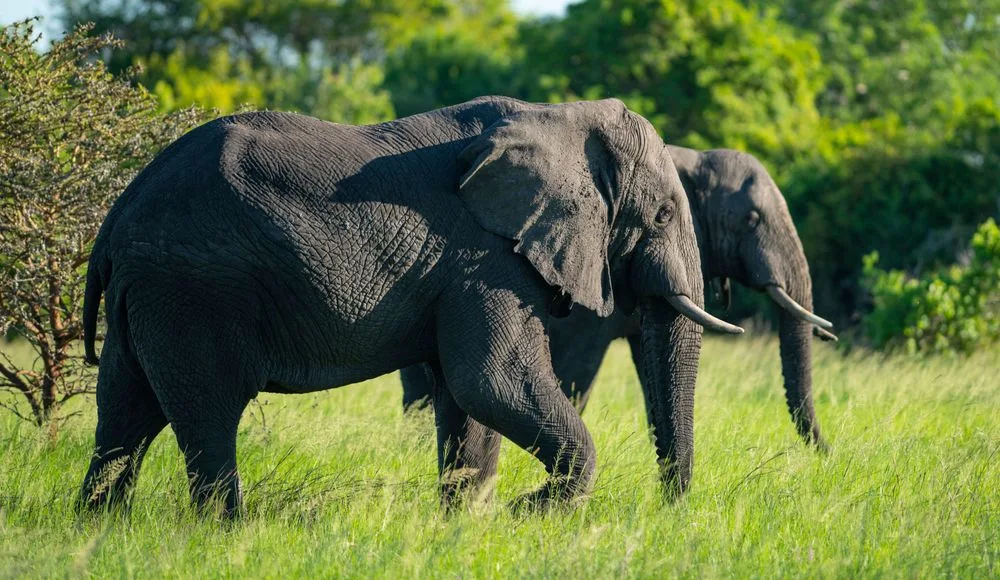
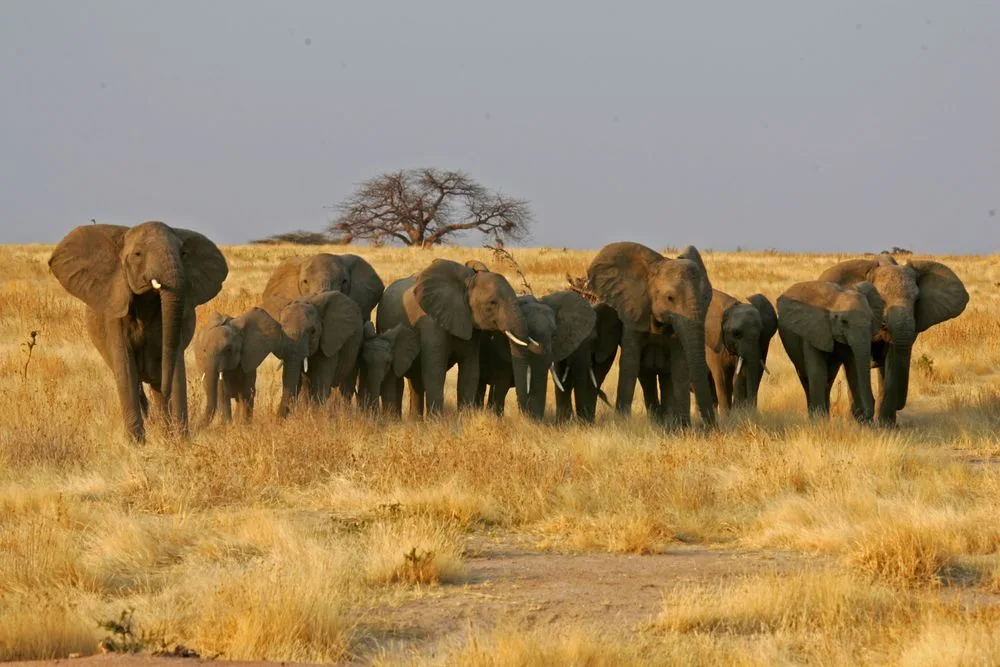
Seeing wildlife matters. Understanding the scene can make it far more memorable. Why is an elephant herd moving towards this part of the landscape? Why are birds suddenly calling? Why does a predator choose one position over another? Why does water become more important at this point in the season? These questions connect the animal in front of you to a much larger system. That is what we want guiding to add: not a constant stream of facts, but enough context for the landscape to begin making sense.
What this means for your safari journey
One day may be filled with wildlife encounters. Another may reward patience, a different route or more attention to the smaller signs around you. What remains consistent is the way we make those decisions. We create the conditions for good guiding before the safari begins, give our guides room to use their experience in the field and explain the choices that shape your day. Because the quality of a safari is not only determined by what appears in front of the vehicle. It is also determined by what happens next.