
Mikumi National Park
Mikumi National Park
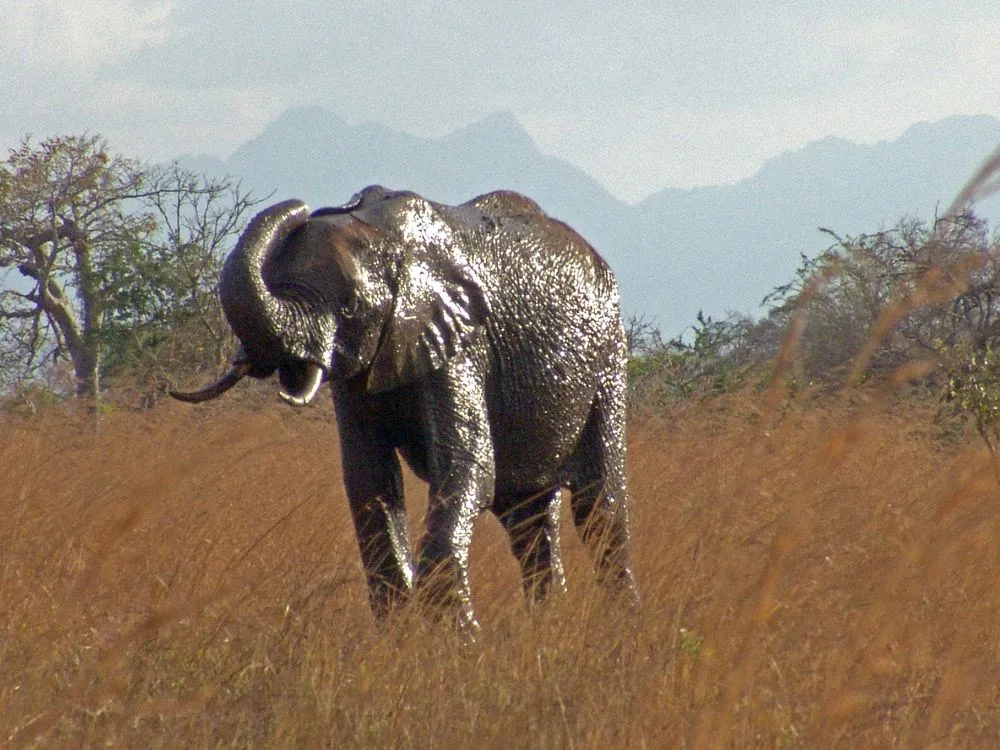
Mikumi offers an accessible introduction to the wildlife and landscapes of Southern Tanzania. Its central floodplain opens beneath distant mountain ranges, creating broad views across grassland, scattered trees and seasonal water. The open terrain can make animal movement easier to follow than in denser woodland. Zebras and impalas graze across the plains, giraffes move between open areas and trees, and elephants travel between water, shade and feeding grounds. Predators are also present, but Mikumi is not simply a park where wildlife appears automatically because the landscape is open. Tracks, alarm calls, vultures and the direction in which herds are looking can all reveal activity beyond the most obvious sighting. Its accessibility from Dar es Salaam makes Mikumi suitable for shorter journeys, but it also has an important role within longer routes through Southern Tanzania.
- An accessible Southern safari
- Wide views across the Mkata Floodplain
- First-time safari travellers
- Families and travellers with limited time
- Visitors exploring Southern Tanzania by road
- Photographers drawn to open landscapes
- Travellers combining safari with hiking or forest
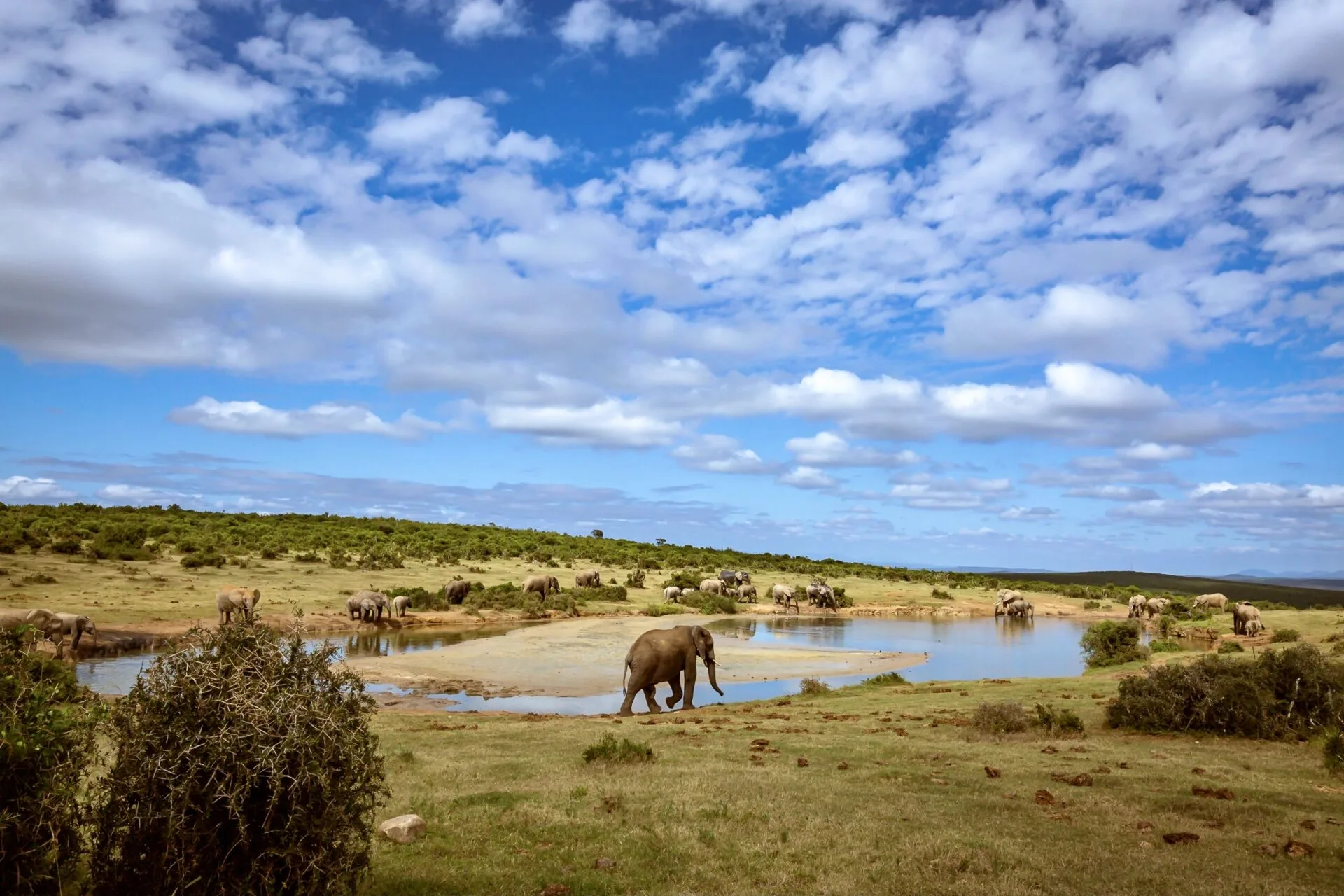
- The Mkata Floodplain creates wide views towards distant mountains
- Open grassland transitions into miombo woodland and lower hills
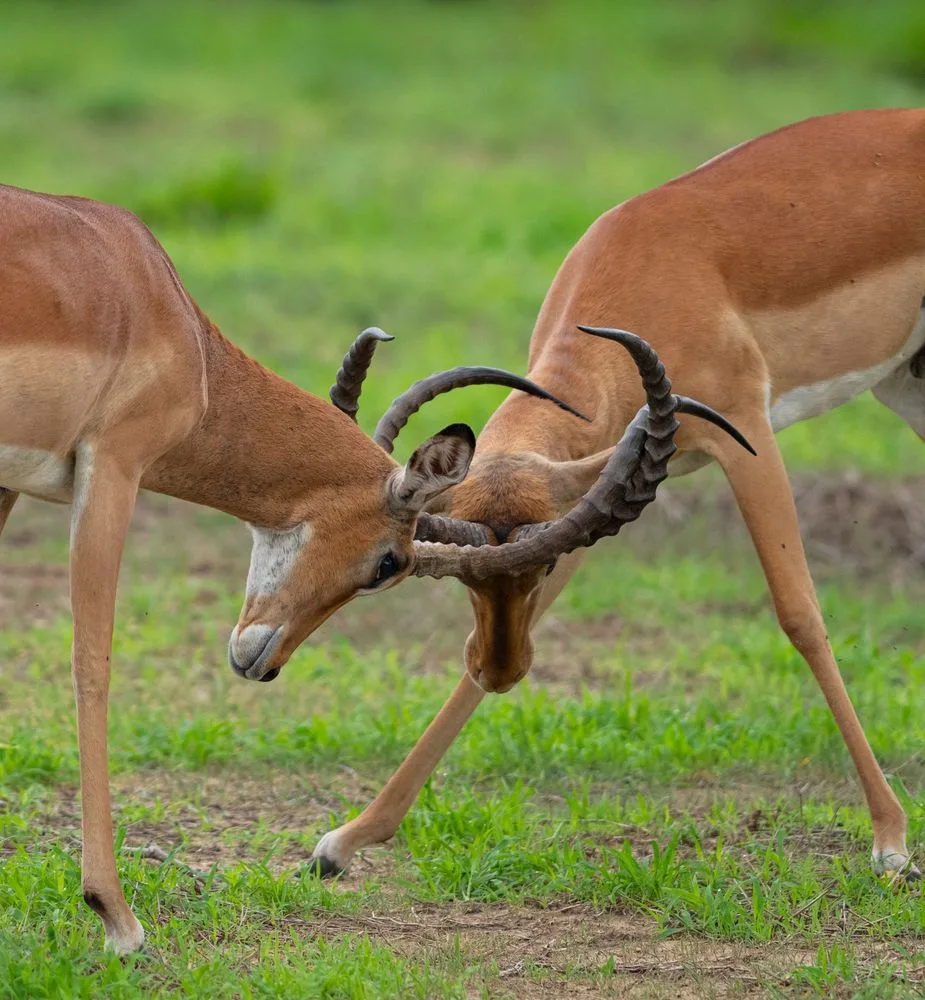
- Wildlife can often be observed across mixed herds
- The park connects naturally with several Southern Circuit destinations
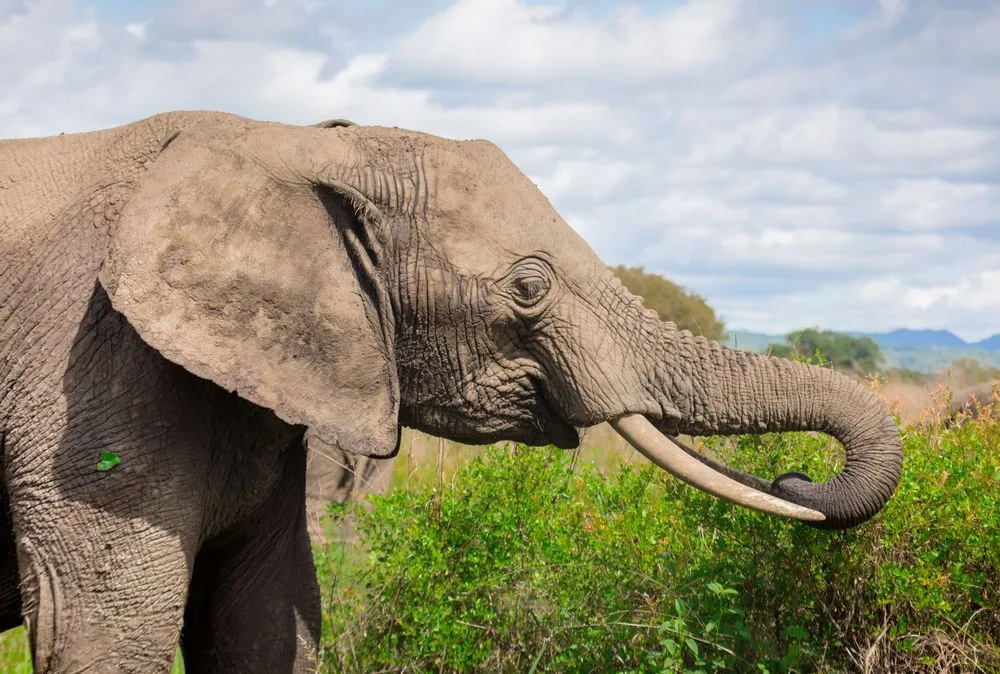
- Popular wildlife: elephants, lions and zebras
A gateway to Southern Tanzania
Mikumi lies west of Dar es Salaam along the main route into central and southern Tanzania. This position makes it one of the region’s more accessible wildlife destinations. The park can be reached by road or domestic flight and connects naturally with Udzungwa Mountains, Ruaha, Nyerere and the Southern Highlands.
- Accessible from Dar es Salaam
- Part of Tanzania’s Southern Circuit
- Suitable for road-based itineraries
- Strong contrast with nearby mountain forest
The Mkata floodplain
The Mkata Floodplain forms Mikumi’s visual centre. Seasonal water and changing vegetation influence where animals feed, rest and move through the open landscape. Zebras, wildebeest, impalas and buffalo may gather across the grassland. Giraffes move between the plains and woodland, while elephants use a broader range of habitats throughout the park. Predators follow the movement of prey, but their presence is often first revealed indirectly. A sudden change in the behaviour of herbivores or the activity of vultures can be as informative as a direct sighting. Towards the edges of the floodplain, open grassland gives way to miombo woodland and lower hills. This transition creates feeding, shelter and breeding environments that differ from the central plains.

Read the landscape before moving on
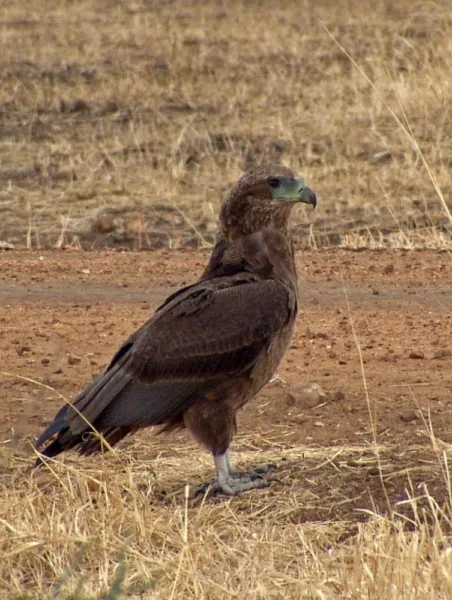
Mikumi’s open views can encourage a fast style of game viewing. Animals may be visible from a distance, making it tempting to photograph them briefly before continuing. Lamai gives behaviour more time. Watching a herd change direction, react to sound or reorganise around younger animals may reveal more than quickly collecting several species. The guide also draws attention to what lies between major encounters: tracks crossing the road, birds responding to movement, changes in vegetation and signs around seasonal water. This approach prevents accessibility from turning into superficiality. Mikumi may be easier to reach than many southern parks, but it still deserves attentive observation.
Activities in Mikumi National Park
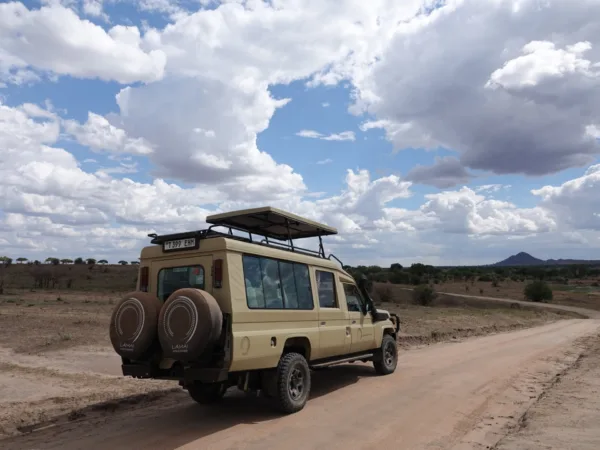
Game drive
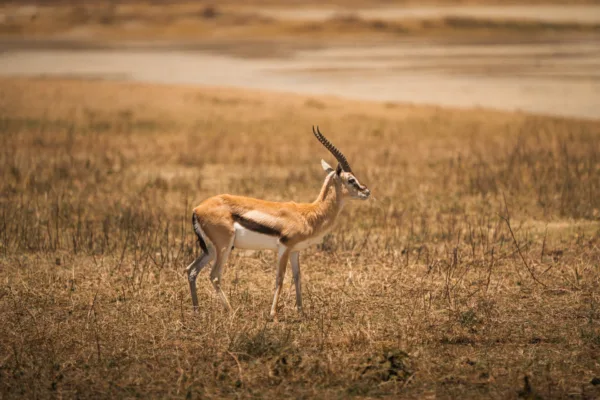
Walking safari
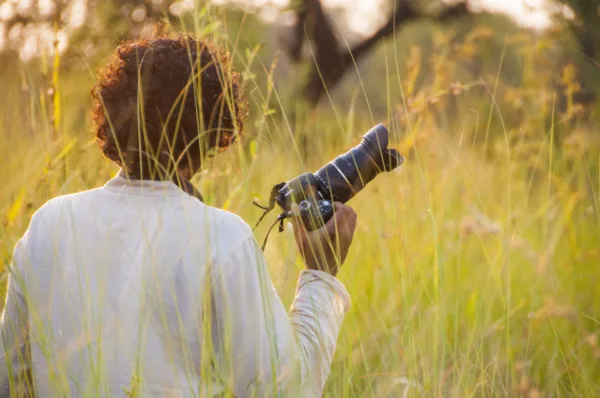
Photography
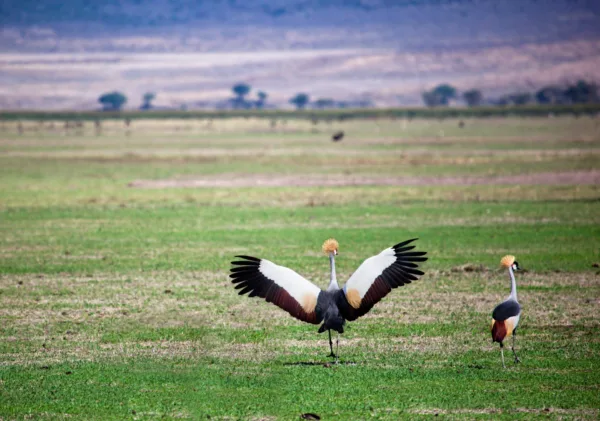
Birdwatching
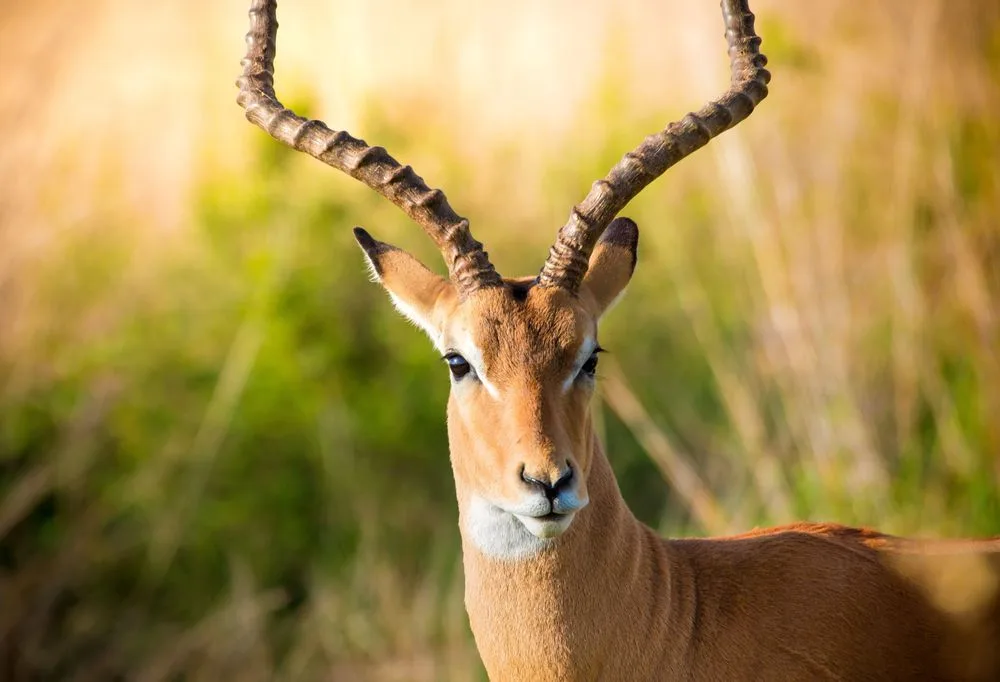
Looking beyond the convenience
Mikumi can provide a first safari experience soon after leaving Dar es Salaam. Its relative accessibility makes it practical for travellers with limited time or those who prefer to avoid several light-aircraft connections. One or two nights may be enough for a shorter journey. A longer stay creates more freedom to explore beyond the most frequently used roads and to adjust game drives around recent wildlife activity. The park combines particularly well with Udzungwa Mountains National Park. Mikumi contributes open-country wildlife viewing, while Udzungwa shifts the journey towards rainforest, hiking, primates and waterfalls. It can also form the beginning or end of a longer Southern Circuit route involving Ruaha or Nyerere. In that context, Mikumi offers a useful transition rather than competing with the scale or remoteness of those parks. Accommodation may be located inside or outside the park. The right choice depends on driving time, onward travel and whether Mikumi is the main destination or one stage in a broader route.

Start shaping your Tanzania journey
Frequently asked questions
Yes. Its open terrain can make wildlife and animal behaviour relatively easy to observe, while access from Dar es Salaam works well for shorter itineraries.
The park supports elephants, giraffes, buffalo, zebras, wildebeest, impalas and several predators. Hippos and crocodiles may be found around suitable water sources.
It is Mikumi’s best-known landscape: an open area of grassland, scattered trees and seasonal water that supports mixed herds and the predators that follow them.
Yes. The open plains, distant mountains and mixed wildlife create strong landscape and animal photography opportunities.
One or two nights can work for a shorter visit. Additional time allows exploration beyond the most accessible routes and creates more flexibility around wildlife movement.
Yes. Its road access from Dar es Salaam is one of the reasons it works well within a land-based Southern Tanzania itinerary.
Udzungwa provides the strongest immediate contrast, replacing game drives with forest walking, waterfalls and mountain biodiversity. Ruaha and Nyerere also fit into longer routes.
Continue your journey
Saadani National Park
Kilimanjaro National Park
Tarangire National Park