
Zanzibar
Zanzibar
Zanzibar may invite you to slow down, but the island offers far more than a place to rest after safari. On Unguja, the main island commonly called Zanzibar, tidal coastlines and coral environments meet spice-growing areas, forest and the historic streets of Stone Town. The character of a stay depends strongly on location. Some coastal areas offer lively villages, restaurants and easy access to activities. Elsewhere, the daily rhythm is shaped more noticeably by tides, fishing and quieter stretches of shoreline. Stone Town adds another side of the island. Markets, mosques, waterfront buildings and carved doors reflect centuries of movement across the Indian Ocean. Its history connects East Africa with Arab, Indian and European influences, while slavery and colonial power remain part of the story. Zanzibar should therefore not be added automatically as a beach ending. The right journey begins by deciding whether you are most interested in heritage, food, marine life, active days on the water or time without a full programme.
- Stone Town, food and history
- The right coast for your pace
- Travellers combining coast, history and food
- Couples and families looking for varied accommodation
- Visitors interested in Stone Town and Swahili culture
- Travellers who want both active and quieter coastal days
- Those adding an island stay after a mainland safari
- Historic Stone Town forms a living centre of trade, faith and culture
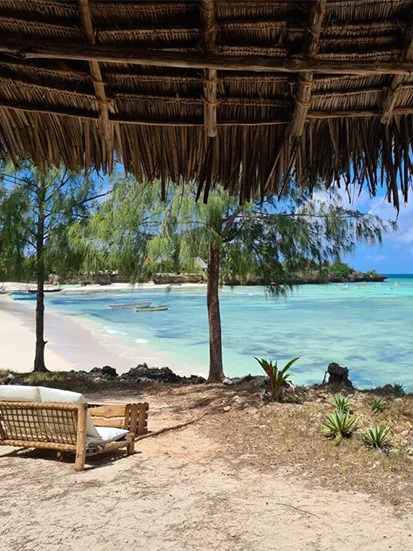
- Different coasts offer distinct tides, atmospheres and activities
- Forest, mangroves, farmland and reefs extend beyond the beaches
- A broad range of experiences suits different travel styles
- Characteristic wildlife: red colobus monkeys, dolphins and sea turtles
An island with more than one coastline
Unguja’s different regions are not interchangeable. The west is closely connected to Stone Town and port activity, while the northern and eastern coasts vary in swimming conditions, tides, development and atmosphere. Location should therefore be chosen before the accommodation. A hotel may be comfortable, but it will not suit the journey when it is far from the experiences you value most.
- Stone Town for history, architecture and food
- Coastal areas with very different tidal patterns
- Forest and mangrove environments inland
- Access by domestic or international flight and ferry
Stone Town; a city full of history
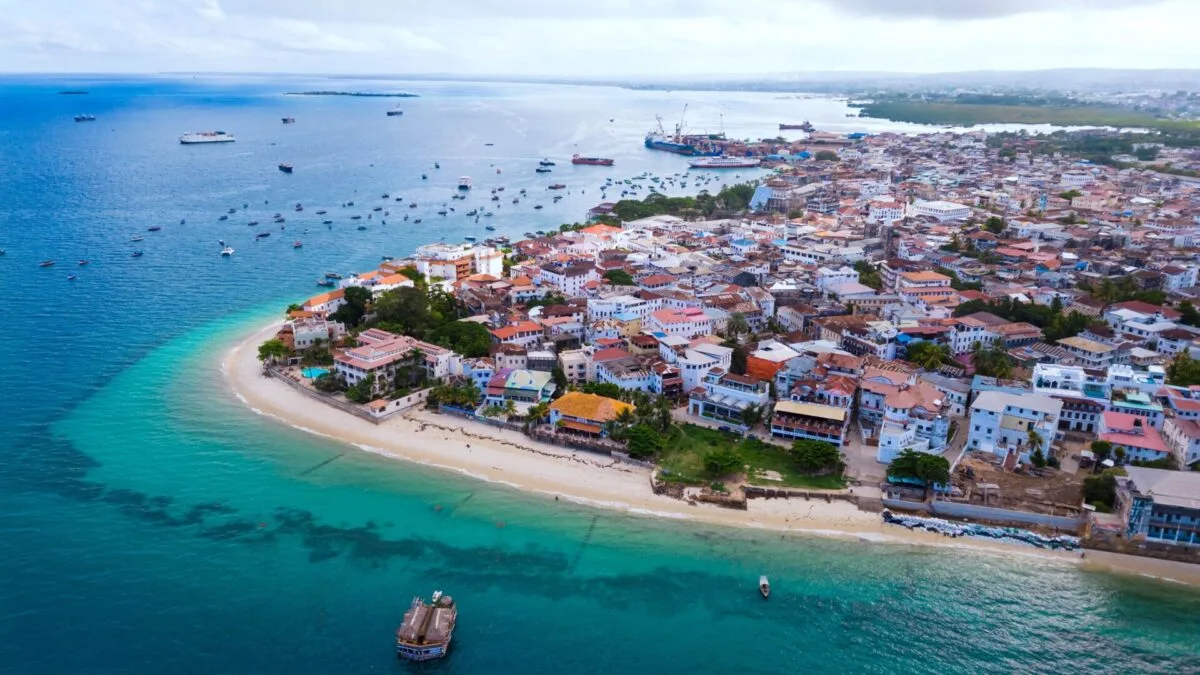
Stone Town’s narrow streets lead between homes, markets, mosques, shops and public buildings. Its architecture reveals centuries of exchange across the Indian Ocean and the development of a distinctly Swahili coastal town. That history includes trade, craftsmanship and cultural exchange, but also slavery and colonial rule. A meaningful visit does not avoid the more difficult parts of the past or reduce the town to carved doors and photogenic alleys. People continue to live, work, trade and worship within the historic centre. Good guidance helps connect architecture with religion, food, music, politics and everyday activity. Spending a night in or near Stone Town can create more time to explore outside the busiest visiting hours. It also prevents the town from becoming a rushed excursion from a distant beach hotel.

The coast changes with the tide
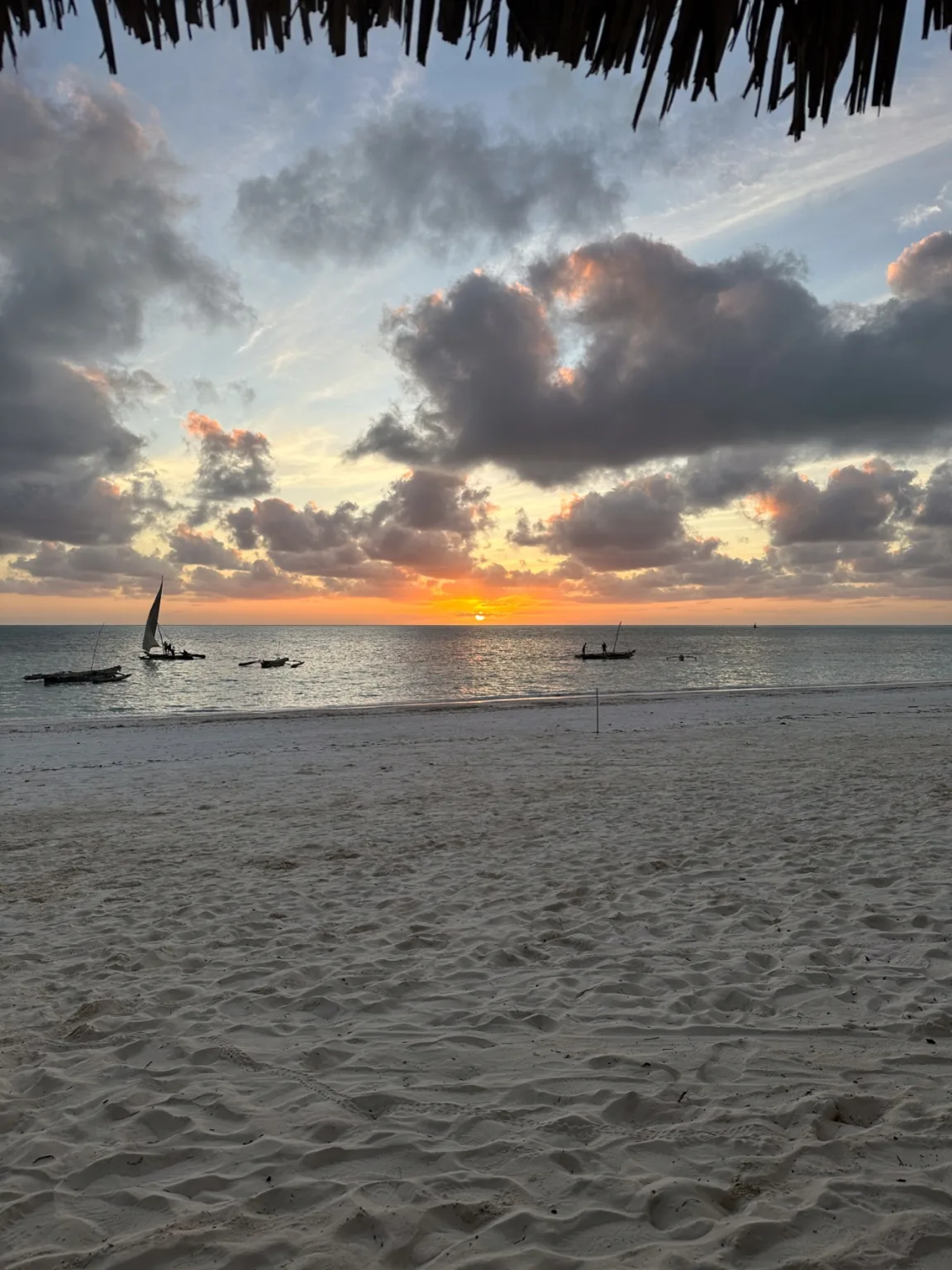
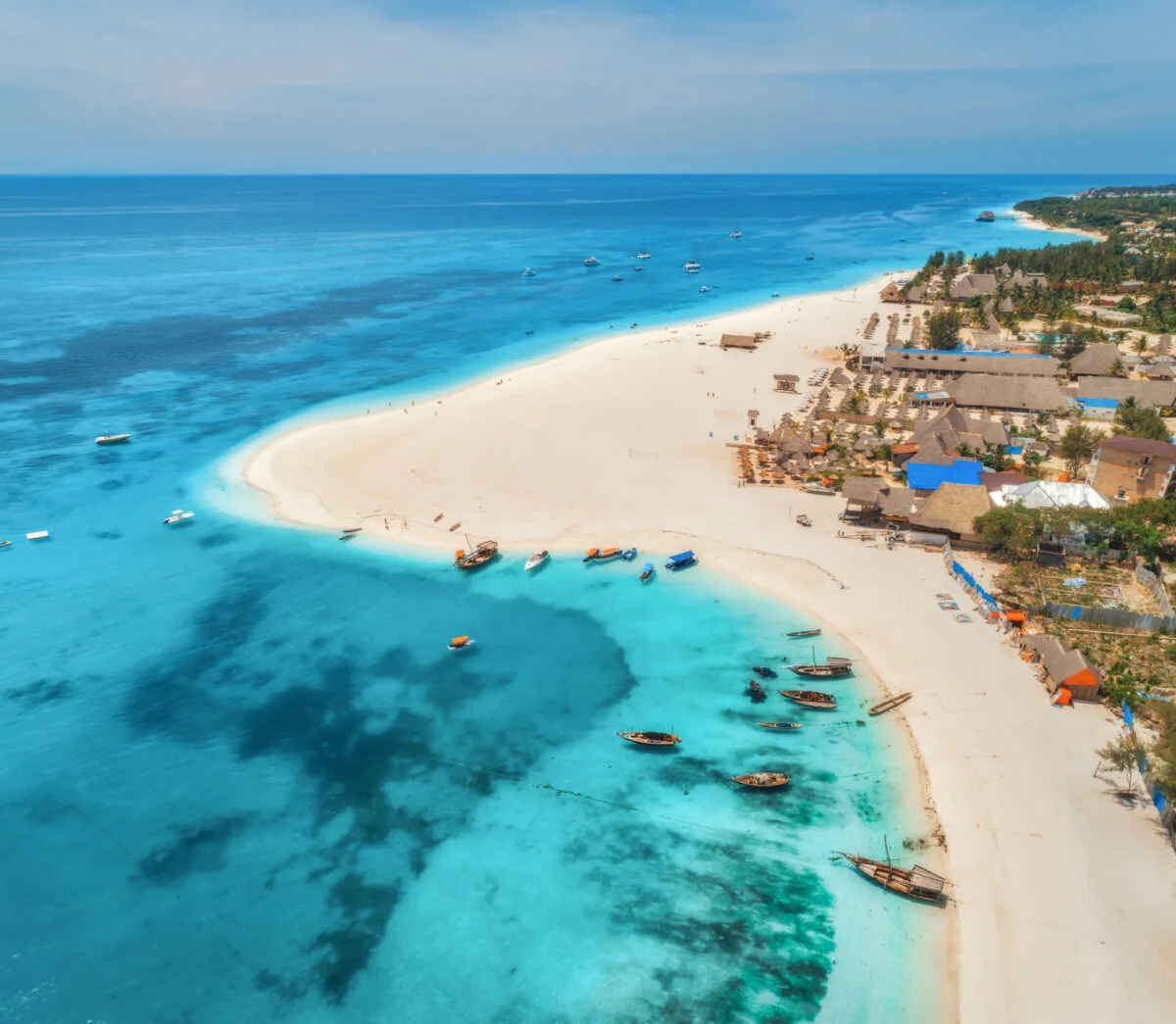
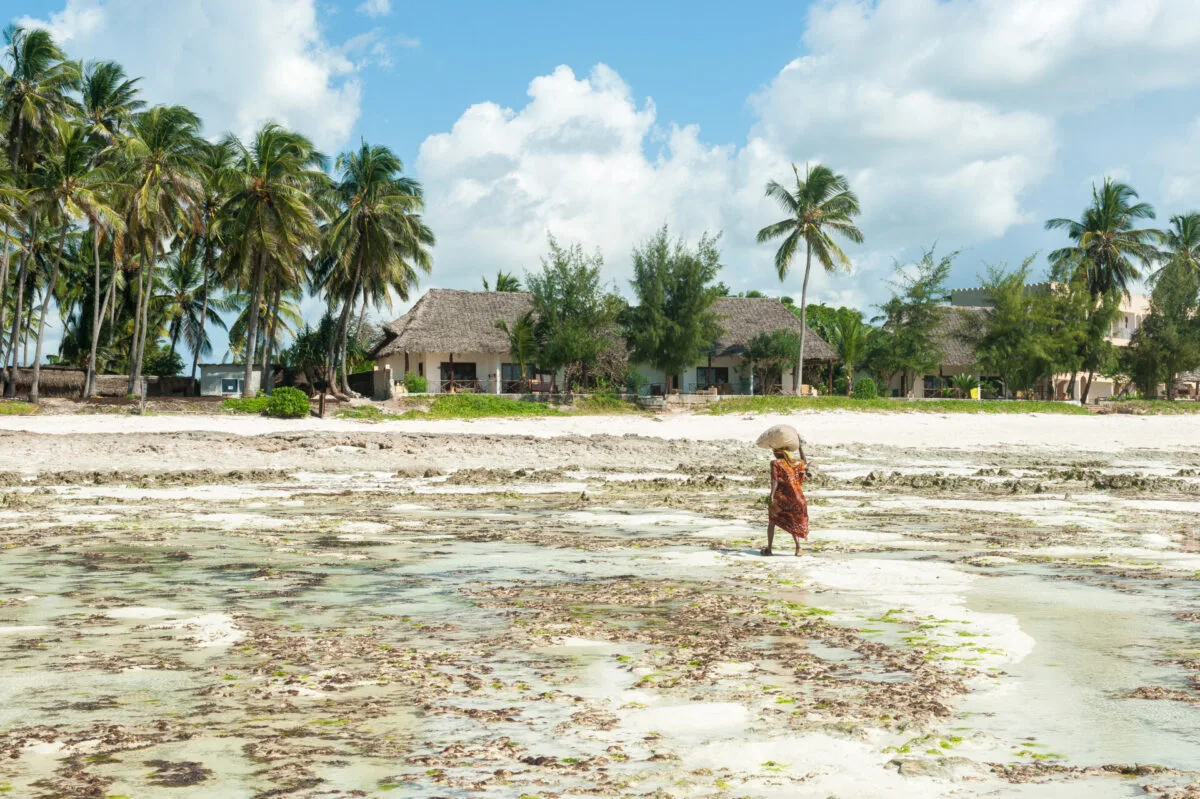
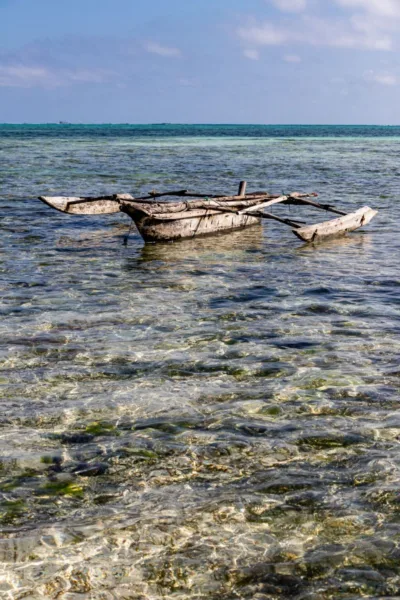
Zanzibar’s beaches do not all provide the same experience. Tides may dramatically change water depth and the width of the beach, particularly along parts of the eastern coastline. This daily movement influences swimming, walking, fishing and boat departures. On some coasts, the retreating water reveals reef flats and seagrass; in other locations, swimming remains possible for longer periods. Visitor numbers and development also vary. One traveller may prefer restaurants and easy activity access, while another may value privacy and fewer movements between hotel and village. Lamai selects the coast around the experience you are seeking. The strongest choice is not automatically the best-known beach, but the location that suits your pace and priorities.
Activities in Zanzibar
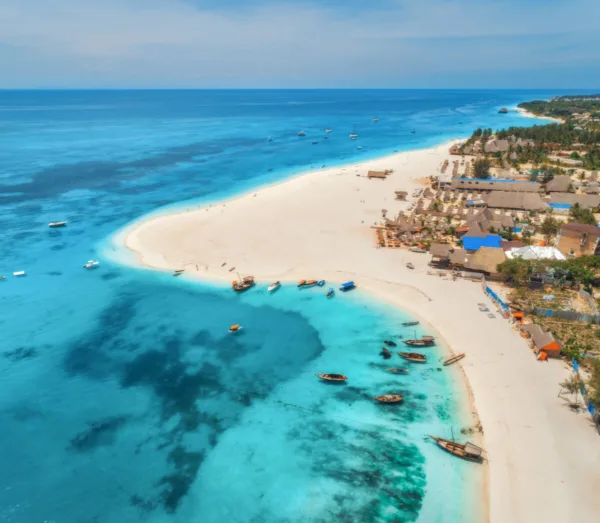
Beach relaxation
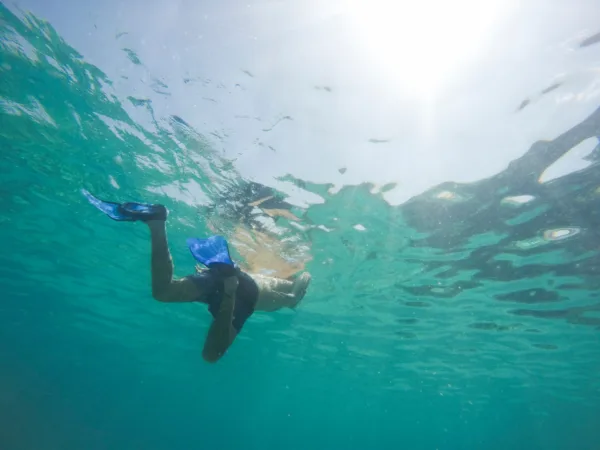
Snorkeling
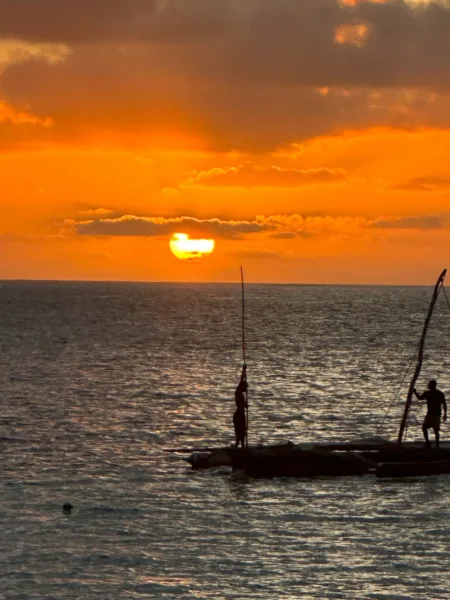
Dhow and coastal journeys
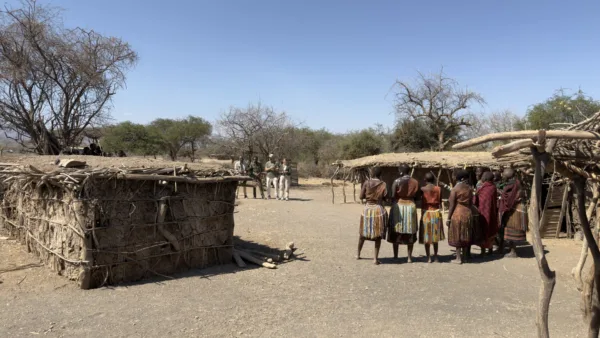
Culture and local knowledge
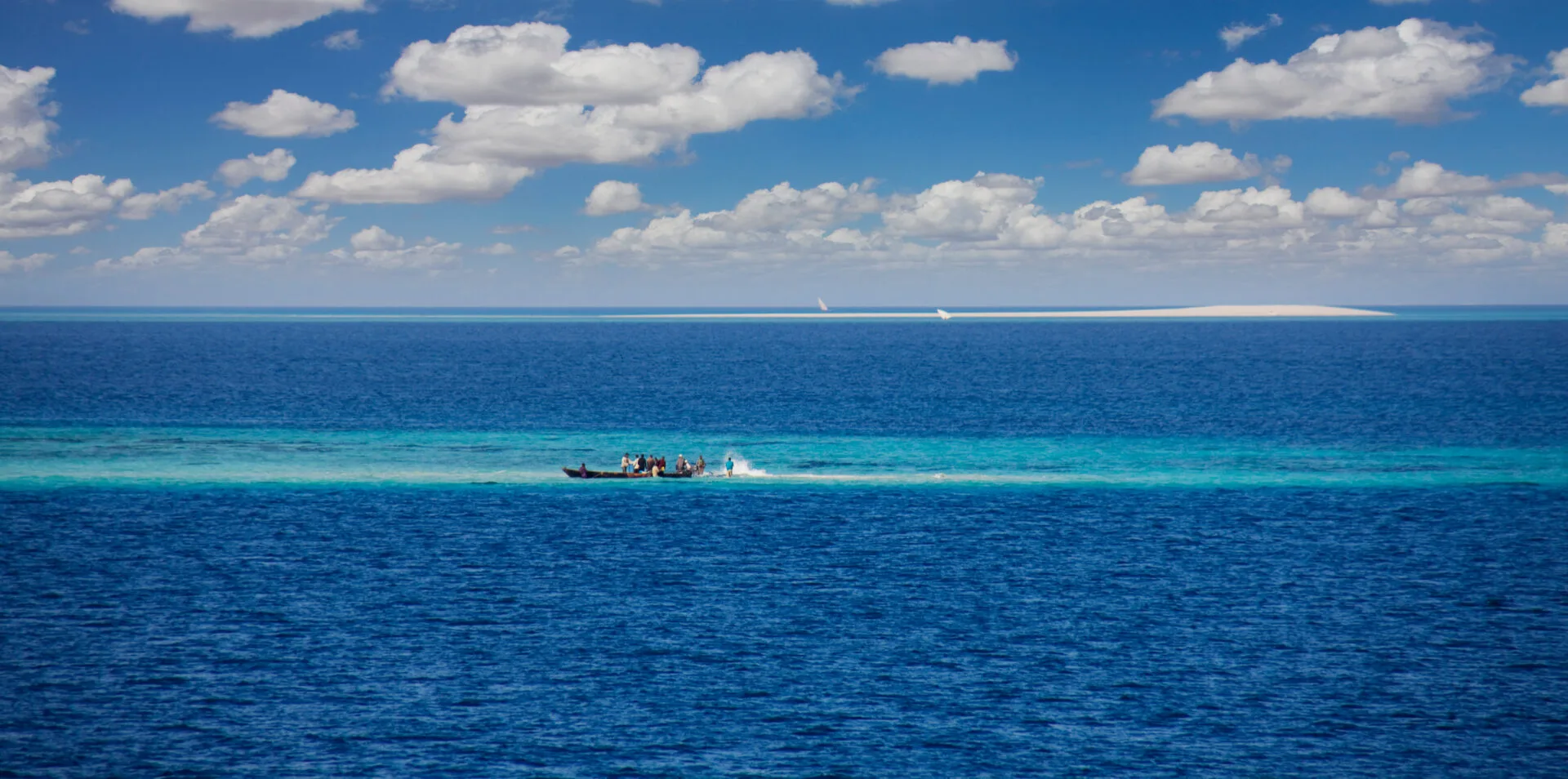
Visit Zanzibar with respect to wildlife and nature
Zanzibar can follow a safari in Northern, Western or Eastern Tanzania through domestic air connections. It may also form a complete journey for travellers primarily interested in the coast, heritage and island life. Four to seven nights gives many visitors time to combine Stone Town with a coastal stay. A shorter visit can work after safari, but long transfers between Stone Town, the airport and a distant beach should be considered when planning each day. Splitting the stay between Stone Town and the coast often works better than attempting to visit the historic centre as a long return excursion. The right division depends on your interest in history and how much unstructured coastal time you want. Accommodation ranges from small historic properties to larger resorts and quieter beach lodges. The surrounding area, tidal conditions and access to activities are usually more important than selecting by hotel style alone. Zanzibar suits travellers who want choice and contrast. Those seeking a smaller tourism sector, stronger diving focus or a more secluded island setting may find Pemba or Mafia better aligned with their priorities.

Start shaping your Tanzania journey
Frequently asked questions
Four to seven nights gives enough time to combine Stone Town, the coast and selected activities. Longer stays allow different parts of the island to be explored without frequent transfers.
Rainfall, wind and sea conditions vary throughout the year. The most suitable period depends on whether you prioritise beach days, diving, sailing or a wider mainland itinerary.
No. Zanzibar also offers Stone Town, forests, mangroves, spice-growing areas, food, craftsmanship and a long history shaped by Indian Ocean connections.
An overnight stay creates more time for history, food and evening activity while reducing the need for a long day trip from the coast. It is particularly worthwhile when heritage is an important part of your journey.
That depends on tides, swimming preferences, atmosphere and the activities you want nearby. Lamai compares these factors before selecting the location of your accommodation.
Yes. The right coast and property should reflect the children’s ages, swimming confidence and the family’s preferred balance between activities and rest.
Yes. Domestic flights connect Zanzibar with several mainland safari regions. Transfer time is incorporated into the route so the island feels like part of the journey rather than an automatic addition.
Continue your journey
Rubondo Island National Park
Mafia Island

Mikumi National Park