Serengeti National Park
Serengeti National Park
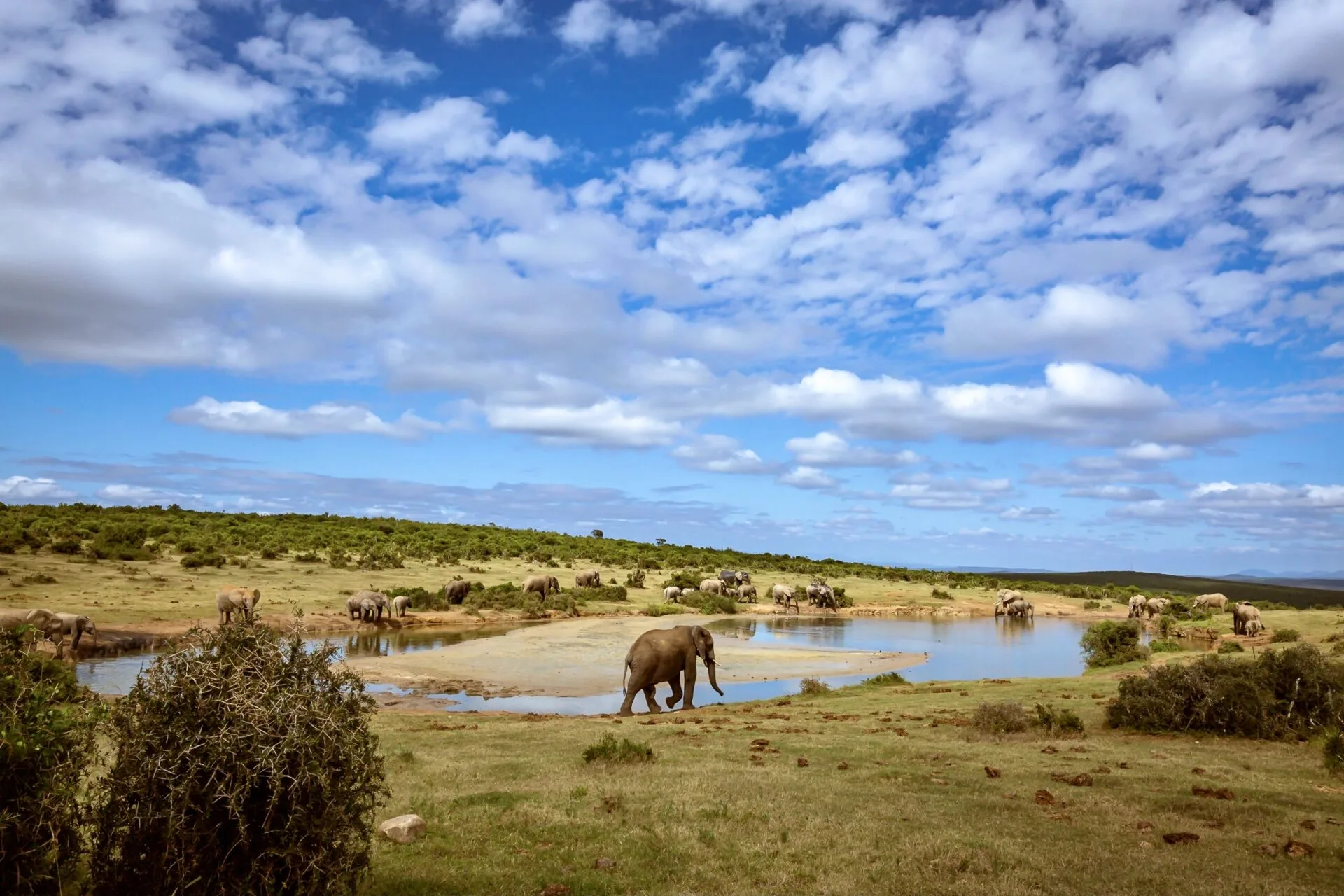
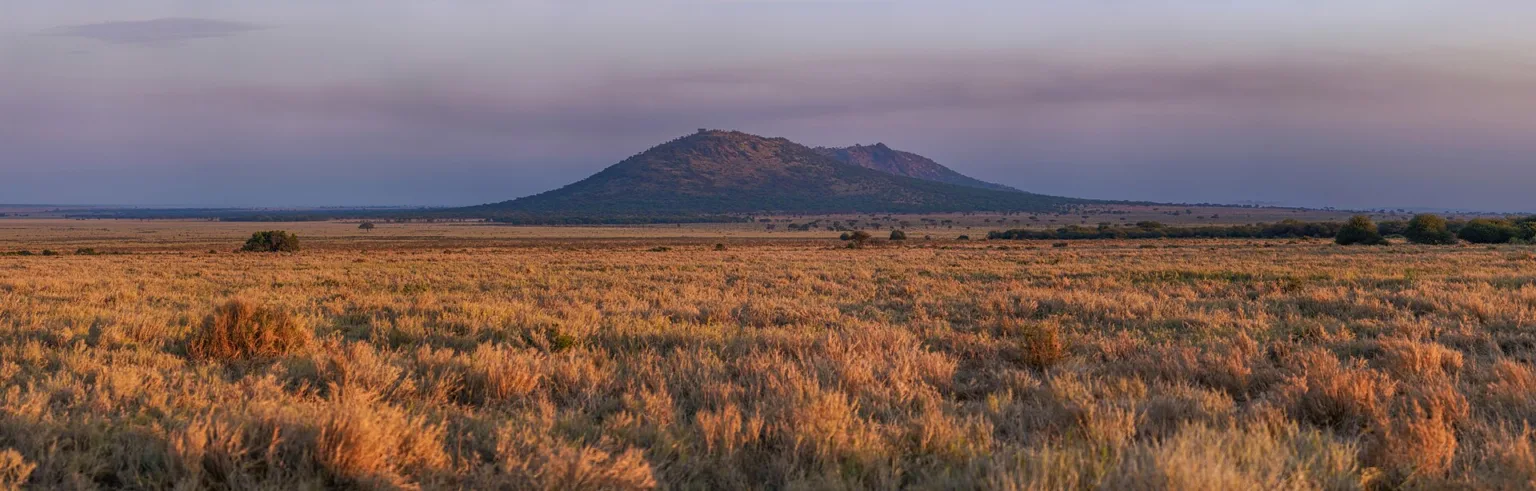
Movement defines the Serengeti. Rainfall, water and fresh grazing influence where wildebeest, zebras and other animals travel across an ecosystem of open plains, woodland, rivers and rocky kopjes. The landscape may appear endless at first, but each region has its own rhythm, habitats and seasonal role. The Great Migration is the Serengeti’s best-known natural process, yet it is only one part of the wider experience. Predators respond to the movement of grazing animals, birds follow changing food and water sources, and resident wildlife continues to use the landscape throughout the year. A strong Serengeti safari is not created by racing between every reported sighting. It comes from choosing the right area for the season, reading what is happening nearby and allowing enough time for behaviour to unfold.
- Follow the Great Migration cycle
- Time for behaviour to unfold
- First-time and returning safari travellers
- Travellers interested in wildlife behaviour and movement
- The Great Migration and wider Serengeti ecosystem
- Wildlife and landscape photographers
- Travellers who value several nights in one destination
- The landscape forms part of a much larger ecosystem extending beyond the park boundaries
- Wildlife movement is shaped by rainfall, water and access to fresh grazing
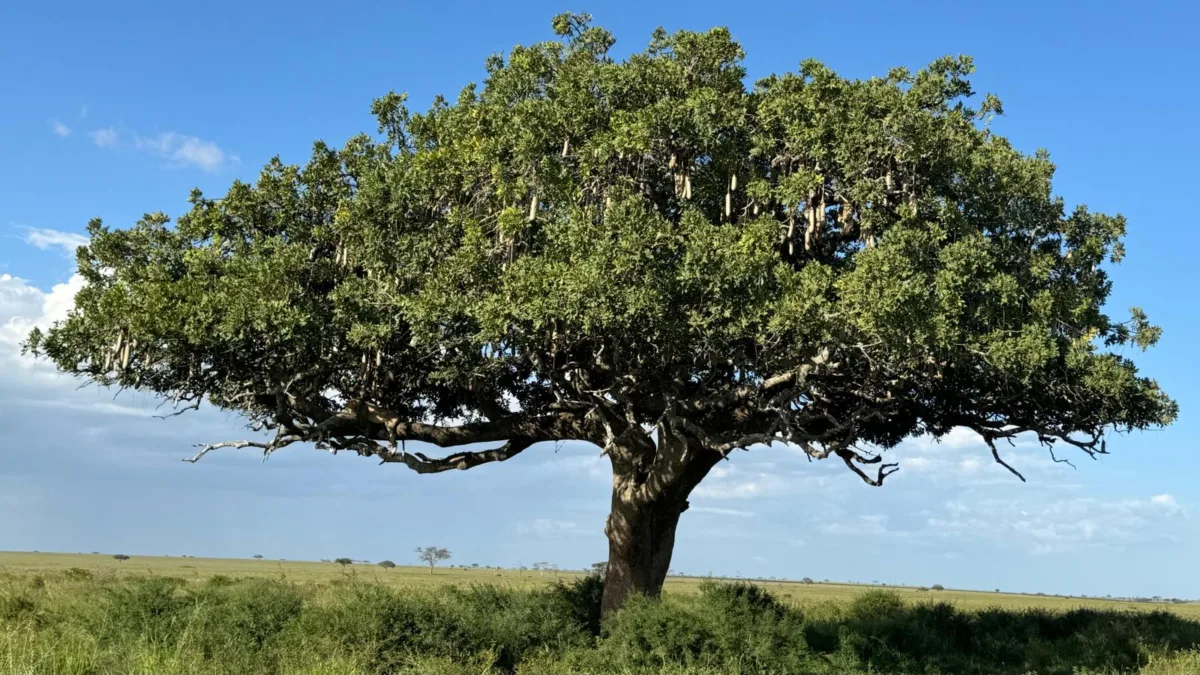
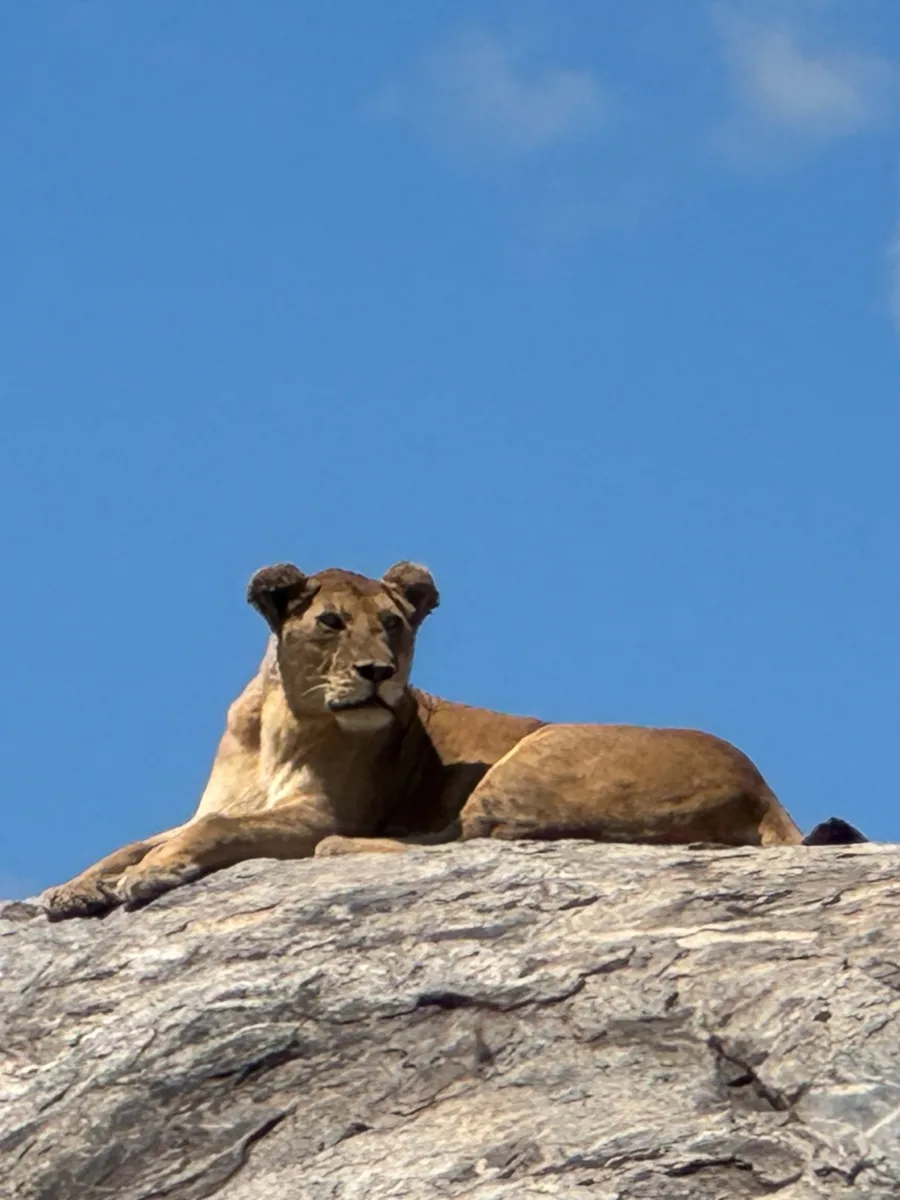
- Open plains, woodland, rivers and rocky kopjes create very different habitats
- Several nights allow the route to respond to season and recent animal movement
- Popular wildlife: wildebeest, lions and cheetahs
Understanding the Serengeti
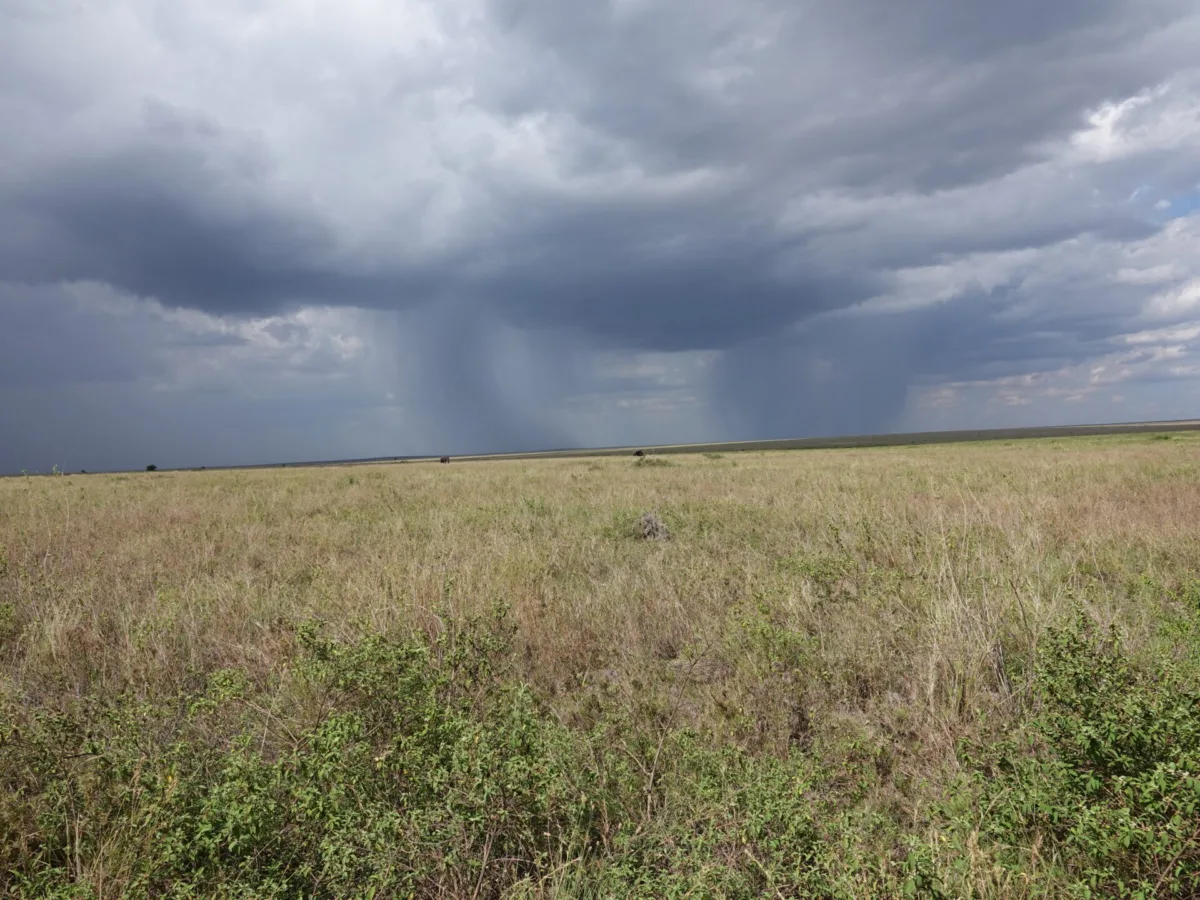
The Serengeti cannot be understood from one road or one game drive. Its southern plains, central areas, western corridor and northern landscapes each play a different role throughout the year. Rain changes the availability of grass and water. This influences where herds move, where predators concentrate and which part of the park adds most value to the journey. Lamai combines seasonal knowledge with current information from guides in the region. This helps us select the right area instead of relying only on a fixed annual calendar.
- Part of the wider Serengeti-Mara ecosystem
- Connected naturally with Ngorongoro
- Accessible by road or scheduled flight
- Best explored over several days
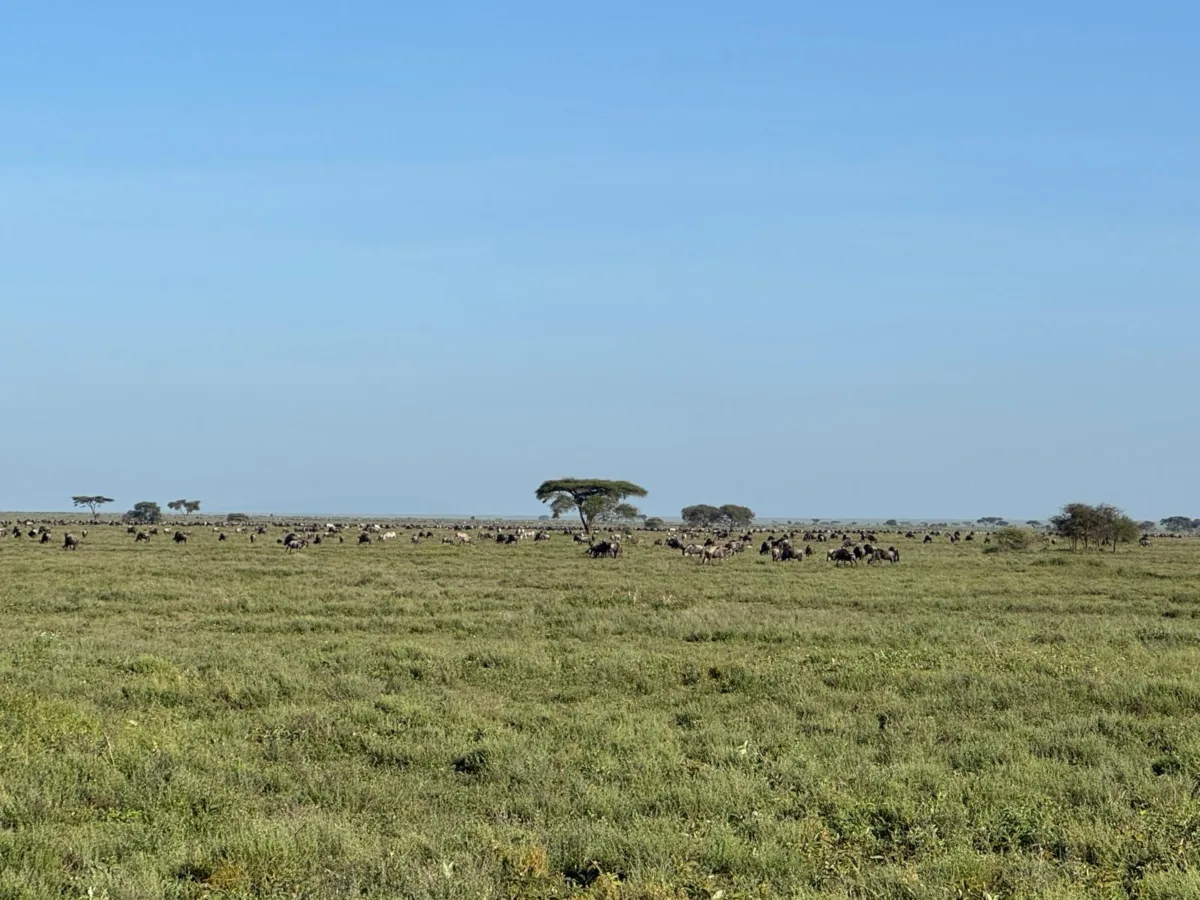
The great migration is a cycle, not a single event
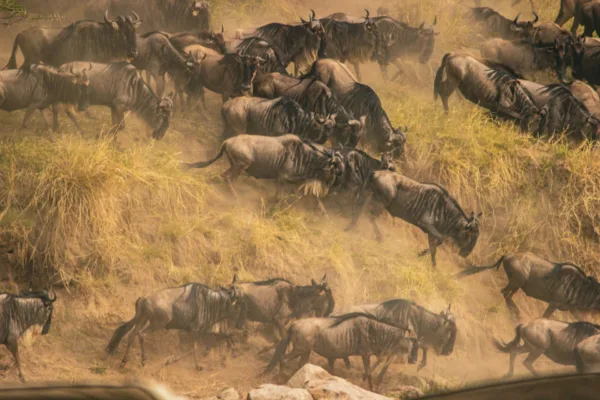
The Great Migration is a continuous movement of wildebeest, zebras and other grazing animals across the wider Serengeti–Mara ecosystem. The herds respond to rainfall, water and fresh grass. Calving, grazing, movement between regions and predator interactions are all part of the same cycle. River crossings are dramatic, but they are only one stage of the migration. The wider pattern matters more than one specific event.
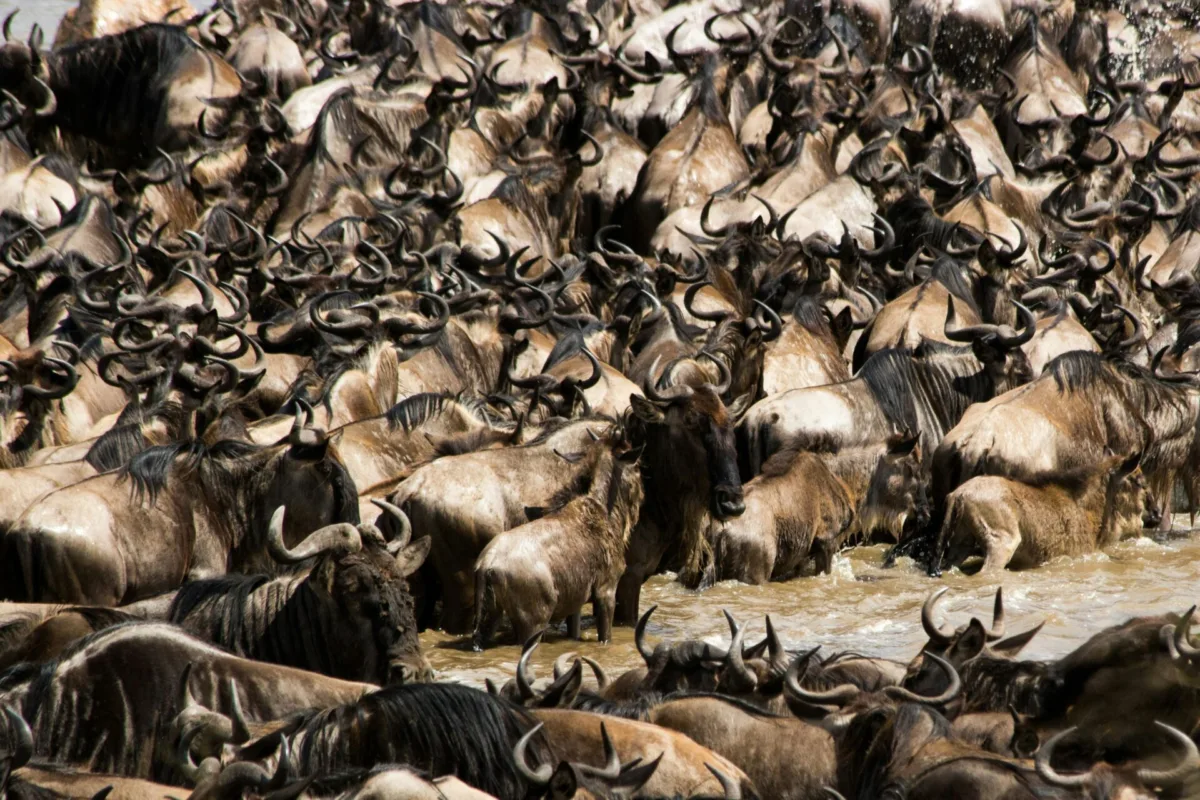

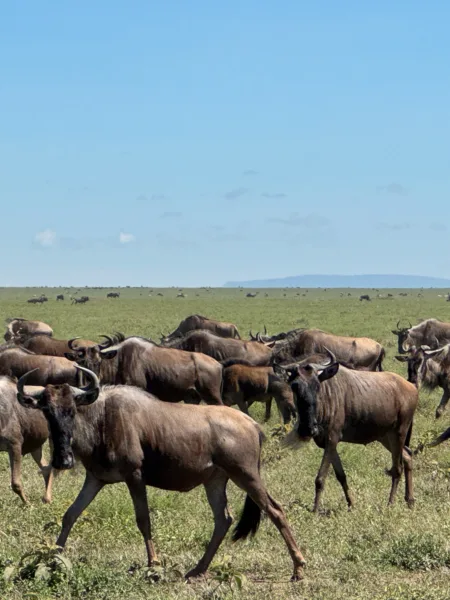
The best sighting is not always the busiest sighting
Popular wildlife activity can attract several vehicles, especially during well-known stages of the migration. Lamai does not automatically chase every radio report or join every cluster. A quieter track, a distant alarm call or patient observation near water can create a stronger experience. The goal is not to avoid every other visitor. It is to choose a sensible position and observe without placing unnecessary pressure on wildlife.
Activities in Serengeti National Park
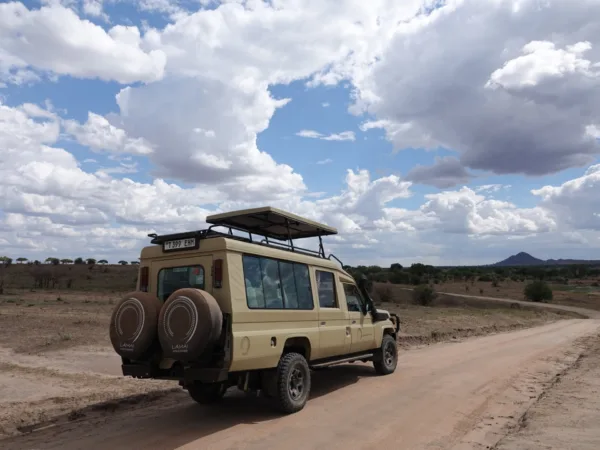
Game drive
The Great Migration
Photography
Hot air balloon
When Serengeti fits the journey
The Serengeti is a natural part of many Northern Circuit itineraries, but it needs enough time to justify the travel involved. Several nights usually create a stronger experience than a brief visit. When migration, predators or photography are priorities, Lamai may recommend simplifying the wider route and spending longer in one region. The park should be included because its scale and seasonal movement add depth to the journey, not only because its name is famous.
Going further in the Serengeti does not always mean travelling to a more remote part of the park. It can mean staying longer in one area, exploring woodland as well as open plains or allowing a quiet sighting time to develop. The Serengeti becomes more meaningful when it is experienced as a functioning ecosystem rather than a sequence of dramatic photographs.

Start shaping your Tanzania journey
Frequently asked questions
The park offers valuable wildlife experiences throughout the year. The right period depends on which landscapes, migration stage and type of wildlife activity interest you most.
Three to four days provides a strong introduction. A longer stay creates more time to explore different habitats or focus on a particular part of the migration cycle.
The herds move through different parts of the wider Serengeti–Mara ecosystem. The most suitable region depends on rainfall, grazing and recent conditions.
No. River crossings are one dramatic stage. Calving, grazing, predator behaviour and movement between regions are equally important parts of the cycle.
Yes, but the route and daily schedule should reflect the children’s ages and interests. We can adapt driving times, accommodation and the pace of game drives.
No, but popular areas and major sightings can attract several vehicles, particularly during well-known migration periods. Thoughtful timings, longer stays and routes beyond the most immediate areas can reduce unnecessary congestion. We never promise an empty park, but we do make careful decisions about how you experience it.
Continue your journey
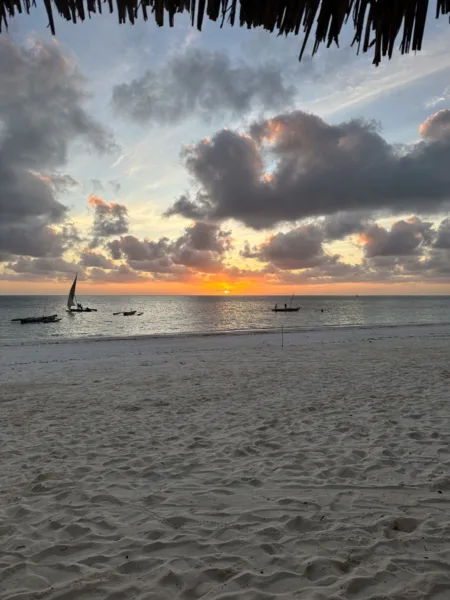
Zanzibar
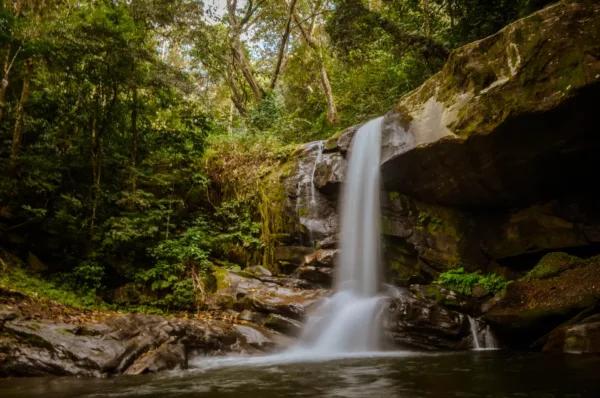
Udzungwa National Park
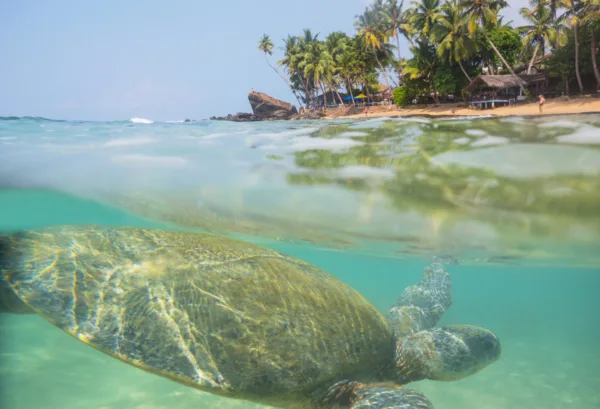
Mafia Island