
Mahale National Park
Mahale National Park
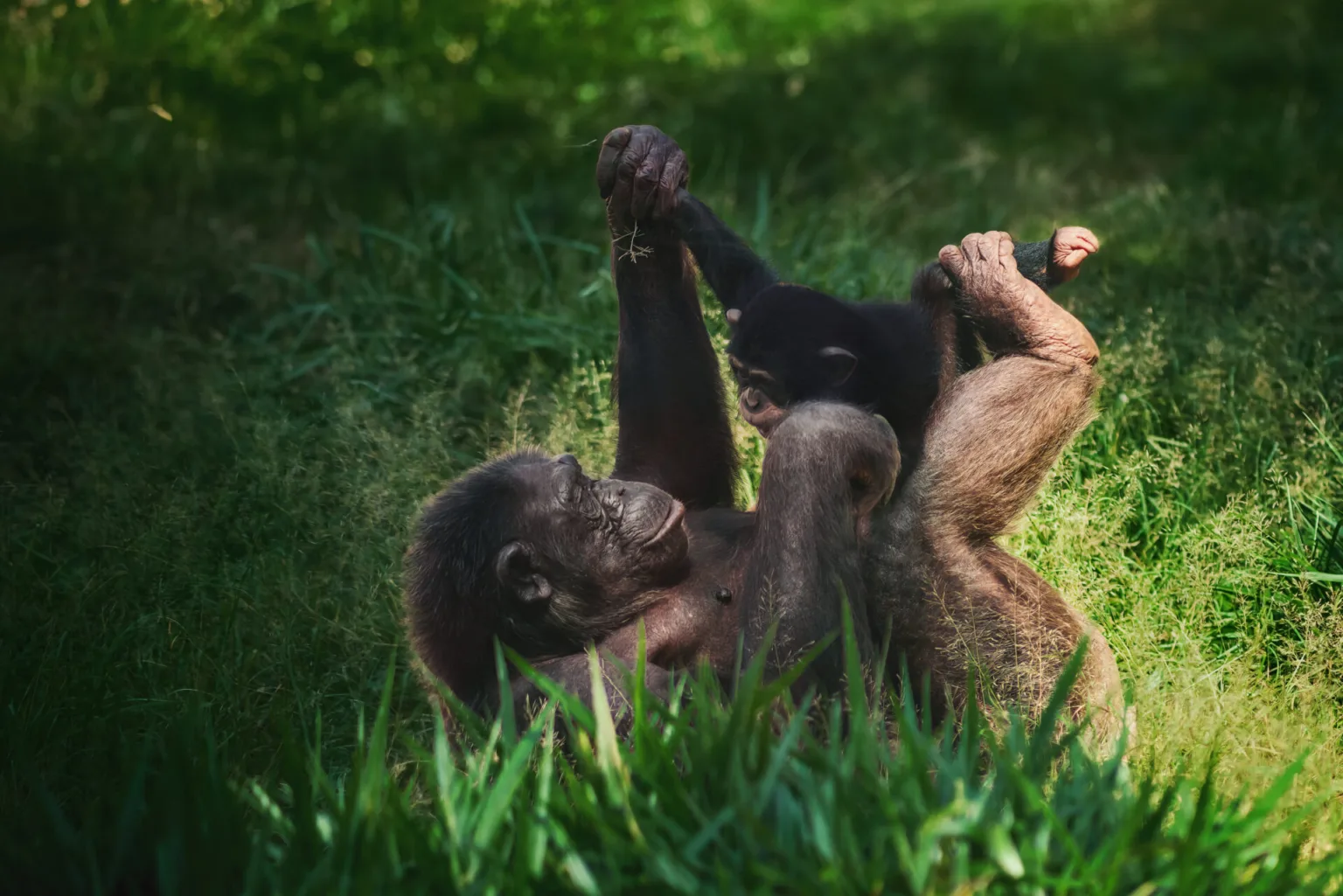
Mahale brings together two landscapes that feel inseparable. Forested mountains rise directly from Lake Tanganyika, while streams run through the trees towards clear water and quiet beaches. There are no conventional game drives. The park is explored mainly on foot and by boat, which immediately changes the rhythm of the journey. Days may begin with active forest tracking and end beside the lake. Chimpanzees are the main reason many travellers come to Mahale, but they are only one part of the wider environment. Their movements are shaped by food, social behaviour and the changing conditions of the forest. Mahale is at its strongest when the mountains, chimpanzees and lake are experienced together. The contrast between physical exploration and time beside the water gives the park a character unlike any other destination in Tanzania.
- Chimpanzees beside Lake Tanganyika
- Active forest days, quiet lake evenings
- Travellers with a strong interest in chimpanzees
- Active visitors comfortable with forest walking
- Those combining wildlife with Lake Tanganyika
- Travellers looking for a remote multi-night stay
- Visitors pairing Mahale with Katavi
- Forested mountains descend directly towards Lake Tanganyika
- The park is explored mainly on foot and from the water
- Chimpanzee tracking combines with beaches and lake activities
- Several nights allow both active and quieter experiences
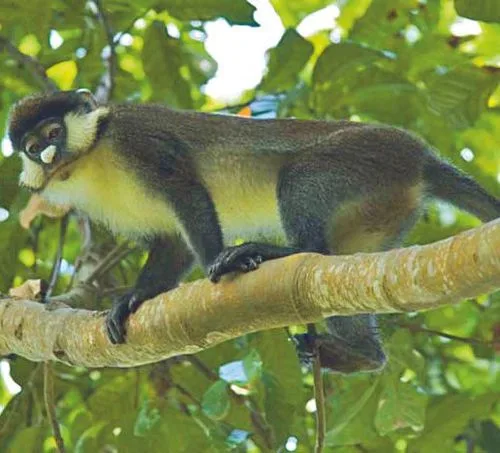
- Popular wildlife: chimpanzees, red colobus monkeys and hippos
A remote lake landscape
Mahale lies in Western Tanzania, south of Kigoma and far from the country’s main road-based safari circuits. Most journeys involve a domestic flight followed by a boat transfer. Reaching the park takes planning, but the route is part of what separates Mahale from more accessible safari areas. Once there, movement takes place between forest paths, mountain slopes and the lakeshore.
- Usually reached by light aircraft and boat
- Naturally combined with Katavi National Park
- Explored without conventional game drives
- Best experienced over three or more nights
Understand chimpanzees beyond the sighting
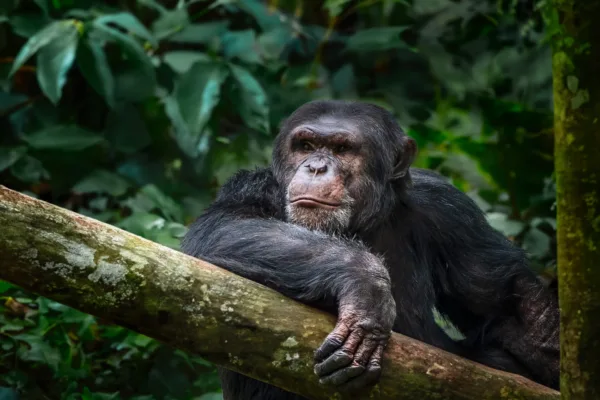
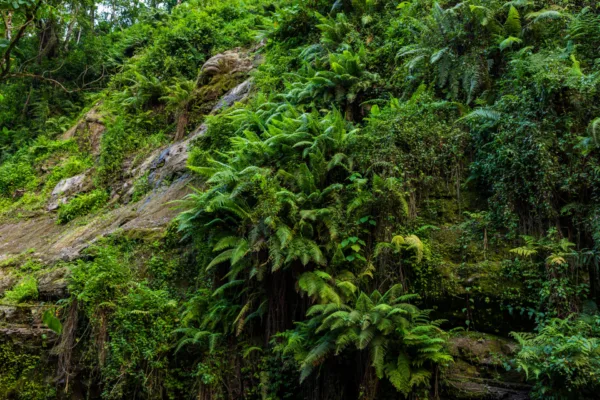
Tracking begins by following signs of recent movement through the forest. Depending on the chimpanzees’ location, the walk may be short or may continue across humid, uneven and steeper terrain. Finding the group is only the beginning. Vocalisations, grooming, feeding and interactions between individuals can reveal the social structure of the community. The chimpanzees are habituated to controlled human presence, but they remain wild. They decide where to move, rest and feed, and their behaviour should never be altered to create a better photograph. A meaningful encounter is measured by what you understand, not by how close you can get. Qualified guides add context while ensuring that viewing rules protect the animals.

Two different rhythms within one stay
Mahale balances physical activity with a quieter side of the journey. A morning in the forest may involve heat, elevation and focused tracking, while the afternoon can shift towards the lake. That contrast is important. Filling every available day with chimpanzee tracking would overlook much of what makes the destination special. Lake Tanganyika brings open views, boat travel and time away from the density of the forest. It also shapes transport, wildlife and daily life across the wider region. A well-planned stay leaves room for both landscapes rather than treating the lake as scenery behind the main activity.
Activities in Mahale National Park
Chimpanzee tracking
Forest walks
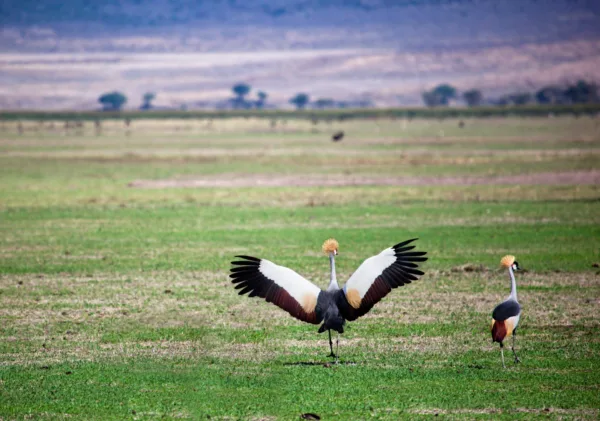
Birdwatching
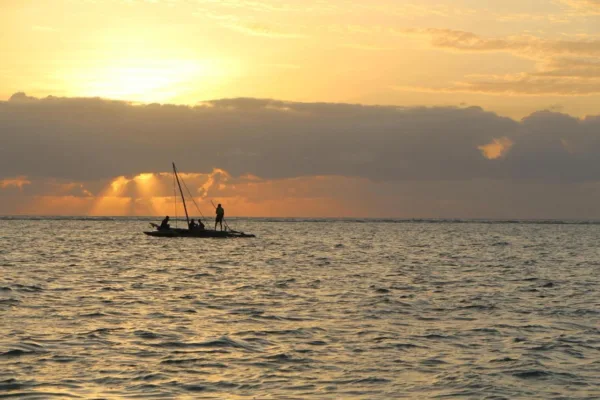
Boat safari
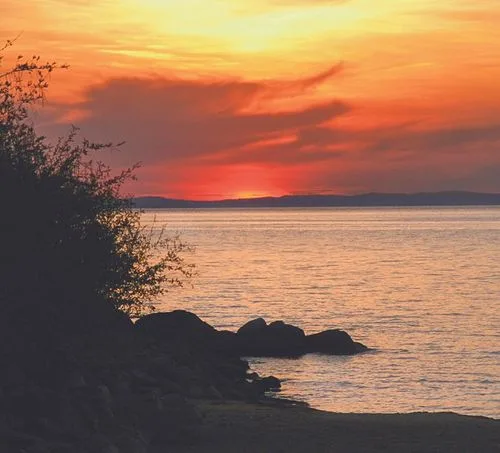
Keep an open mind for the unexpected
Mahale is best suited to travellers who can give the destination at least three or four nights. This creates flexibility around chimpanzee movement, weather and boat transfers, while leaving time for the lake. It combines especially well with Katavi. The journey then moves from open floodplains, river systems and vehicle-based safari into mountain forest, primate tracking and Lake Tanganyika. Accommodation is limited and closely connected to the park’s remote setting. Access, boat transfers and the relationship between the lodge, forest and lakeshore matter more than a large choice of hotel styles. Mahale requires a reasonable level of mobility for chimpanzee tracking. Travellers who cannot take part may still appreciate the lake and forest, but tracking is a central reason to choose the destination. It is less suitable for a tightly packed itinerary. Flight schedules and transfers need space, and a short stay would place too much emphasis on one tracking morning.

Start shaping your Tanzania journey
Frequently asked questions
At least three or four nights is recommended. This gives time for chimpanzee tracking while also allowing the forest and lake to become meaningful parts of the stay.
Difficulty changes from day to day. The walk may involve humidity, steep slopes and uneven paths, depending on where the chimpanzees have moved.
Visitors follow the health, distance and viewing requirements set by the park and authorised guides. These measures reduce disturbance and help protect chimpanzees from human illness.
Yes. This is one of Western Tanzania’s strongest combinations, connecting traditional wildlife safari with forest exploration and Lake Tanganyika.
It may suit families with older children who are comfortable with light-aircraft travel, boat transfers and active walking. Minimum-age requirements may apply to tracking.
Yes, but chimpanzee tracking is the destination’s defining activity. Forest walks, birdwatching, boat journeys and time beside the lake can also form part of the stay.
Most routes involve a domestic flight followed by a boat transfer. The exact connection depends on the season, flight schedule and accommodation.
Continue your journey
Saadani National Park
Kilimanjaro National Park
Tarangire National Park