Photography
Photography
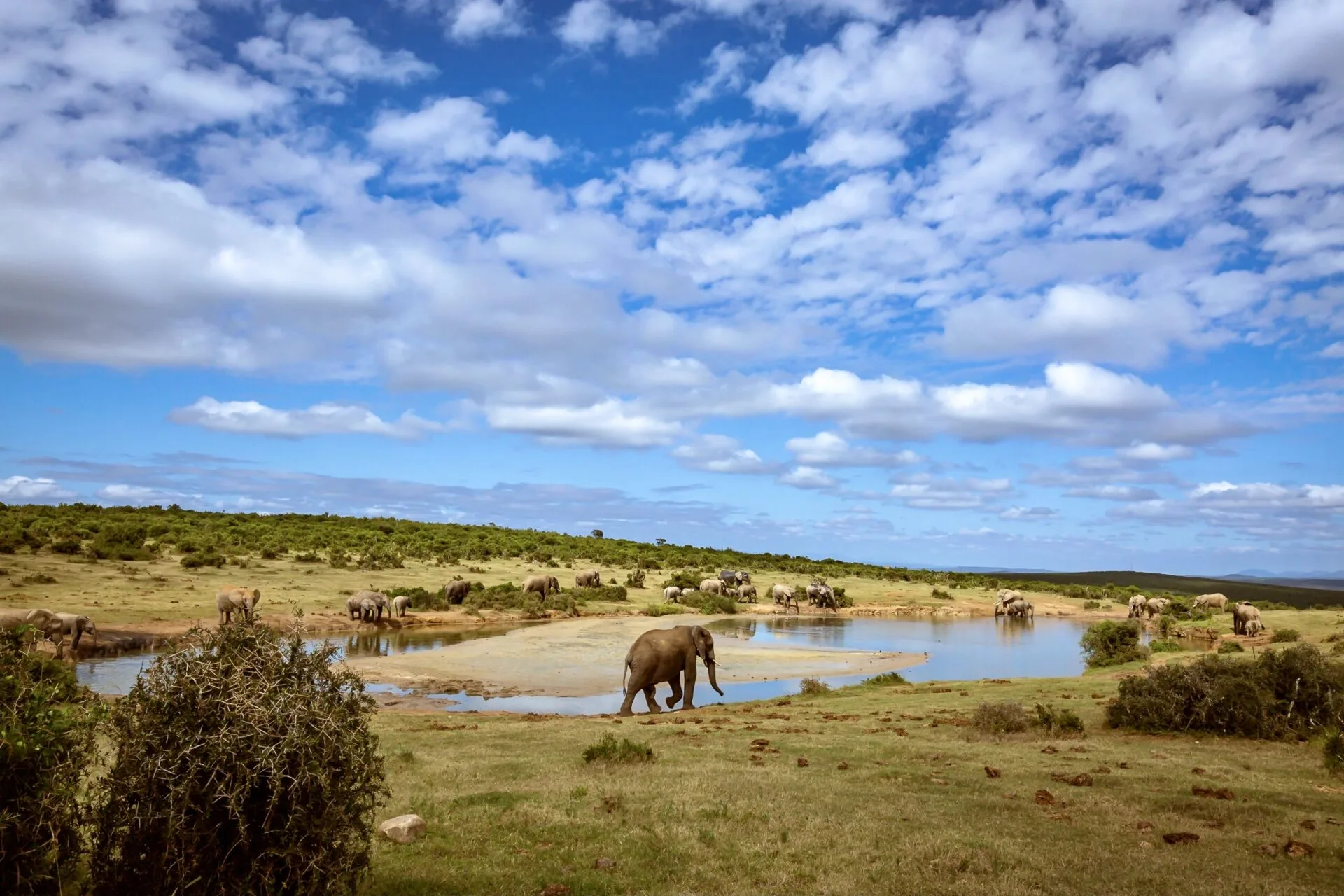
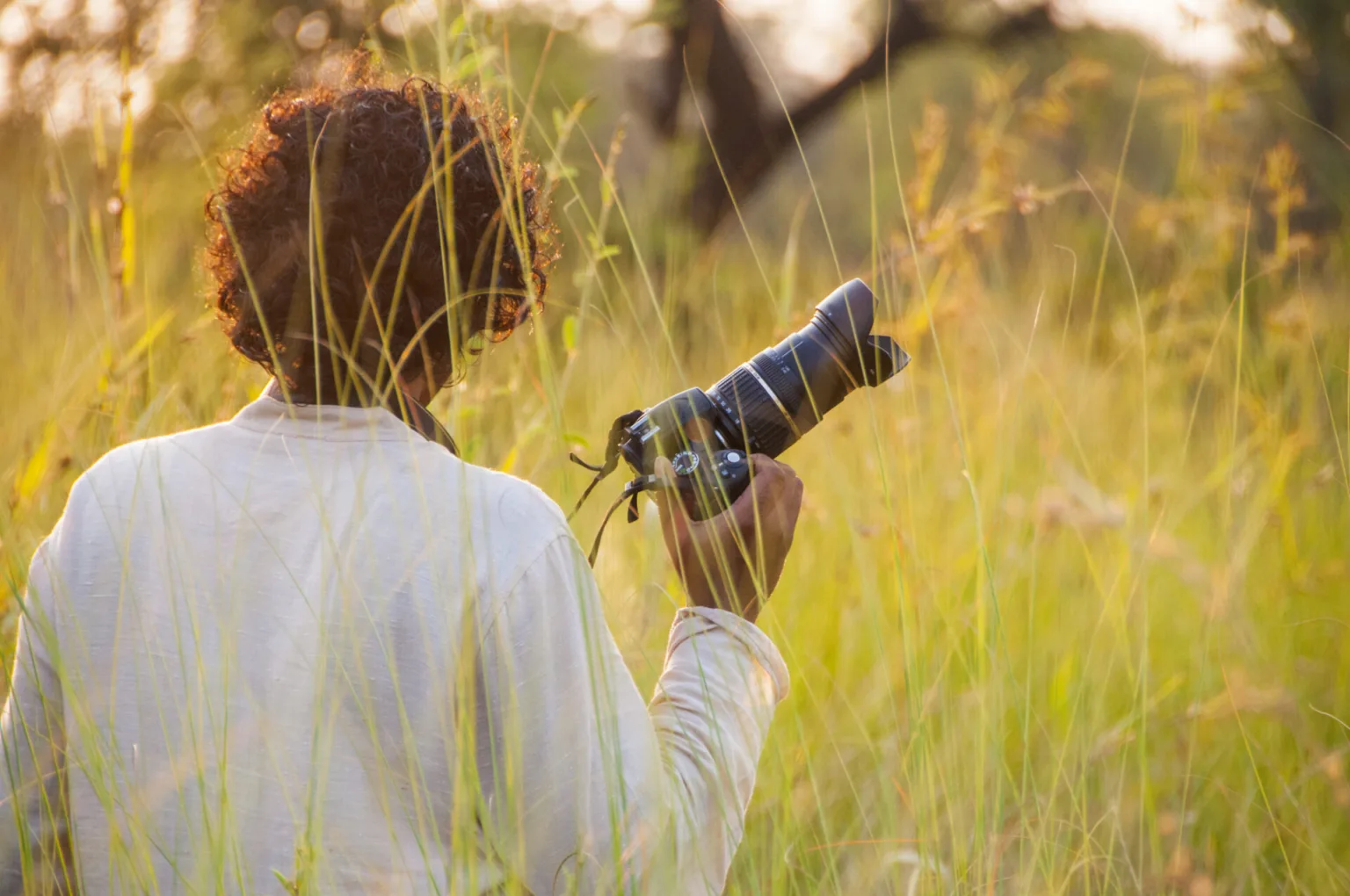
Photography on safari is about more than capturing a close image. Light, distance, animal behaviour and the shape of the landscape all influence the result. A good photographic experience gives you time to wait, observe and choose a position without placing pressure on wildlife. Your guide may adjust the pace around changing light, movement or a developing interaction, while still respecting park rules and the space animals need. With Lamai, photography is approached patiently. We do not treat every sighting as a race for the closest angle, because a thoughtful position often produces a stronger image and a better understanding of what is happening.
Your photographic interests can also influence the pace of the day. More time may be spent observing behaviour, returning to a promising area under better light or staying with a situation long enough for it to develop rather than immediately searching for the next sighting.
Best for:
- Active travellers seeking a physical challenge
- Experienced hikers and first-time climbers with suitable preparation
- Travellers comfortable with basic mountain accommodation
- Private groups and individual travellers
- People able to commit enough time to acclimatisation

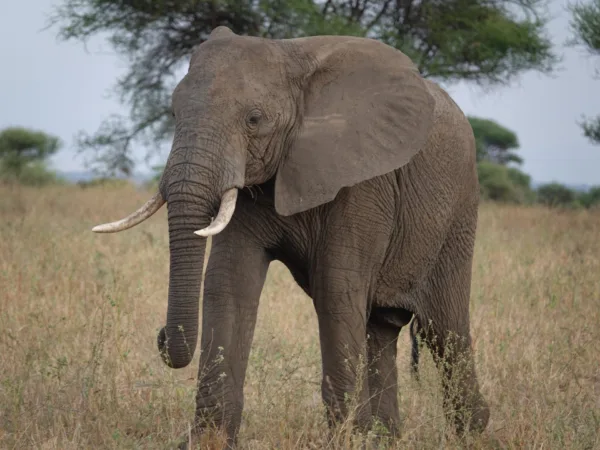
Where to experience

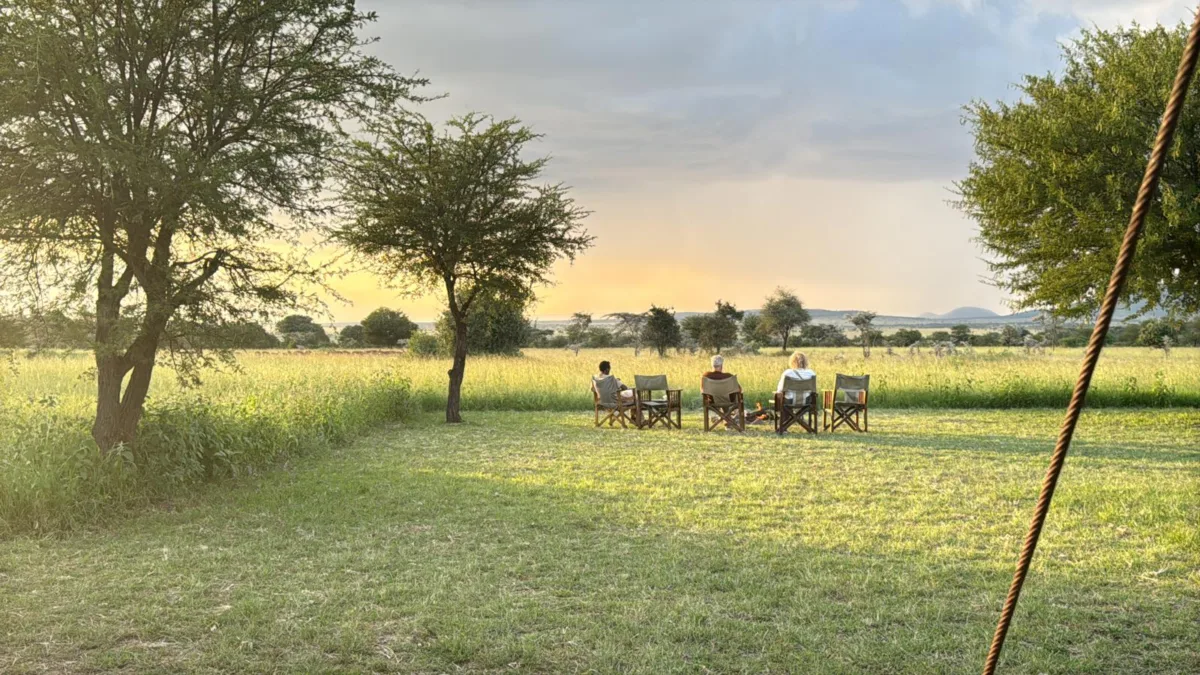
How to best prepare
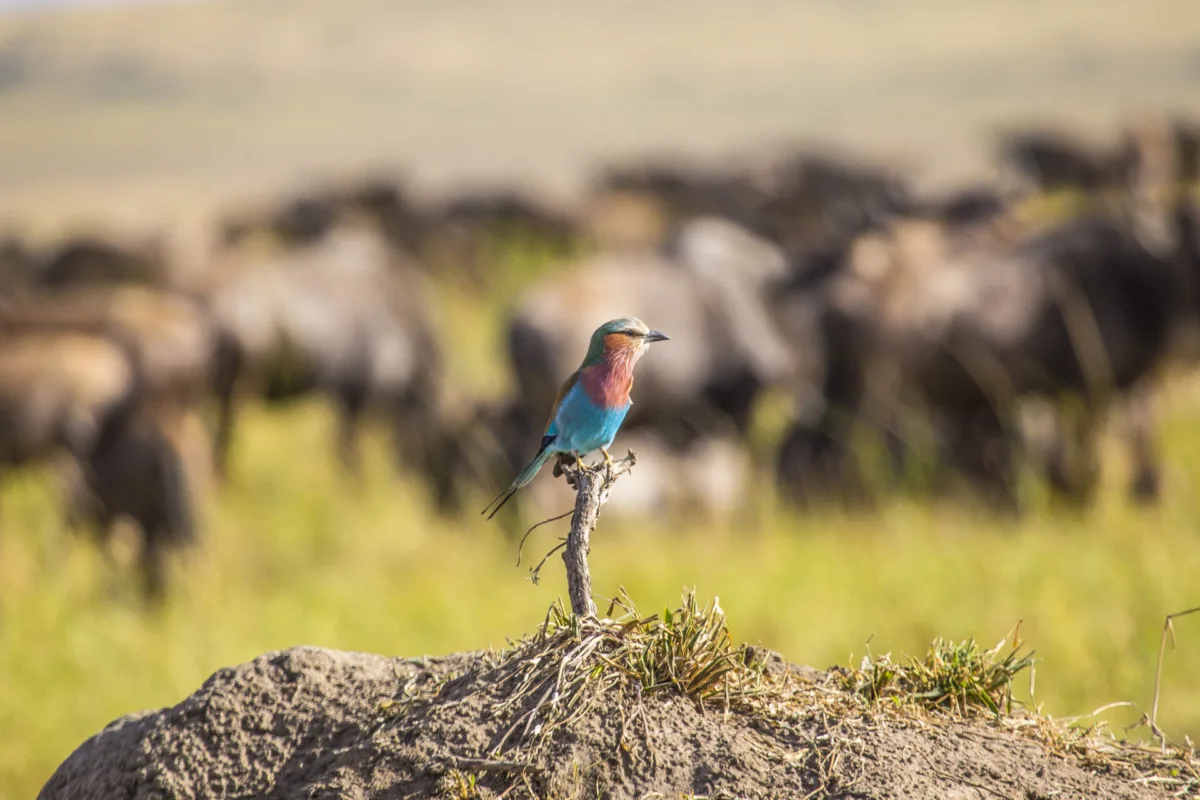
There is no single season that is best for every kind of wildlife photography. Drier periods can create concentrated activity around remaining water in some regions, while greener periods bring different vegetation, skies, birdlife and stages of wildlife movement. Your preferred subjects and photographic style therefore matter more than choosing one universal “photography season”. For equipment, bring the camera system you are comfortable using rather than assuming you need the largest possible lens. A telephoto lens is useful for wildlife, while a wider focal length can help place animals within Tanzania’s landscapes. Spare batteries, sufficient memory and protection against dust are practical additions for long days in the field. What matters most, however, cannot be packed in a camera bag: time. Good wildlife photography often comes from staying long enough to understand what an animal is doing and placing yourself where the light, behaviour and surroundings have the chance to come together.
Start shaping your Tanzania journey