
Ruaha National Park
Ruaha National Park
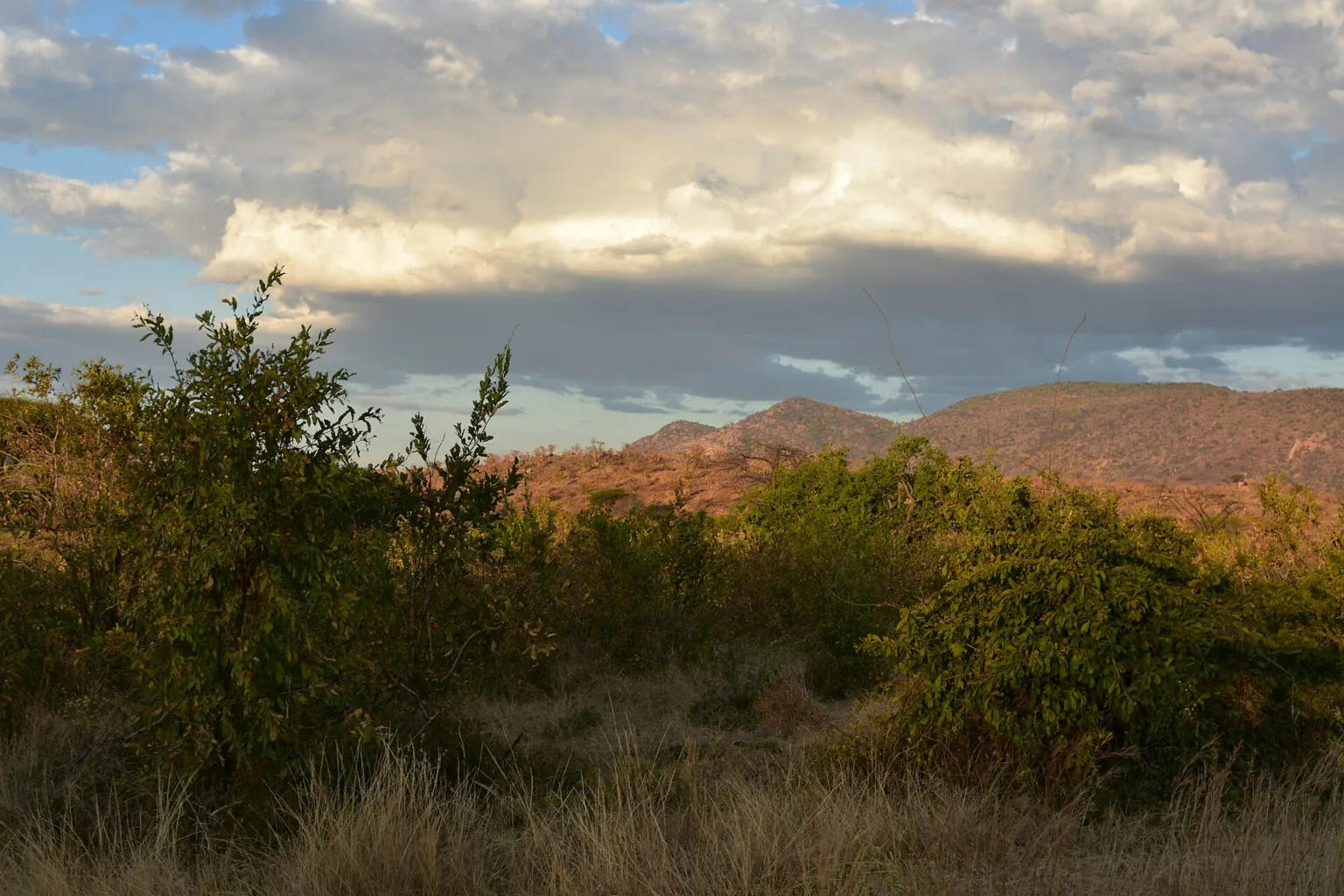
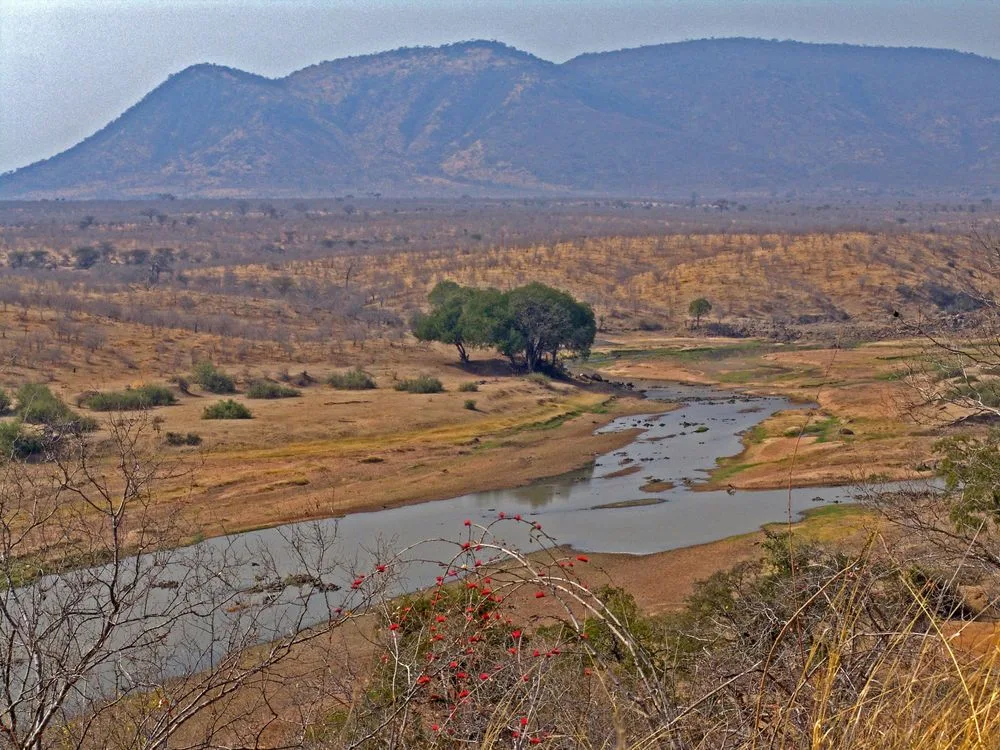
Ruaha National Park is defined by contrast. Dry plains, rocky hills and baobab woodland surround the Great Ruaha River, where pools, sandbanks and shaded riverbanks become increasingly important as water grows scarce. The park is known for elephants and predators, but the landscape between encounters matters just as much. A game drive may move from exposed river country into quieter woodland, where tracks, alarm calls and changes in vegetation guide the search. Ruaha also occupies an unusual ecological position. Wildlife associated with eastern and southern Africa overlaps here, creating opportunities to encounter species such as greater and lesser kudu, roan and sable antelope within the same wider landscape. The park’s immense scale gives each day an exploratory quality. Routes are shaped by river conditions, recent wildlife movement and what the landscape reveals rather than by a fixed sequence of sightings.
- Where eastern and southern wildlife meet
- Vast, exploratory safari days
- Travellers seeking a large and rugged safari landscape
- Visitors with a strong interest in predators
- Experienced safari travellers looking beyond the Northern Circuit
- Photographers who value space and varied terrain
- Travellers comfortable spending several nights in one park
- The Great Ruaha River cuts through dry plains and baobab woodland
- Eastern and southern African wildlife species overlap
- Rocky hills and river valleys create varied game-drive terrain
- Large areas and lower visitor density encourage exploratory days
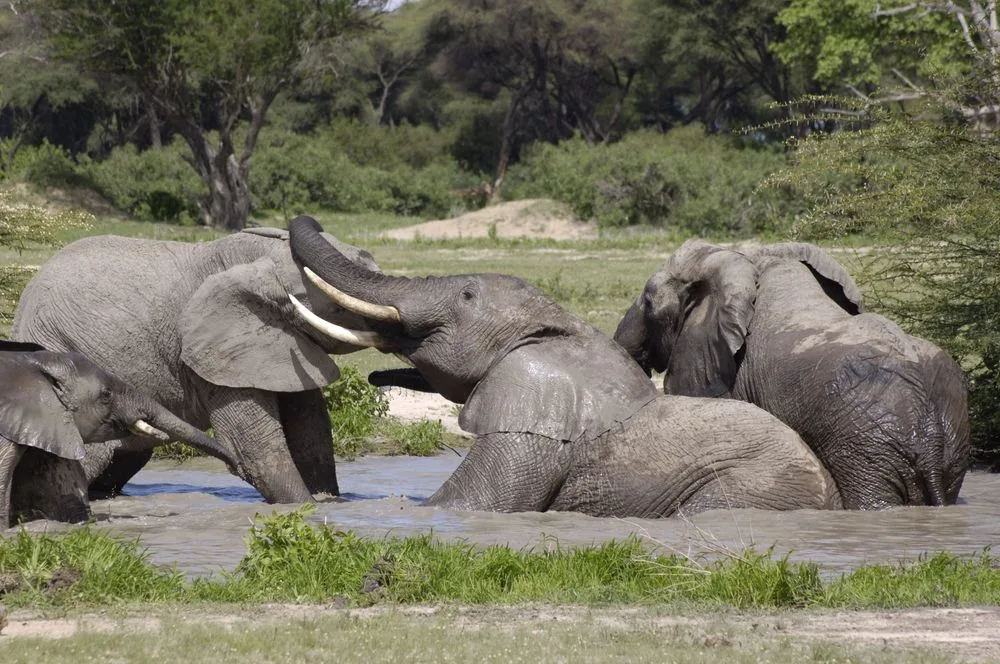
- Popular wildlife: elephants, lions and African wild dogs
An island shaped by land and sea
Ruaha lies west of Iringa in central-southern Tanzania. It forms an important part of the Southern Circuit and can be reached by road or domestic flight. Only a portion of this enormous park is regularly explored by visitors. The Great Ruaha River and its tributaries provide a natural focus, particularly when the surrounding country becomes drier.
- Accessible from Iringa or by light aircraft
- Naturally combined with Mikumi and Udzungwa
- Strongly influenced by seasonal water
- Best suited to a multi-night stay
The Great Ruaha River
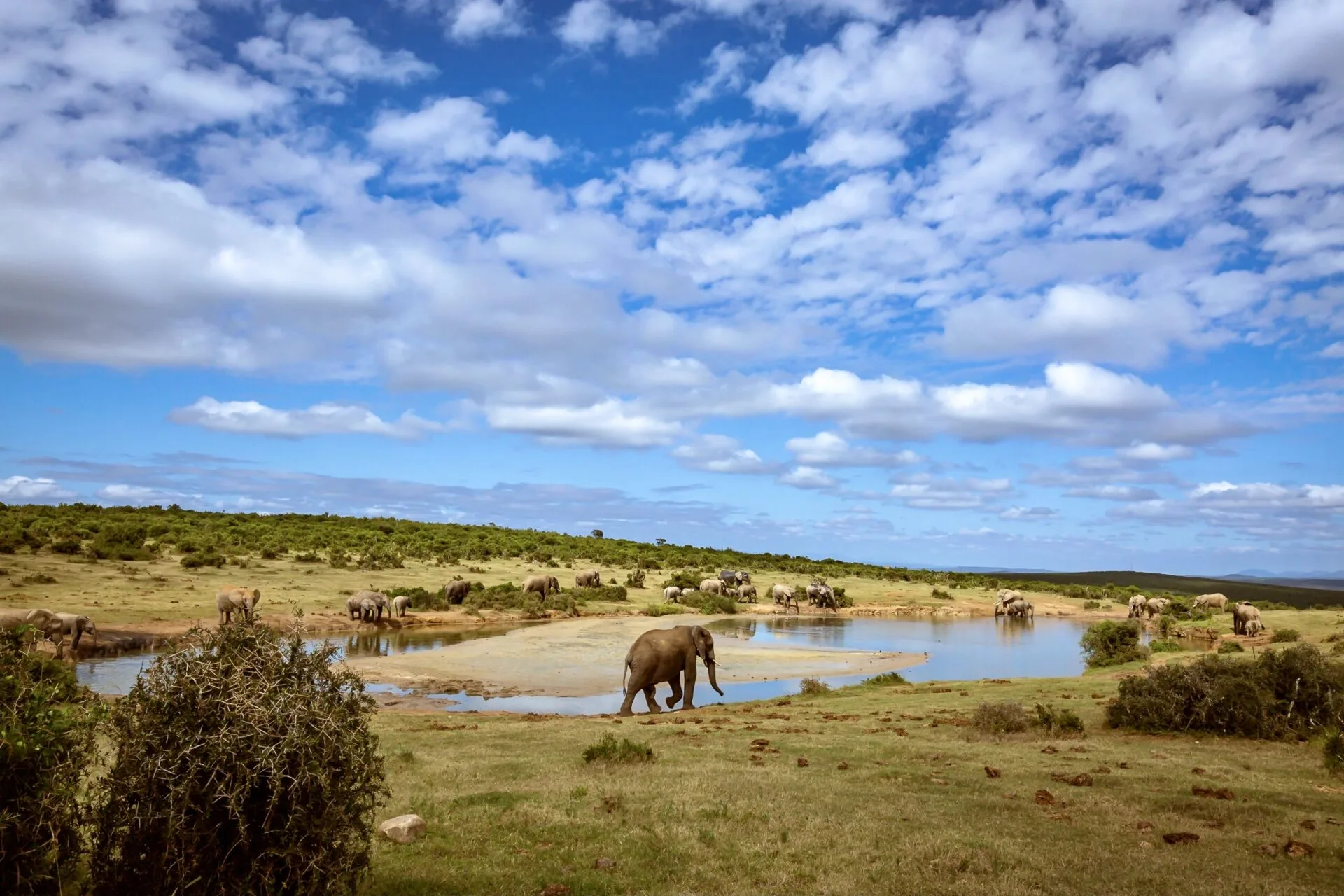
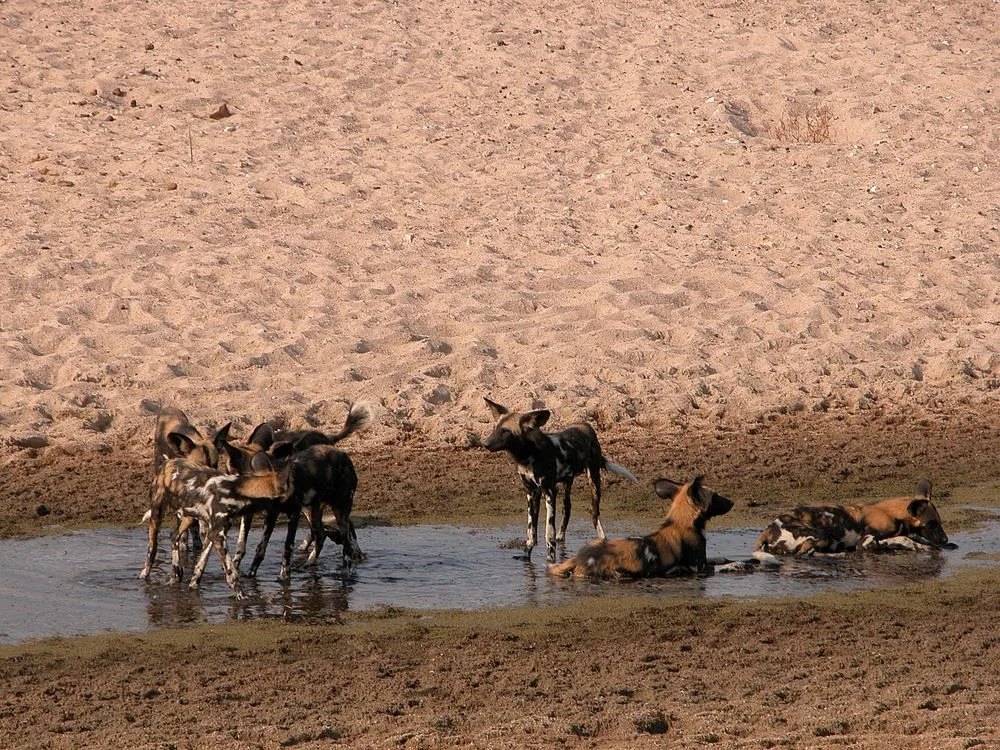
The Great Ruaha River supports riverine vegetation, pools and sandbanks that contrast sharply with the drier country around them. Elephants may dig into sandy riverbeds to reach water. Antelopes approach from the woodland, while hippos and crocodiles occupy deeper sections. Predators often remain within reach of places where prey must drink. During wetter periods, water spreads more widely and animals disperse into greener parts of the park. As dry conditions develop, the river system becomes a stronger centre of wildlife activity. A guide reads more than what is already visible. Dust, tracks, bird calls and changes in herbivore behaviour may indicate movement beyond the road or behind the vegetation.

Where Eastern and Southern wildlife meet
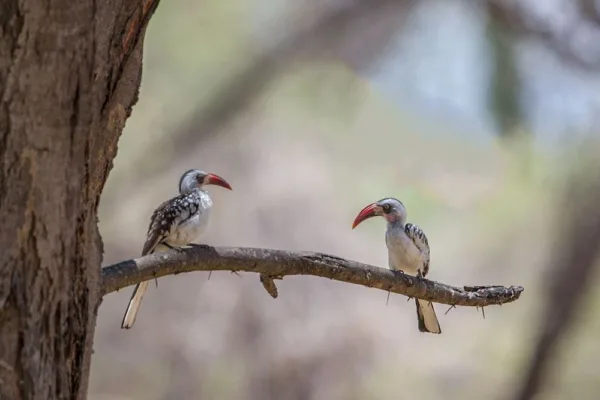
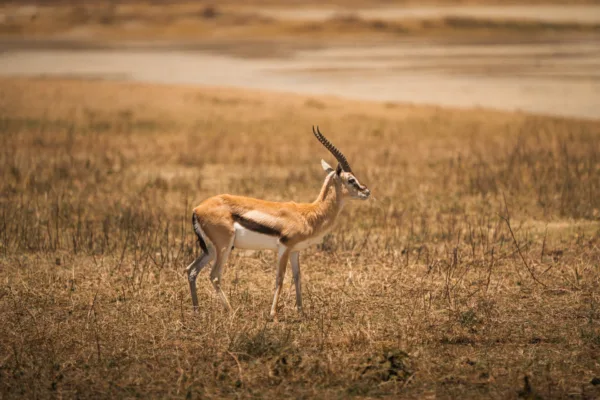
Ruaha lies within a transition between different ecological regions. This helps explain its unusual combination of animals. Greater and lesser kudu may be encountered alongside roan and sable antelope. These species add another dimension to game drives dominated by better-known elephants, giraffes, buffalo and predators. Vegetation changes across the park reinforce this mixture. Baobab woodland, open plains, riverine habitat and rocky slopes each provide different feeding and shelter opportunities. This overlap gives Ruaha a distinct biological identity. Its wildlife cannot be understood only through the river or the number of predators; it reflects the meeting of several landscapes and faunal regions.
Activities in Ruaha National Park
Game drive
Walking safari
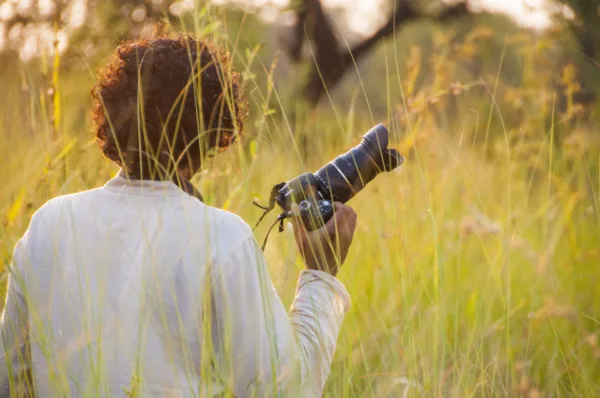
Photography
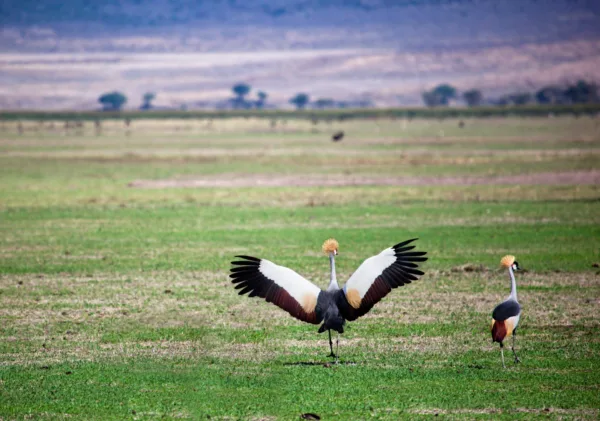
Birdwatching
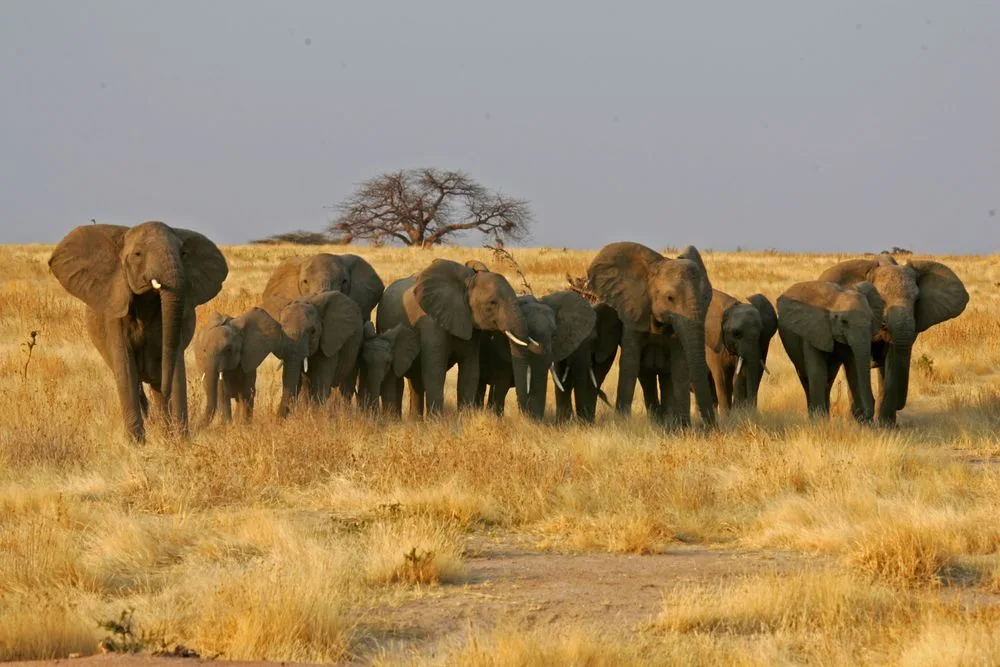
Nature and wildlife will shape your day
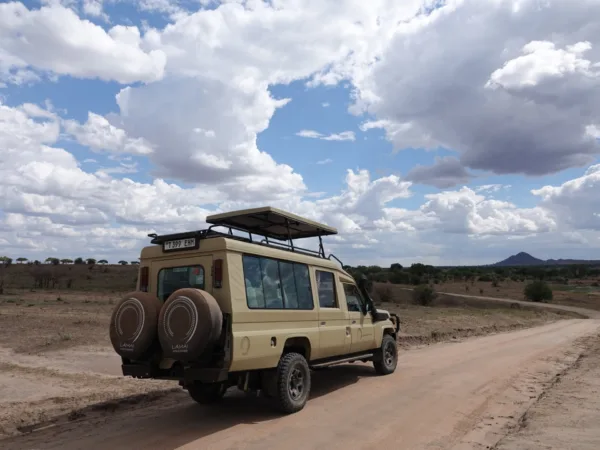
Ruaha rewards travellers who are comfortable with uncertainty. Its size means wildlife may be widely dispersed, and even productive areas can feel quiet for periods of time. Lamai does not fill those quieter moments with unnecessary driving. Your guide uses knowledge of water, habitats and recent signs while allowing enough time to observe behaviour properly. We remain on authorised routes, keep appropriate distances and never surround or pressure an animal. We also consider whether Ruaha fits naturally into your journey. A short stay may not provide enough time to appreciate its scale, particularly when longer transfers are involved. Photographers, experienced safari travellers and guests who value quieter landscapes may prefer several nights.

Start shaping your Tanzania journey
Frequently asked questions
Ruaha combines baobab woodland, river environments and rugged dry-country scenery with generally lower visitor numbers. It also supports a distinctive mixture of eastern and southern African wildlife species.
Three to four nights provide a useful introduction, while a longer stay creates more flexibility for different areas and changing wildlife conditions. The right duration also depends on how you reach the park.
Ruaha is known for lions and other predators. The park’s size, varied vegetation and natural wildlife movement mean patience is essential.
Elephants live within the wider ecosystem throughout the year, although their location changes with water, food and seasonal movement. Drier conditions can bring more activity towards the river system.
Yes, especially for travellers who value wild landscapes and patient observation. Guests hoping to see the largest possible number of animals in a short time may prefer to combine Ruaha with another park.
Share your preferred travel period, group size and initial ideas through our questionnaire. We then arrange a personal call before creating your tailor-made route.
Continue your journey
Saadani National Park
Kilimanjaro National Park
Tarangire National Park