
Rubondo Island National Park
Rubondo Island National Park
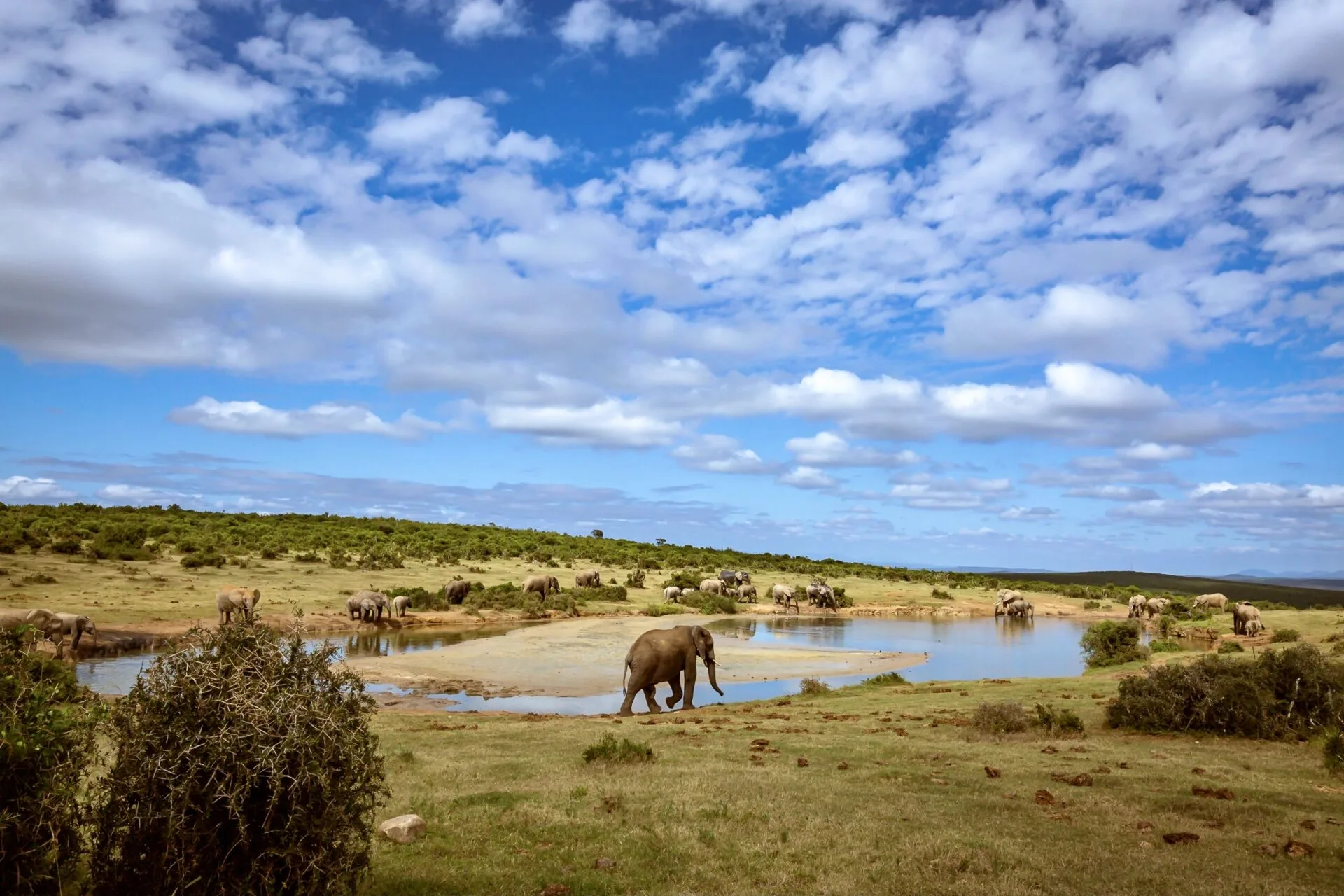
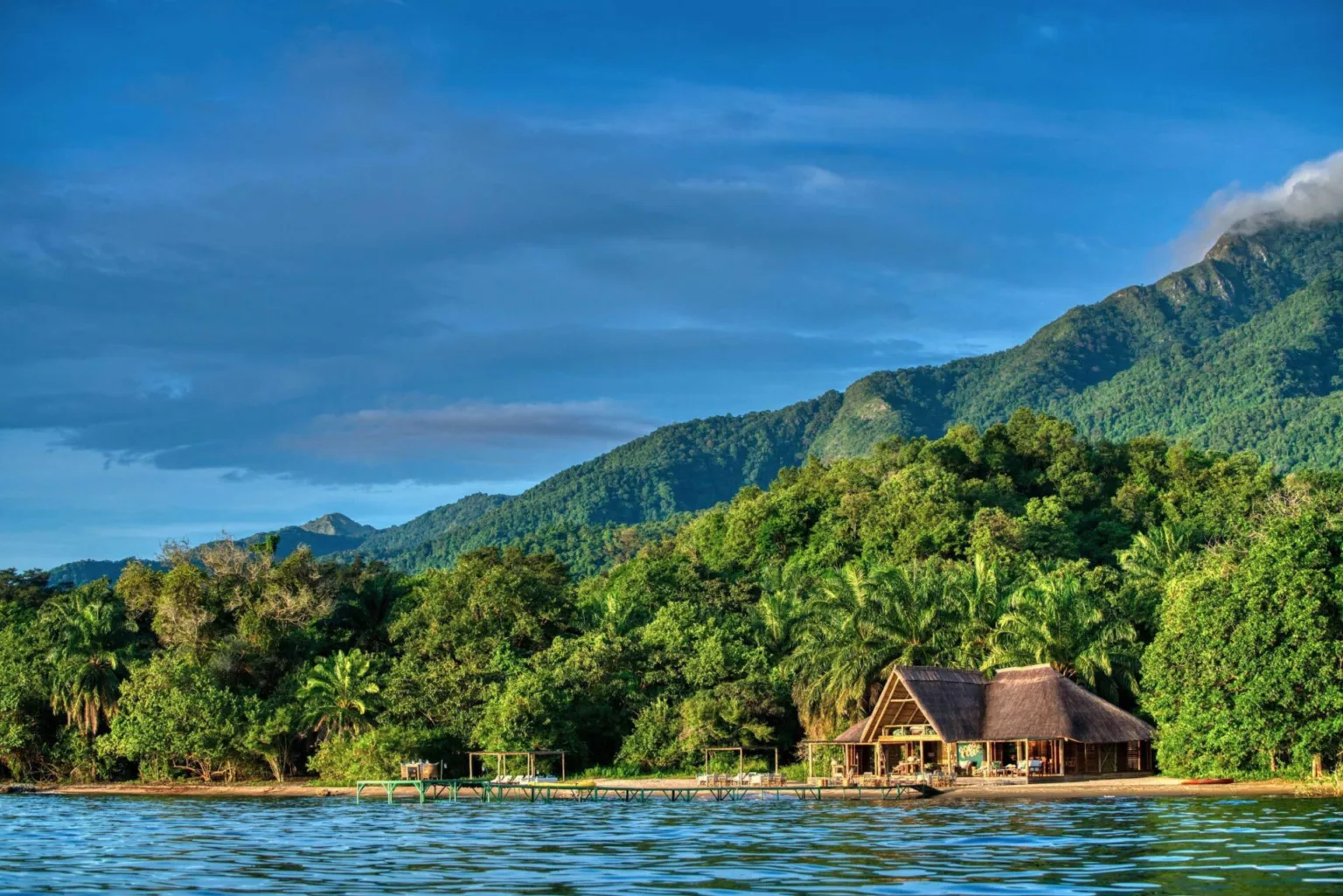
Rubondo offers a form of safari far removed from Tanzania’s open plains. Dense forest covers most of the island, while papyrus wetlands, sandy shores and sheltered bays meet the waters of Lake Victoria. Wildlife is rarely displayed across an open horizon. Animals may remain concealed by vegetation, reveal themselves through calls or leave tracks along a forest path. Even large species such as elephants and giraffes can be surprisingly difficult to find. The lake changes the experience completely. Boat journeys follow forested shores and wetland edges, where hippos, crocodiles and waterbirds become more visible than animals deeper inside the forest. Rubondo is neither a conventional game-drive destination nor an easy place to find chimpanzees. Its character comes from the meeting of freshwater and forest, the island’s unusual conservation history and a style of exploration built around listening, walking and observation.
- A forest island in Lake Victoria
- A unique conservation history
- Travellers interested in unusual conservation stories
- Birdwatchers and freshwater nature enthusiasts
- Active visitors comfortable with forest walking
- Returning safari travellers seeking something different
- Those exploring north-western Tanzania
- A densely forested national park located within Lake Victoria
- Native and introduced wildlife share the island
- Exploration takes place mainly on foot and by boat
- Wetlands, forest and open water occur within one protected area
- Characteristic wildlife: chimpanzees, sitatunga and elephants
An island separated from Tanzania’s main safari routes
Rubondo lies in the south-western part of Lake Victoria, west of Mwanza. The protected area includes the main island, surrounding water and several smaller islets. Its position makes access more involved than reaching a park connected directly to Tanzania’s main road network. Travellers generally arrive by air or through an organised combination of road and boat transport.
- Located within Lake Victoria
- Reached by air or organised boat transfer
- Explored through forest, shoreline and water
- Best included within a north-western Tanzania route
An island full of history and conservation
Rubondo’s wildlife community has an unusual history. Alongside native animals, several species were introduced to the island through conservation projects during the twentieth century. The chimpanzees had previously lived in captivity before being brought to Rubondo. Elephants, giraffes, black-and-white colobus monkeys and other species were also introduced and adapted to the protected island environment. This makes Rubondo fundamentally different from Mahale and Gombe. Chimpanzees occur naturally within those Lake Tanganyika landscapes, while Rubondo’s population reflects a deliberate conservation intervention. The island therefore raises interesting questions about rehabilitation, protected habitat and the long-term adaptation of animals released into a forest environment.

The forest does not give up its wildlife easily
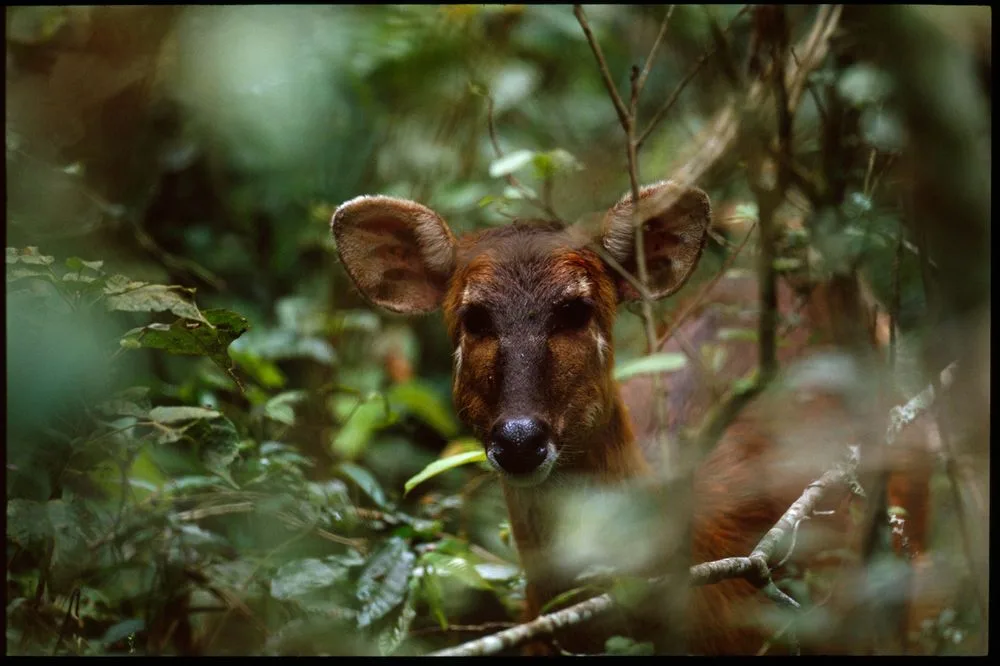
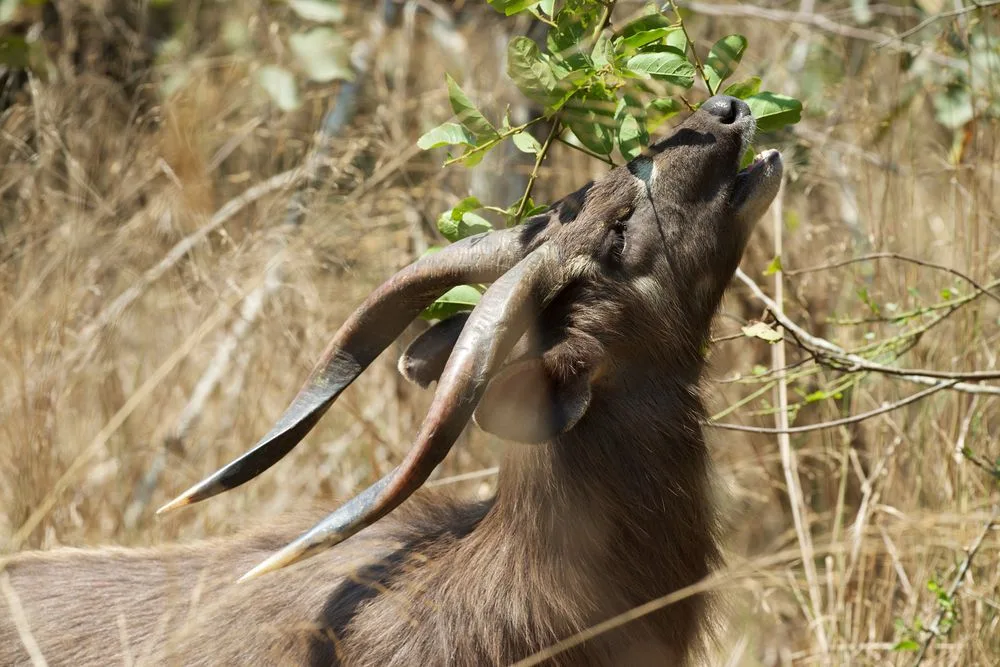
Approximately eighty percent of Rubondo is covered by dense forest. Visibility is limited, even when wildlife is relatively close. Chimpanzee tracking may require extended periods of walking, listening and following recent signs. Their location changes with feeding opportunities, social behaviour and movement through the canopy. Other animals can be equally elusive. Sitatunga use wetland vegetation, bushbuck remain close to cover and primates may be heard before they are seen. The experience depends less on covering distance and more on recognising evidence. Calls, branches moving overhead, tracks and changes in bird activity may gradually reveal what is happening nearby.
Activities in Rubondo Island National Park
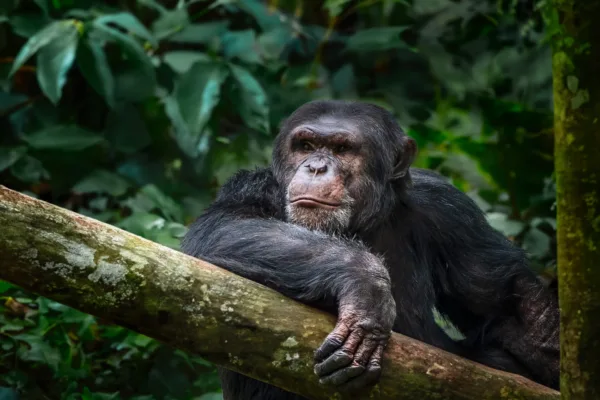
Chimpanzee tracking
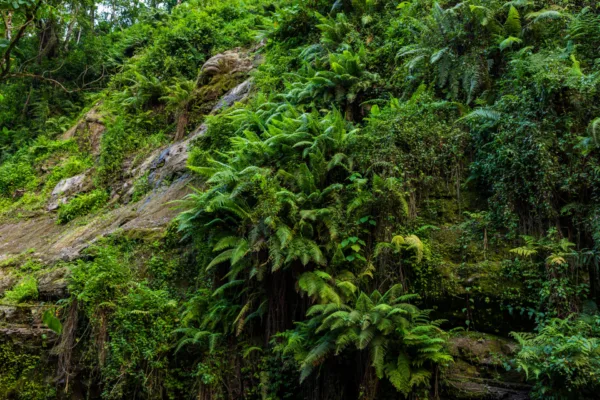
Forest walks
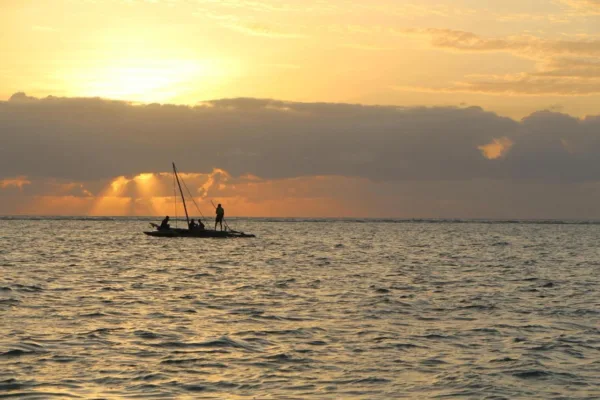
Boat safari
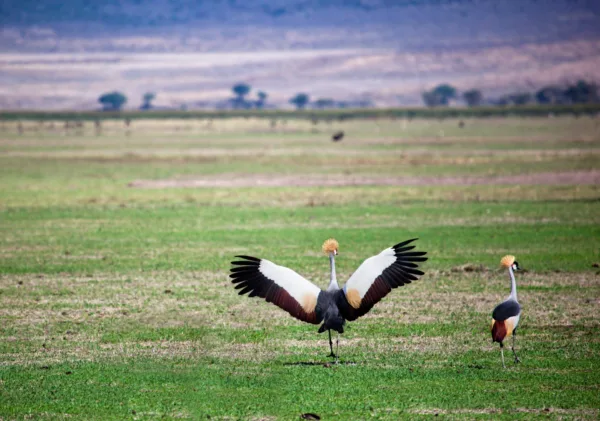
Birdwatching
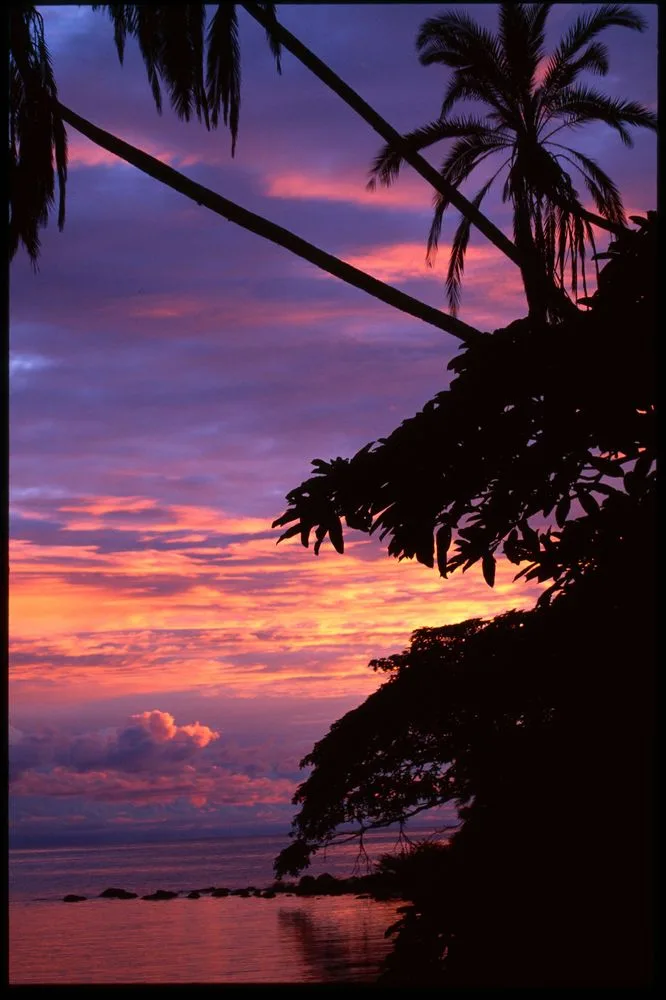
The island will slowly reveal itself to you
Rubondo rewards travellers who do not need every hour to produce a major sighting. The forest may remain quiet for long periods before a call, movement or track changes the direction of the day. Lamai allows flexibility rather than building the itinerary around guaranteed chimpanzee encounters. Boat activities may change with lake conditions, while forest routes respond to weather and recent signs of wildlife. We also prepare travellers for the practical reality of a remote island. Transport options, accommodation and services are more limited than in Tanzania’s busiest parks. This simplicity is part of Rubondo’s character, but it should suit the expectations of the complete group. We always talk through your expectations and wishes for the safari. Based on those we set up a personal itinerary.

Start shaping your Tanzania journey
Frequently asked questions
All three parks offer forest and chimpanzee experiences, but Rubondo lies within Lake Victoria and its chimpanzees were introduced as part of a conservation project. Mahale and Gombe lie beside Lake Tanganyika and have different landscapes, research histories and tracking conditions.
No. Rubondo’s chimpanzees move freely through dense forest, and locating them can be difficult. Tracking depends on recent signs, weather and the animals’ movements.
Not in the usual sense. Although elephants, giraffes and other mammals are present, the dense forest makes wildlife less visible than on open plains. The experience centres on walking, boating, birdlife and patient observation.
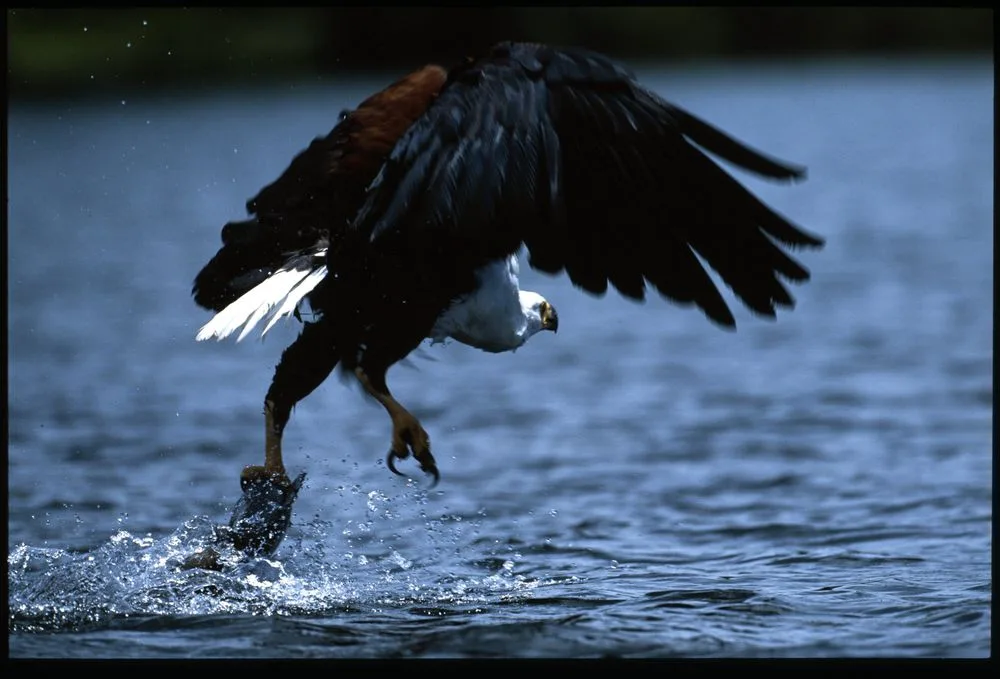
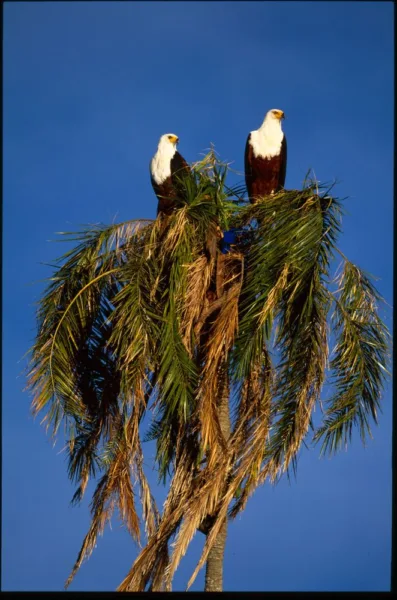
Yes. Forest, papyrus wetlands, shoreline and open water create habitats for a broad range of birds, including fish eagles, kingfishers, parrots, herons and other waterbirds.
Share your preferred travel dates, group size and interests through our questionnaire. We then arrange a personal 30-minute call before creating your route.
Continue your journey
Arusha National Park
Mahale National Park
Lake Manyara