Ngorongoro Conservation Area
Ngorongoro Conservation Area
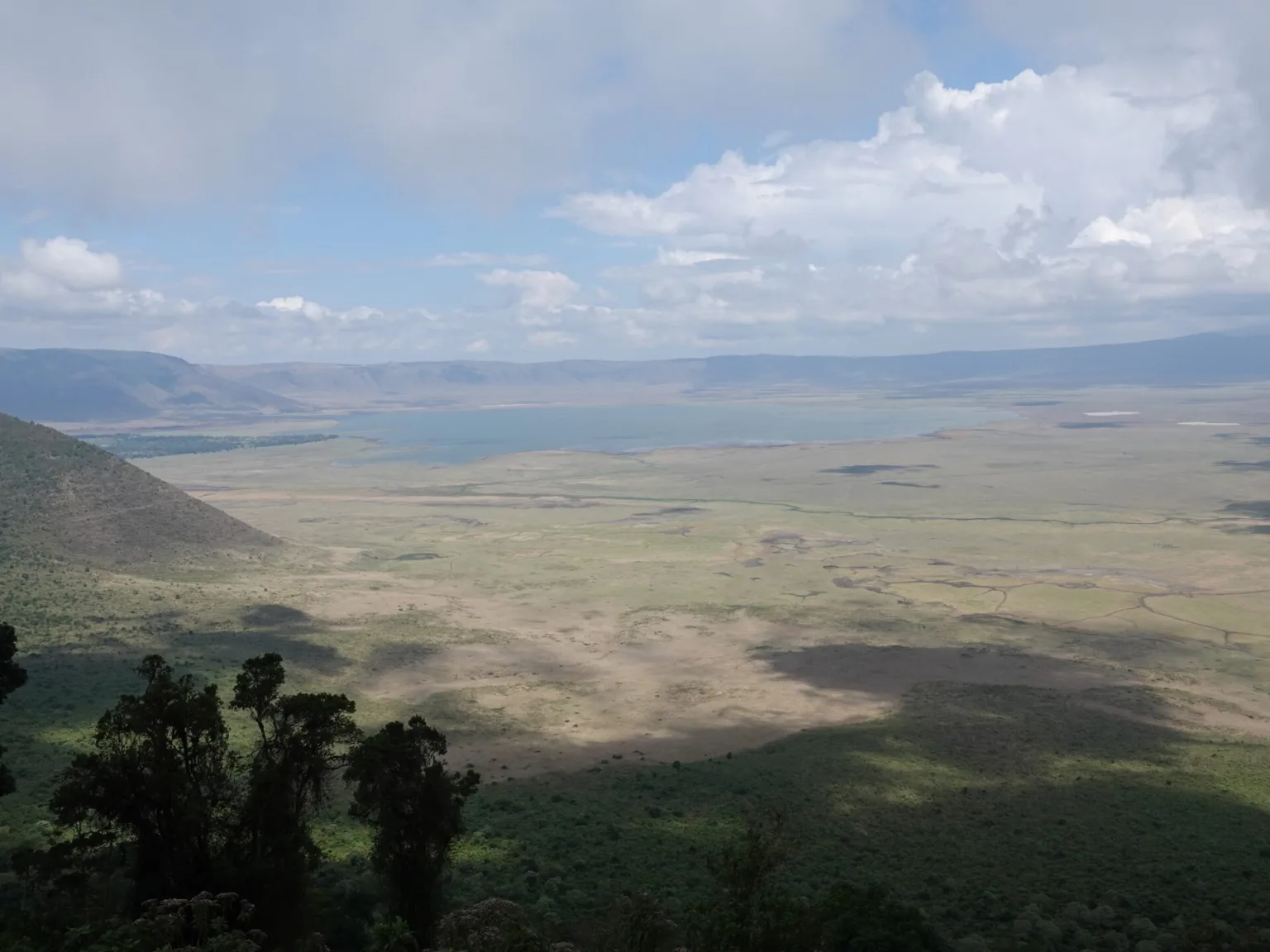
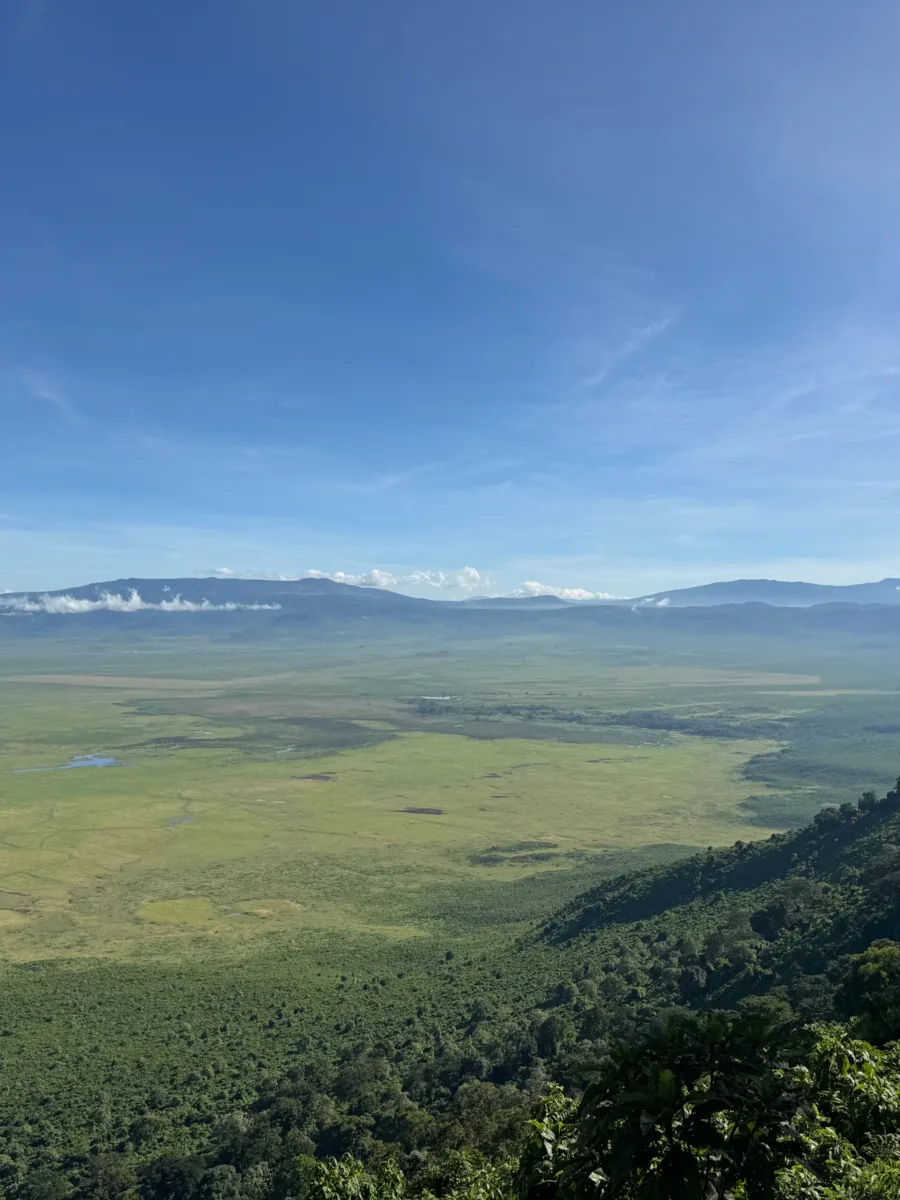
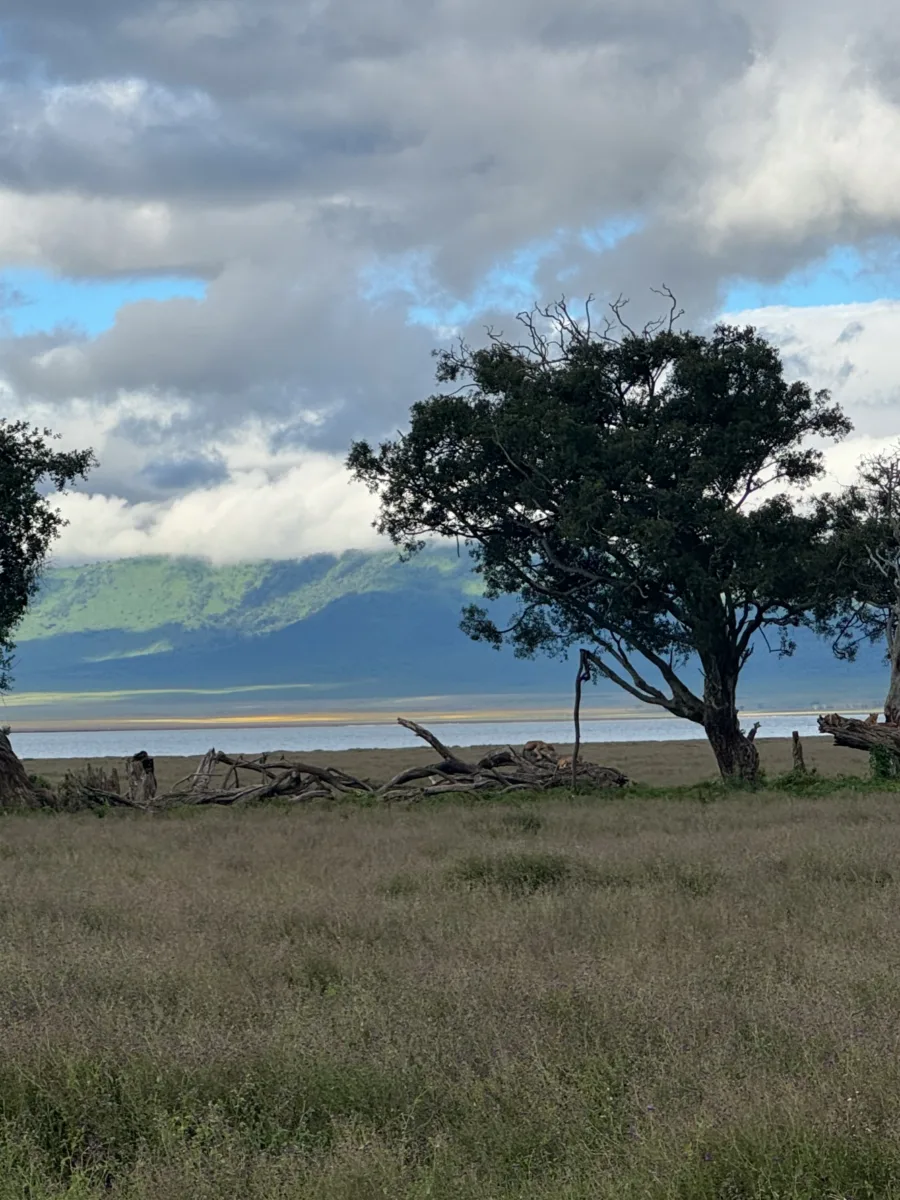
The first view into the Ngorongoro Crater reveals grassland, wetlands, forest and open water enclosed by steep volcanic walls. Its scale is immediate, and the concentration of different habitats explains why the crater has become one of Northern Tanzania’s best-known wildlife destinations. Yet the crater is only one part of the Ngorongoro Conservation Area. Beyond the rim, the landscape continues through rolling highlands, savannah, volcanic formations and plains connected to the wider Serengeti ecosystem. Wildlife responds to water, grazing and seasonal conditions across these environments. At the same time, people have lived and kept livestock within the wider conservation landscape for generations. Ngorongoro is therefore not simply a place to descend, photograph wildlife and leave. Its fuller story brings together geology, ecology, human history, present-day livelihoods and one of the world’s most important records of human evolution.
- A volcanic crater full of life
- Geology, history and people beyond the rim
- First-time travellers seeking varied wildlife habitats
- Travellers combining Ngorongoro with the Serengeti
- Families and multi-generational groups
- Those interested in geology and human history
- Travellers looking beyond conventional game viewing
- A vast volcanic caldera contains several habitats within its walls
- The wider conservation area connects highlands with the Serengeti plains
- Wildlife, livestock and human livelihoods share the broader landscape
- Geological and archaeological history add depth beyond safari
- Popular wildlife: lions, black rhinoceroses and Cape buffalo
A landscape connected to the wider north
Ngorongoro lies between Karatu, Lake Eyasi and the plains leading towards Serengeti National Park. Its position makes it an important transition within the Northern Circuit. The crater may dominate maps and photographs, but the conservation area also includes highlands, forest, archaeological sites, open plains and authorised walking landscapes.
- Naturally connected with the Serengeti ecosystem
- Within reach of Karatu and Lake Eyasi
- Experienced by vehicle and on foot in selected areas
- Best understood as more than a single crater descent
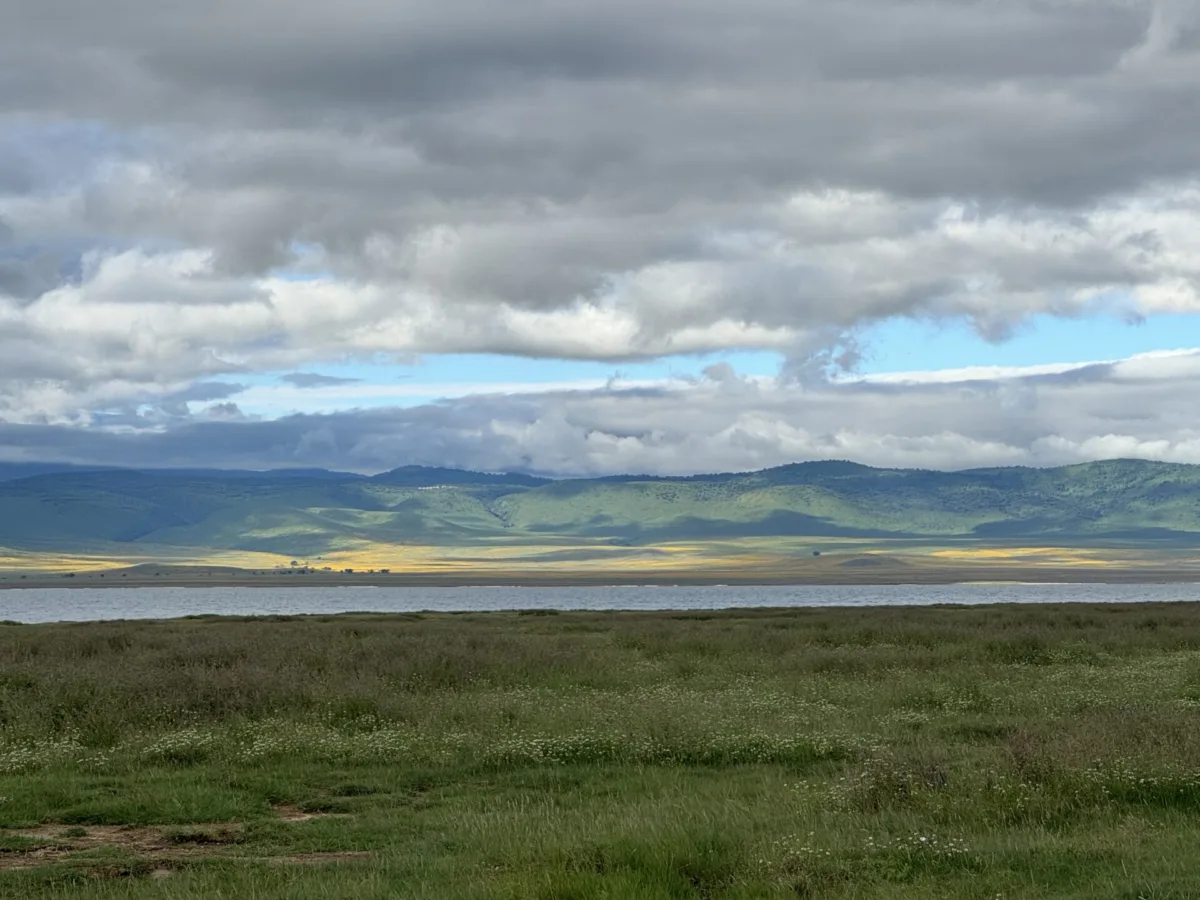
A crater shaped by fire, water and time
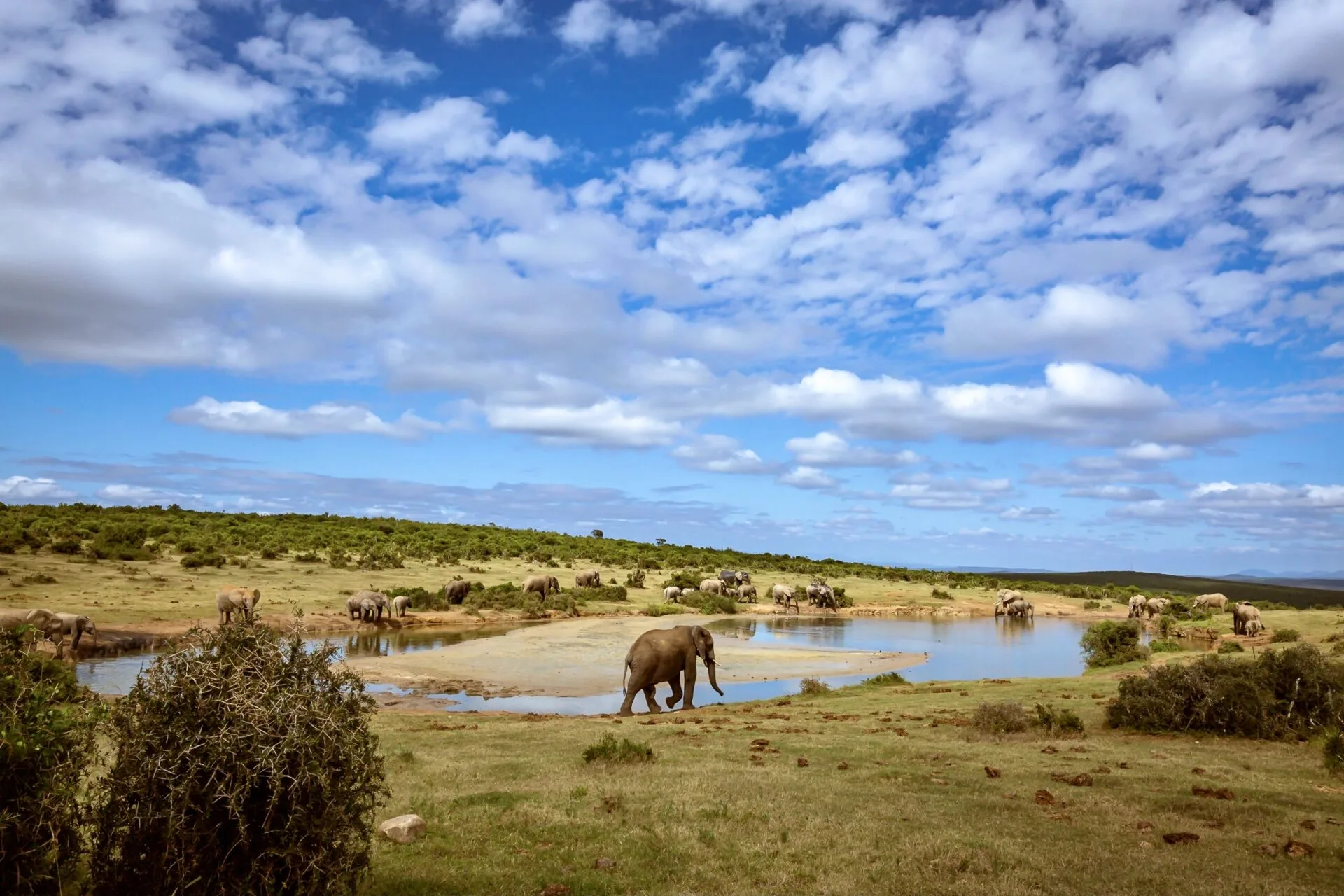
Ngorongoro Crater formed after the collapse of a large volcano. Within the resulting caldera, grasslands, wetlands, freshwater sources, forest and Lake Magadi create different conditions for wildlife. These habitats allow many species to live within a relatively contained area. Grazing animals use the open plains, predators respond to their movement and water influences where animals gather throughout the day. The crater walls create a powerful sense of enclosure, but the ecosystem is not completely separate from the wider conservation area. A game drive can produce several wildlife encounters within one day. The stronger experience, however, comes from understanding why particular species use different parts of the crater floor.
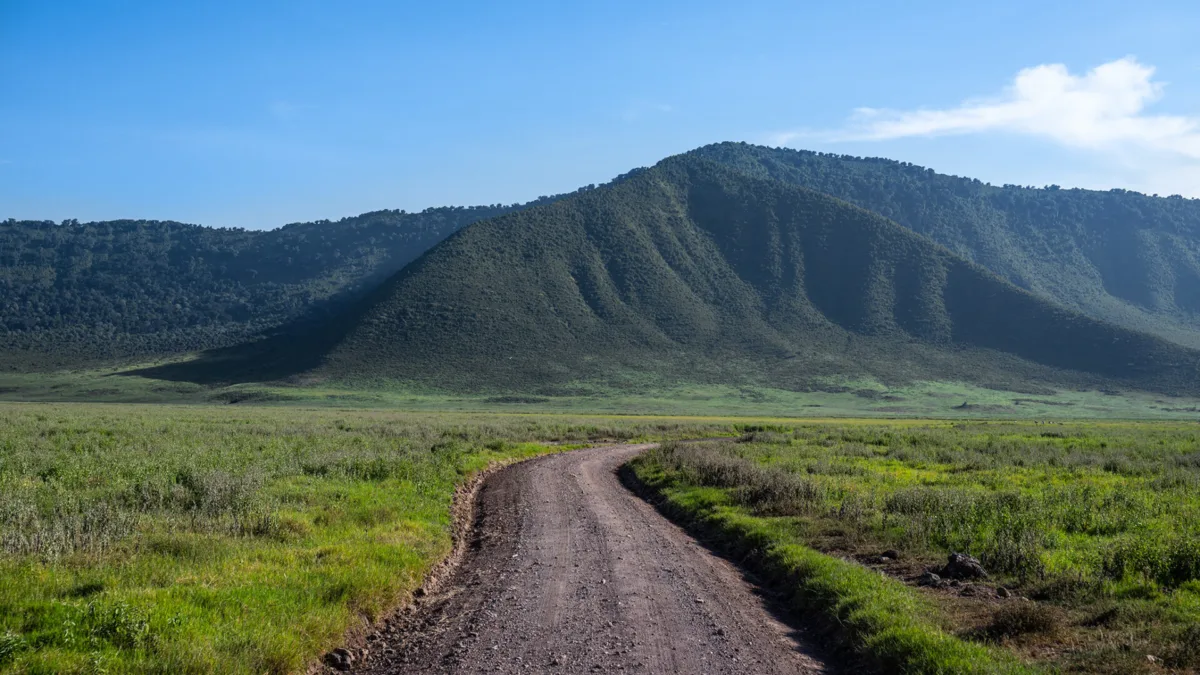

Concentration does not require urgency
Ngorongoro is a popular destination, and notable sightings may attract several vehicles. A high concentration of wildlife can easily encourage visitors to move rapidly from one report to another. Lamai chooses a more considered rhythm. Your guide reads the landscape, uses thoughtful positioning and avoids adding unnecessary pressure around animals. The best view is not always found at the centre of the largest vehicle cluster. Time spent observing grazing patterns, predator behaviour or activity around water may offer more insight than rushing to complete a list of species. The crater’s value does not come from wildlife numbers alone. It comes from the relationship between geology, habitat and life within the caldera.
Activities in Ngorongoro Conservation Area
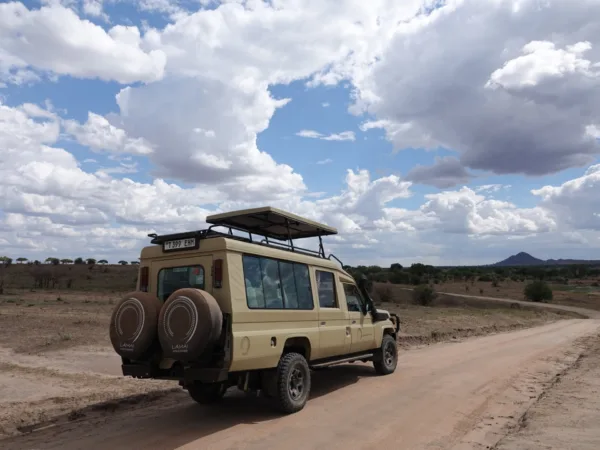
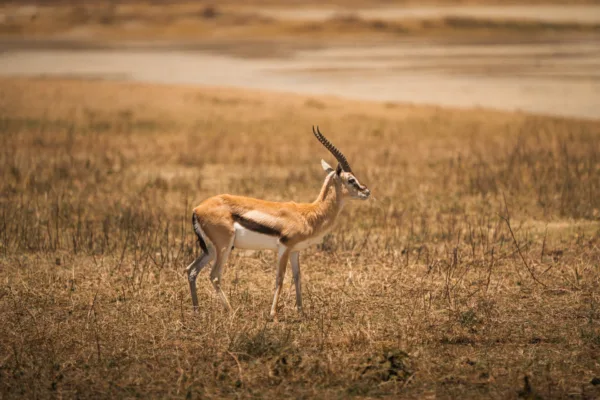
Game drive
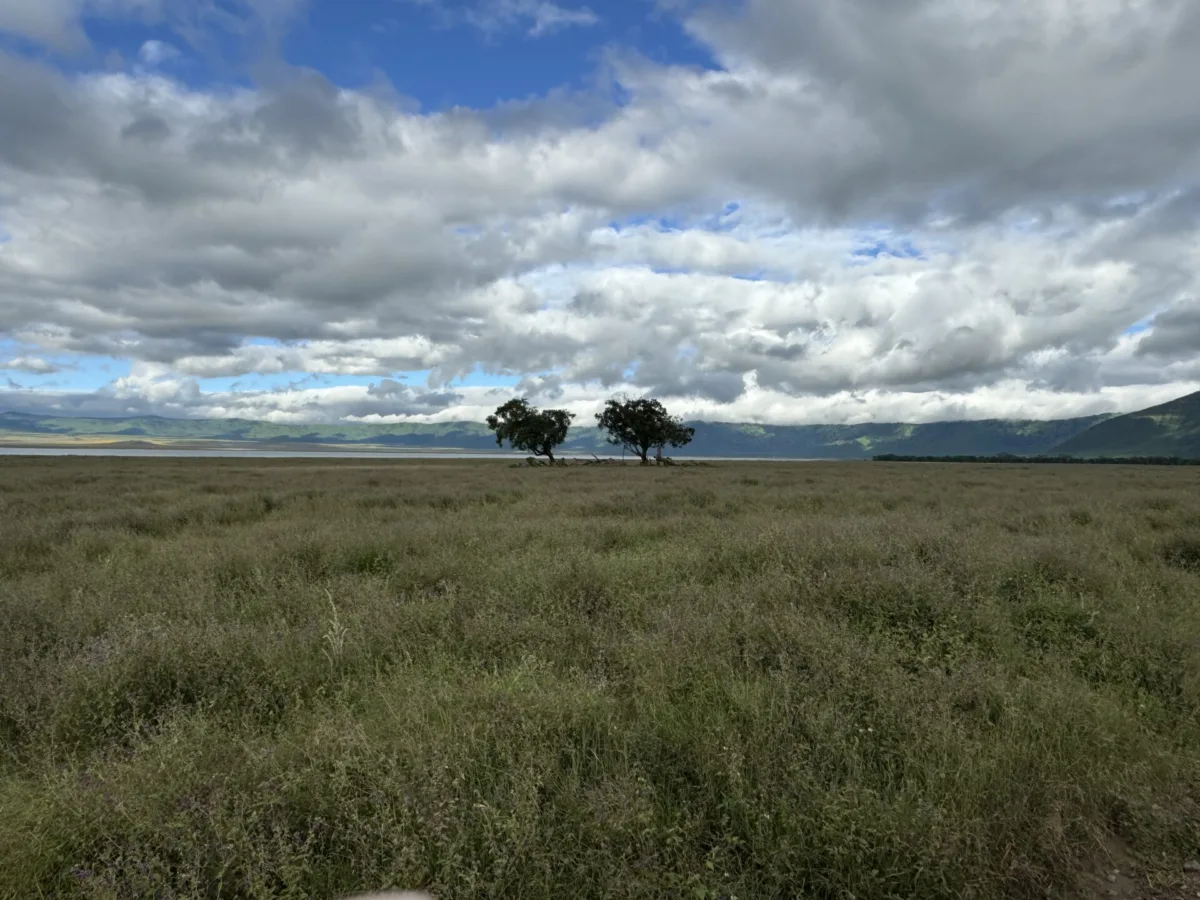
Walking safari
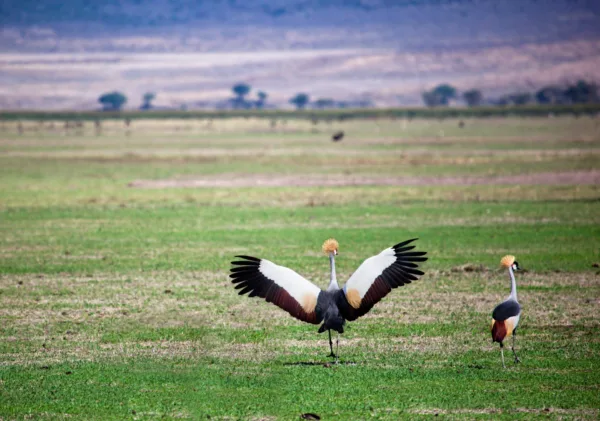
Birdwatching
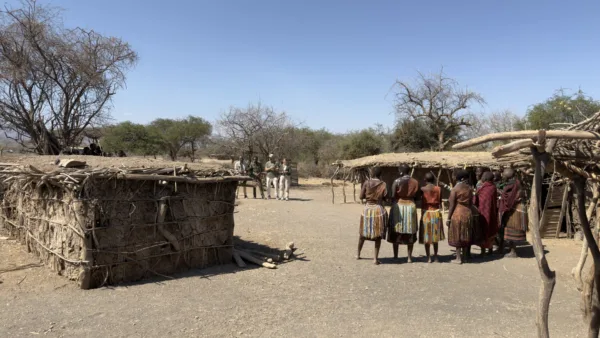
Culture and local knowledge
Travel through Ngorongoro with context
Ngorongoro connects naturally with Lake Manyara, Lake Eyasi and the Serengeti. A crater game drive can form part of a wider Northern Circuit journey without requiring several additional travel days. One full day may be enough for the crater itself. Two or more nights create more flexibility to explore the highlands, include Oldupai Gorge or avoid treating the area as a rushed transfer. Accommodation may be located around Karatu, in the highlands or close to the crater rim. Staying near the rim can reduce morning travel before a descent, while Karatu may fit more naturally with surrounding destinations and activities. Ngorongoro works especially well for travellers who want ecological and historical context alongside wildlife. Those focused only on a brief crater checklist may miss much of what distinguishes the wider conservation area.

Start shaping your Tanzania journey
Frequently asked questions
No. The conservation area also includes volcanic highlands, forest, plains, archaeological sites and landscapes connected to the wider Serengeti ecosystem.
A full crater game drive can fit within a wider itinerary. Two or more nights provide time for the highlands, Oldupai Gorge or a less hurried route.
Ngorongoro can be visited throughout much of the year. Rainfall influences vegetation, road conditions, visibility and wildlife distribution.
Black rhinoceroses live within the conservation area and may be observed on the crater floor. Their location and visibility vary, so the wider experience should not depend on finding one species.
Yes. Crater game drives can work well for different age groups. Longer walks and cultural experiences should be selected around the group’s pace and interests.
Walking is available on selected authorised routes in the wider conservation area. Walks require appropriate arrangements and qualified guidance.
It can add important historical and archaeological context to the journey. Whether it fits depends on your route, time and interest in human evolution.
Continue your journey
Saadani National Park
Kilimanjaro National Park
Tarangire National Park