
Kilimanjaro National Park
Kilimanjaro National Park
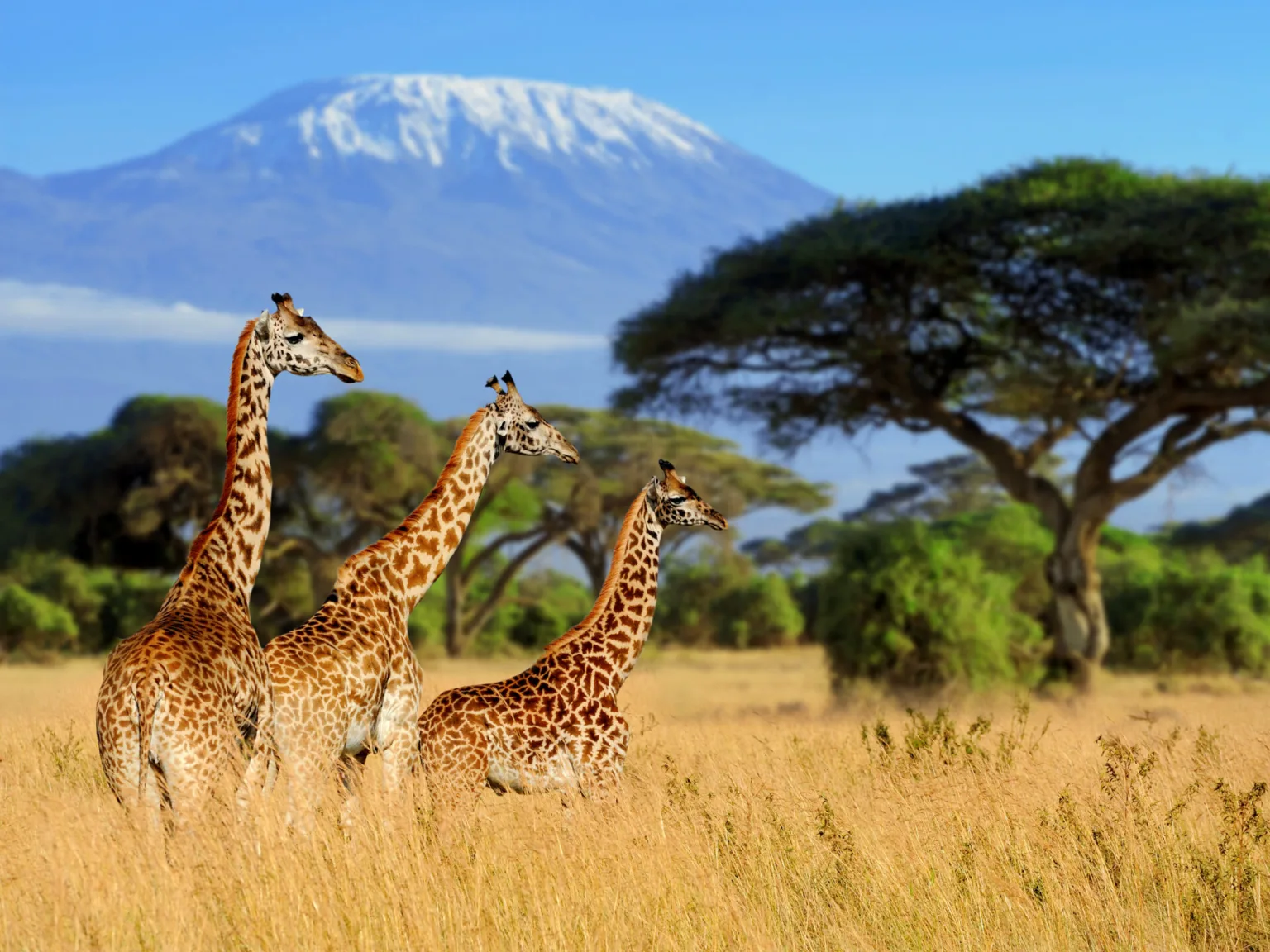
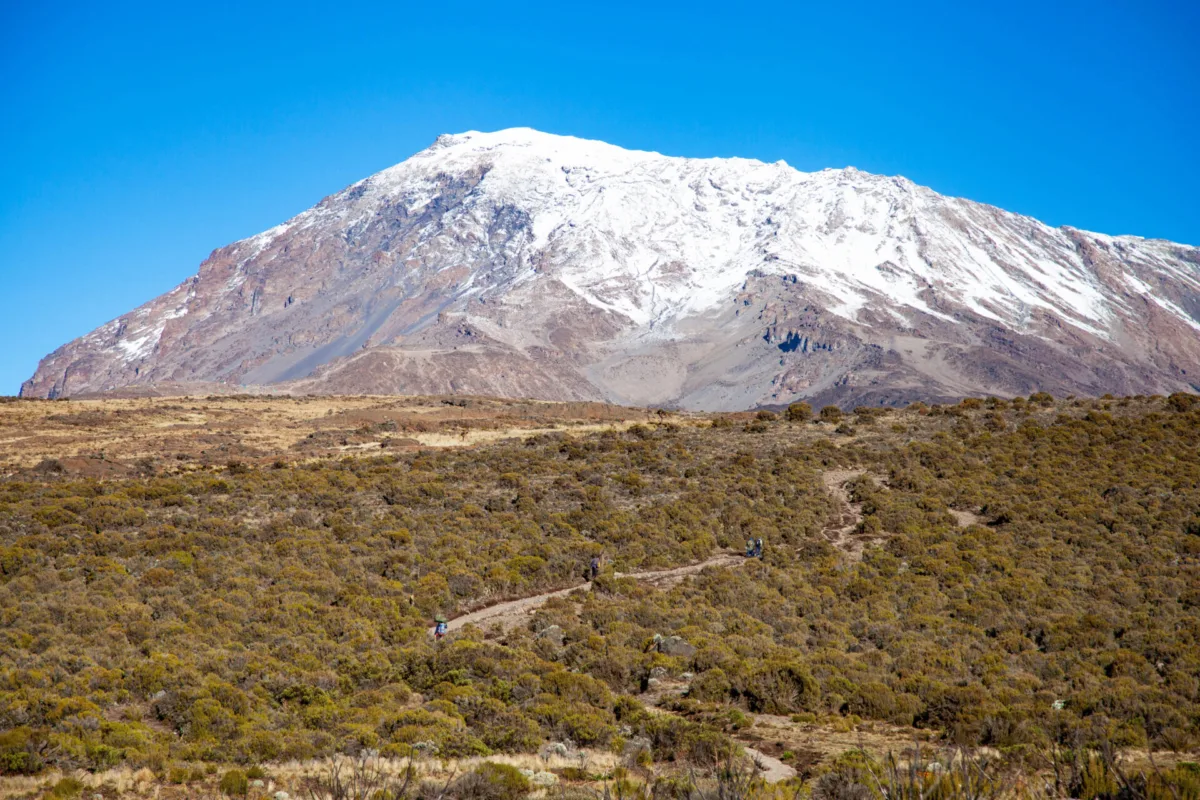
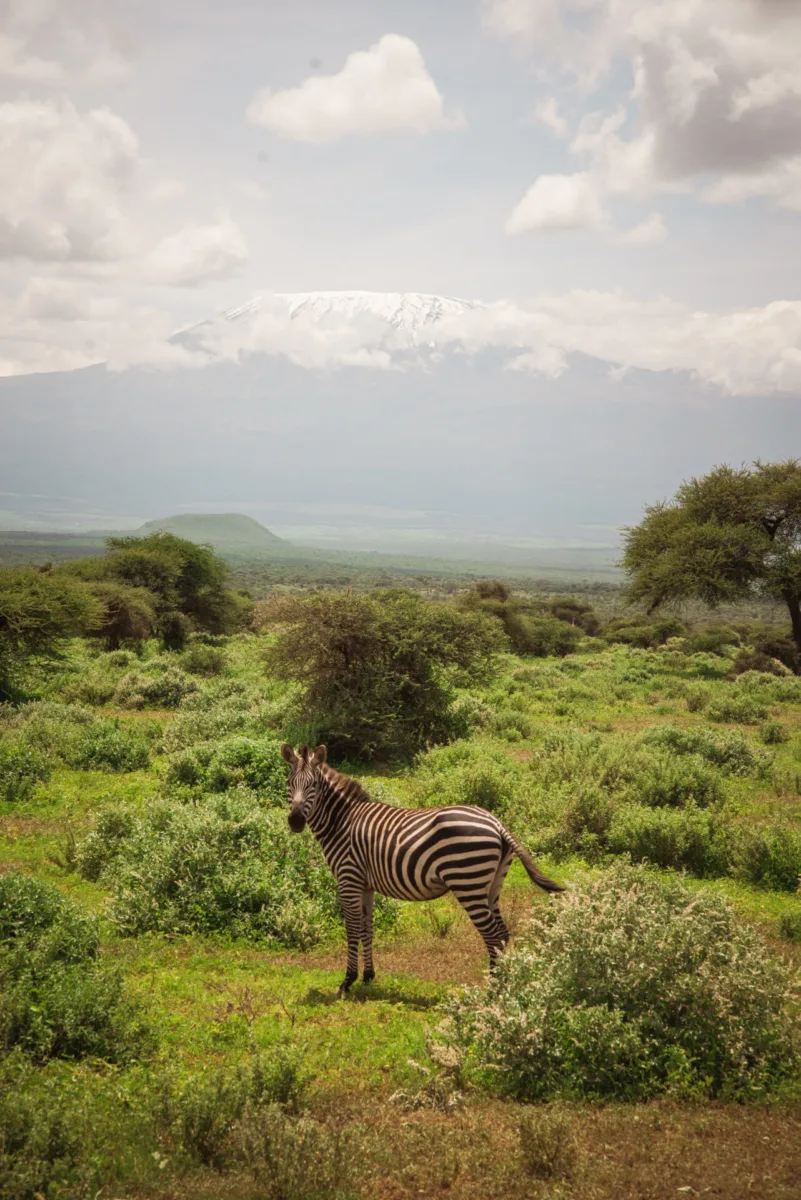
Kilimanjaro rises from the plains of north-eastern Tanzania to 5,895 metres, making it the highest mountain in Africa. From below, its scale is difficult to grasp. On the mountain, it reveals itself gradually through changing vegetation, colder air and increasingly exposed terrain. A climb often begins among cultivated lower slopes before entering montane forest. Higher up, forest gives way to heath and moorland, followed by alpine desert and the volcanic landscape near the summit. Each stage brings different temperatures, light, terrain and oxygen levels. Reaching Uhuru Peak may be the ambition, but the climb cannot be reduced to its final morning. Camp life, daily walking, changing landscapes and the body’s response to altitude are all part of the experience. Lamai plans the journey around preparation, acclimatisation and responsible decisions. The shortest route is not automatically the strongest route, and continuing upwards is never more important than the wellbeing of the climber or mountain team.
- Five landscapes within one ascent
- Supported by an experienced mountain team
- Travellers working towards a major physical goal
- Experienced hikers and prepared first-time climbers
- Travellers interested in altitude and changing landscapes
- Private groups looking for a carefully paced climb
- Those combining a mountain journey with Northern Tanzania
- The landscape rises from cultivated slopes to an alpine summit
- Several official routes offer different scenery and climbing rhythms
- A relatively short horizontal distance includes major changes in altitude
- The journey depends on an organised team of guides, cooks and porters
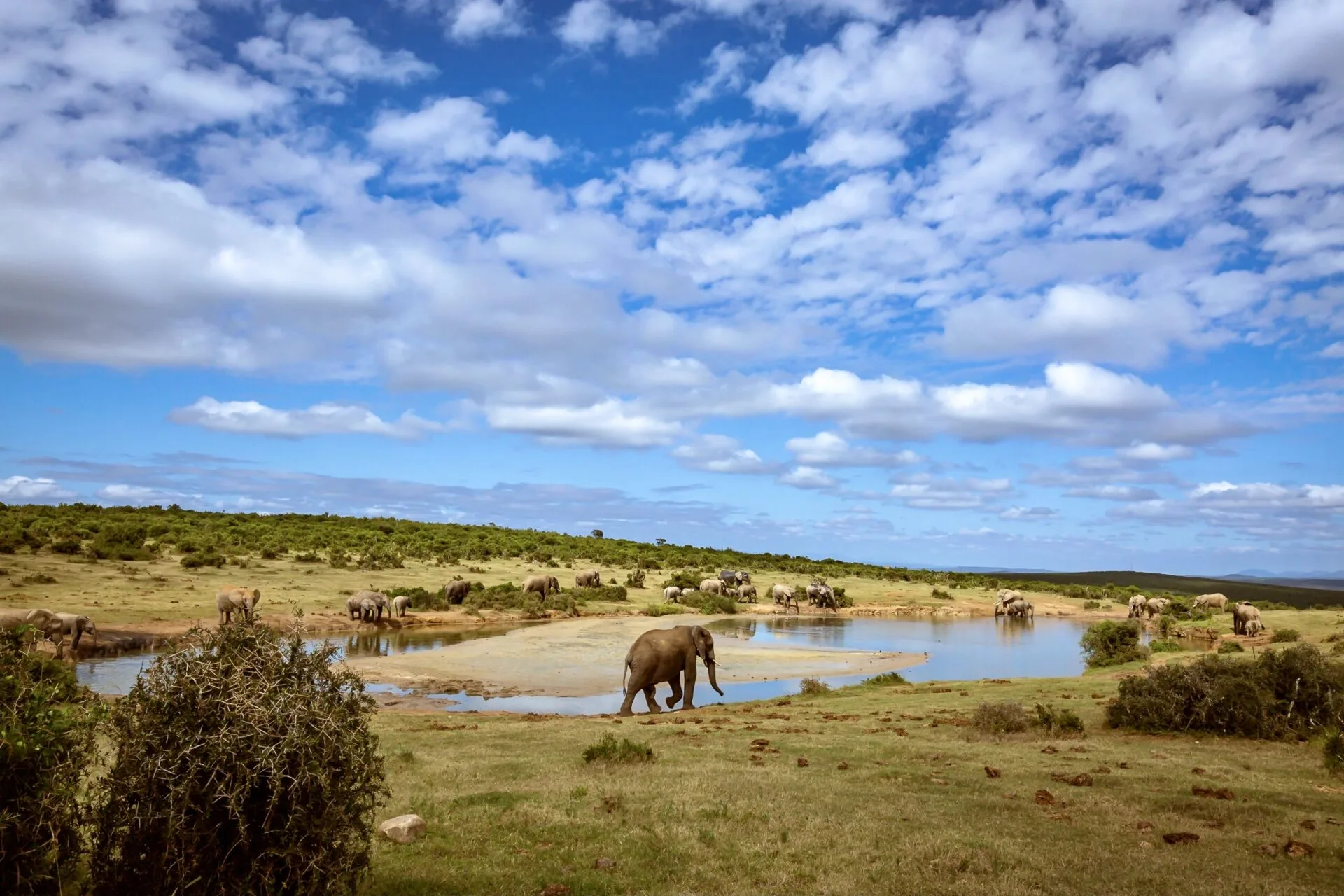
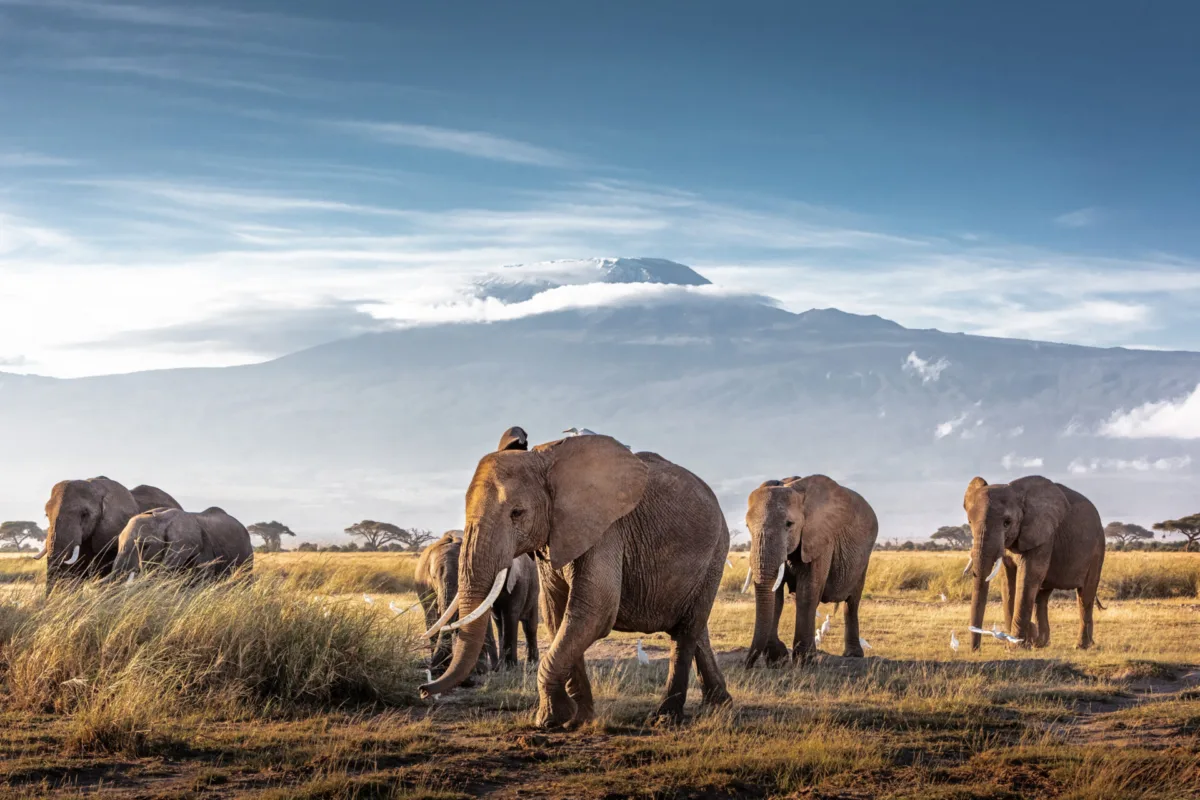
- Characteristic wildlife: blue monkeys, colobus monkeys and elephants
From the plains to the peak of Africa
Kilimanjaro lies near Moshi and Kilimanjaro International Airport. Its location makes it possible to plan the climb as a focused journey or combine it with Arusha, the Northern Circuit or a recovery period afterwards. There is no single standard path to the summit. Official routes approach from different directions and vary in duration, scenery, traffic, accommodation and acclimatisation profile.
- Uhuru Peak reaches 5,895 metres
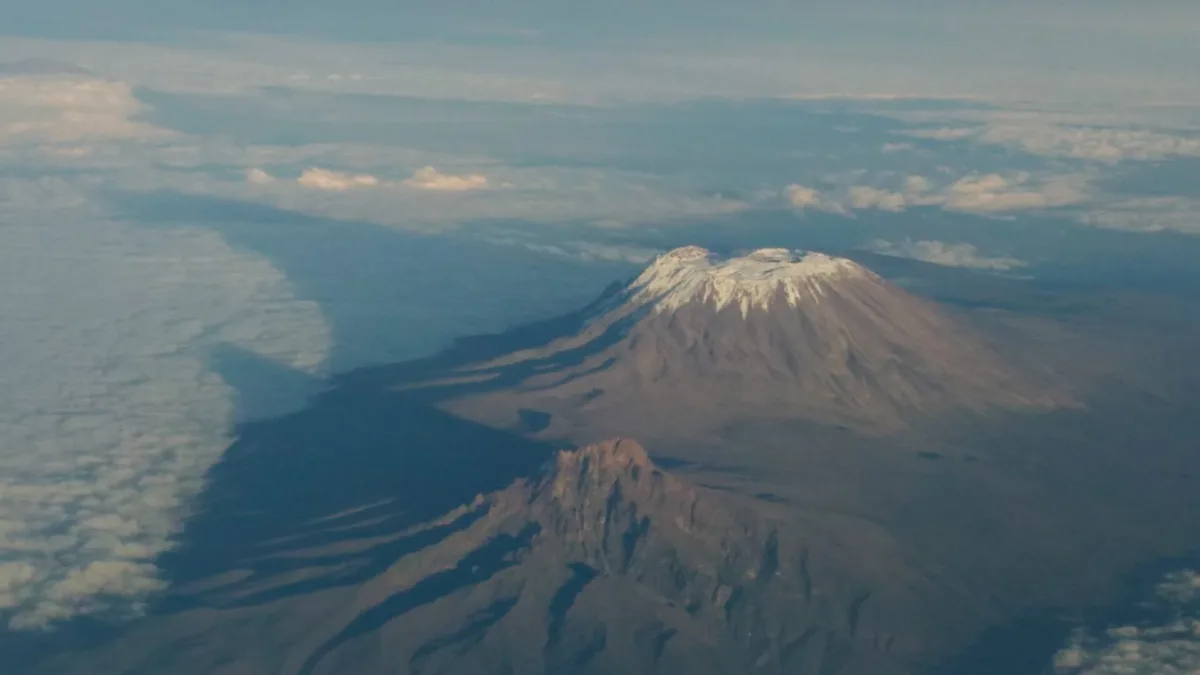
- The mountain includes Kibo, Mawenzi and Shira
- Climbs begin from several official gates
- Route choice affects pace, scenery and acclimatisation
Five different landscapes within one ascent
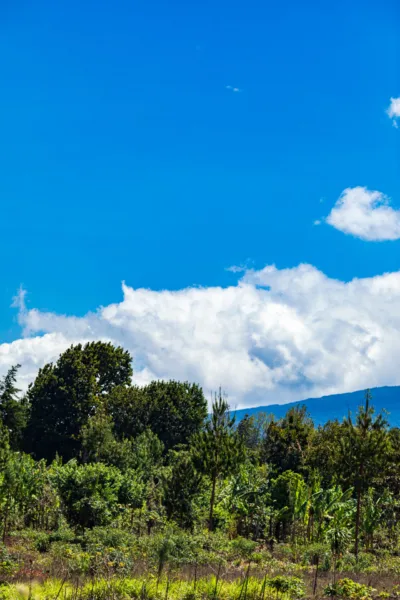
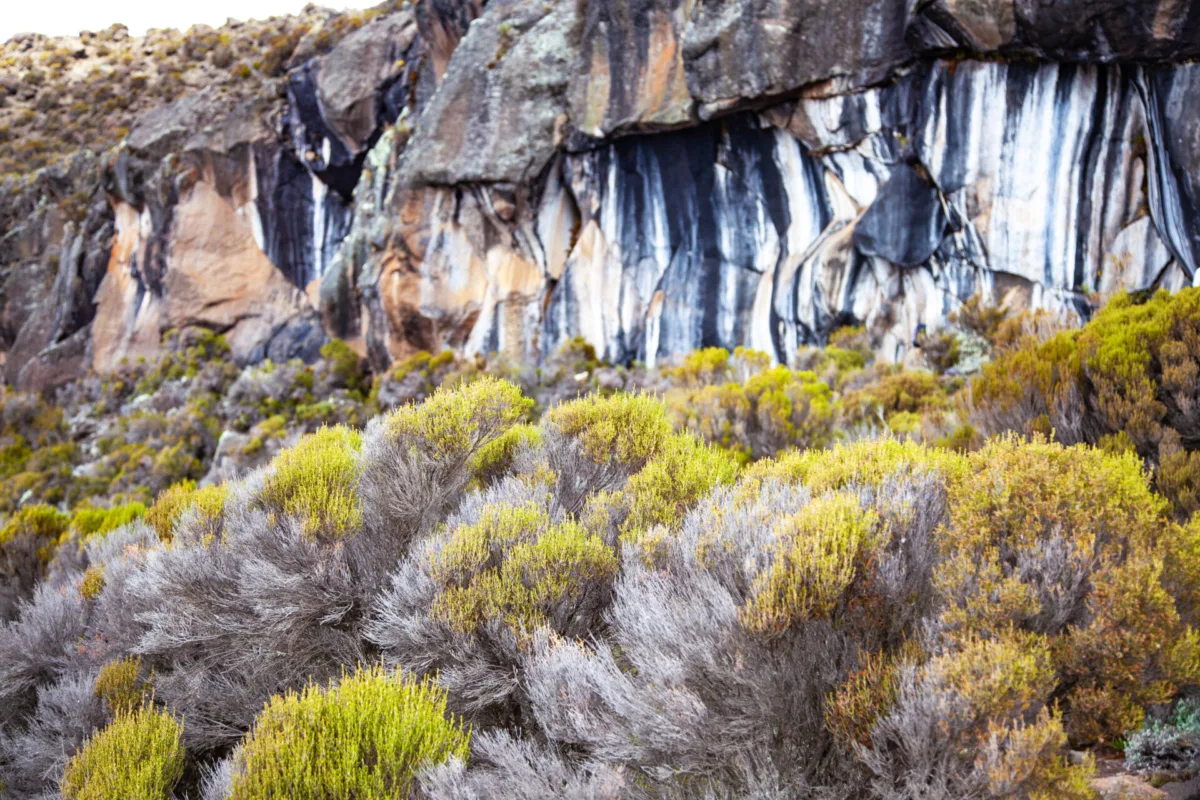
Kilimanjaro’s defining feature is the change between environmental zones. The mountain is not experienced as one continuous rocky slope. Lower areas lead through cultivated land and montane forest, where moisture supports dense vegetation, monkeys and birdlife. Heath and moorland follow, with more open views and plants adapted to colder and increasingly exposed conditions. Higher still, the alpine desert brings sparse vegetation, cold nights and intense sunlight. Near the summit, ice, volcanic rock and thin air dominate the environment. These changes explain why distance alone says little about the difficulty of a day. Elevation gain, temperature and oxygen availability may transform the conditions within only a few hours.

A climb supported by a team
A Kilimanjaro summit is never reached through individual effort alone. Guides, assistant guides, cooks and porters make the journey possible through route knowledge, camp organisation, food preparation and daily support. Their experience also informs decisions about pace, health and changing mountain conditions. A strong team does more than lead the route; it observes how climbers respond and recognises when plans need to change. Lamai treats this work with dignity. The mountain team should never disappear behind the summit photograph. Their safety, working conditions and professional judgement remain part of how the climb is organised. Altitude can affect any traveller, regardless of age or fitness. When symptoms make further ascent unsafe, descending is the responsible decision. Turning back does not erase the effort, landscapes or experience that came before it.
Activities in Kilimanjaro National Park
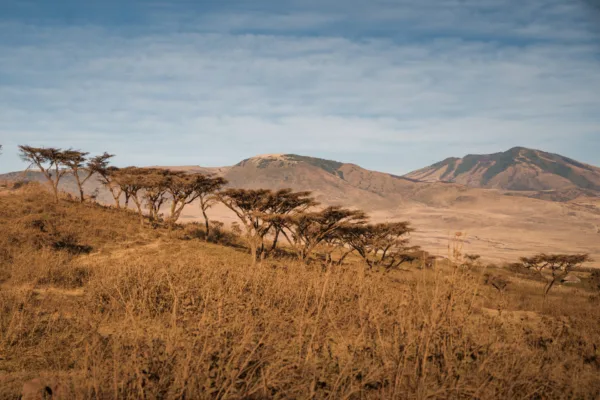
Mountain climbing
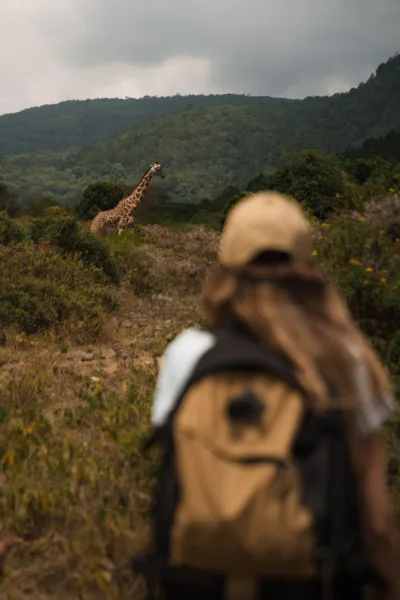
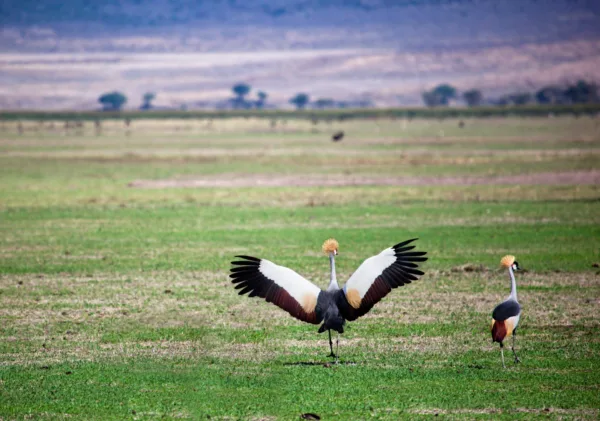
Birdwatching
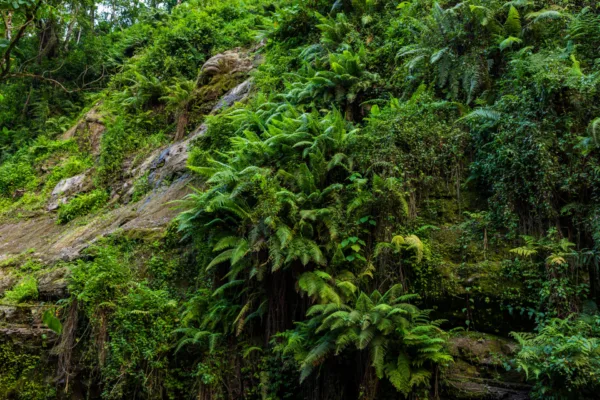
Forest walks
Climbing with respect for people and mountain
Kilimanjaro can form the main purpose of a Tanzania journey or sit alongside a Northern Circuit safari. The right order depends on your priorities, fitness and the amount of recovery time available. A summit climb requires several days, with the exact duration determined by the route. Allowing additional time can create a more gradual ascent and improve the opportunity for acclimatisation. Route choice should therefore be based on more than price or the shortest possible schedule. Travellers combining Kilimanjaro with safari may prefer to climb first and recover afterwards. Others may benefit from arriving earlier, resting near Moshi or Arusha and beginning only after adequate preparation. Accommodation before and after the climb is selected around airport access, the mountain gate and recovery needs. During the ascent, accommodation depends on the chosen route and may consist of mountain huts or designated camps. A summit attempt is not suitable for every traveller. Lower-altitude hikes and forest experiences can provide a meaningful connection to Kilimanjaro without committing to several days at high elevation.

Start shaping your Tanzania journey
Frequently asked questions
The duration depends on the selected route. A longer itinerary generally creates a more gradual ascent and gives the body additional time to adapt to altitude.
There is no universally best route. Routes differ in duration, scenery, traffic, accommodation and acclimatisation profile. The right choice depends on your experience, available time and preferred climbing style.
You should be comfortable walking on consecutive days over uneven and sometimes steep terrain. Endurance and appropriate training are important, but physical fitness alone does not prevent altitude sickness.
Headaches, nausea, dizziness and unusual fatigue can be early symptoms. Climbers must report changes honestly so the guide can assess whether rest, a route adjustment or descent is needed.
Official age restrictions apply at higher elevations. Meeting the minimum age does not automatically make a summit climb suitable, as maturity, fitness and response to altitude must also be considered.
Yes. Forest walks, lower-altitude hikes, waterfalls and other mountain experiences make it possible to explore Kilimanjaro without undertaking a full summit route.
Drier periods are generally preferred, although weather can change quickly throughout the year. Travel dates should also be considered alongside route traffic and the wider Tanzania itinerary.
Continue your journey
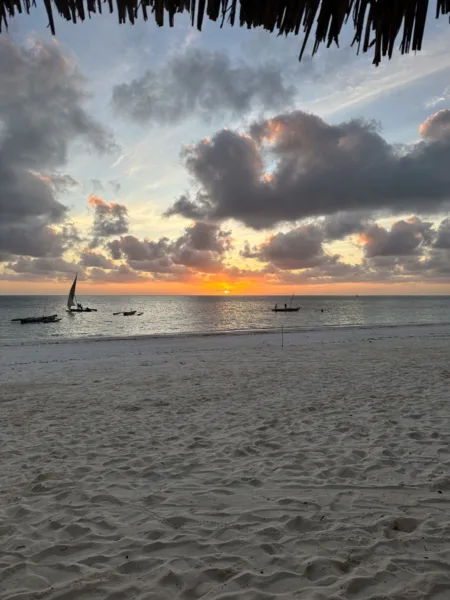
Zanzibar
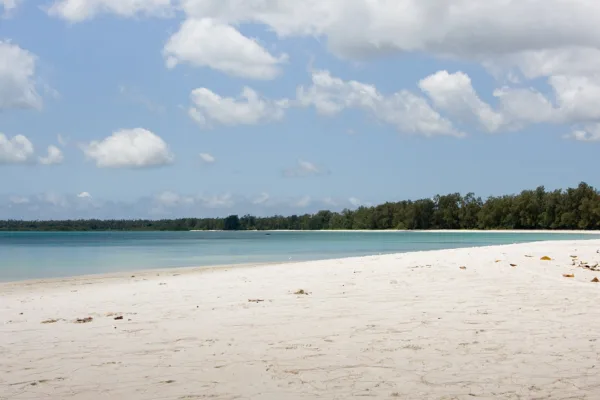
Pemba Island
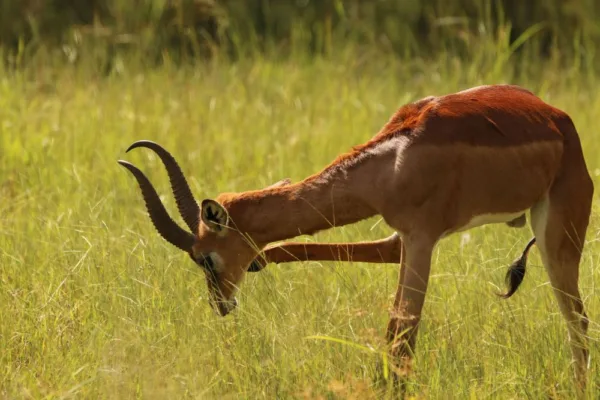
Mkomazi National Park