
Gombe National Park
Gombe National Park
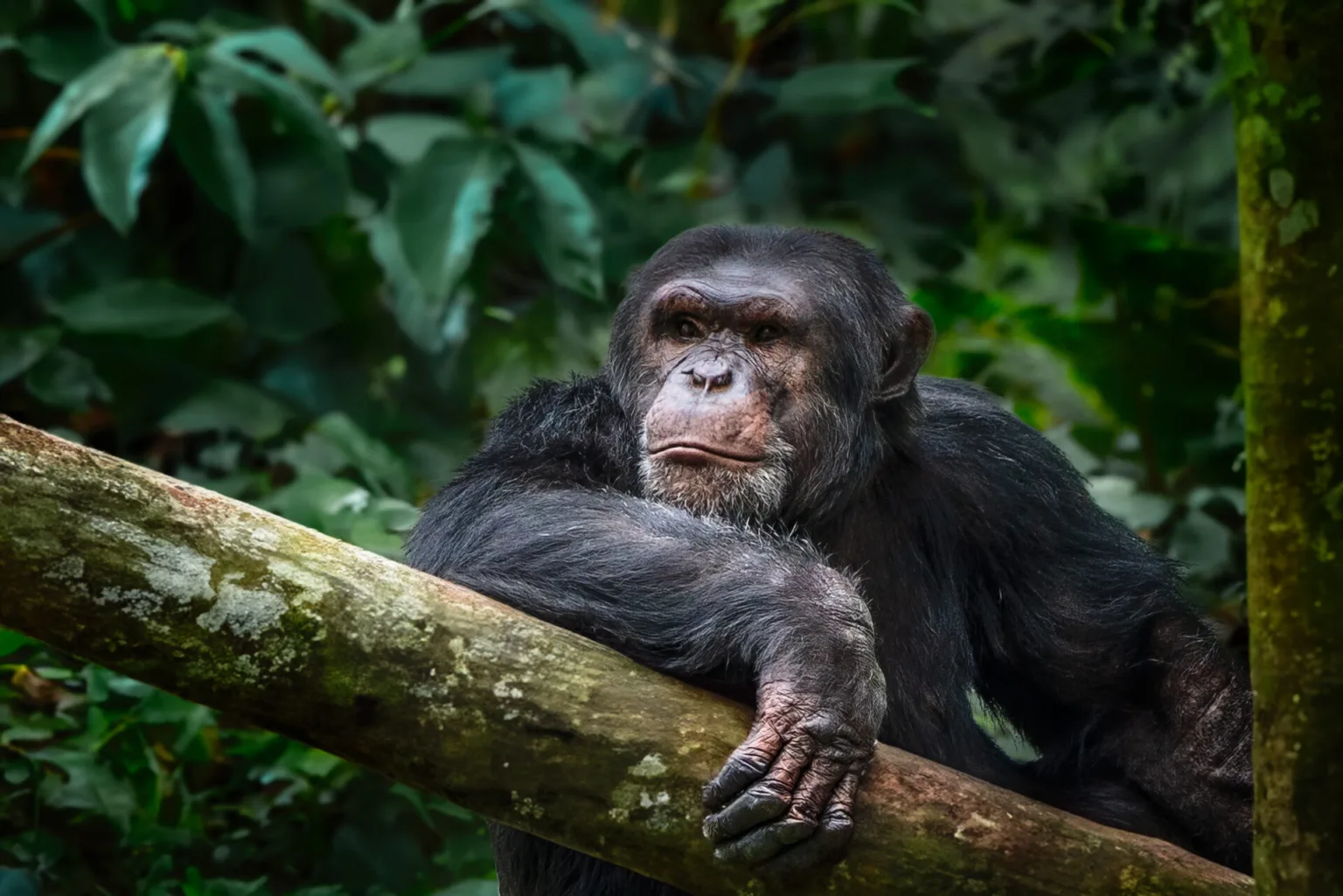
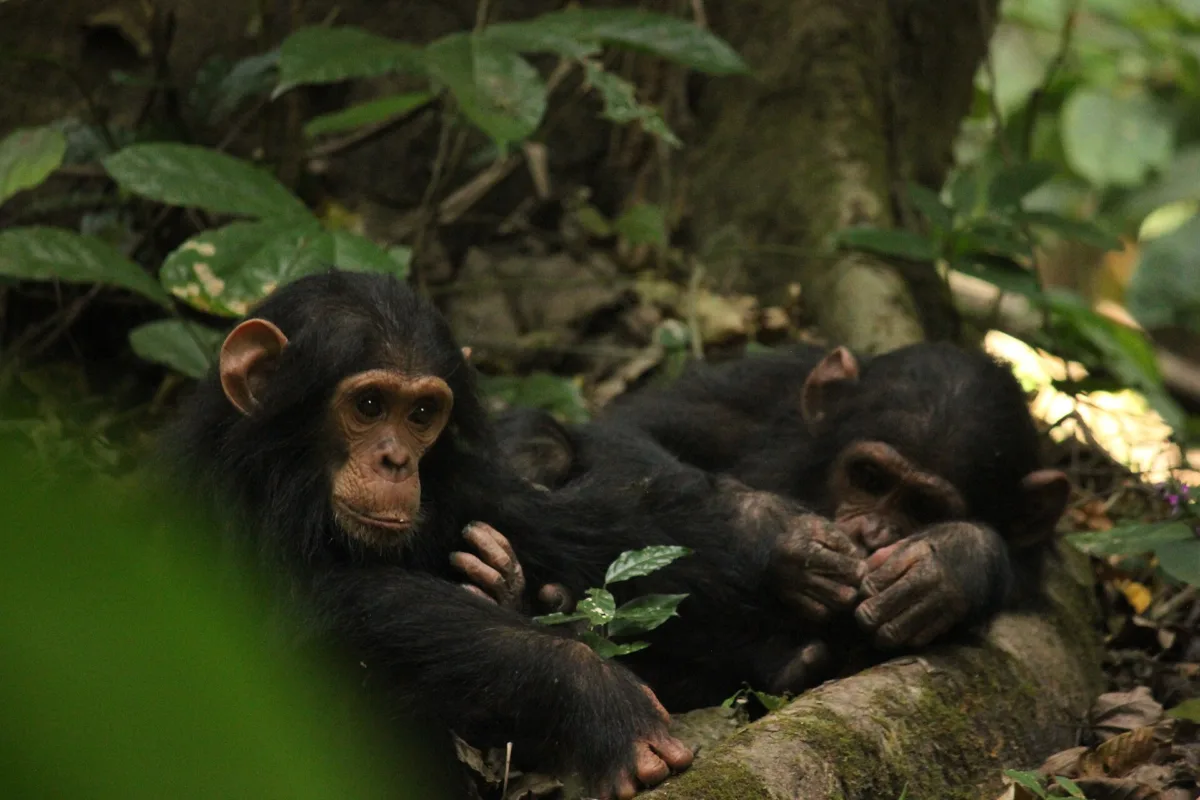
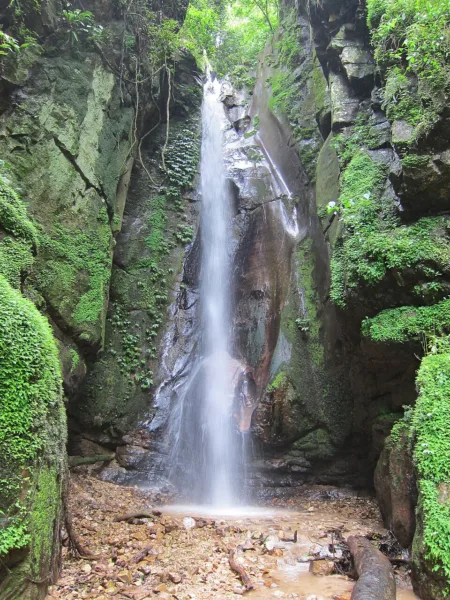
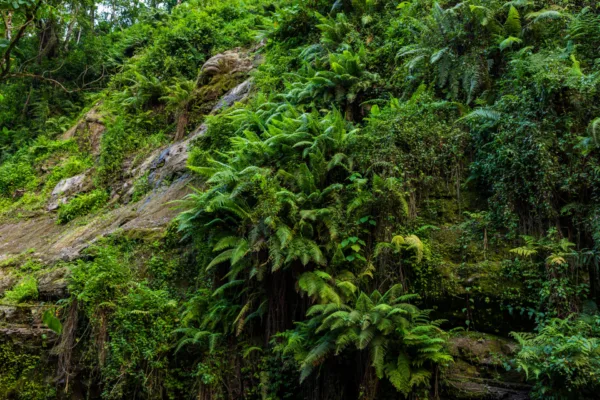
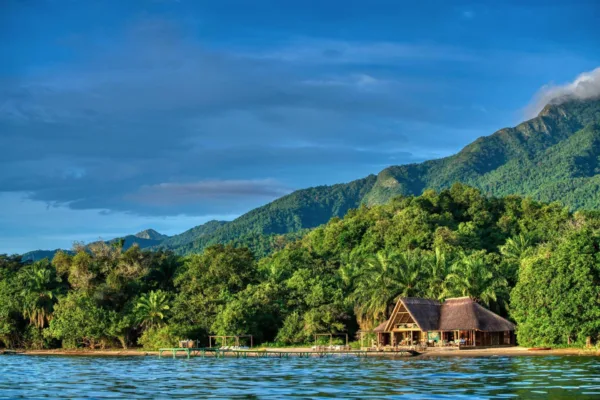
Steep forested slopes rise directly from the clear waters of Lake Tanganyika. Streams run through narrow valleys, paths climb beneath the canopy and almost every experience begins on foot. There are no open plains to cross by safari vehicle. Chimpanzees are the main reason many travellers come to Gombe, but they cannot be separated from the forest around them. Their movements respond to food, water, social relationships and changing conditions. Some tracking walks are relatively short; others lead further into steep and humid terrain. The experience becomes more meaningful when it extends beyond reaching the chimpanzees. Communication, grooming, feeding and relationships within the community reveal far more when observed with time and context. Beyond the primates, Gombe also offers forest birds, monkeys, streams, waterfalls and changing views across one of Africa’s great lakes.
- Where chimpanzee research began
- A forest reached by boat, explored on foot
- Travellers with a strong interest in chimpanzees
- Active travellers comfortable with forest walking
- Wildlife enthusiasts interested in behaviour and research
- Travellers who prefer several days in one remote destination
- Those combining forest, lake and Western Tanzania
- The park is reached by boat and explored primarily on foot
- Steep forest meets the shoreline of Lake Tanganyika
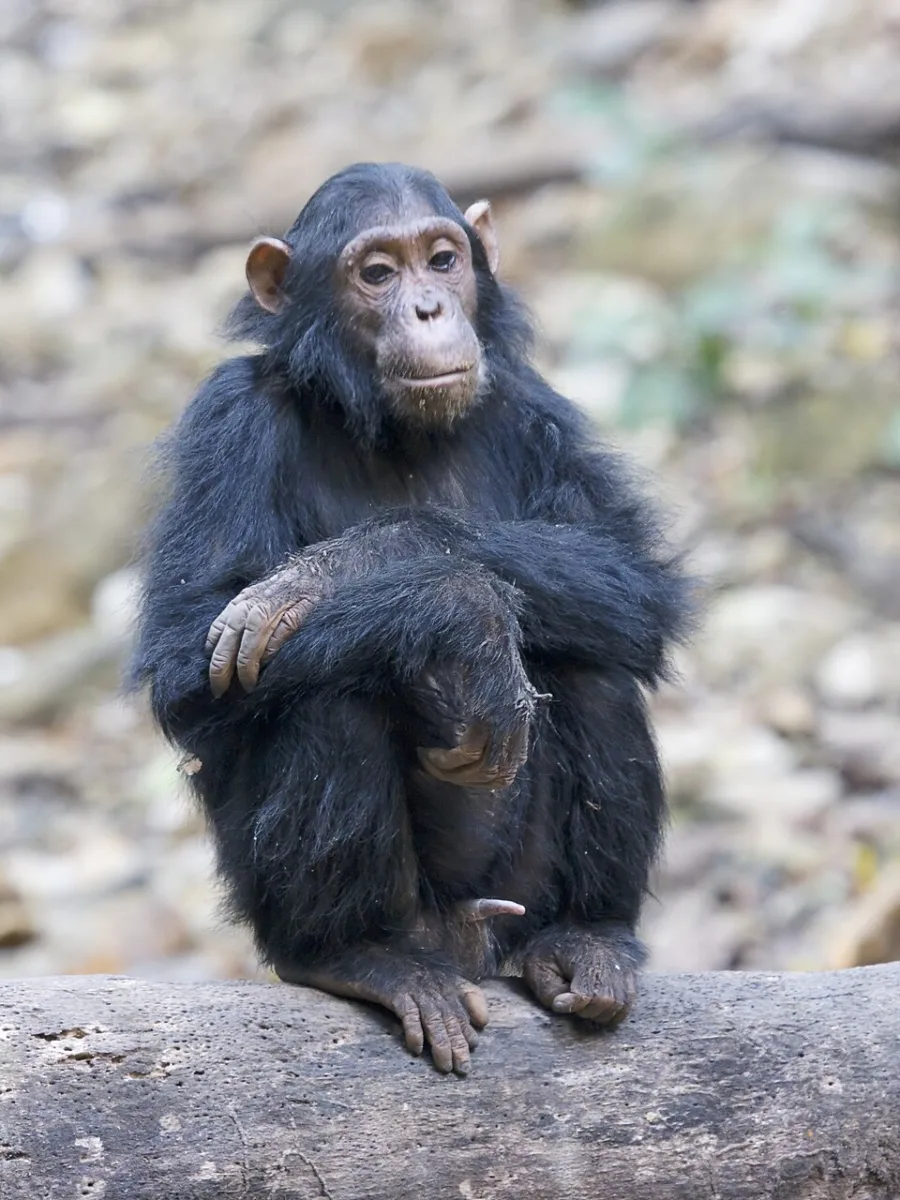
- Gombe holds the world’s longest-running study of wild chimpanzees
- Long-term research adds context to individual animals and relationships
- Popular wildlife: chimpanzees, olive baboons and red-tailed monkeys
Between Kigoma, forest and lake
Gombe lies north of Kigoma on the eastern shore of Lake Tanganyika. Travellers first reach Kigoma and then continue by boat, as there is no road entrance into the park. The lake and rising terrain shape almost every part of the experience. Forested valleys climb quickly from the shoreline, creating a destination where walking, tracking and time on the water replace traditional game drives.
- Reached by organised boat transfer from Kigoma
- Best experienced over several nights
- Exploration is shaped by forest paths and elevation
- Lake Tanganyika forms part of the journey, not only the route there
A deeper understanding of chimpanzees
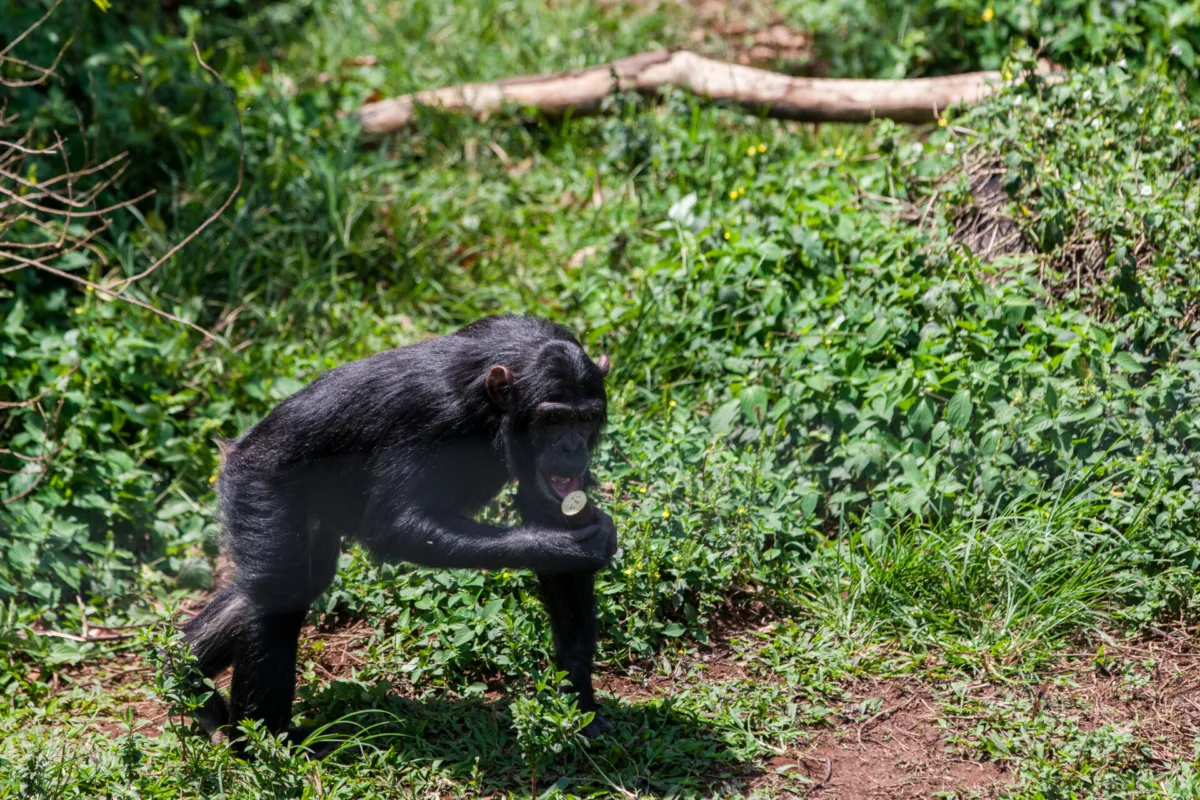
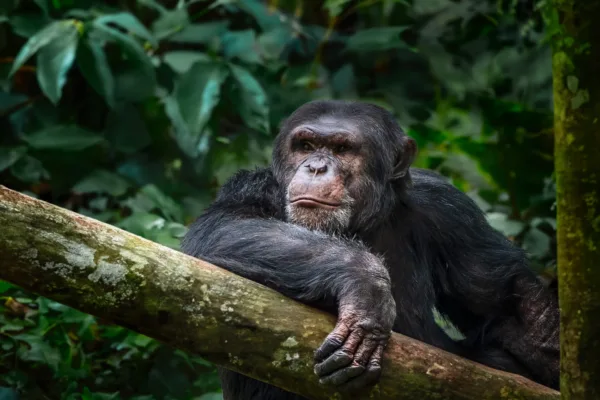
Gombe is internationally connected to the research Jane Goodall began in 1960. Early observations challenged accepted ideas about chimpanzees, while decades of continued study created detailed knowledge of communication, family relationships and social communities. The research continues through Tanzanian field staff, researchers and partners who monitor chimpanzees, baboons and the wider forest ecosystem. Individual animals and family lines have been followed across generations. This history changes the character of a tracking experience. The chimpanzees are not anonymous animals appearing briefly from the forest. Your guide can place behaviour within a much wider story of long-term observation and understanding. Familiarity with researchers does not make the chimpanzees tame. They remain wild animals that decide where to travel, feed and rest. Gombe’s importance lies not in providing easy access, but in showing what patient observation can teach us.

Observe without disturbance
Chimpanzees share a vulnerability to some human illnesses. Responsible behaviour is therefore part of the experience rather than a separate set of formalities. Travellers follow the guidance of park staff, maintain the required distance and avoid blocking an animal’s path. When chimpanzees remain in the canopy or continue moving, their behaviour takes priority over a closer photograph. The physical conditions also deserve careful consideration. Paths may be steep, humid and uneven, particularly after rainfall. We shape the duration of your stay and daily activities around your mobility, fitness and preferred pace.
Activities in Gombe National Park
Chimpanzee tracking
Forest walks
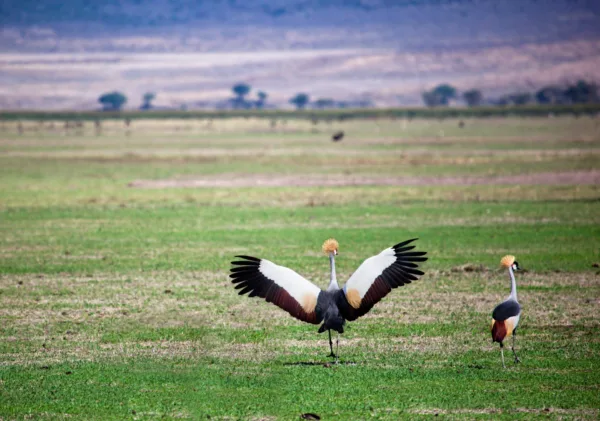
Birdwatching
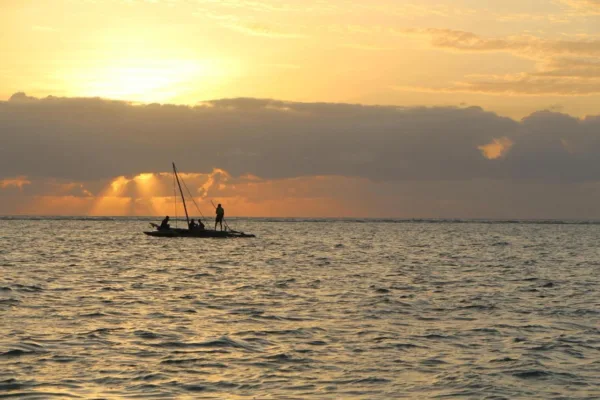
Boat safari
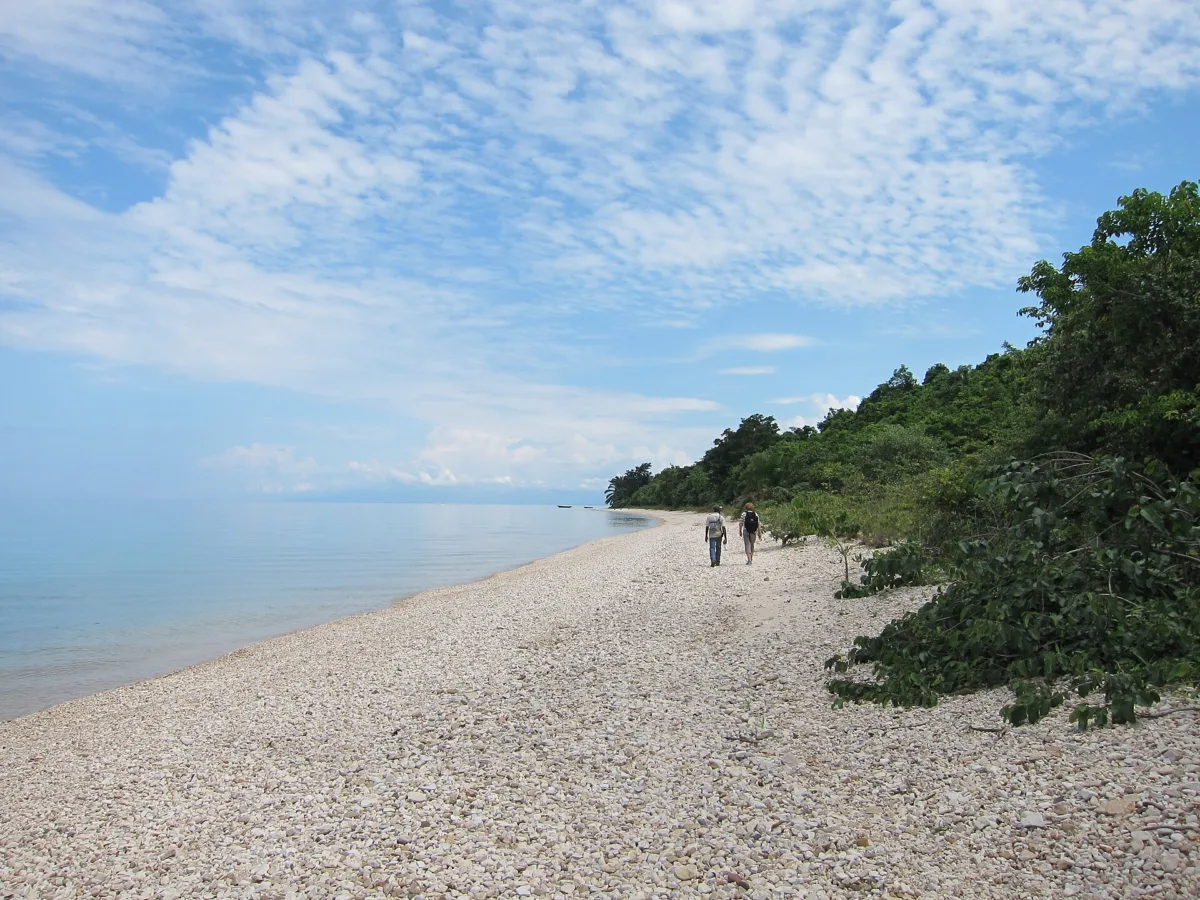
Visit Gombe National Park and experience it for yourself
Gombe suits travellers who are willing to invest time in reaching and understanding one destination. The boat connection from Kigoma and the changing nature of chimpanzee tracking make a rushed visit less rewarding. We generally recommend at least two nights, while three or more provide greater flexibility for tracking and allow time to experience the lake, forest and other primates. A longer stay also reduces the pressure for every expectation to be met in one morning. Gombe can form a focused journey of its own or connect with other Western Tanzania destinations. Combining it with Katavi or Mahale requires careful planning around flights, boat transfers and operating schedules. Accommodation is limited compared with Northern Tanzania’s larger parks. Location, transfer arrangements and reliable access are therefore more important than creating a wide list of lodging options. Gombe is not the right choice for travellers looking for easy vehicle-based wildlife viewing. It is best suited to those who value walking, patience, primate behaviour and the experience of reaching a small park with a global scientific legacy.
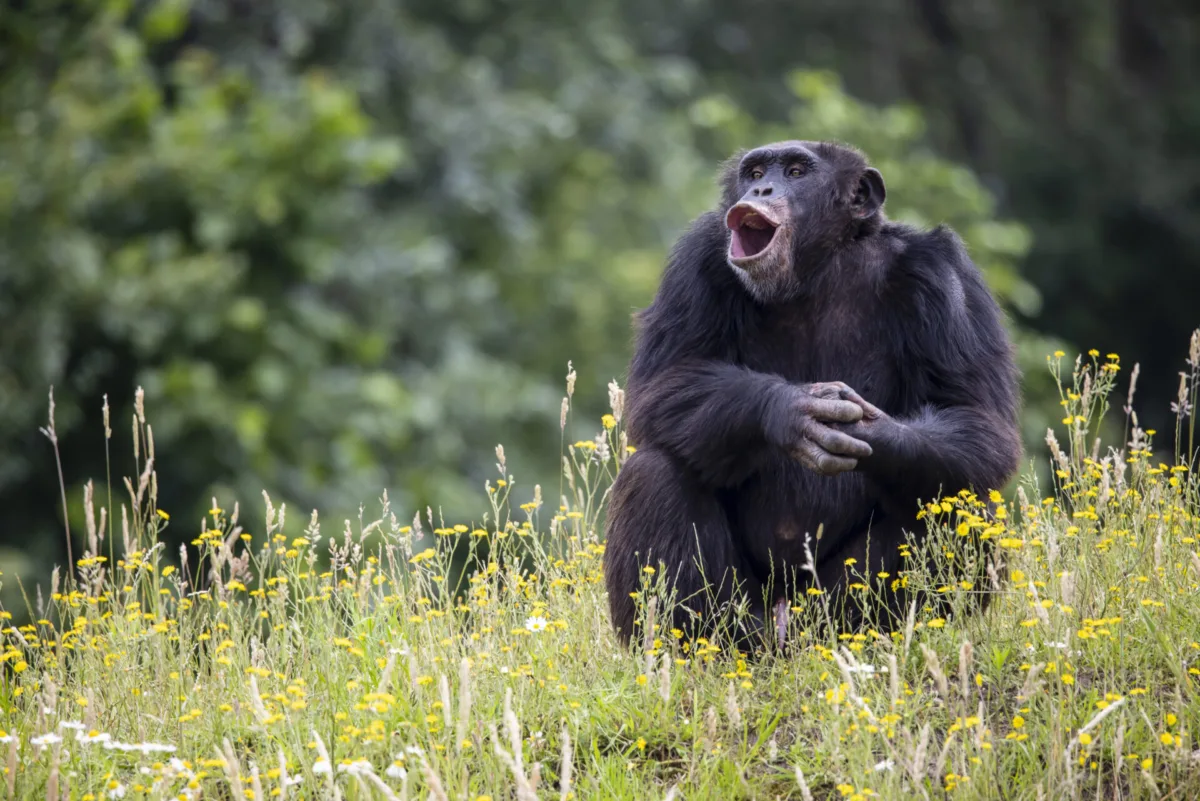

Start shaping your Tanzania journey
Frequently asked questions
At least two nights provide time for chimpanzee tracking. Three or more nights create greater flexibility and allow the wider forest and lakeshore to become part of the experience.
Difficulty changes according to the chimpanzees’ location and the condition of the trails. Walks may involve steep climbs, humidity and uneven ground, so fitness and mobility should be considered during planning.
You first travel to Kigoma and continue to the park by boat. There is no road entrance, making arrival times and transfer arrangements an important part of the itinerary.
Visitors follow all instructions from authorised guides and park staff. Distance, health and behaviour rules reduce disturbance and help protect chimpanzees from illnesses carried by humans.
It may suit families with older children who are comfortable with boat travel and active forest walking. Age requirements can apply to chimpanzee activities and should be checked before the route is confirmed.
Gombe can be visited during different parts of the year. Rainfall influences the condition of the forest paths, while drier periods generally make walking easier.
No. Chimpanzees are central to the experience, but the park also offers other primates, forest birdlife, waterfalls, streams and the landscape of Lake Tanganyika.
Continue your journey
Rubondo Island National Park
Mahale National Park
Kitulo National Park