
Coffee plantation
Coffee plantation
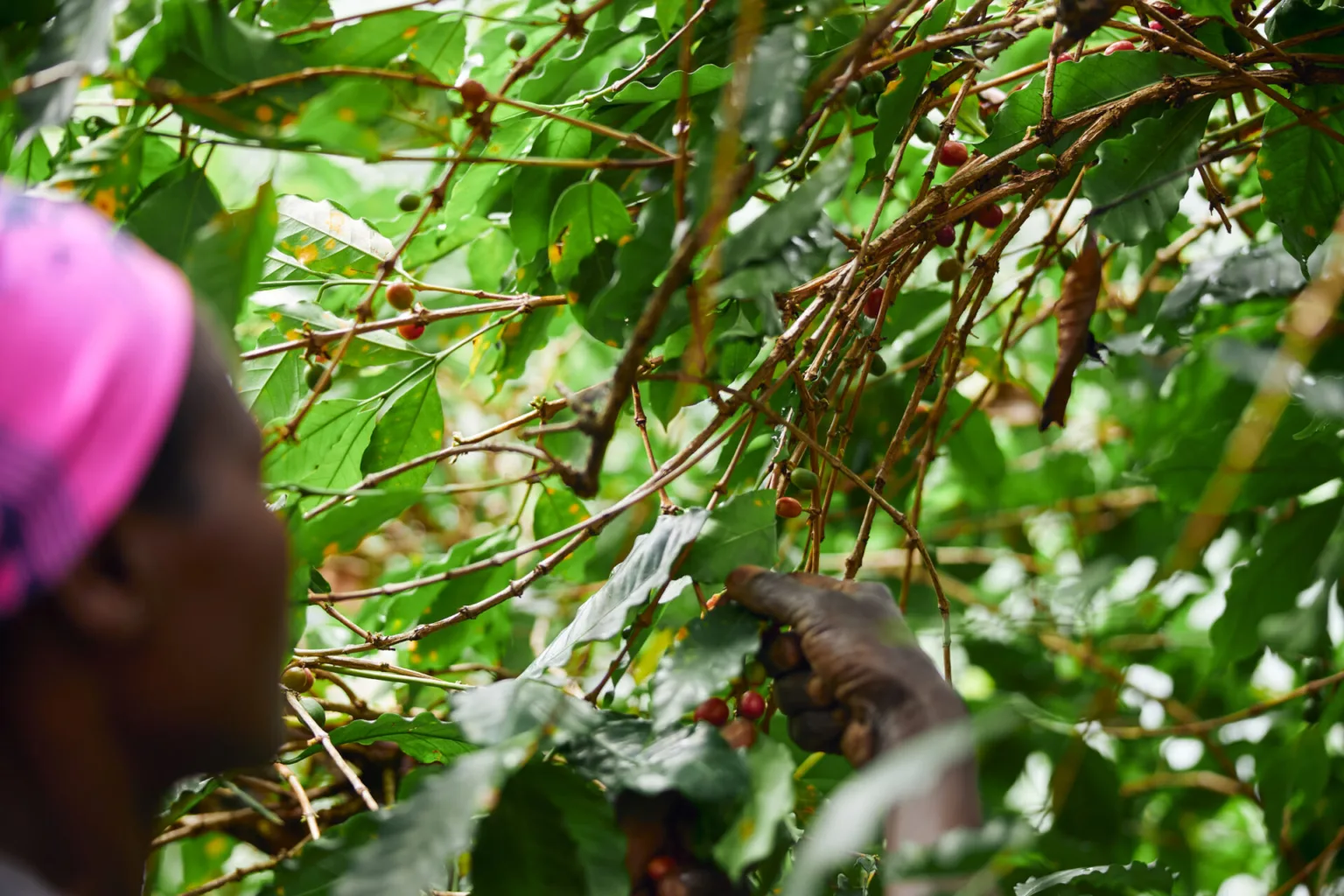
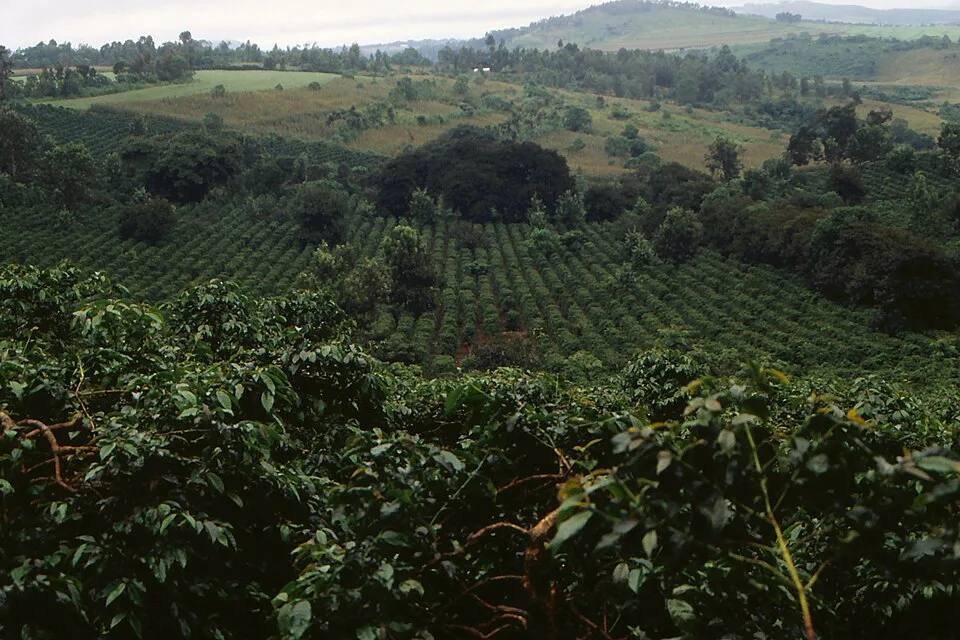
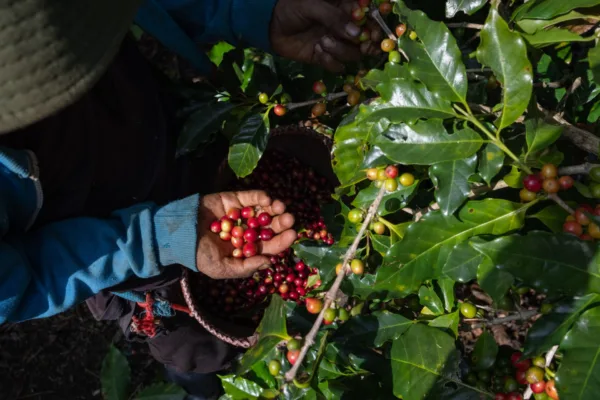
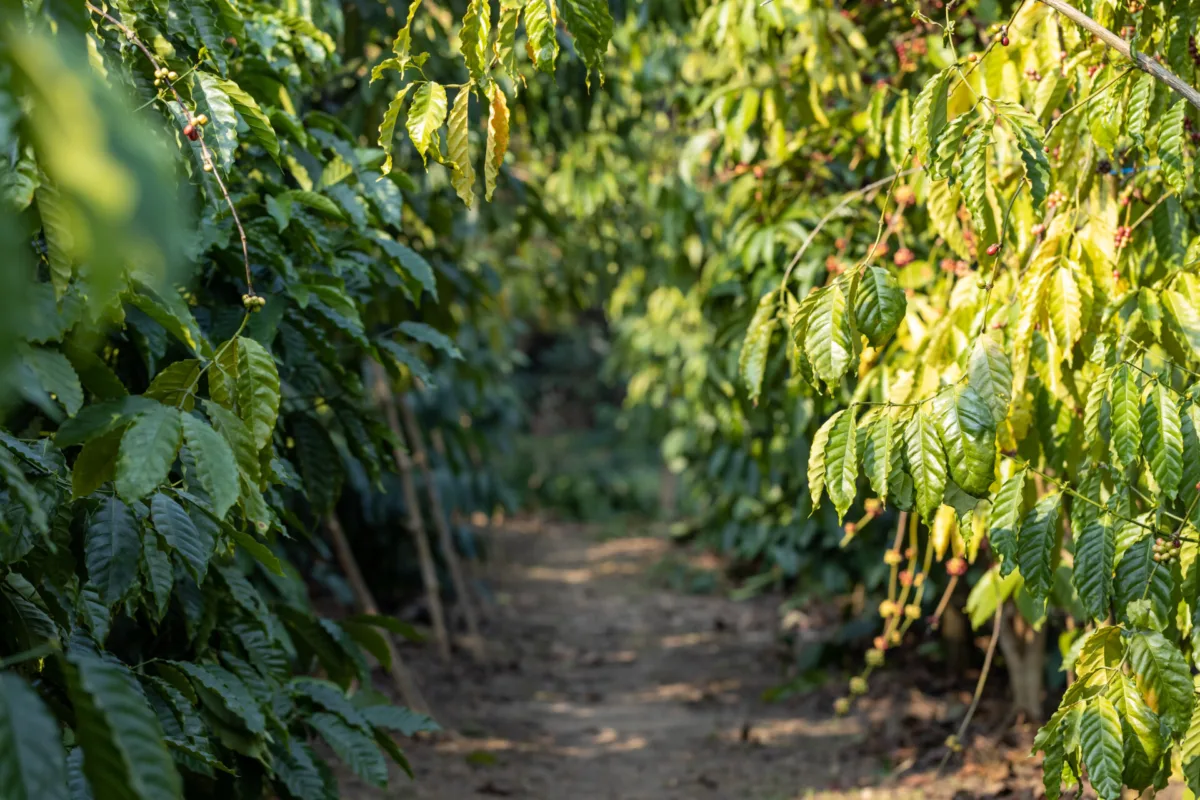
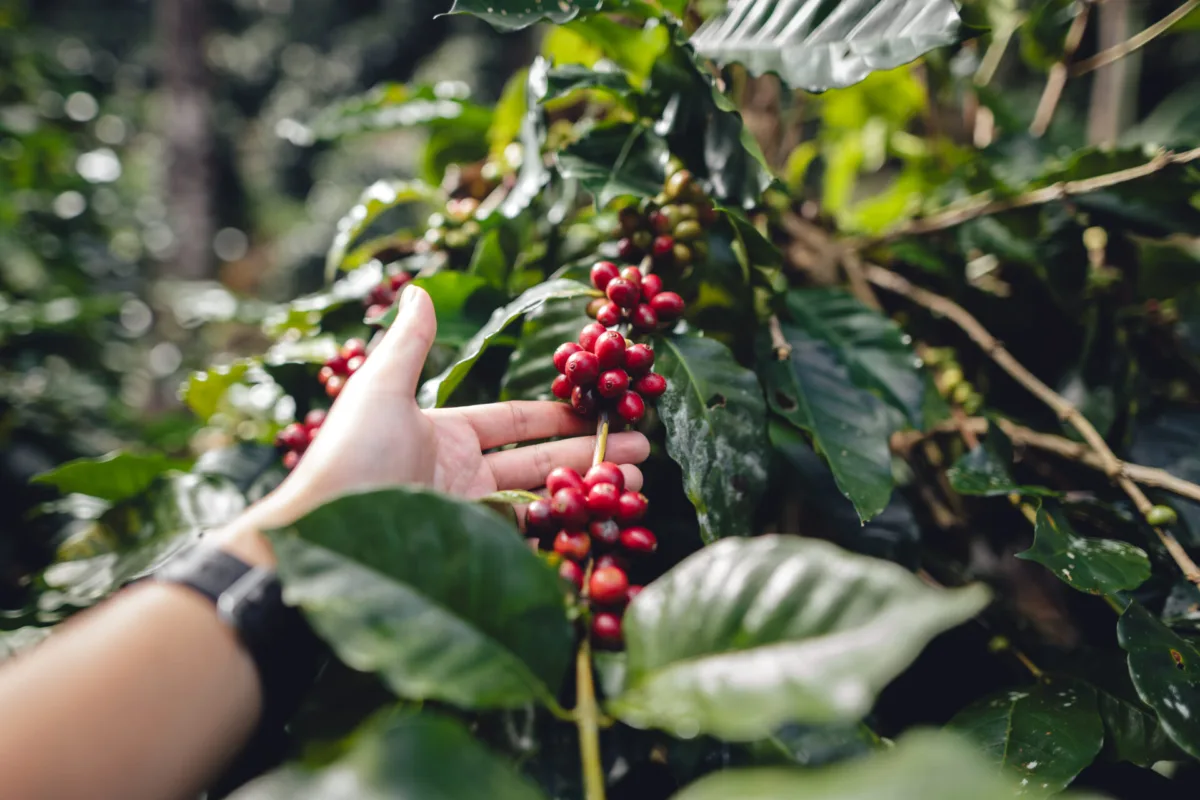
A coffee plantation visit gives you a closer look at one of Tanzania’s important agricultural products and the work behind something that is often experienced only as a finished drink. You may walk through coffee-growing areas, learn how the plants are cultivated and see how cherries are harvested, processed and prepared. Depending on the location and season, the experience may also include roasting, grinding or tasting coffee. What makes the visit interesting is the connection between agriculture and place. Altitude, rainfall, soil and local knowledge all influence how coffee is grown, while harvesting and processing determine what happens long before the beans reach a cup. The activity works best when it helps you understand that complete process rather than simply ending with a tasting.
Best for:
- Travellers interested in primates and animal behaviour
- Active travellers comfortable walking on uneven terrain
- Wildlife photographers
- Returning safari travellers
- Small groups looking for a more immersive forest experience

Where to experience

Harvesting and processing throughout the year
A plantation does not look or operate exactly the same throughout the year. Harvesting and processing stages vary by season and location, while rainfall can affect paths and daily work. At higher elevations, temperatures may also feel noticeably cooler than in the surrounding lowlands. Wear comfortable walking shoes and lightweight clothing, and bring sun protection, drinking water and a light rain or warm layer when appropriate. A small amount of local currency can be useful where coffee or locally made products are available to purchase. The most useful visit is one where you can follow as much of the process as conditions allow and understand why coffee from one landscape can differ from coffee grown somewhere else.

Start shaping your Tanzania journey