Rhino spotting
Rhino spotting
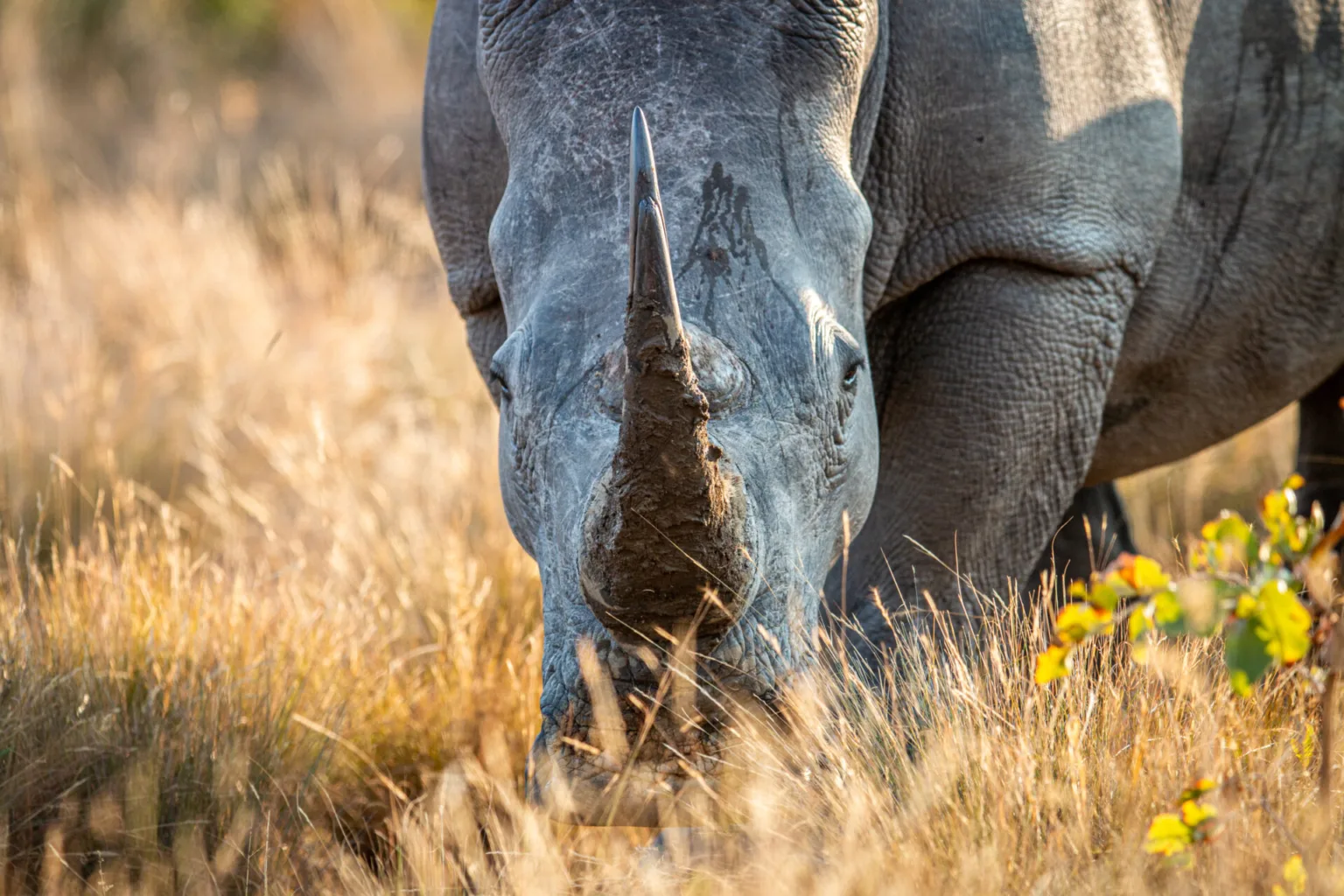
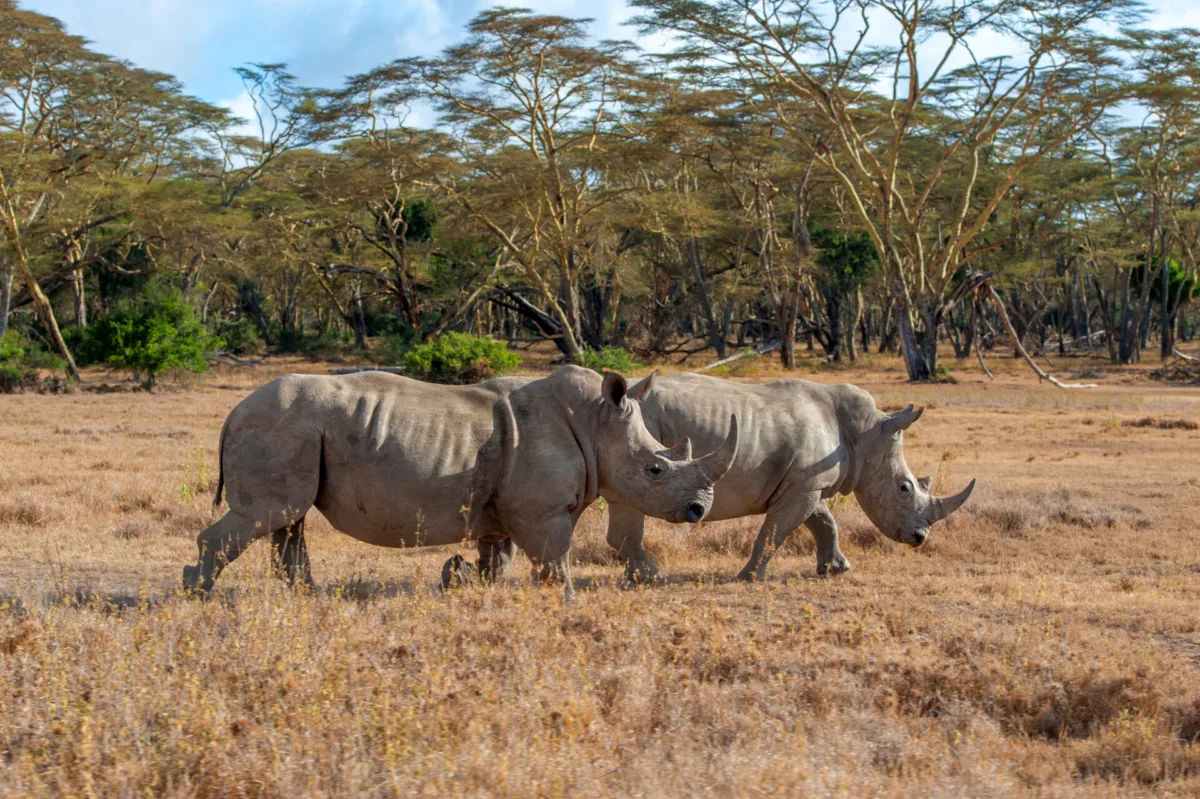
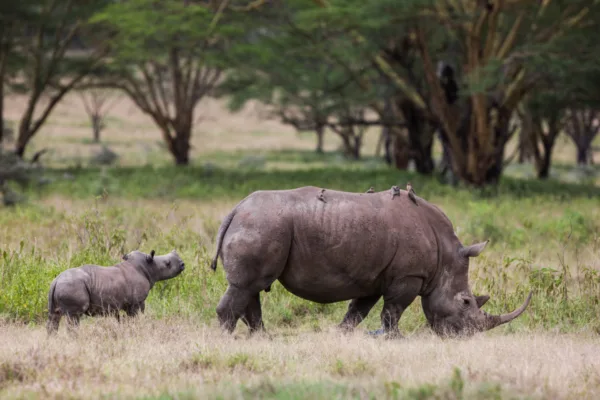
Seeing a black rhinoceros in Tanzania is never simply about locating a rare animal. In places such as Mkomazi National Park, the experience is closely connected to decades of protection, monitoring, security and habitat management. Black rhinos require large areas, careful protection and long-term management. In Mkomazi, they are protected within a controlled sanctuary environment, where access is regulated and visits depend on current park arrangements. That context matters. A rhino encounter becomes more meaningful when you understand why the animal is there, why access is managed and why approaching closely is not the objective. The experience is about seeing one of Tanzania’s most vulnerable large mammals within a system designed to protect its future.
Best for:
- Travellers interested in rare wildlife and long-term species protection
- Visitors who want to understand how rhinos are monitored and managed
- Travellers exploring Mkomazi or north-eastern Tanzania
- Families with older children interested in wildlife beyond standard game viewing
- Anyone who values context as much as the sighting itself

Where to experience

Protection of black rhinos
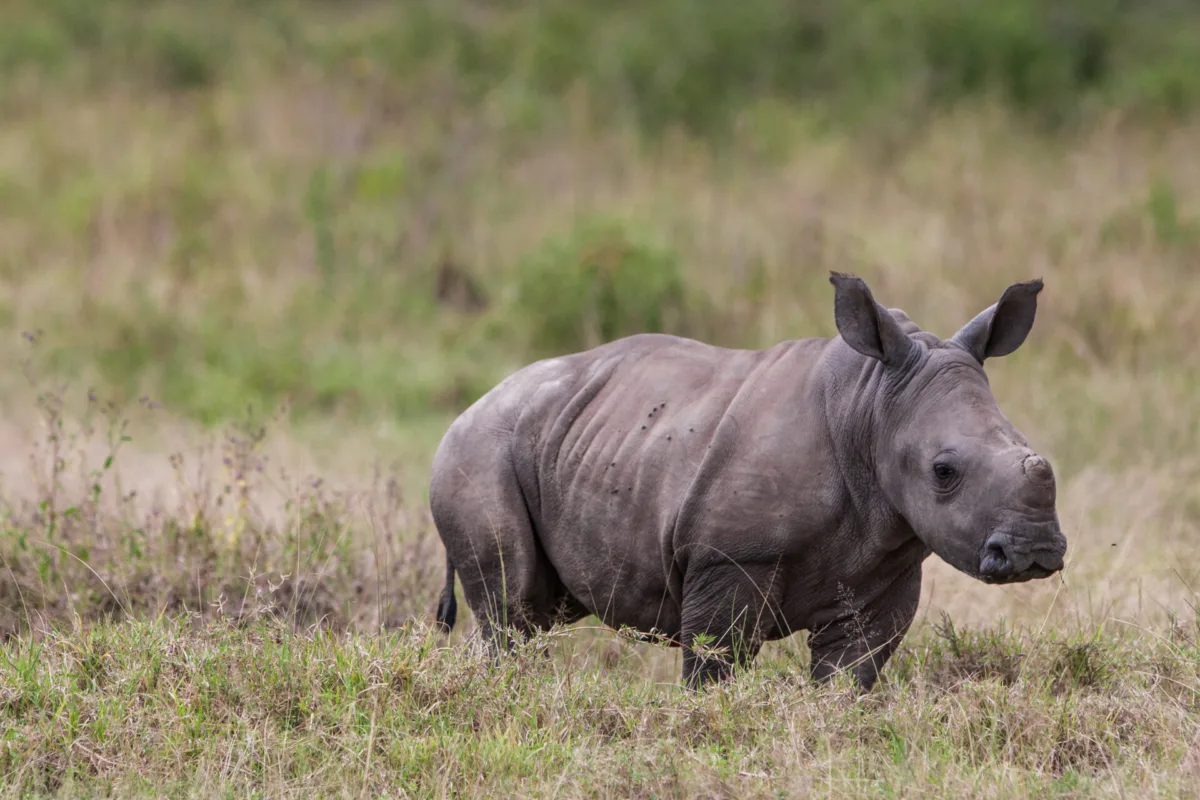
Protecting black rhinos is not a single action. It depends on several systems working together over many years. Animals need suitable habitat, space and access to food and water. Their movements and health need to be monitored. Security must reduce the risk of poaching. Breeding and population management may also be necessary when numbers remain small. That is why a sanctuary visit should not feel like entering an enclosure created for tourists. The restrictions around access, positioning and photography exist because the animals are managed first as a protected population, not as an attraction. Mkomazi’s rhino story is therefore not only about whether you see one during your visit. It shows what is required to keep a vulnerable species present in the landscape over the long term.
Start shaping your Tanzania journey