
Katavi National Park
Katavi National Park
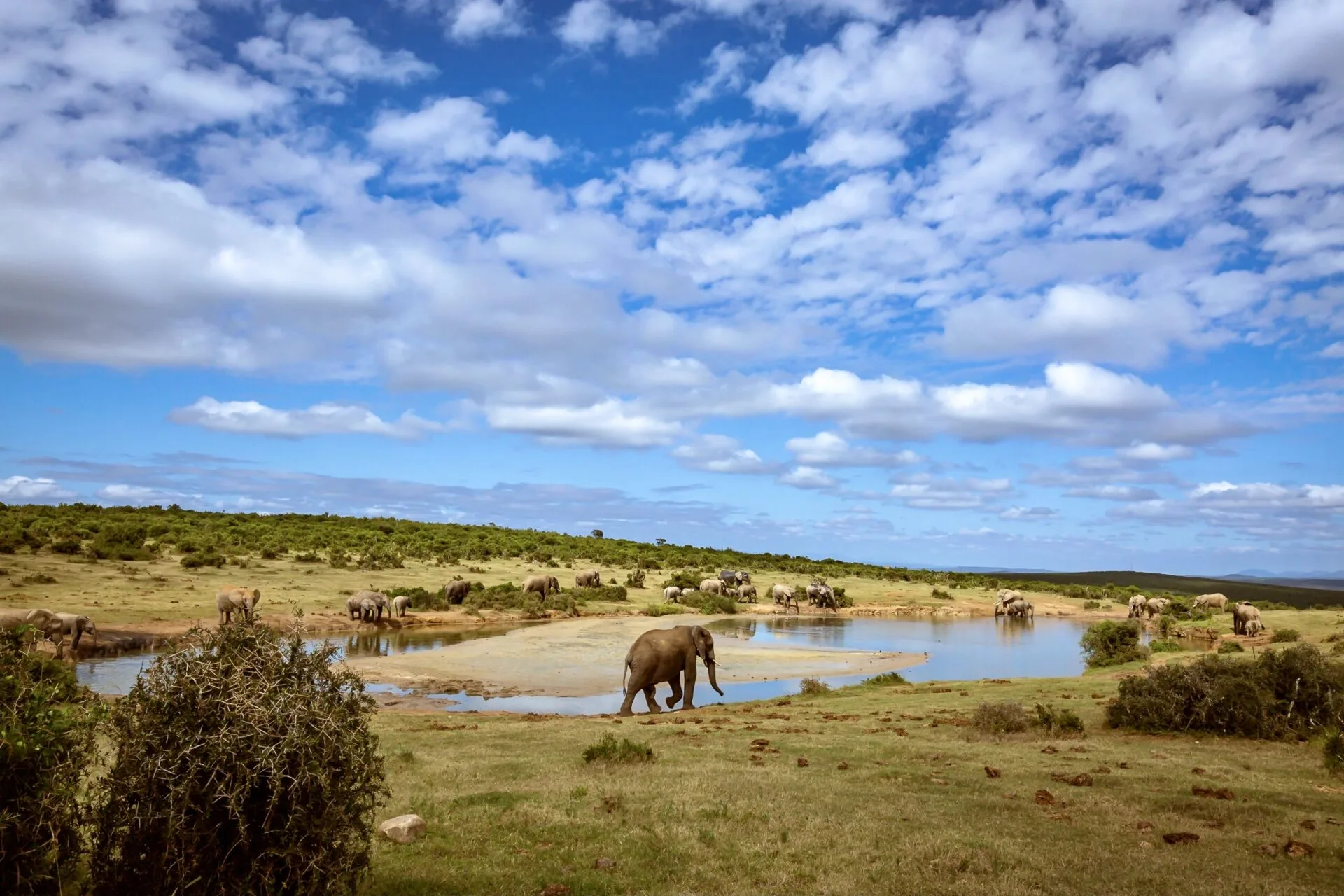
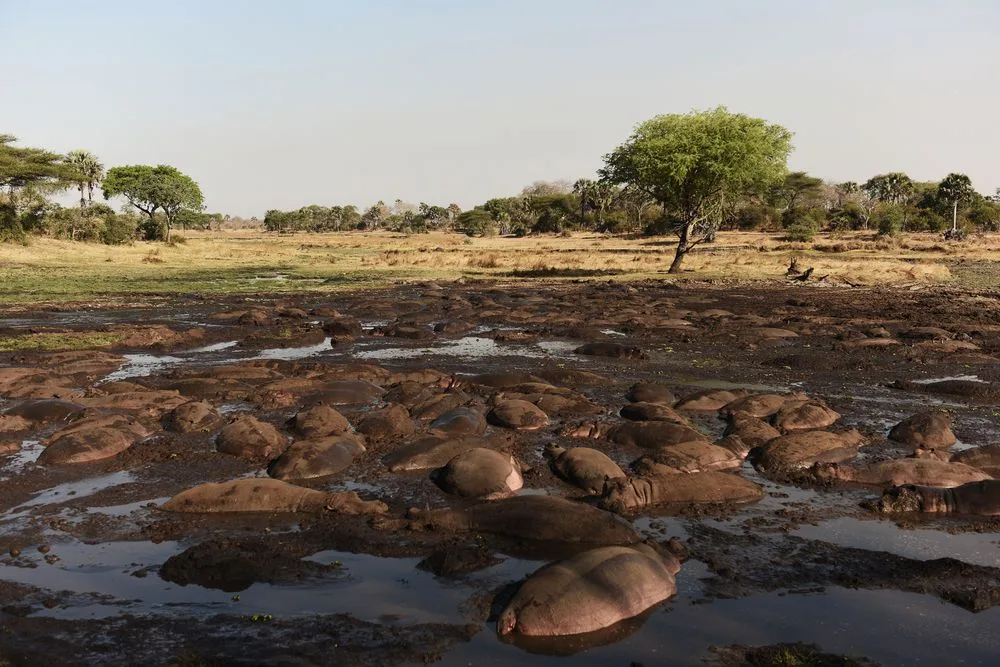
Katavi feels different from the moment you arrive. Distances are greater, roads are quieter and the landscape unfolds through floodplains, seasonal lakes, river channels and miombo woodland. Water determines much of the park’s rhythm. During drier conditions, wildlife gathers around the Katuma River and remaining pools. Elephants, buffalo, hippos and other animals move into a smaller part of a much larger ecosystem, while predators respond to the same concentration of life. When the rains return, water spreads across the plains and wildlife disperses through a greener landscape. Katavi is therefore not defined by one season or one dramatic sighting. Its strength lies in understanding how scarcity, rainfall and movement shape the wider system. This is not a park to add between several hurried stops. Katavi rewards travellers who stay for several nights, accept the distance and allow each day to respond to what is happening on the ground.
- Remote wildlife country
- Wildlife gathering around dry-season water
- Travellers interested in remote wildlife landscapes
- Those who prefer several nights in one destination
- Wildlife photographers and experienced safari travellers
- Travellers combining Katavi with Mahale
- Those comfortable with light-aircraft travel
- Seasonal water controls wildlife movement across the park
- Floodplains, rivers, wetlands and woodland create strong contrast
- Dry conditions can concentrate wildlife around remaining water
- Distance and limited access support a slower safari rhythm
- Popular wildlife: Cape buffalo, hippos and African elephants
A Western landscape defined by distance
Katavi lies far from Tanzania’s main northern and eastern road circuits. It is usually reached by light aircraft and naturally forms part of a carefully planned Western Tanzania journey. The distance is not simply a selling point. It affects flight schedules, transfer days and the number of nights needed to make the journey worthwhile. Once you arrive, there should be enough time to experience more than one full day in the park.
- Best reached by domestic flight
- Naturally combined with Mahale Mountains
- Strongly shaped by water and season
- Best experienced over at least three nights
When the water retreats from the land
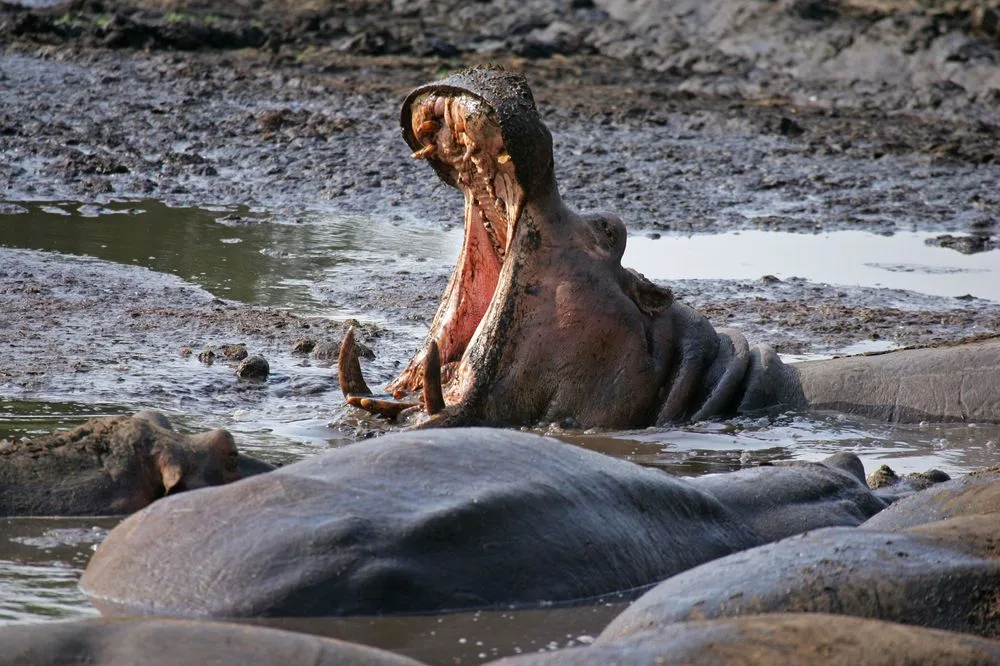
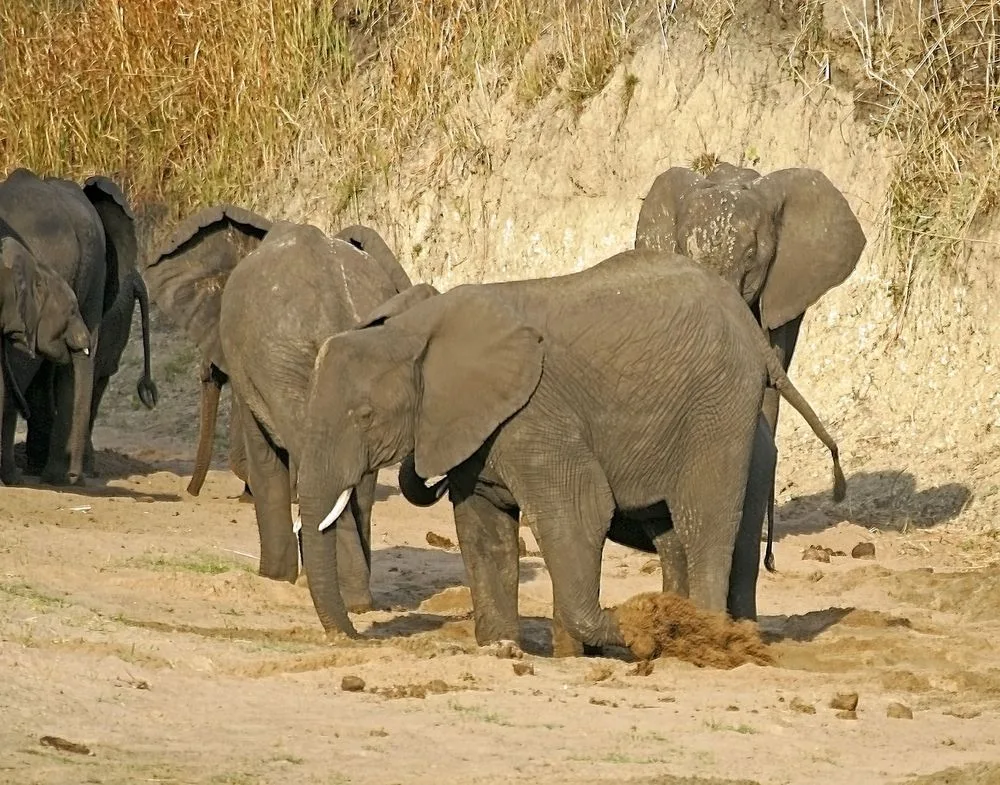
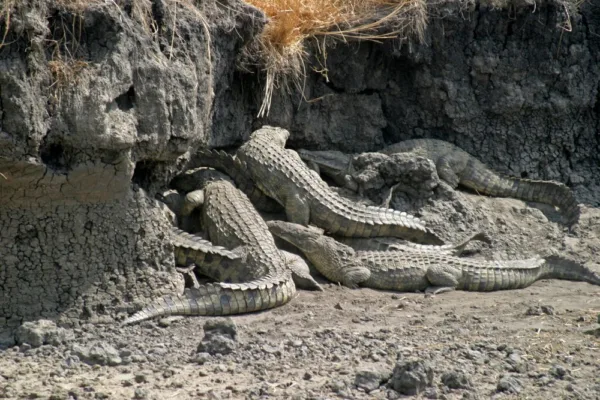
During wetter months, seasonal lakes and floodplains hold water across a wide area. Vegetation becomes greener and animals spread more widely through the park. As conditions dry, the landscape contracts around the Katuma River, remaining pools and dependable wetlands. Hippos and crocodiles remain close to water, while elephants, buffalo and other herbivores gather to drink. Predators follow the same changes. These concentrations can create powerful wildlife encounters, but the pressure on animals is real. Competition for water reflects survival and adaptation, not a spectacle arranged for visitors. A guide helps you understand why certain pools remain active, how grazing influences movement and why one area may become more important than another.

Learn to recognize the patterns of the animals
Katavi is often associated with large concentrations of hippos, buffalo and elephants. Numbers alone, however, do not explain the park. The stronger experience comes from recognising how those gatherings develop. Water levels, rainfall, grazing and recent wildlife movement all influence where animals may be found. Quieter roads also allow more time to remain with an observation. Lamai does not rush between every report. Route choice, patience and respectful positioning create more value than treating remoteness as permission to approach wildlife carelessly.
Activities in Katavi National Park
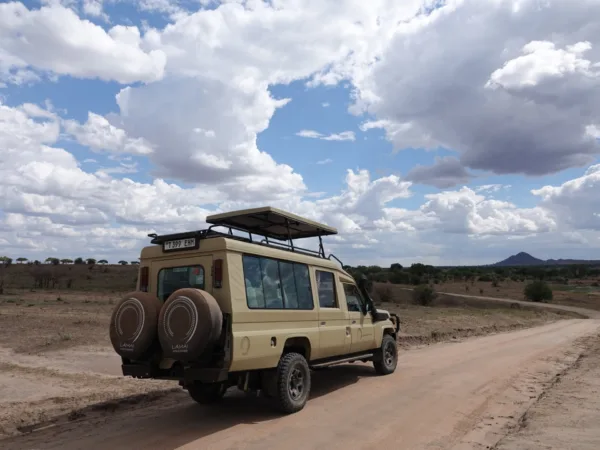
Game drive
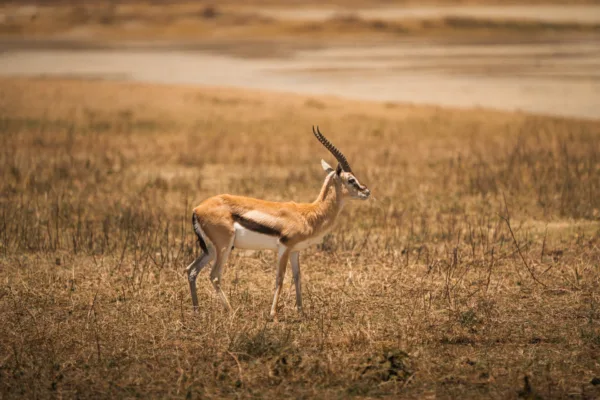
Walking safari
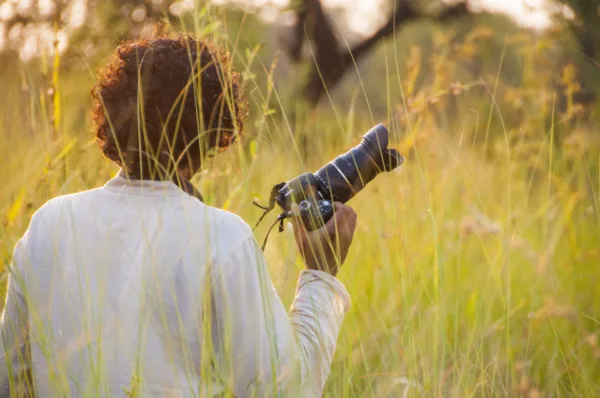
Photography
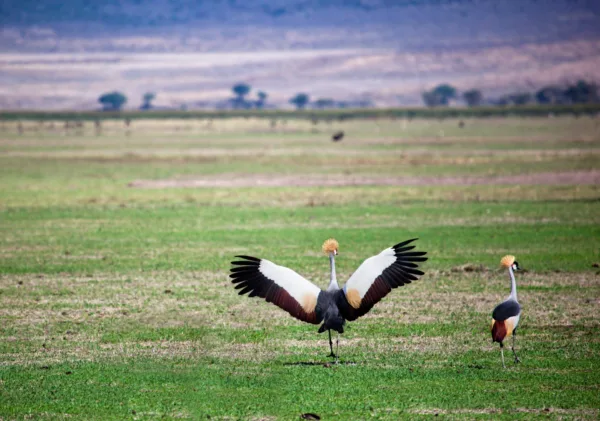
Birdwatching
A remote landscape that deserves time
Katavi suits travellers who are willing to give a remote destination enough time. We generally recommend at least three nights, while four often creates a better balance around flights and full safari days. The park combines especially well with Mahale Mountains National Park. Katavi offers open wildlife country, rivers and floodplains, while Mahale shifts the journey towards forest, chimpanzee tracking and Lake Tanganyika. Adding Katavi to a short Northern Circuit safari rarely creates the best route. Flight schedules, operating days and long distances need to be treated as part of the itinerary rather than hidden behind a list of destinations. Accommodation options are more limited than in Northern Tanzania. Location, access and reliable logistics therefore matter more than having a wide choice of styles. Katavi is best for travellers who value scale, patience and a functioning landscape. It is less suited to those who want to move quickly between several parks or expect every game drive to revolve around headline sightings.

Start shaping your Tanzania journey
Frequently asked questions
Drier conditions, generally from June to October, often bring wildlife closer to remaining rivers and pools. Wetter months create greener scenery and more widely dispersed wildlife.
At least three nights is recommended. Four nights often provides a better balance and allows flight schedules, transfers and full safari days to work together.
Flying is usually the most practical option. Scheduled or charter flights may connect Katavi with Arusha, Dar es Salaam and other regional hubs, depending on current operations.
Hippo distribution changes with water levels and seasonal conditions. During drier periods, animals may gather in remaining channels and pools, but the scale and location vary.
Walking may be available through authorised park arrangements. Routes and participation depend on permits, conditions, age, fitness and professional guidance.
It can suit families comfortable with light-aircraft travel, longer transfers and a slower safari rhythm. The children’s ages and tolerance for extended game drives should guide the route.
Yes. Katavi and Mahale form one of Western Tanzania’s strongest combinations, connecting open wildlife country with forest, chimpanzee tracking and the shores of Lake Tanganyika.
Continue your journey
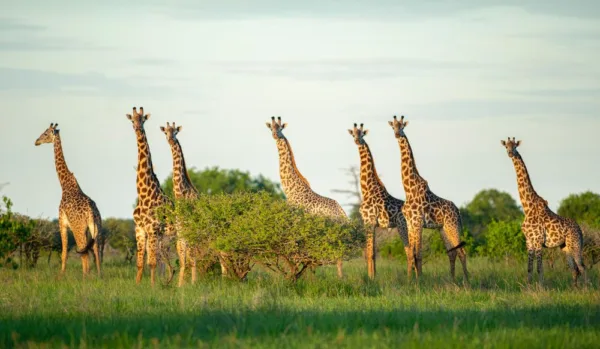
Saadani National Park
Kitulo National Park
Tarangire National Park