
Kitulo National Park
Kitulo National Park
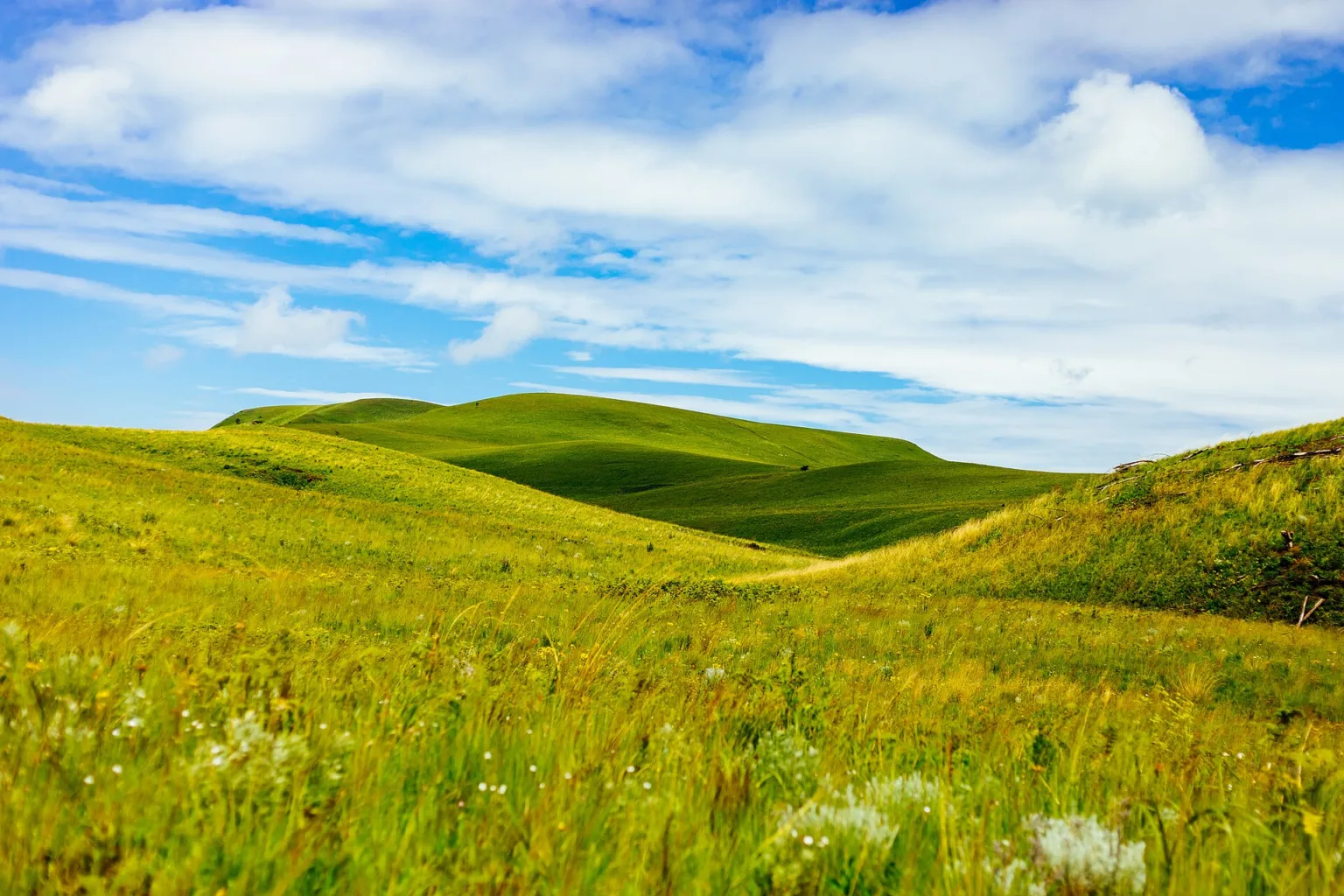
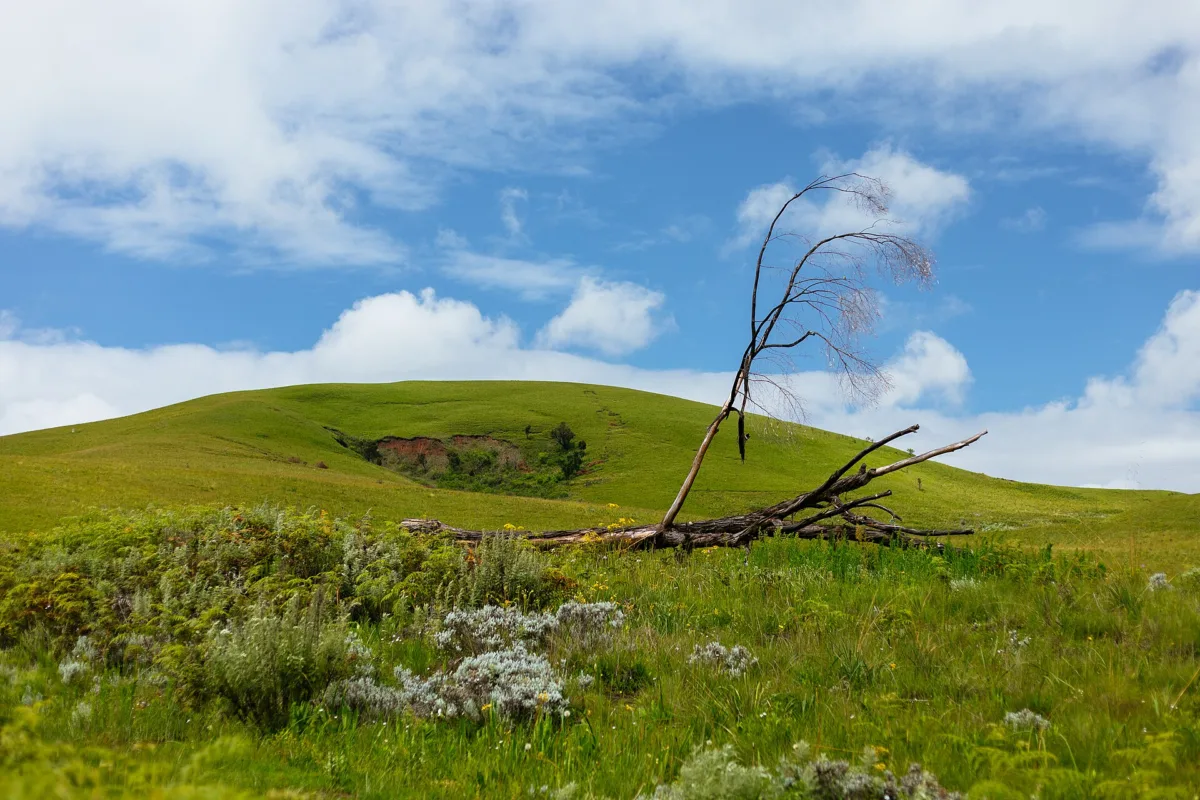
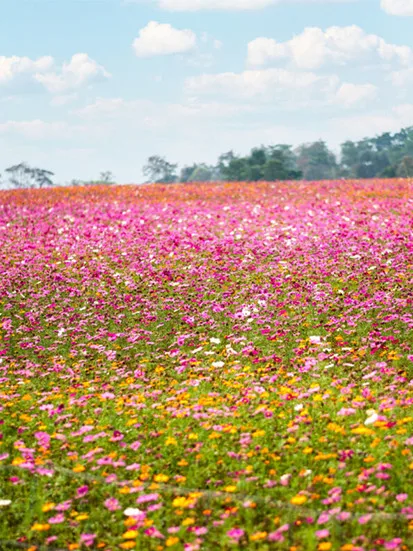
Kitulo reveals a side of Tanzania that has little in common with the country’s savannah parks. Highland grasslands stretch across rolling plateaus, bordered by mountain ridges, streams, valleys and patches of forest. During the flowering period, orchids, lilies, aloes and many smaller plants bring colour to the grasslands. Their appearance changes with rainfall, temperature, altitude and location, so the landscape may look different from one week to the next. The park is often described primarily as a botanical destination. Its wider value lies in understanding how flowers, insects, birds, water and highland weather depend on the same fragile environment. There are no conventional Big Five game drives. Kitulo is experienced mainly on foot, with attention directed towards the plateau itself and the natural changes taking place across it.
- A highland plateau explored on foot
- Seasonal wildflowers and birdlife
- Travellers interested in plants and wildflowers
- Walkers drawn to open highland landscapes
- Birdwatchers and nature photographers
- Visitors exploring Tanzania’s Southern Highlands
- Those seeking an alternative to traditional safari
- Seasonal wildflowers transform parts of the plateau
- Altitude, rain and wind continually change the experience
- Walking is the main way to explore the park
- Notable birdlife: blue swallows, Denham’s bustards and mountain species
A highland plateau in Southern Tanzania
Kitulo lies within Tanzania’s Southern Highlands, between mountain ranges and within reach of Mbeya. Reaching the park usually involves an overland journey through rural landscapes and changing elevation. Road conditions, weather and the selected access point influence how the day is organised. Kitulo is therefore better treated as a dedicated highland destination than as a short stop between conventional safari parks.
- Located within the Southern Highlands
- Explored primarily through guided walking
- Strongly influenced by elevation and weather
- Naturally combined with a wider highland route
The green season in bloom
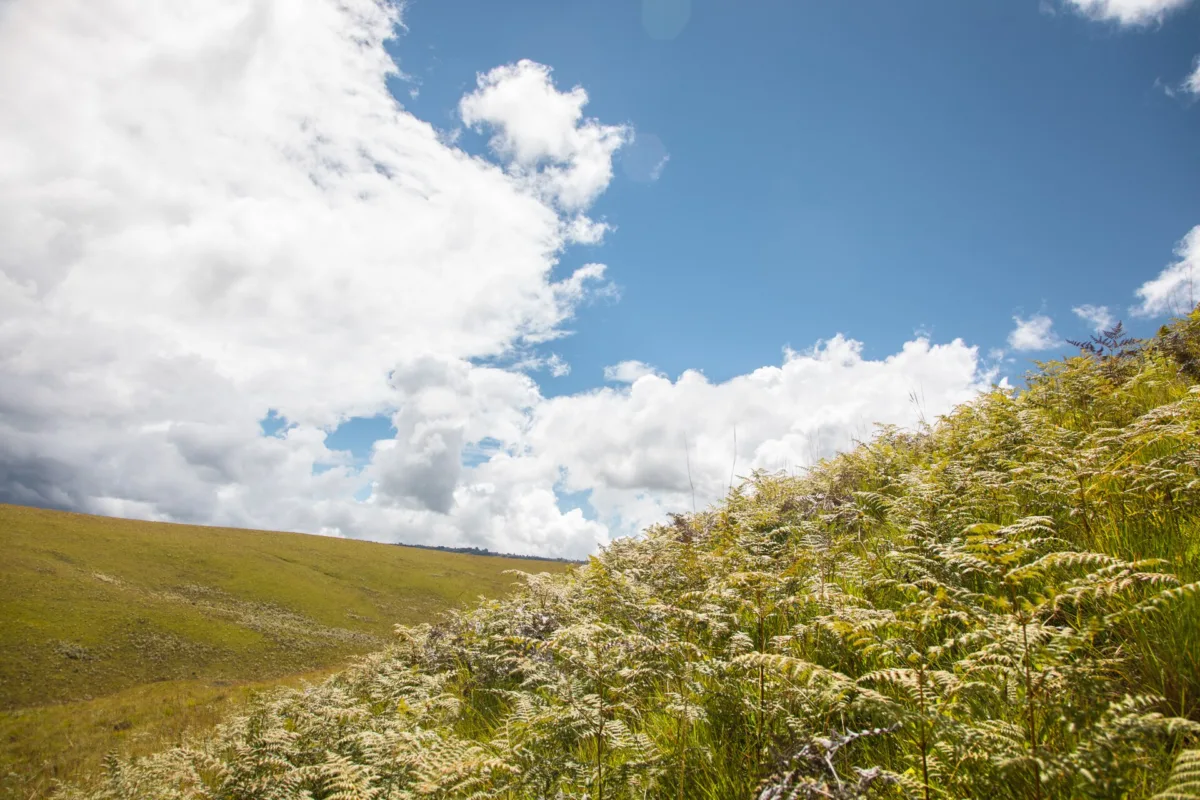
Kitulo is best known for the period when seasonal rain brings orchids and other wildflowers into bloom. Different plants emerge under different conditions, creating patterns that vary across the park. There is no single date when the complete plateau flowers at once. Rainfall may begin earlier in one area, temperatures may delay particular species and individual displays may last for different lengths of time. The wetter period may offer more flowers, but it also brings cooler air, cloud, rain and more difficult road or trail conditions. These are not separate from the experience; they are part of the same highland cycle that produces the flowering landscape. Lamai plans around the strongest available period while ensuring that the journey does not depend on every hillside producing the same display.
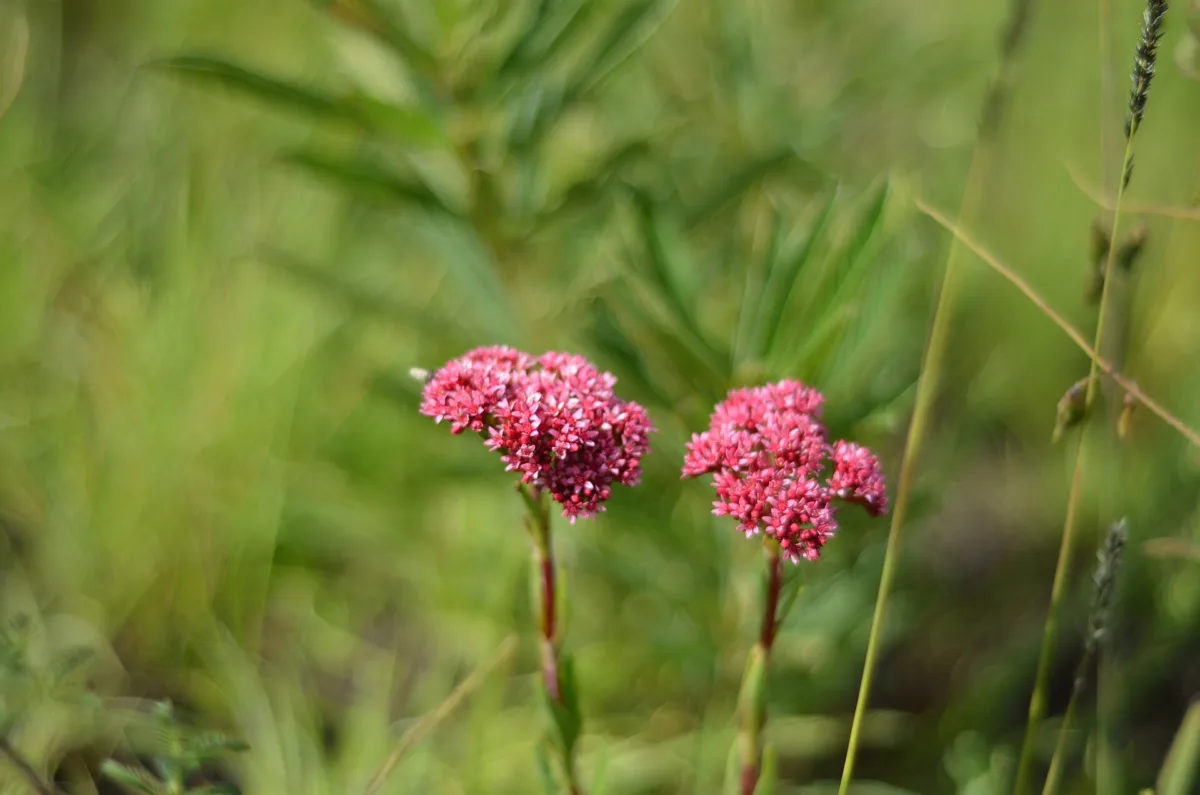


More than a botanical checklist
Kitulo contains hundreds of recorded plant species, but a visit does not require specialist botanical knowledge. Walking through the grasslands reveals relationships between flowers, pollinating insects, seasonal streams and birdlife. A guide can add context without turning the experience into a long list of scientific names. The wider landscape also matters. Wind moves across the exposed plateau, clouds form around the ridges and water descends through valleys towards larger river systems. The flowers may first attract attention, but the interaction between climate, elevation and grassland gives Kitulo its deeper identity.
Activities in Kitulo National Park
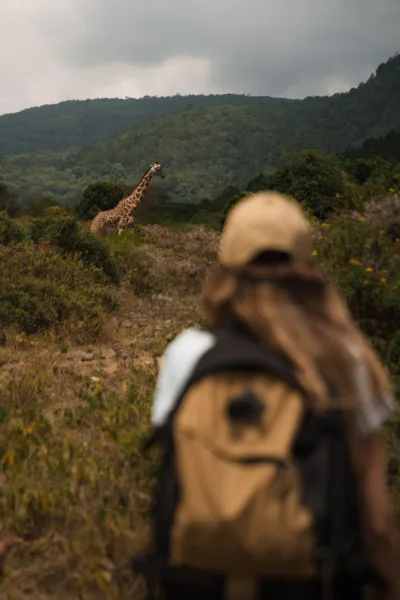
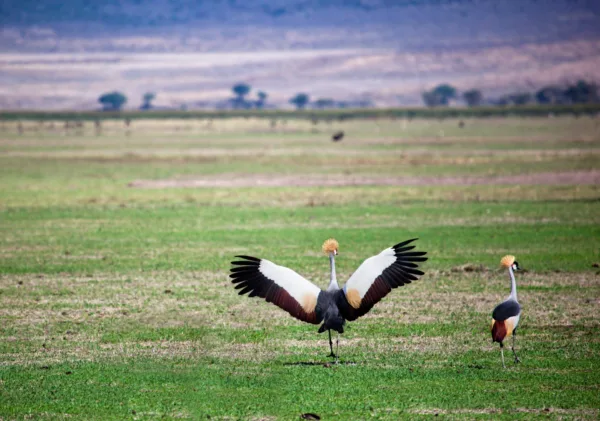
Birdwatching

Photography
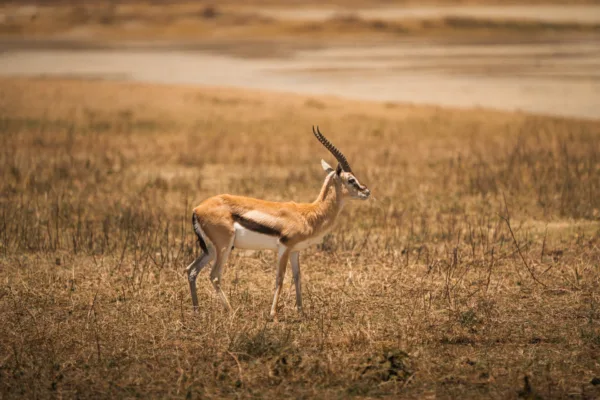
Walking safari
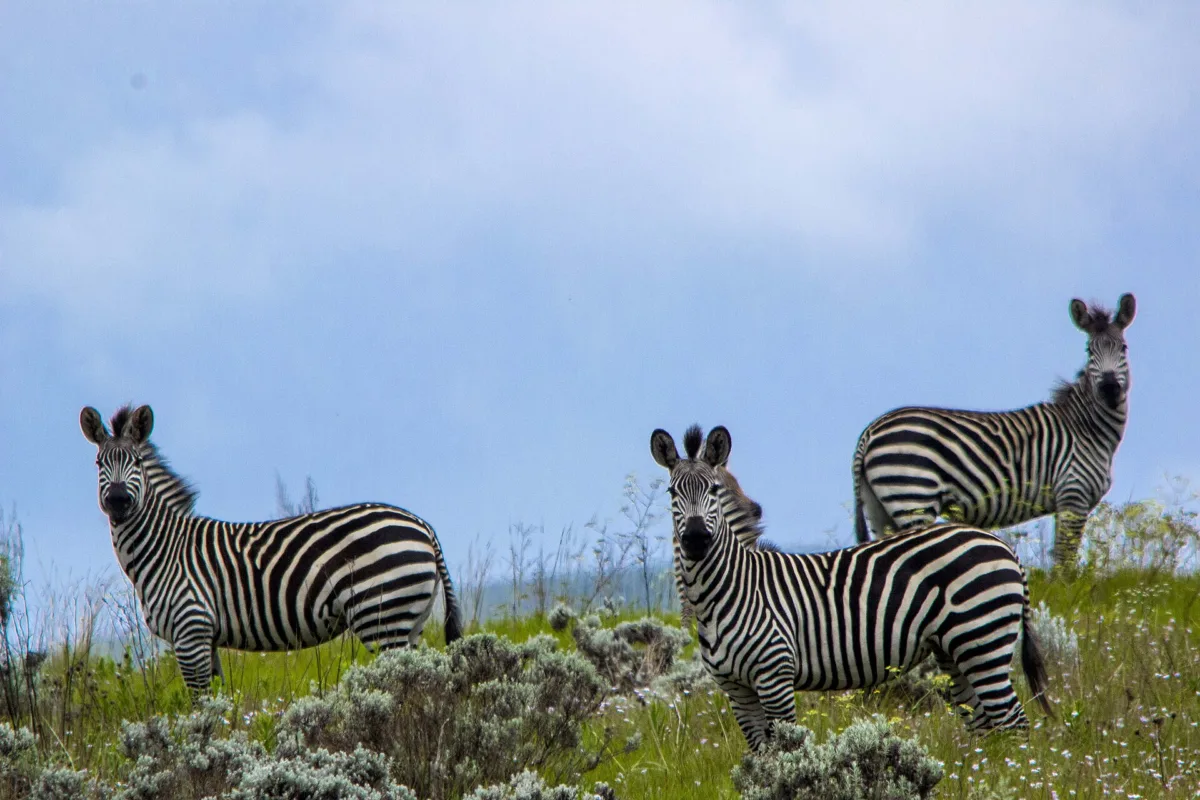
Tread carefully in the gardens
Kitulo fits naturally within a journey through the Southern Highlands. It can be combined with Mbeya, nearby mountain landscapes or a longer route towards Ruaha and other southern destinations. At least two nights in the wider area usually makes the journey more practical. Additional time creates flexibility around cloud, rain, road conditions and the selected walks. Accommodation and services are more limited than around Tanzania’s major safari parks. Location should be considered alongside park access, driving time and the type of walk planned. Even moderate routes may feel more demanding because of altitude, wind, uneven ground or wet conditions. Layered clothing, suitable footwear and rain protection are important. Kitulo suits travellers who appreciate plants, walking and changing weather. It is less suitable for those expecting warm conditions, traditional game drives or frequent encounters with large mammals.

Start shaping your Tanzania journey
Frequently asked questions
Kitulo is centred on highland grasslands, wildflowers and walking rather than traditional game drives. Its appeal lies in plants, birds, mountain scenery and the changing character of the plateau.
Flowering is generally associated with the wetter months, but the timing and abundance vary with rainfall, temperature and elevation. No exact display can be guaranteed for a particular travel date.
No. The park can also appeal to walkers, photographers, birdwatchers and travellers who enjoy open landscapes. Specialist plant knowledge is not required to appreciate the plateau.
Kitulo is mainly experienced through walking and nature-based exploration. Vehicle travel may form part of reaching different areas, but it is not a conventional Big Five game-drive destination.
The difficulty depends on the selected walk. Even moderate routes can feel more demanding because of altitude, uneven ground, wind or rain. We choose an activity level that suits your group.
Conditions can be cool, wet and windy, particularly during the flowering season. Sunshine and visibility may change quickly, so layered clothing and rain protection are important.
You can requested a personalised journey through our questionnaire. Here you can share your preferred travel dates, group size and interests. Based on your information we will set up a detailed itinerary and plan a call to get to know you wished better.
Continue your journey
Saadani National Park
Kilimanjaro National Park
Tarangire National Park