
Lake Manyara
Lake Manyara
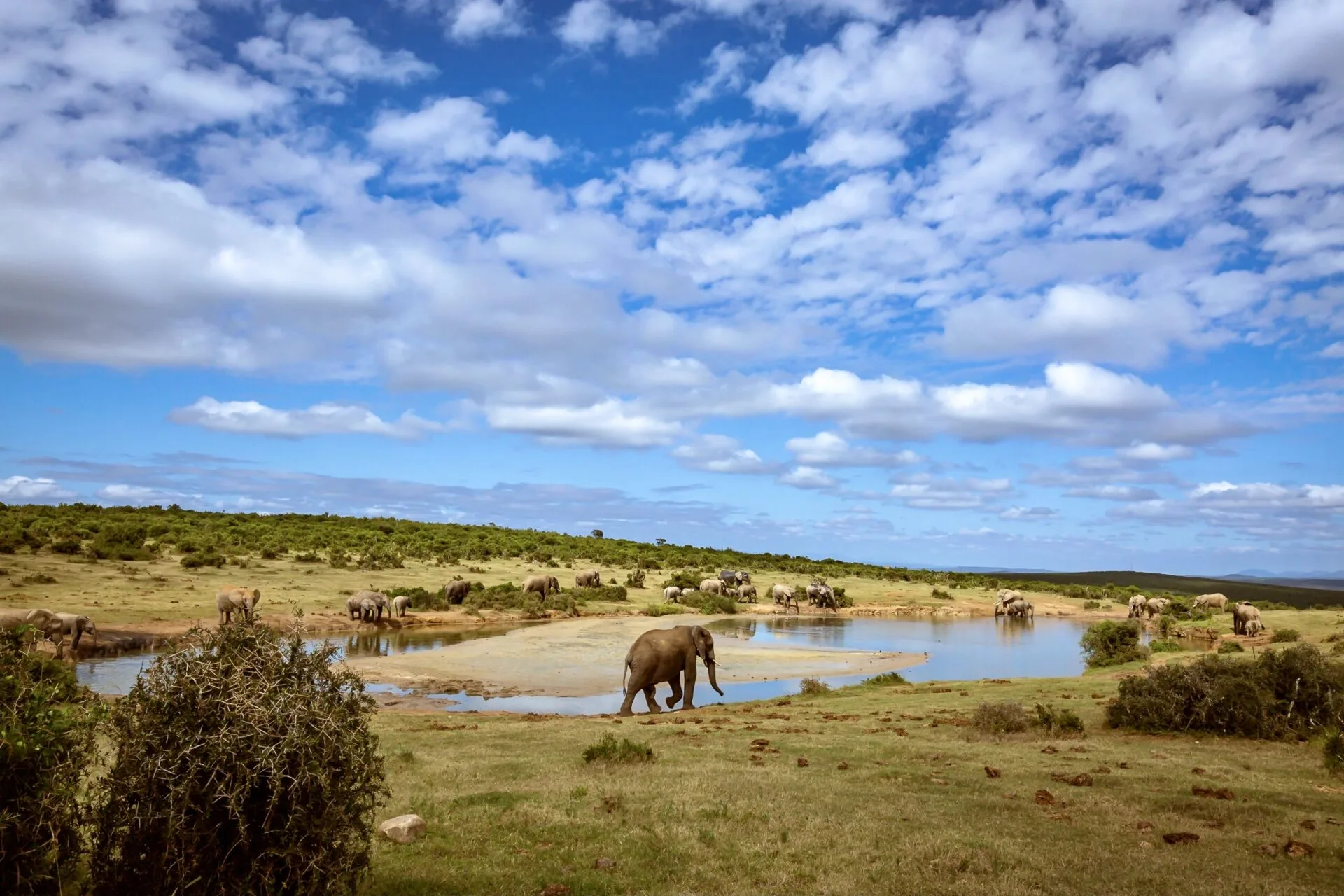
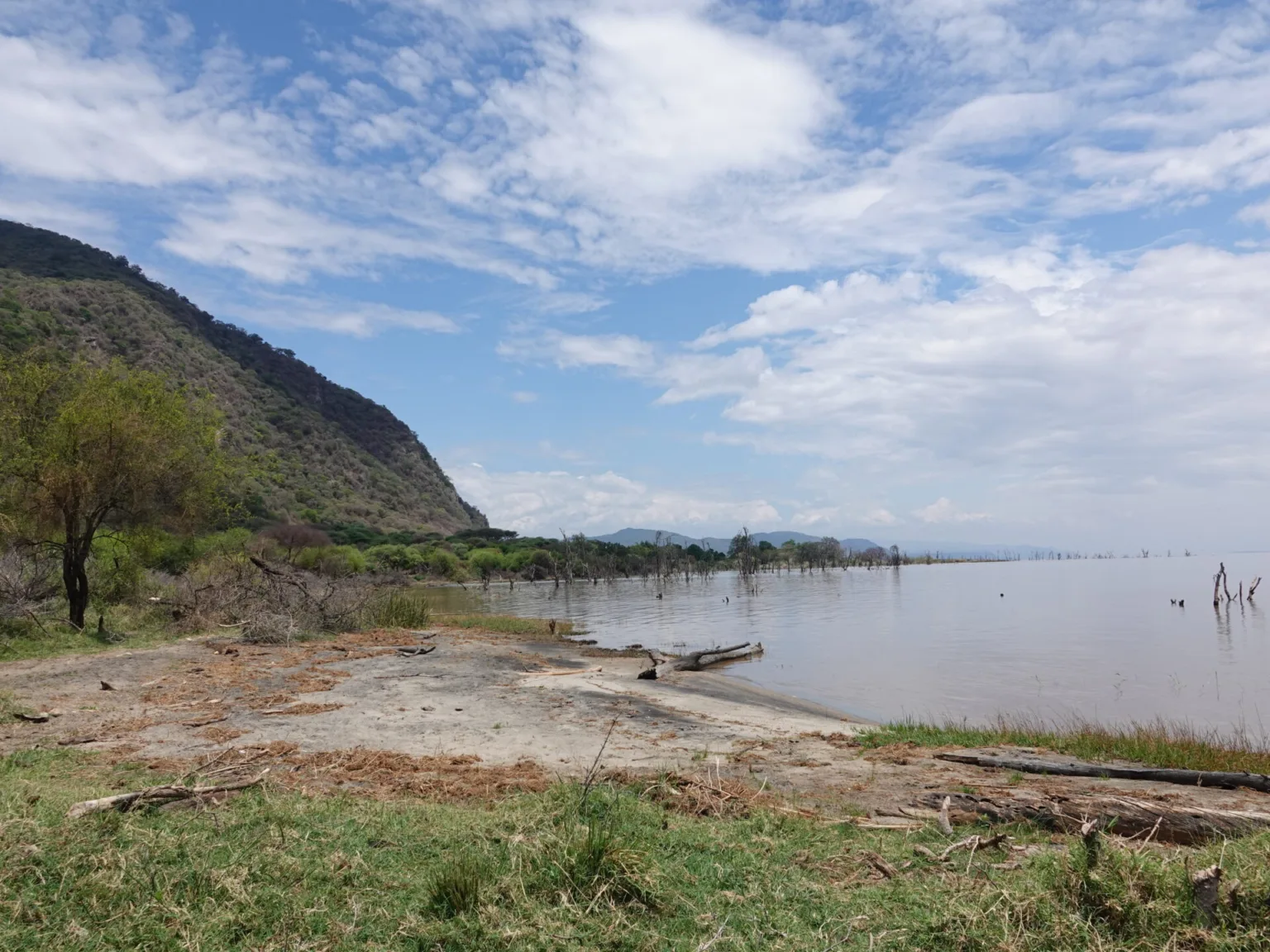
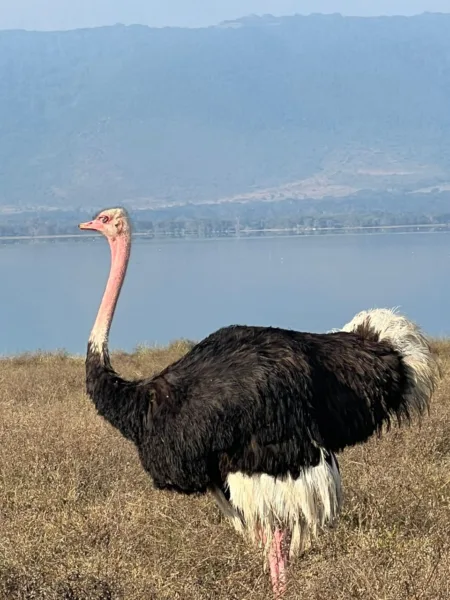
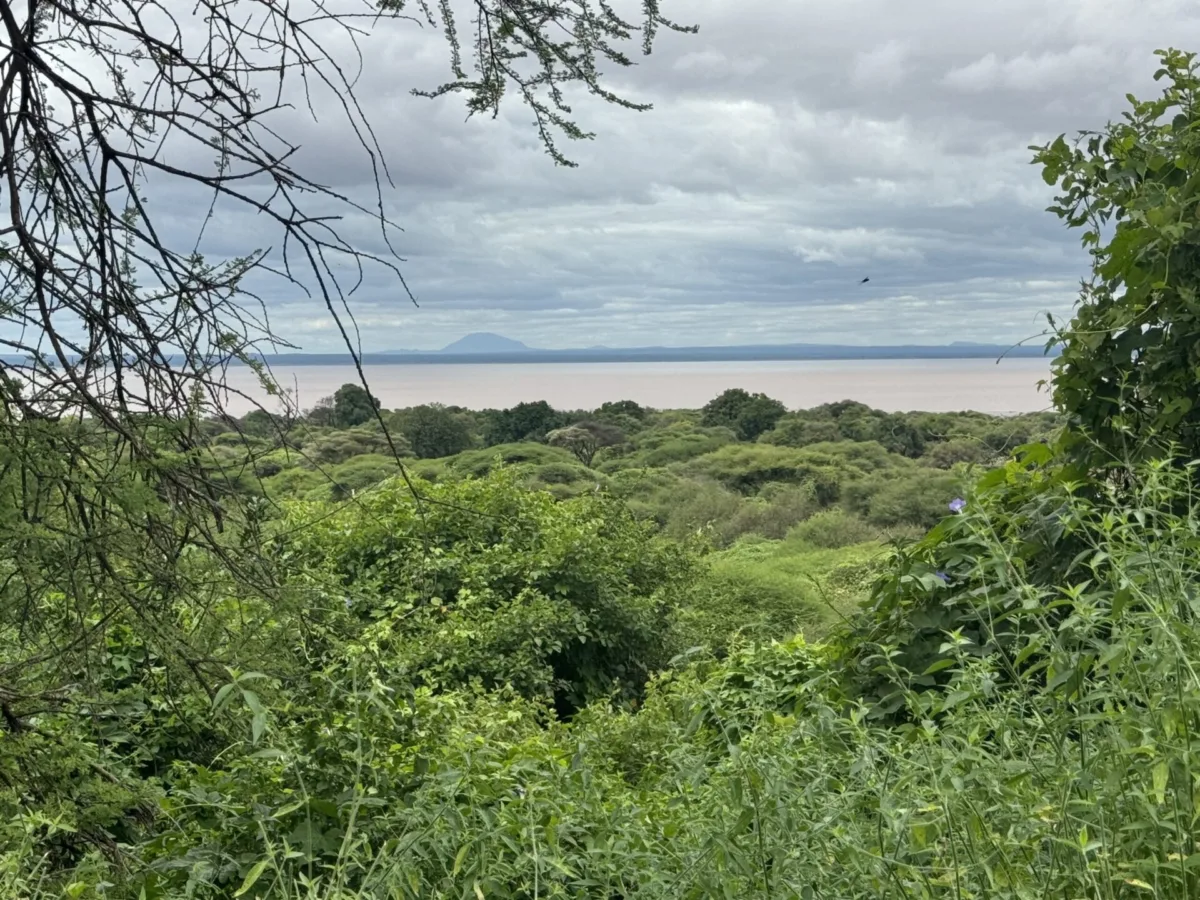
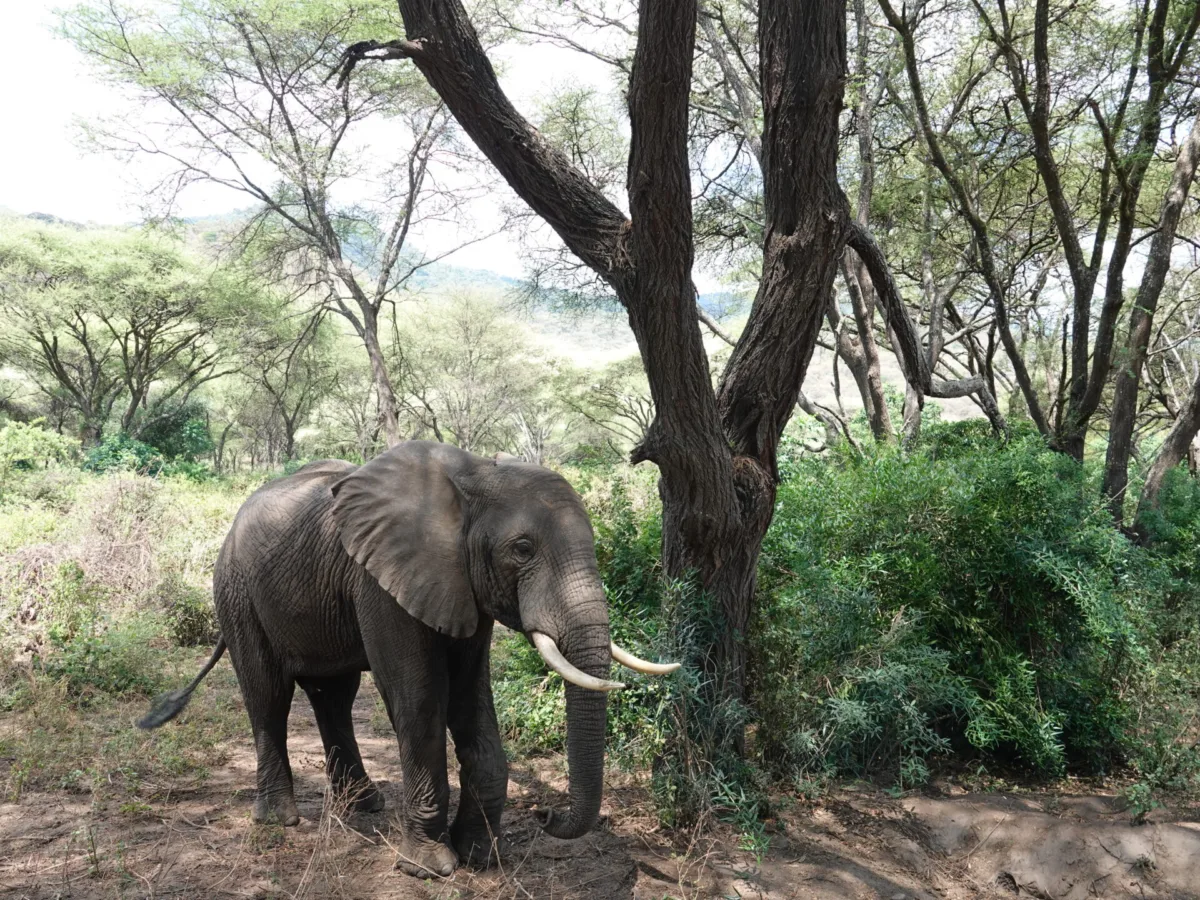
Lake Manyara National Park lies beneath the steep wall of the Great Rift Valley. A game drive may begin in cool groundwater forest before moving into woodland, floodplains, wetlands and the open landscape around the lake. Because these habitats lie close together, the character of the park can change several times within one visit. Monkeys move through the forest canopy, elephants use denser vegetation and grazing animals appear in the more open areas. Along the shoreline, rainfall and changing water levels influence where birds feed and how much of the floodplain is exposed. Lake Manyara is often associated with tree-climbing lions and seasonal gatherings of flamingos. Both belong to the park’s story, but neither explains it completely. Its real strength lies in the relationship between the escarpment, underground water, vegetation and the alkaline lake. This variety makes Lake Manyara especially useful within a Northern Circuit journey. It introduces several different environments without requiring the distances associated with Tanzania’s larger parks.
- Rift Valley forest, wetland and lake
- Birdlife along a changing shoreline
- First-time safari travellers
- Families looking for varied scenery
- Birdwatchers and travellers interested in wetlands
- Shorter visits within the Northern Circuit
- Travellers combining Tarangire and Ngorongoro
- Several distinct habitats occur within a compact area
- Groundwater springs support dense forest beneath the escarpment
- The shoreline changes as rainfall and lake levels rise or fall
- The park provides a natural transition between savannah and highlands
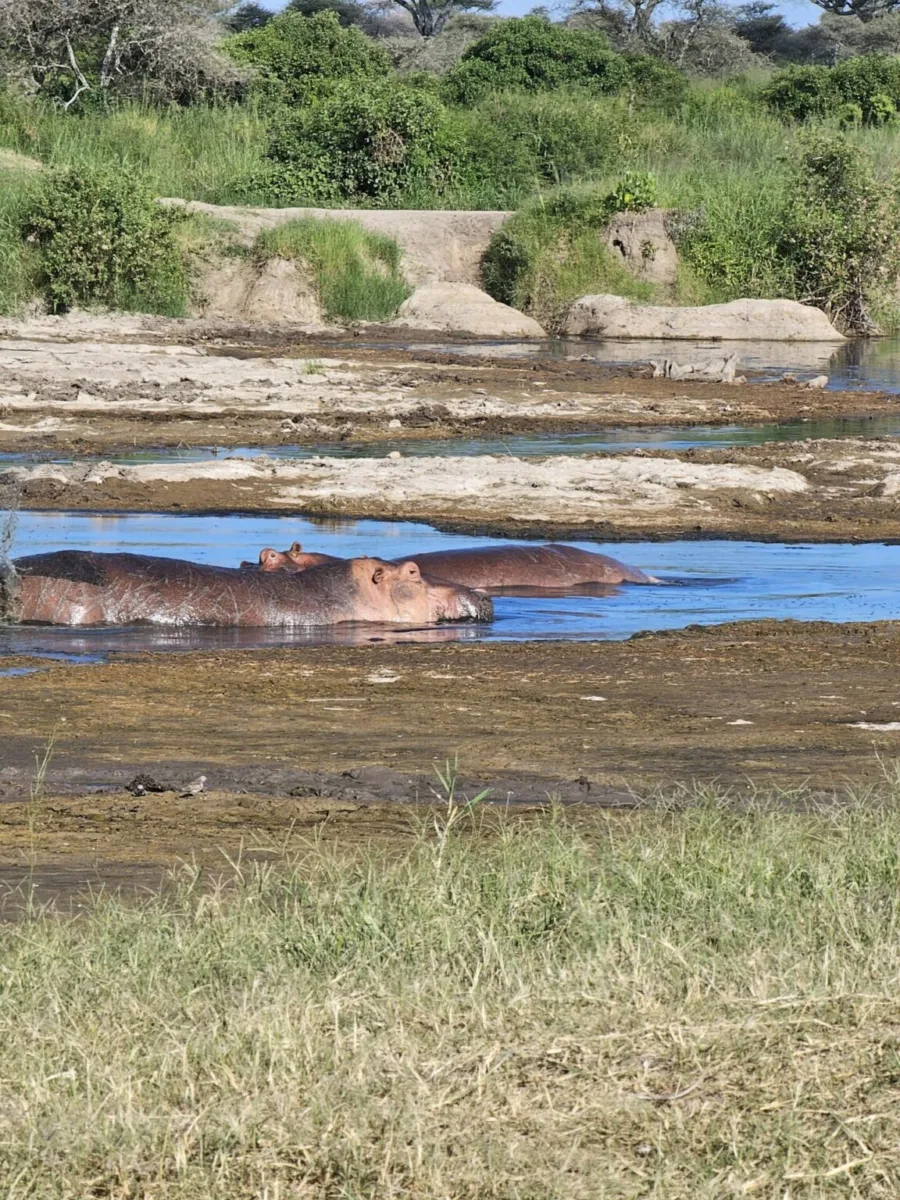
- Popular wildlife: elephants, baboons and hippos
Follow the Rift Valley into the park
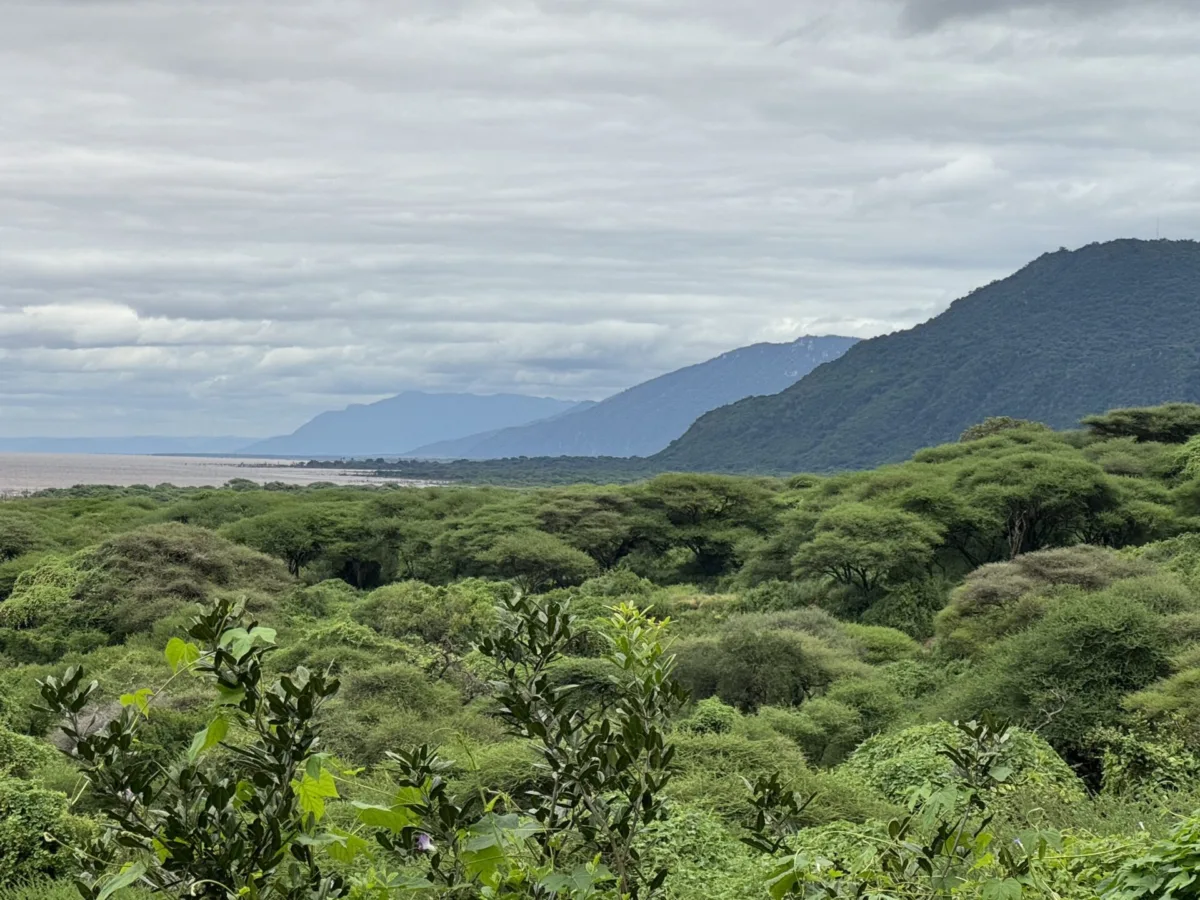
Lake Manyara occupies a narrow strip of land between the Rift Valley wall and the lake. This geography explains why forest, wetlands and open habitat follow one another so quickly. The park lies close to Mto wa Mbu and connects naturally with Tarangire and the Ngorongoro Highlands. It can be reached by road from Arusha or included as a shorter stop within a wider northern route.
- Located along Tanzania’s Northern Circuit
- Close to Mto wa Mbu and the Ngorongoro Highlands
- Accessible by road and nearby air connections
- Suitable for a half-day, full-day or overnight visit
A park shaped by water
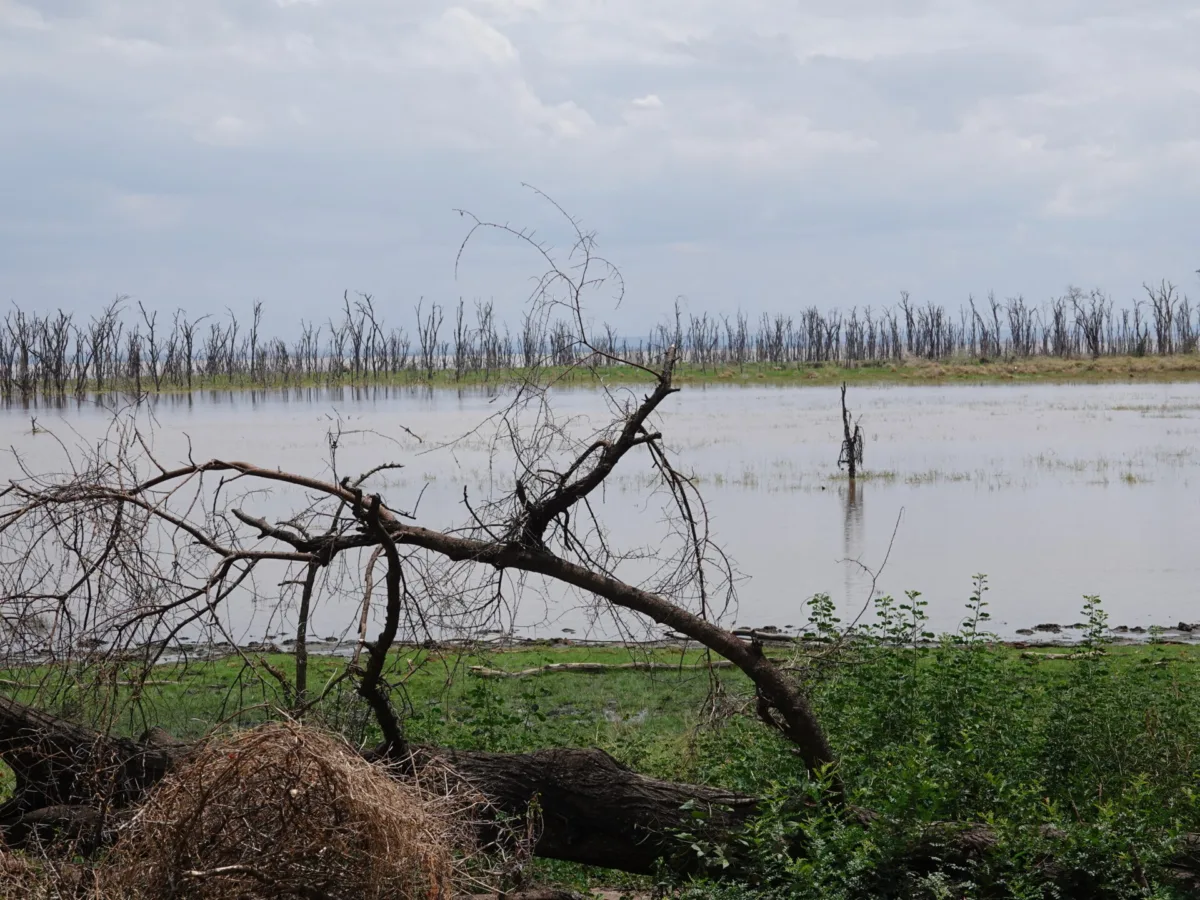
Water enters the landscape through perennial springs below the escarpment. These springs support the groundwater forest, where shade, moisture and dense vegetation create a very different environment from open savannah. Further south, water contributes to swamps, floodplains and the lake itself. Rainfall and evaporation continually alter the shoreline, creating different feeding areas for pelicans, flamingos and other waterbirds. The same changes also affect larger wildlife. Vegetation, grazing and access to water influence which animals use each part of the park. Lake Manyara is therefore best understood as a sequence of connected habitats. What you observe in the forest, wetlands and open areas is part of the same changing water system.

Look beyond one famous sighting
Tree-climbing lions have become closely associated with Lake Manyara, while images of flamingos have shaped the way the park is presented. Building an entire visit around either sighting can narrow the experience unnecessarily. Lion behaviour varies, and flamingo numbers respond to water levels, food and conditions across a much wider region. A stronger visit gives equal attention to elephant movement through the forest, primates in the canopy, wetland birds and the contrast between the escarpment and lake. Lamai uses recent conditions to decide how Lake Manyara fits into the route. The park adds most value when its changing habitats complement the destinations around it.
Activities in Lake Manyara
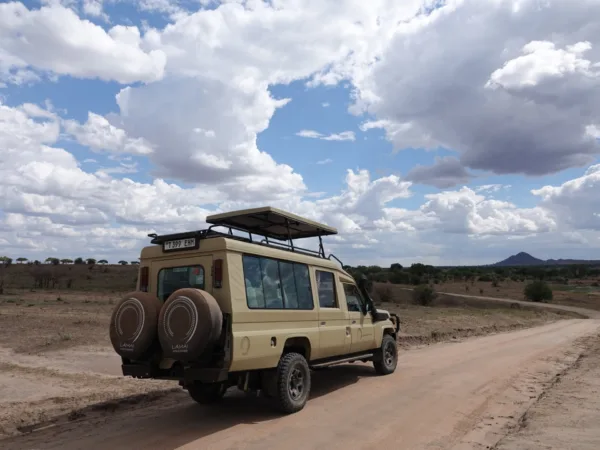
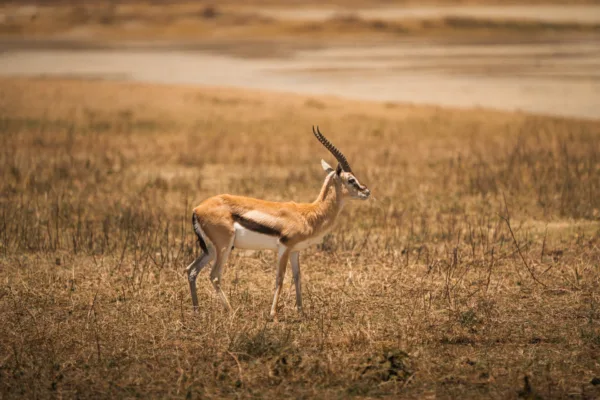
Game drive
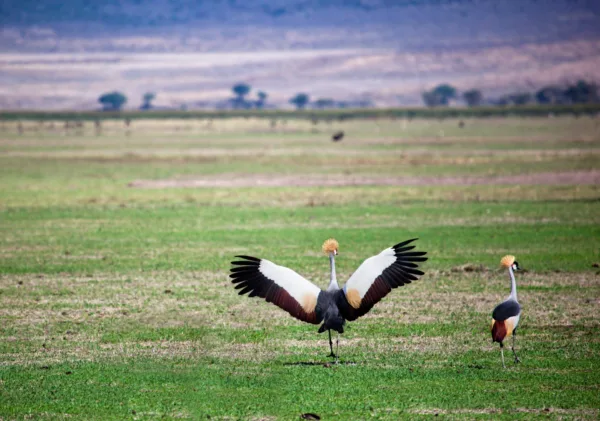
Birdwatching
Walking safari
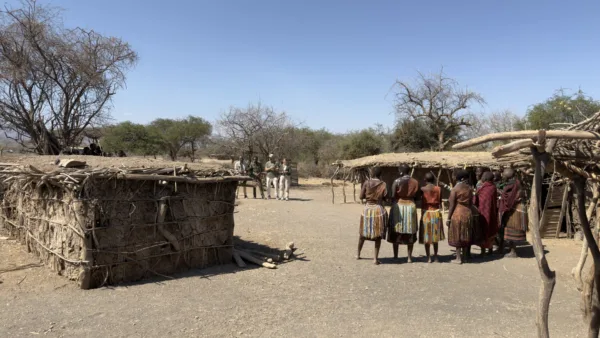
Culture and local knowledge
When Lake Manyara fits the journey
Lake Manyara works well as a shorter destination between Arusha, Tarangire and the Ngorongoro Highlands. A half-day or full-day game drive may be enough for travellers following a broader Northern Circuit route. An overnight stay creates more time for birdwatching, walking or experiences around Mto wa Mbu. It may also prevent the park from becoming a rushed roadside stop. Current conditions matter. Rain can affect roads and shoreline access, while changing water levels influence where birds and other wildlife are found. Lake Manyara should therefore be assessed alongside the season and the purpose it serves in the overall itinerary. Accommodation is available around the park, Mto wa Mbu and the Rift Valley escarpment. The most suitable location depends on the next stage of the journey and whether you are continuing towards Tarangire, Ngorongoro or Arusha. The park suits travellers who appreciate ecological variety more than long-distance game viewing. It may add less value when the itinerary is already crowded with short stops and transfers.

Start shaping your Tanzania journey
Frequently asked questions
The park can be visited through much of the year. Rainfall influences vegetation, road access, water levels and the distribution of wildlife and birds.
A half-day or full day can provide a good introduction. An overnight stay allows more flexibility and creates space for additional activities.
Lions live in the park and may sometimes rest in trees, but this behaviour is not the only reason to visit. The wider combination of forest, wetlands and wildlife is more dependable than one expected image.
Flamingo numbers vary with water levels, food availability and regional movement. Even when fewer flamingos are present, the wetlands can support varied and rewarding birdlife.
The park is reached by road from Arusha and lies close to Mto wa Mbu. A nearby airstrip may also be used as part of a scheduled or charter flight itinerary.
Yes. Its relatively compact size, changing scenery and manageable driving distances can work well for families. The schedule should still reflect the children’s ages and interests.
Yes. It can be visited from Arusha or included between other Northern Circuit destinations, although travel times and the wider route should remain realistic.
Continue your journey
Rubondo Island National Park

Mahale National Park
Kilimanjaro National Park