
Tarangire National Park
Tarangire National Park
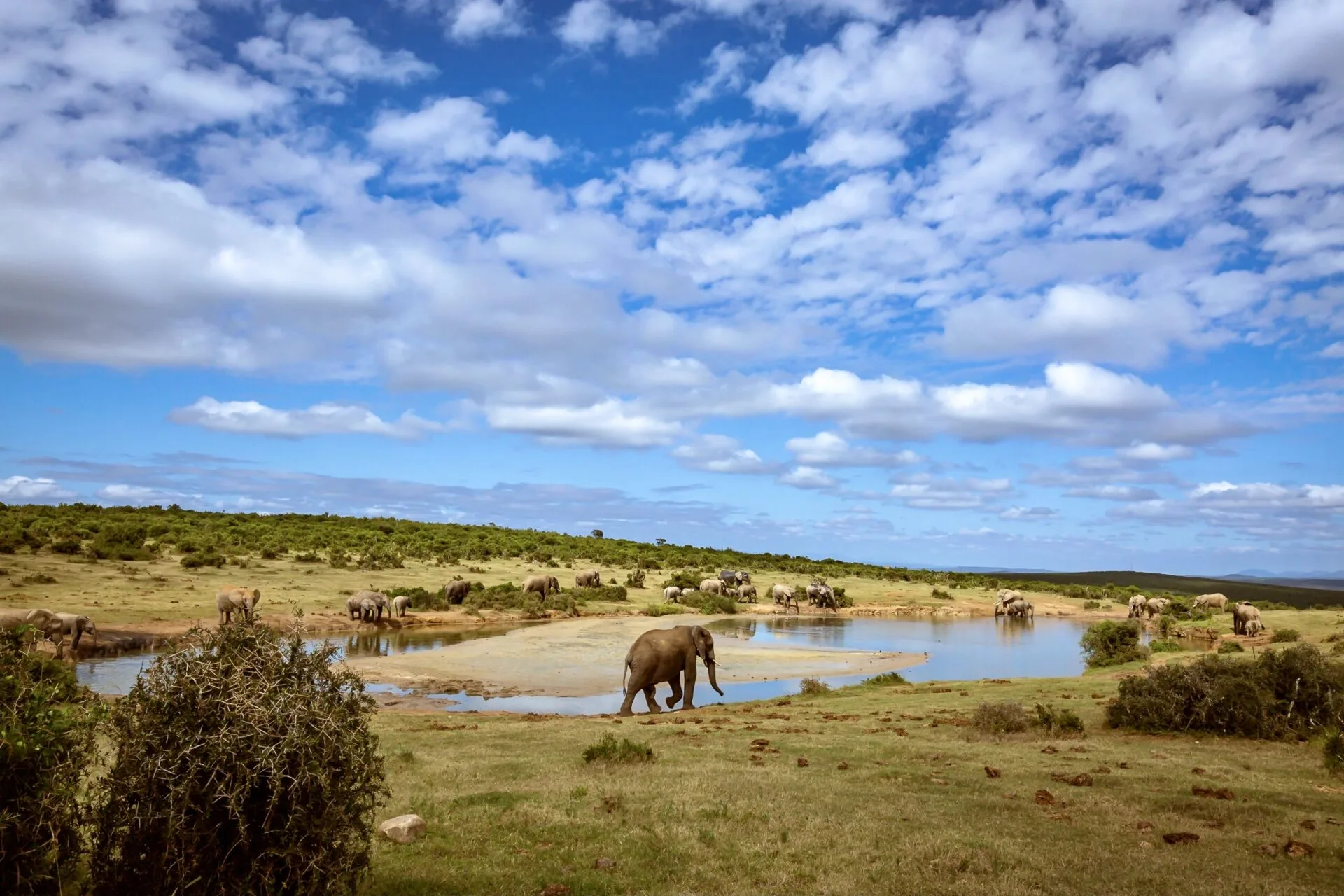
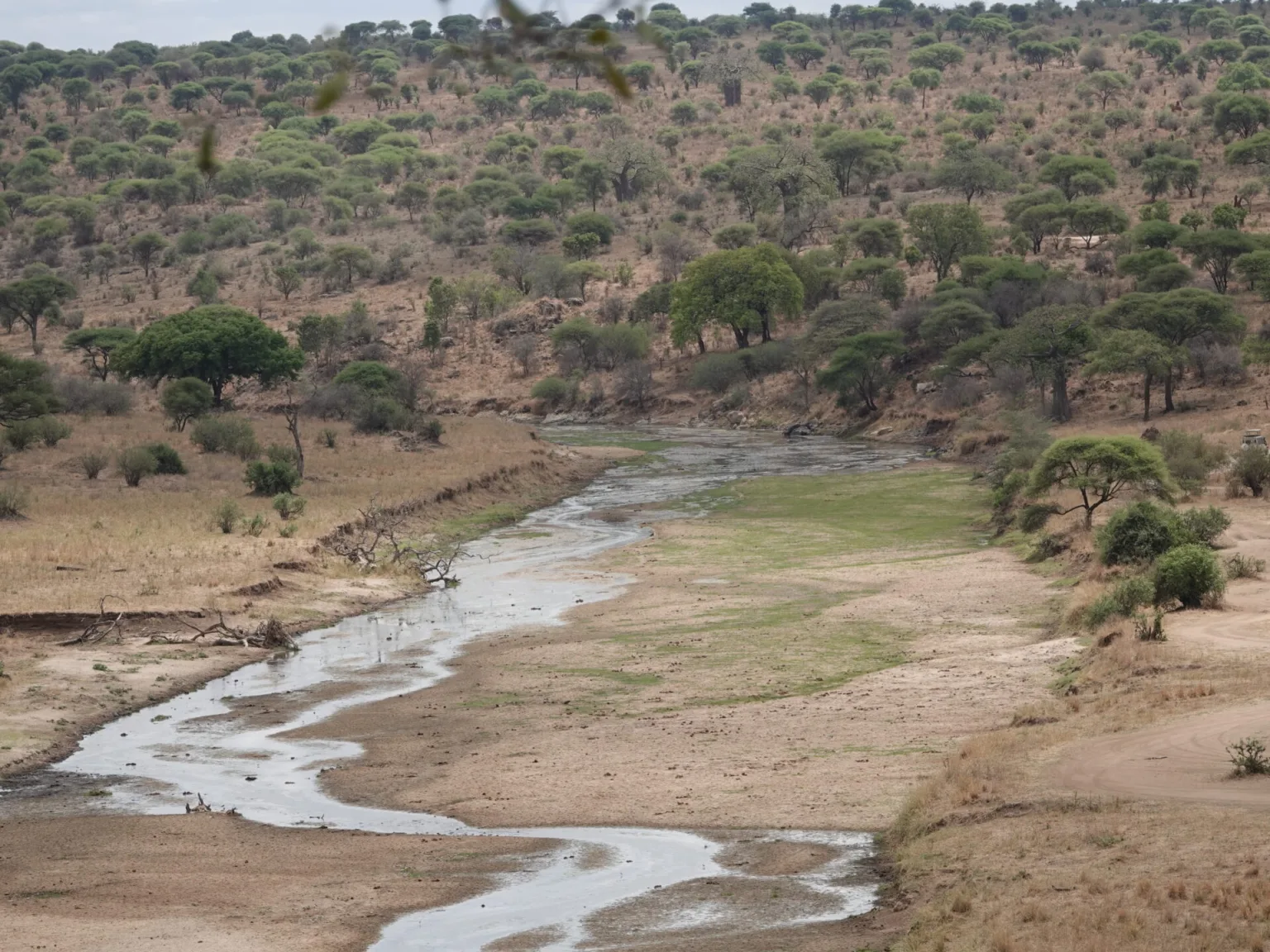
Tarangire has a rhythm of its own. River valleys, open grasslands, woodland, seasonal wetlands and baobab trees create a landscape that continually changes as water becomes more or less available. The Tarangire River runs through the centre of this story. During drier periods, it becomes increasingly important to wildlife moving through the wider ecosystem. Elephants, zebras, buffalo and other animals travel towards remaining water, while predators respond to the same movement. When the rains return, the pattern changes. Vegetation grows, wetlands expand and animals spread across a broader area. Birdlife becomes more prominent, the landscape turns greener and wildlife is less concentrated around the river. Tarangire may be famous for elephants and baobabs, but neither fully explains the park. Its deeper story is how animals, vegetation and seasonal movement respond to water.
- Elephants among the baobabs
- Dry and green seasons, two different parks
- Travellers interested in elephants and animal behaviour
- First-time safari travellers and families
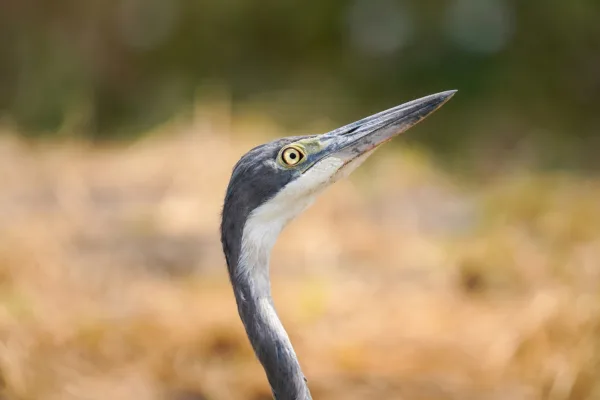
- Birdwatchers visiting in different seasons
- Photographers drawn to baobabs and varied habitats
- Travellers able to spend more than one day in the park
- The Tarangire River influences wildlife movement during drier periods
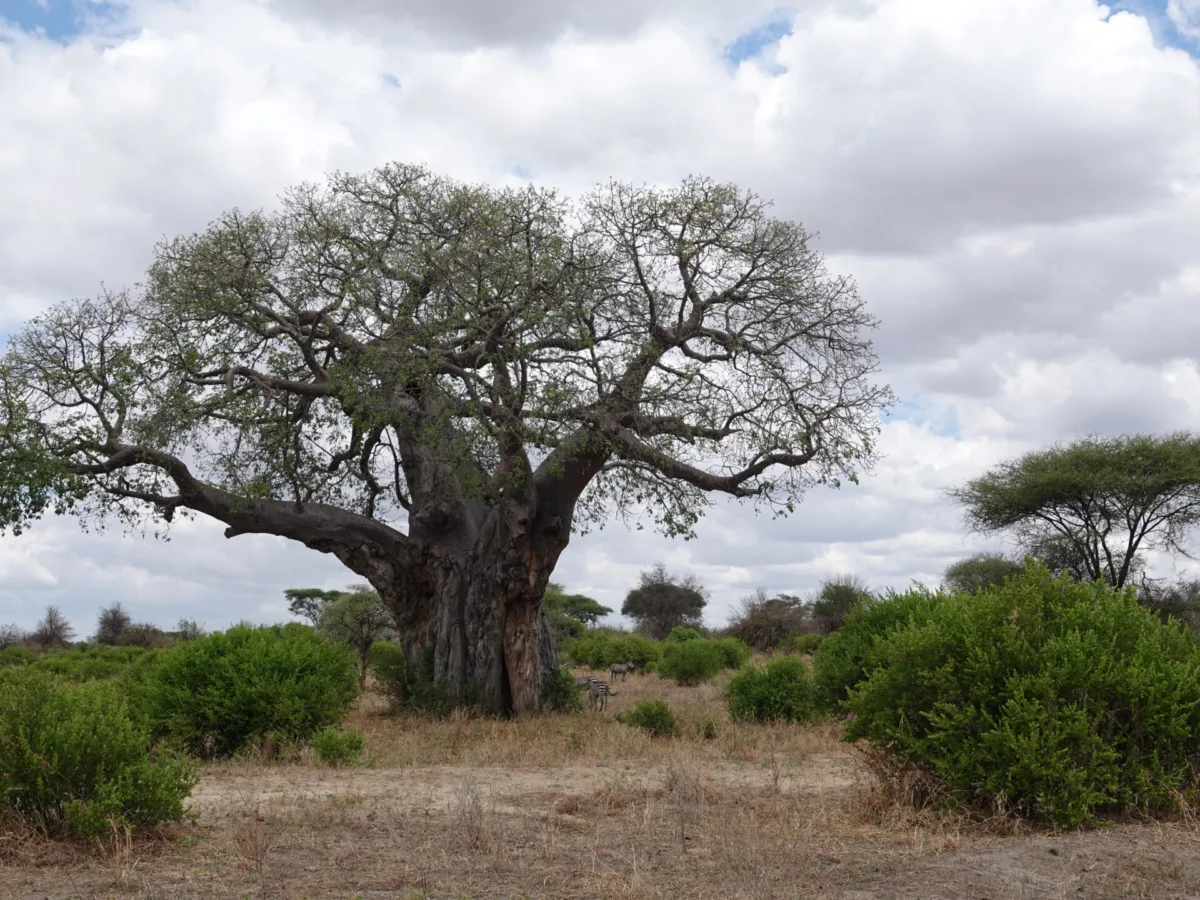
- Baobabs, woodland, swamps and open grasslands create varied scenery
- Dry and green seasons reveal very different sides of the park
- Longer stays allow access beyond the busiest northern routes
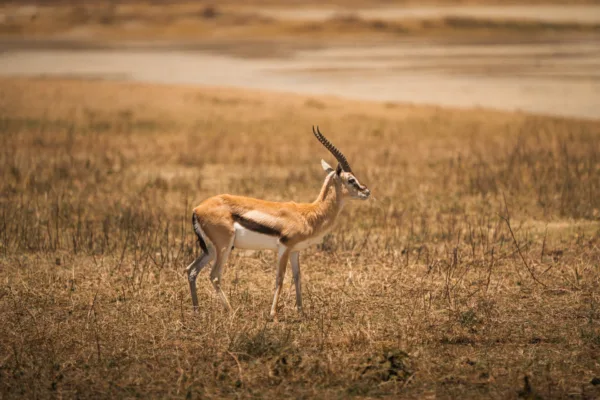
- Popular wildlife: elephants, lions and giraffes
Follow the river through the park
Tarangire lies southwest of Arusha and connects naturally with Lake Manyara, Lake Eyasi and Ngorongoro. Its location makes it accessible, but the park should not be treated only as the first stop on the road north. Roads follow river valleys, open wildlife areas and wetlands before reaching quieter sections further south. The route chosen depends on water, season and recent animal movement.
- Accessible by road from Arusha
- Naturally combined with Lake Manyara and Ngorongoro
- Organised around the river and connected wetlands
- Suitable for both shorter visits and longer stays
The river that sustains the dry season
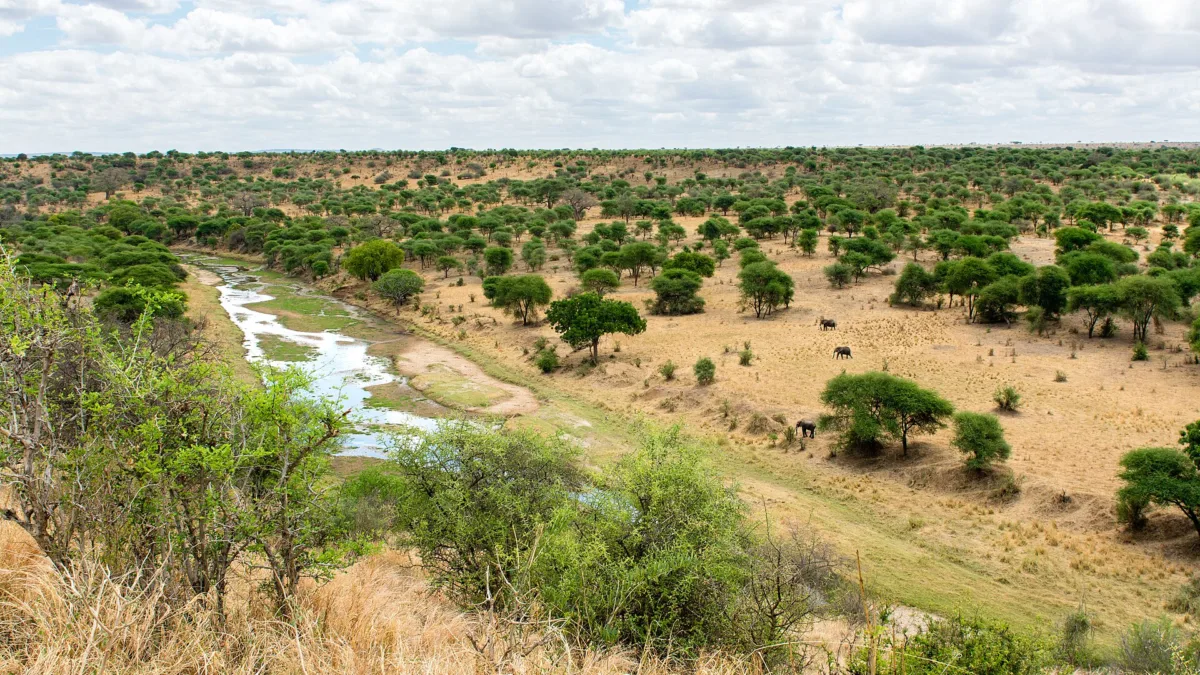
The Tarangire River is fed by seasonal waterways and flows north through the park towards Lake Burunge. Along the way, it connects with wetlands and swamps that retain water as the surrounding landscape dries. Elephants may dig into damp riverbeds, while herbivores gather near pools and riverbanks. Lions, leopards, hyenas and other predators respond to the greater availability of prey. The river also supports vegetation and helps connect movement routes beyond the park boundaries. What happens inside Tarangire is part of a wider ecosystem rather than an isolated concentration of animals. During wetter periods, wildlife no longer depends as heavily on the main river. Animals disperse, new grass appears and seasonal wetlands become active again. This is not a weaker version of Tarangire, but another stage in its natural cycle.

Elephants are part of a larger story
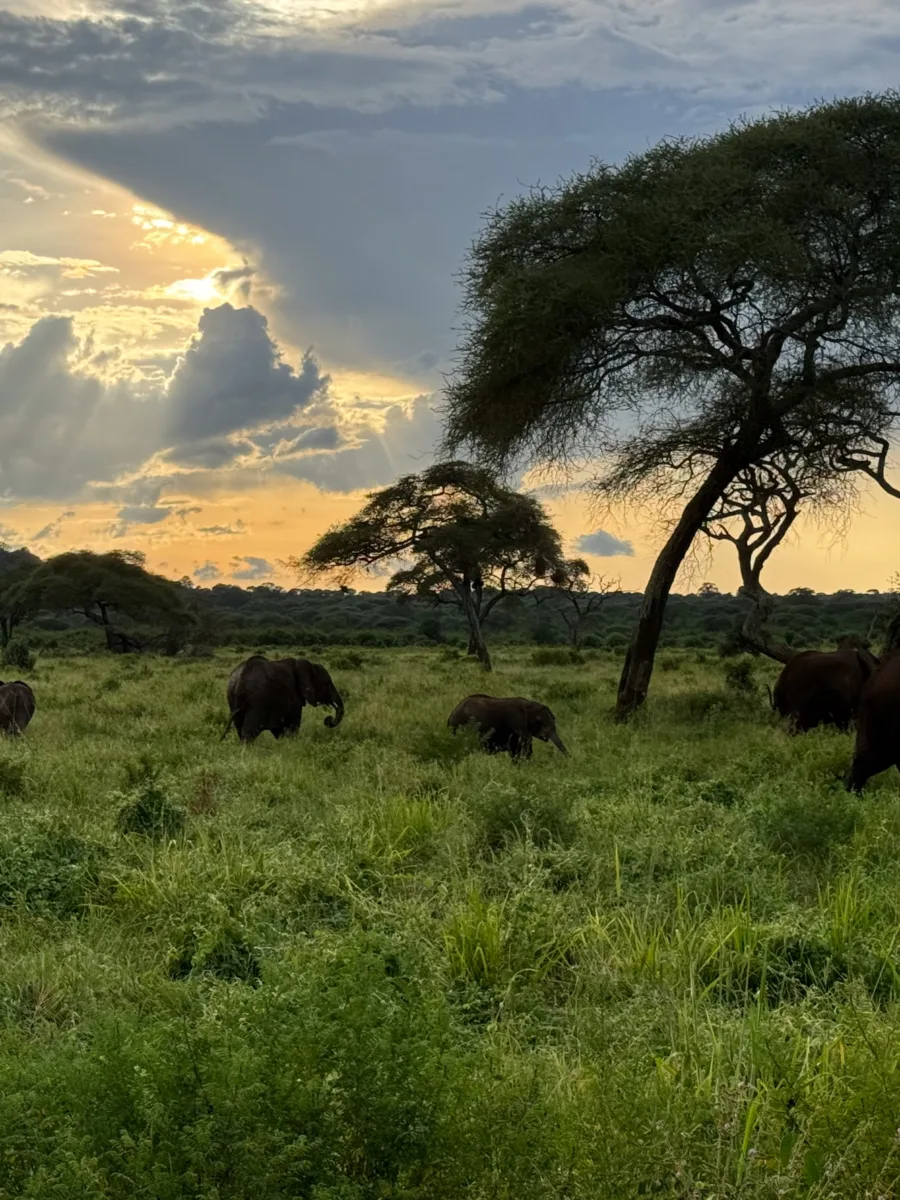
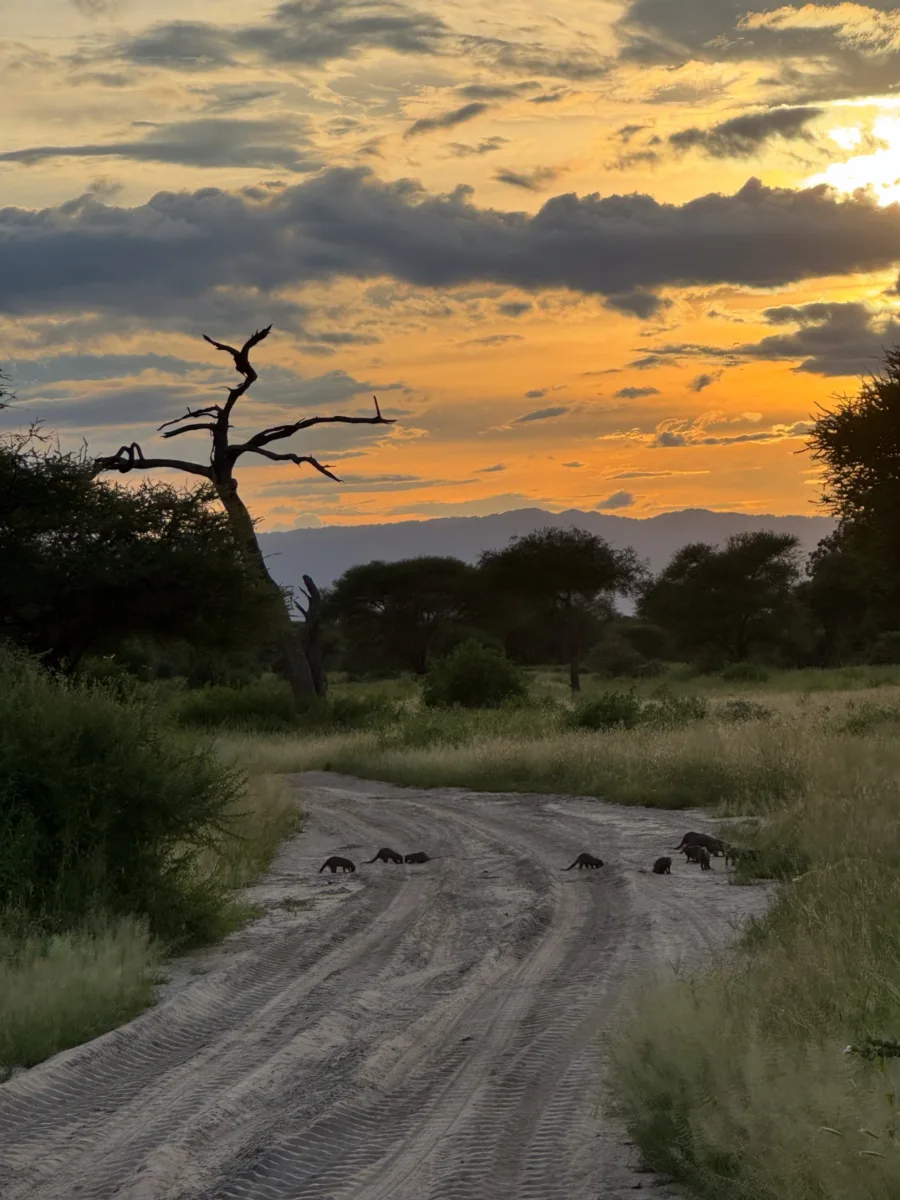
Tarangire is strongly associated with elephants, and encounters can reveal complex social behaviour. Family groups communicate, protect younger animals and adjust their movement around food and water. Their size and apparent comfort around vehicles should never be mistaken for permission to approach carelessly. Guides leave space for animals to choose their own path and avoid placing vehicles where movement becomes restricted. The same attention extends beyond elephants. Termite mounds may provide shelter for mongooses, vegetation changes can reveal nearby water and the behaviour of grazing animals may indicate the presence of predators. Looking beyond the most obvious sighting allows Tarangire to become a landscape of relationships rather than a search for the largest herd.
Activities in Tarangire National Park
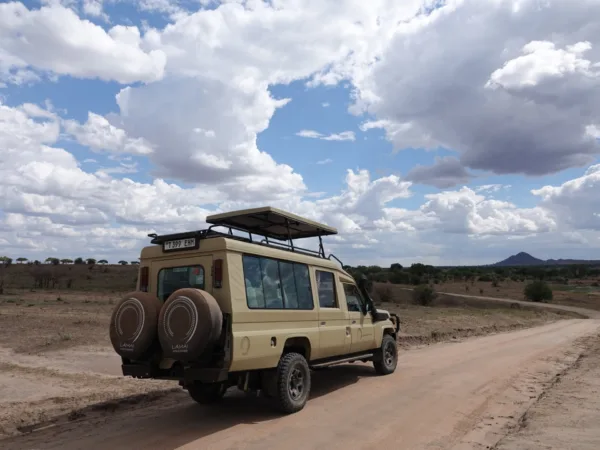
Game drive
Walking safari

Hot air balloon
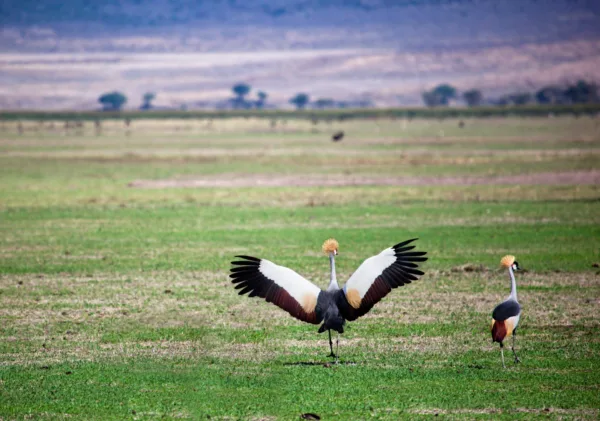
Birdwatching
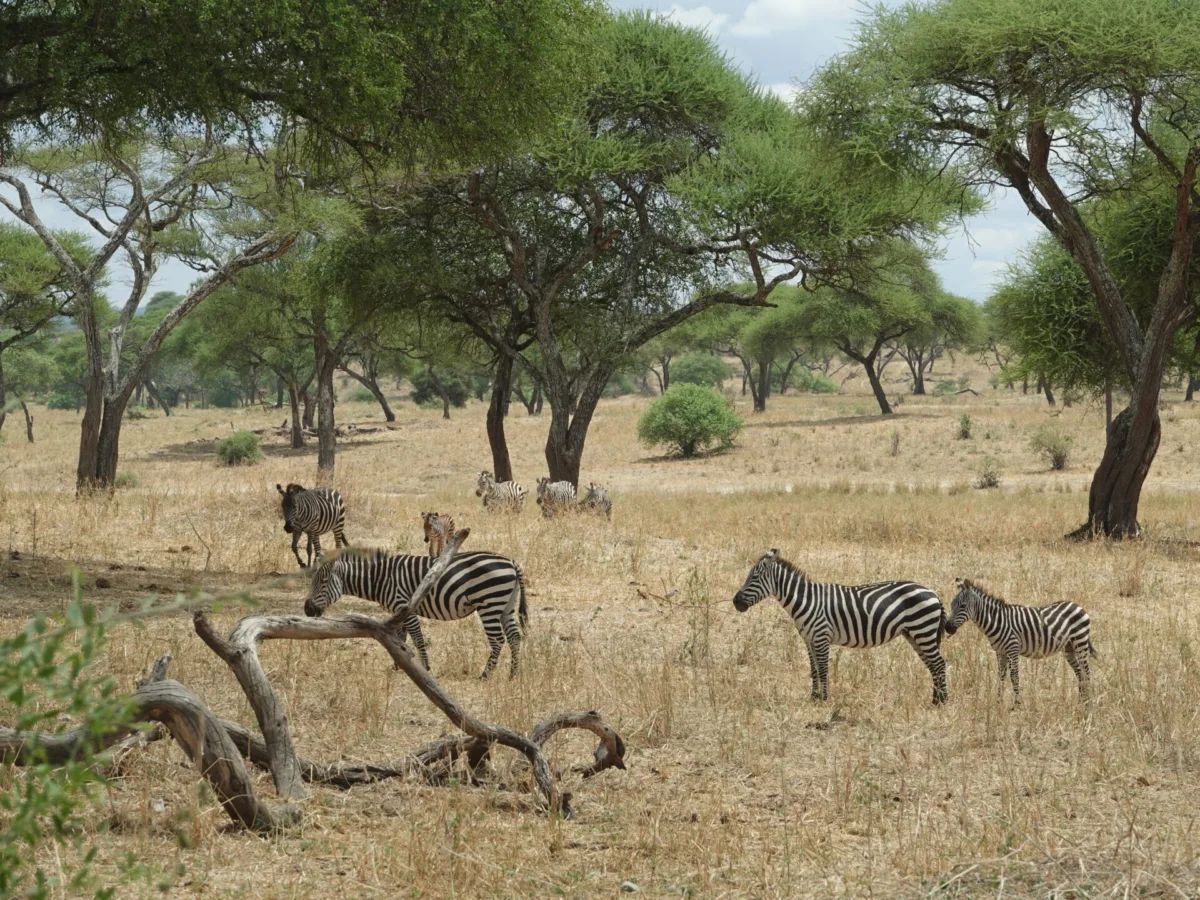
A strong introduction to the Northern Circuit
Tarangire is often the first wildlife destination after Arusha. A full-day visit can provide a strong introduction, particularly when it forms part of a shorter Northern Circuit itinerary. Two or more nights allow the park to play a larger role. More time can open access to different habitats, reduce the need to remain near the busiest northern roads and create opportunities to revisit an active river or wetland area. Accommodation is available inside and around the park. Location influences how quickly you can begin exploring and whether quieter southern sections can be reached without spending too much of the day in transit. Tarangire combines especially well with Lake Manyara and Ngorongoro because each destination is shaped by water in a different way. It can also precede Lake Eyasi or a longer journey towards the Serengeti. A shorter visit may be sufficient when the overall itinerary already includes several nights in other northern parks. Travellers especially interested in elephants, birdlife or photography may gain more from making Tarangire a multi-night destination.

Start shaping your Tanzania journey
Frequently asked questions
Drier months often bring more wildlife towards the river and remaining wetlands. Greener periods offer seasonal birdlife, fresh vegetation and animals spread across a wider area.
A full day provides an introduction. Two or more nights create greater flexibility and make it easier to explore beyond the busiest sections.
Elephants are an important part of the park, but Tarangire also supports predators, plains wildlife, reptiles and extensive birdlife. The river and wetlands are the wider story connecting them.
Guided walking safaris may be arranged through authorised operators. Participation depends on current availability, park requirements, age and fitness.
Night drives may be offered through approved arrangements, often depending on the accommodation or operator. They introduce nocturnal behaviour that is not visible during daytime game drives.
Yes. Its accessibility from Arusha and varied wildlife can work well for families. Driving times, activities and breaks should be planned around the children’s ages.
Yes, although it creates a relatively long day. An overnight stay reduces transfer pressure and leaves more time for the park itself.
Continue your journey
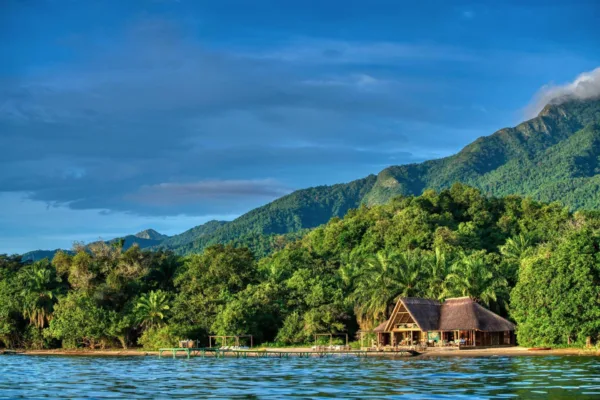
Rubondo Island National Park
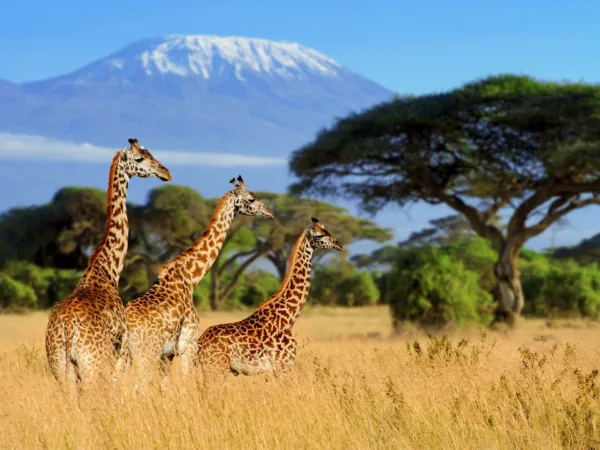
Kilimanjaro National Park
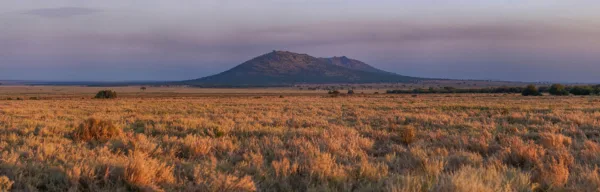
Serengeti National Park