
Western Tanzania
Western Tanzania
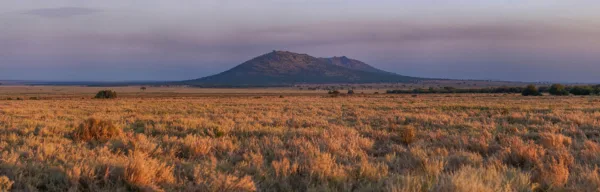
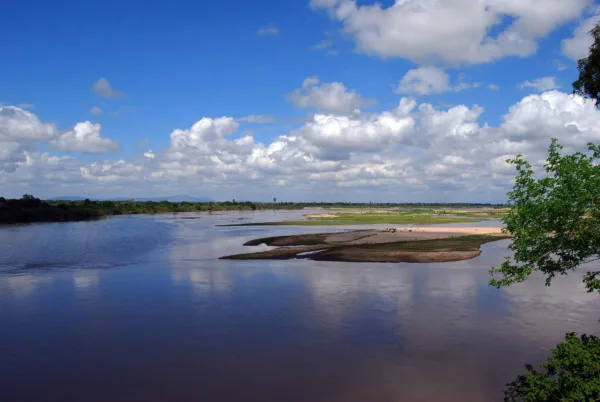
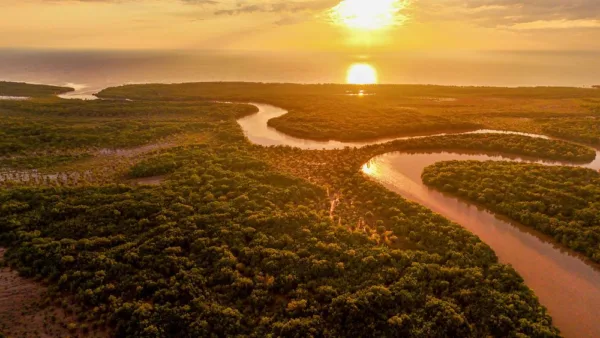
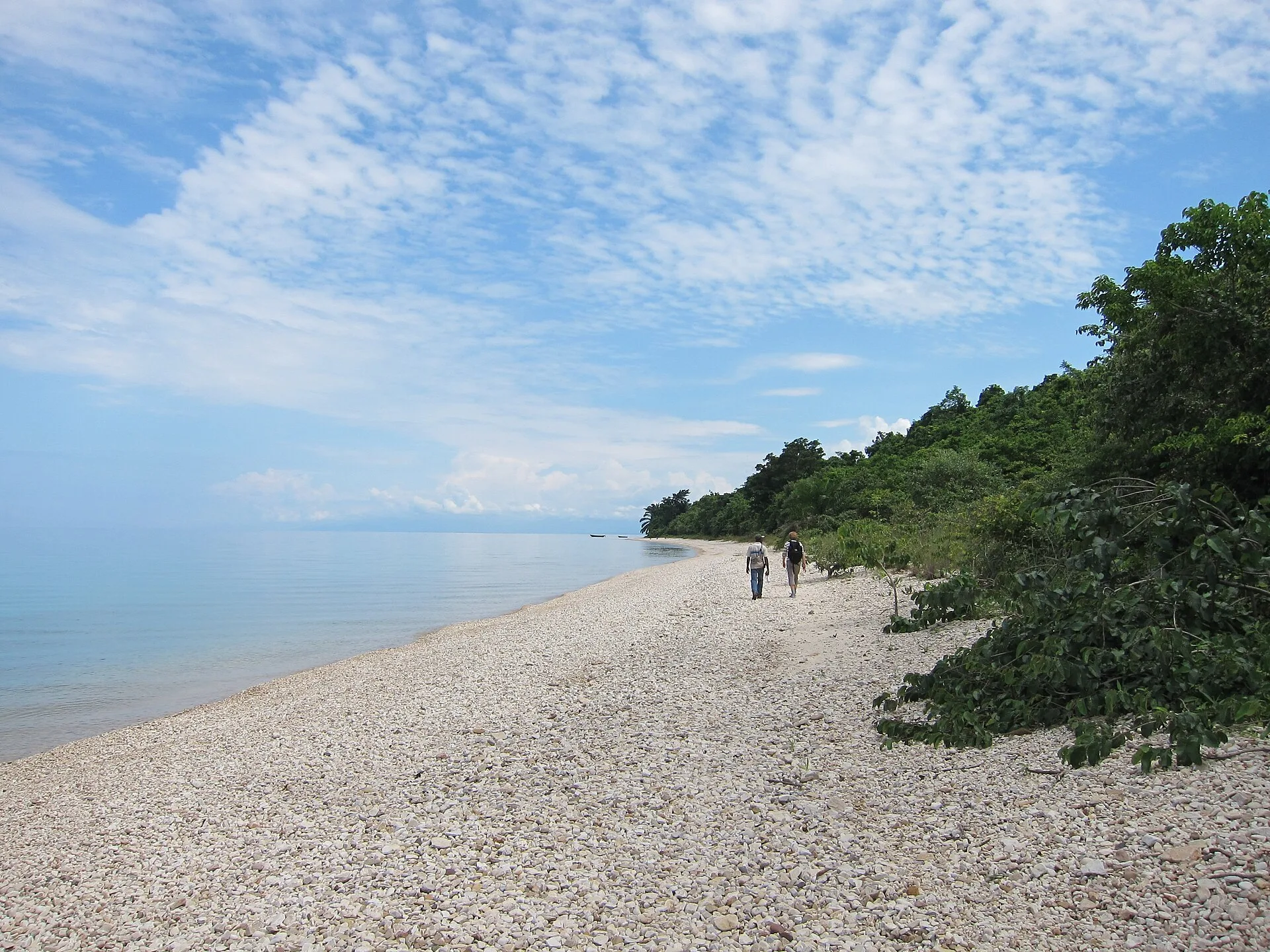
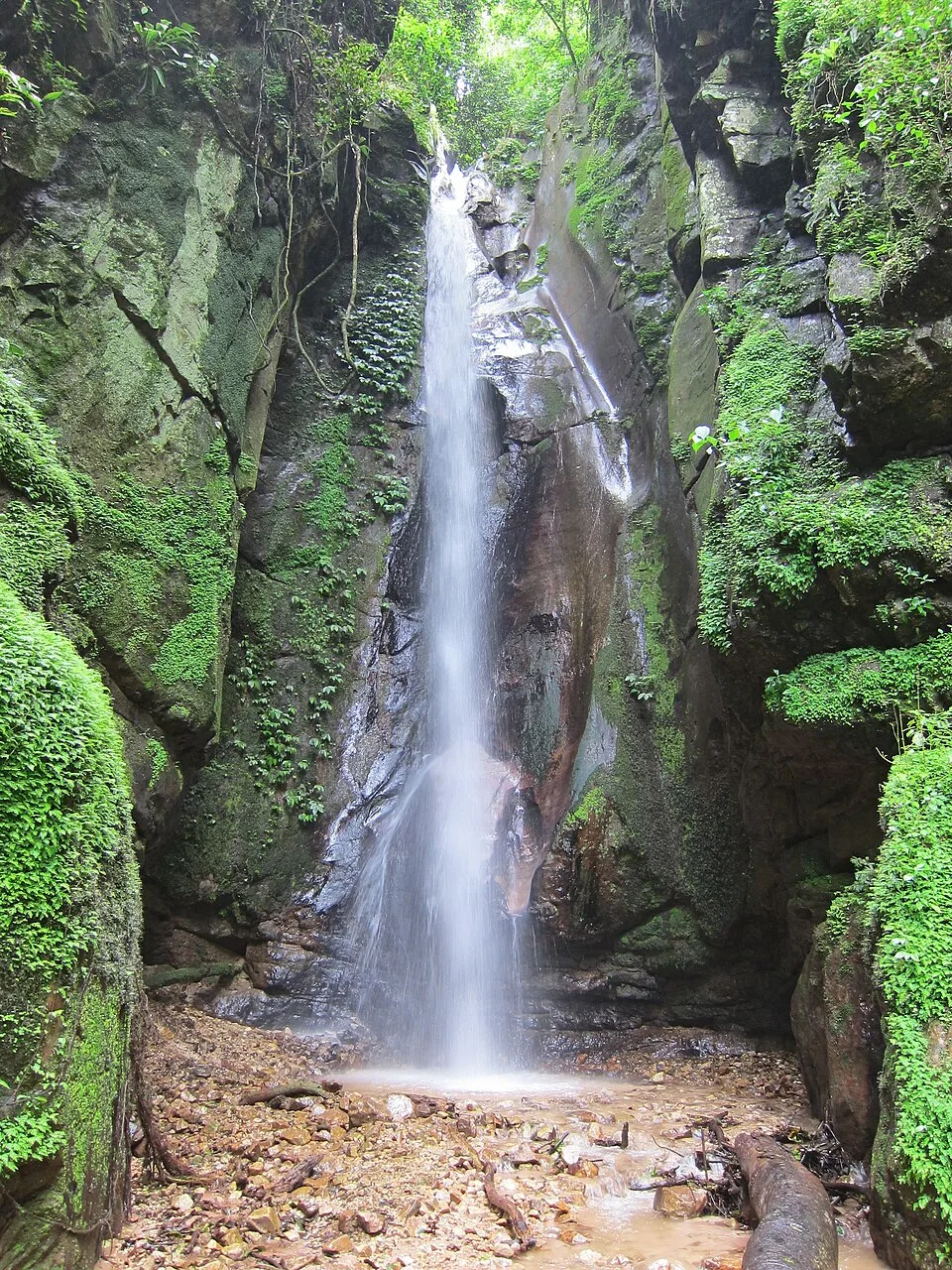
Western Tanzania asks for a different way of travelling. Distances are greater, connections require careful planning and the strongest journeys spend more time in fewer places. The route may begin among floodplains, seasonal rivers and woodland before moving towards forested mountains and Lake Tanganyika. Traditional game drives then give way to chimpanzee tracking, walking and time beside the water.
Two different sides of Tanzania
Within one journey, you experience two very different sides of Tanzania. This is not the right circuit for travellers who want to include as many parks as possible in the shortest time. Flights and boat transfers are often essential, while operating schedules can influence the order and duration of the route. Given enough time, those practical demands become part of the experience. You begin to see how water shapes wildlife on the plains, how chimpanzees move through forest communities and how Lake Tanganyika influences landscapes, biodiversity and daily life. With Lamai, remote destinations are only included when the route gives them the time they deserve.
Best for:
- Returning safari travellers looking beyond familiar routes
- Travellers comfortable with flights and boat transfers
- Chimpanzee tracking and primate behaviour
- A combination of game drives, forest and lake
- Open floodplains and seasonal river systems
- Wildlife experiences far from the main circuits
- A strong contrast between savannah and forest
- Chimpanzee tracking in mountain forest
A journey designed around what matters

An example Western Circuit safari
The itinerary below shows one way to combine open wildlife country with chimpanzee tracking, forest exploration and Lake Tanganyika in nine days. It is an example rather than a fixed package. Flight schedules, boat transfers, seasonal conditions and accommodation availability may influence the order and duration of the final journey.
Day 1: Arrival in Tanzania
Day 2: Fly into the west
Day 3: Explore Katavi’s open wilderness
Day 4: Follow the rhythm of Katavi
Day 5: From Savannah to Lake Tanganyika
Day 6: Track chimpanzees through the forest
Day 7: Discover Mahale
Day 8: Get to know the mountains and lake
Day 9: Return with a different perspective
Arrival in Tanzania
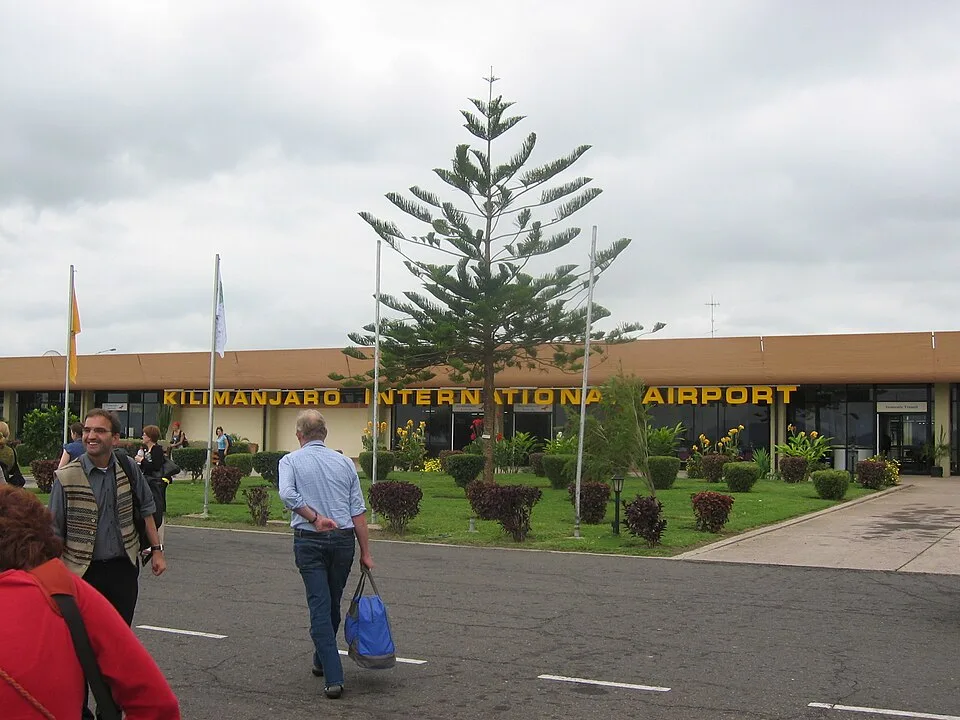
Arrive in Tanzania and transfer to your accommodation in Dar es Salaam or Arusha, depending on the domestic flight arrangements. The first day provides time to rest and prepare for the route ahead. Because Western Tanzania requires careful coordination, flights, transfers and luggage restrictions are checked as part of the complete itinerary.


Fly into Western Tanzania
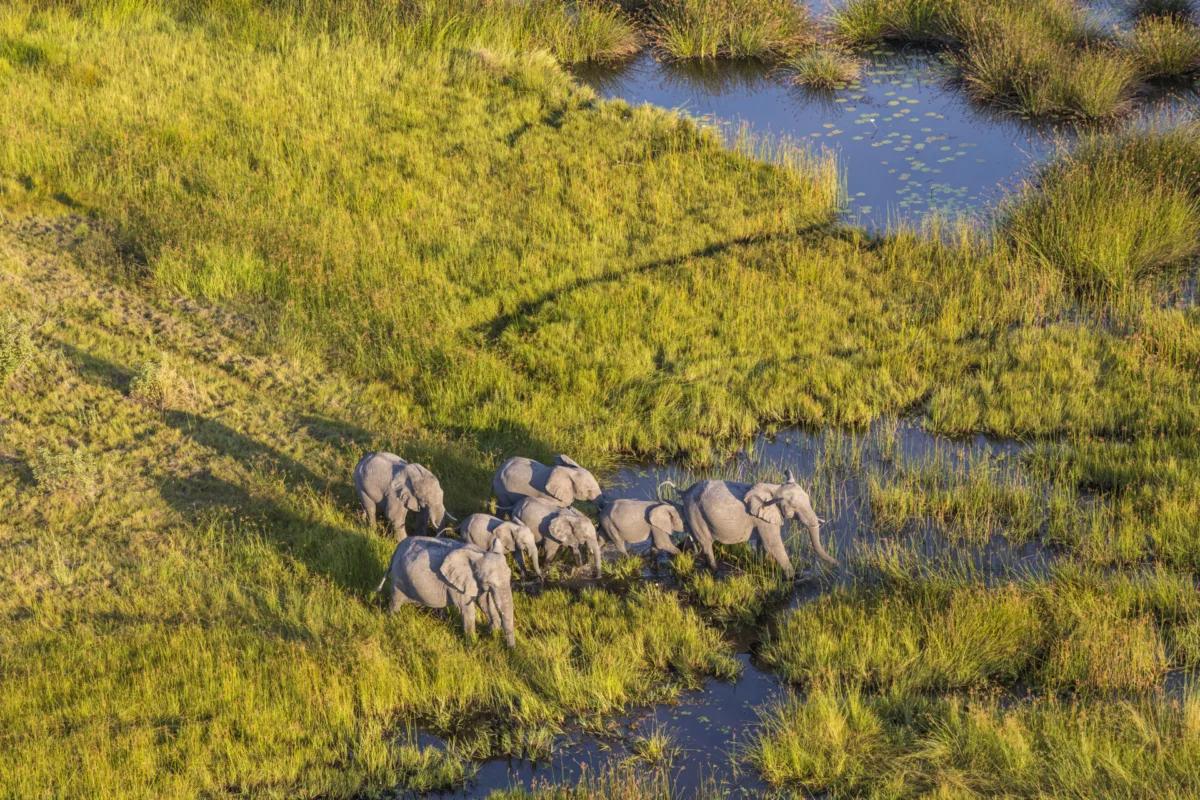
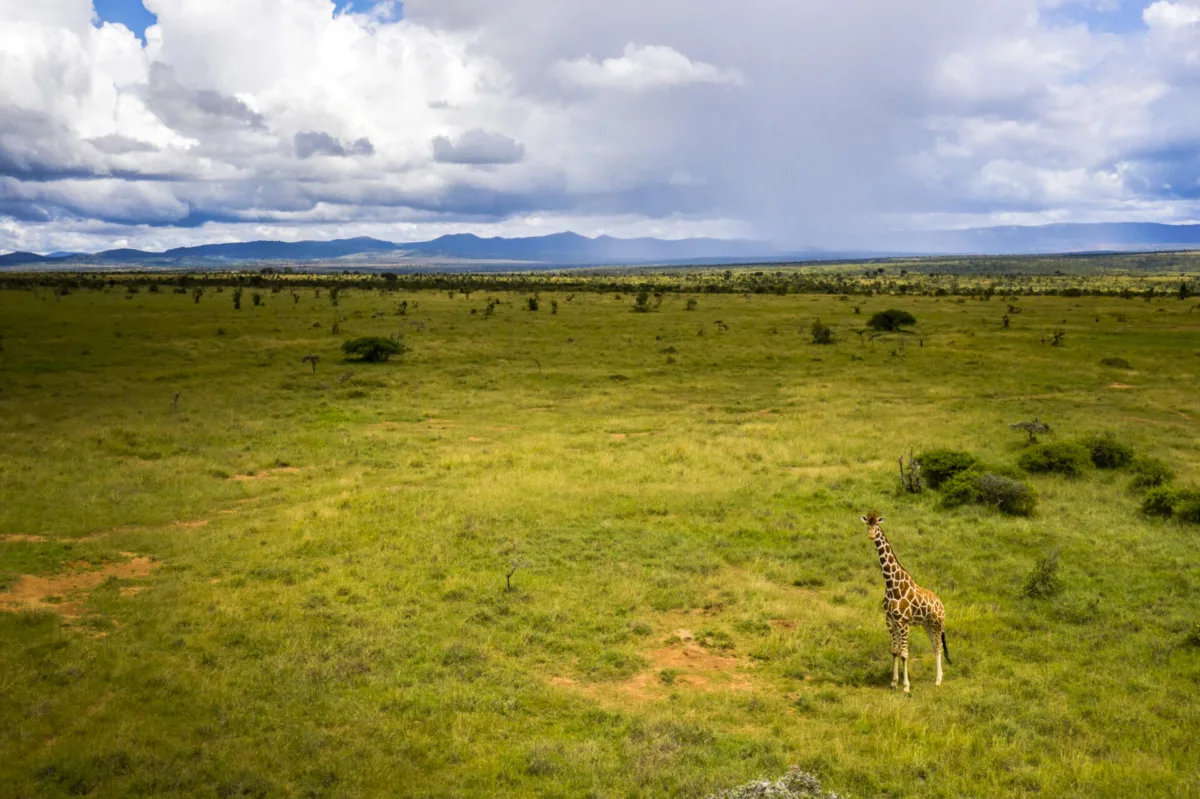
Take a domestic flight towards the western wildlife areas. Some services operate only on selected days or include stops along the way. From the air, the distance between Tanzania’s better-known safari regions and the west becomes increasingly clear. After landing, transfer to your accommodation. Depending on the arrival time, there may be an opportunity for a first game drive or a quieter introduction to the landscape.
Explore open wildlife country
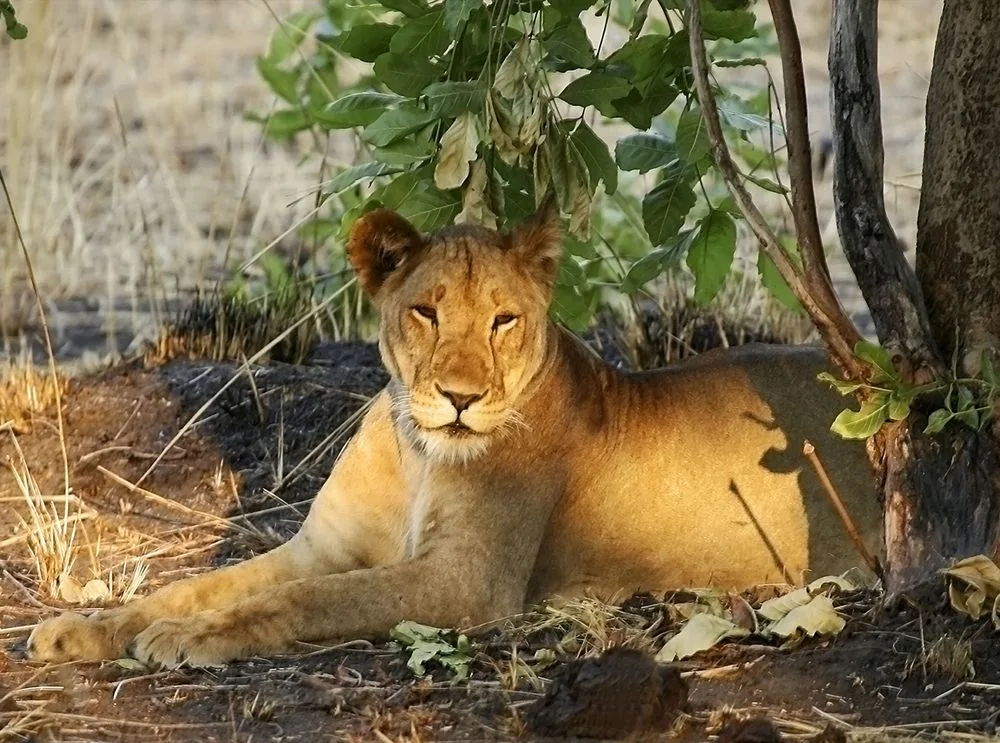
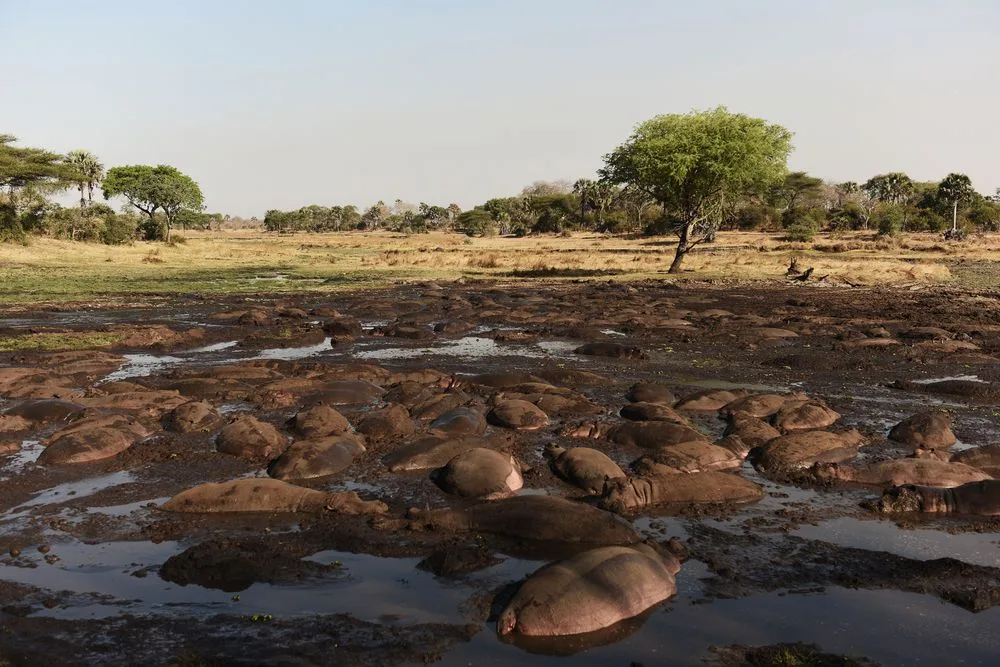
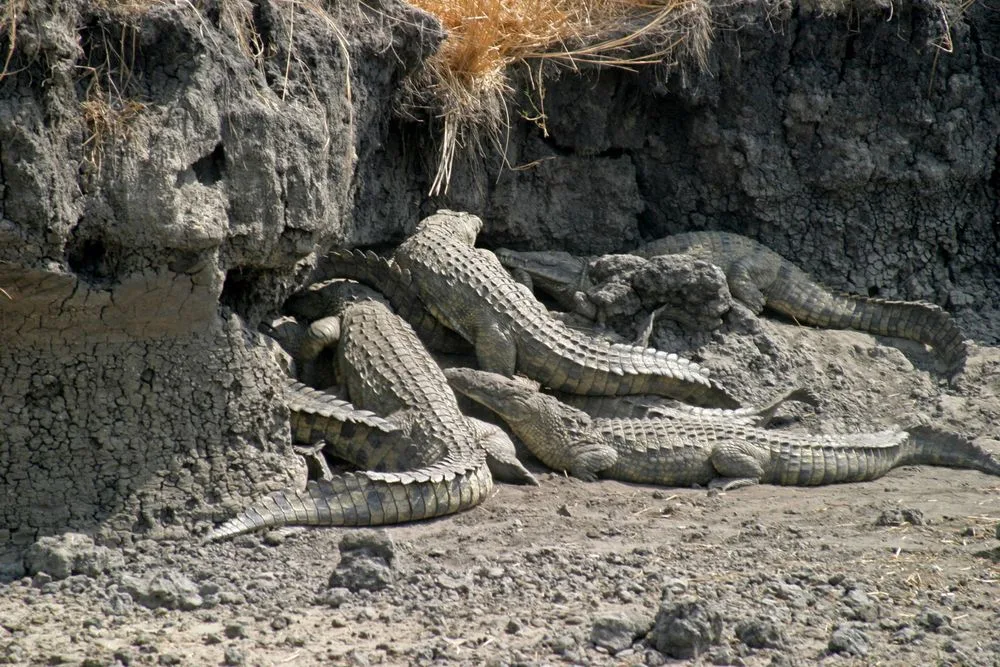
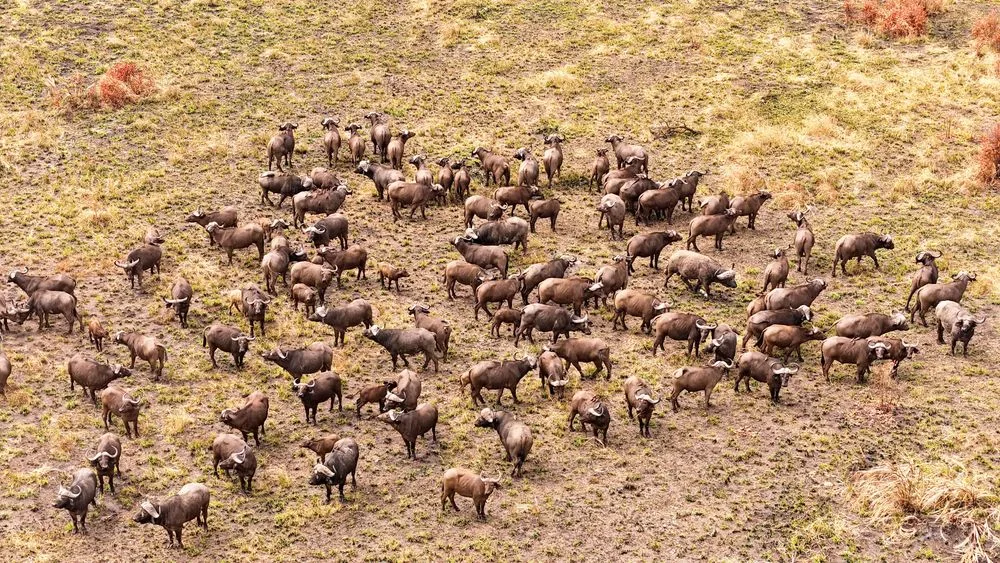
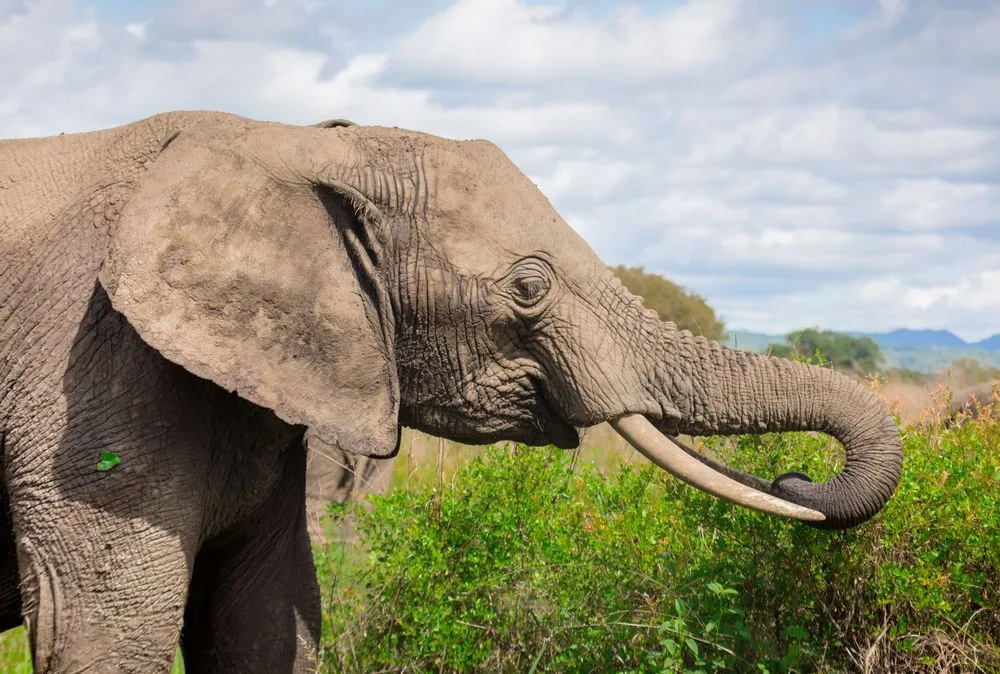
Spend your first full day exploring woodland, floodplains and river environments by vehicle. During drier periods, remaining water becomes increasingly important. Buffalo, elephants, hippos and predators respond to the same seasonal system, moving between rivers, pools, grassland and shade. The experience is not measured only by the number of animals present. Your guide helps you read how water and vegetation organise life across the wider landscape.
Follow the rhythm of the plains
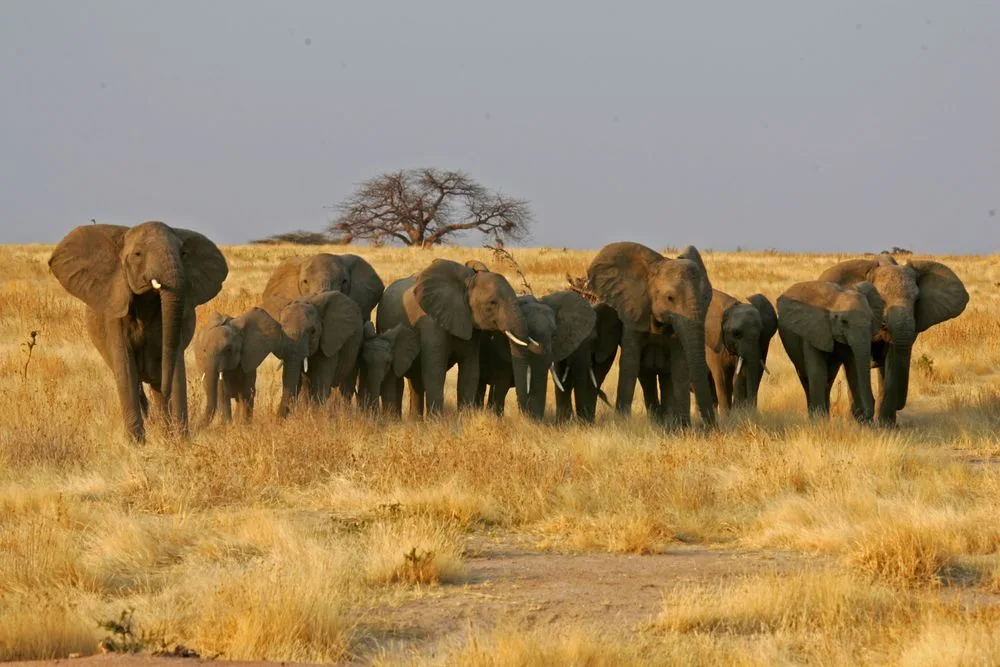
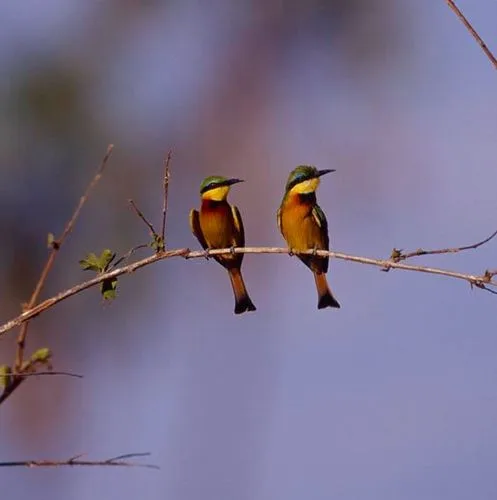
A second full day creates room to explore without following a rushed route. You may return to an active water source, follow signs of predators or remain with a herd long enough to observe how its behaviour changes. A quieter period can also reveal tracks, bird calls and movement that would be missed by constantly driving onwards. Where appropriately arranged, a walking safari may introduce another perspective on the same ecosystem.
From Savannah to Lake Tanganyika
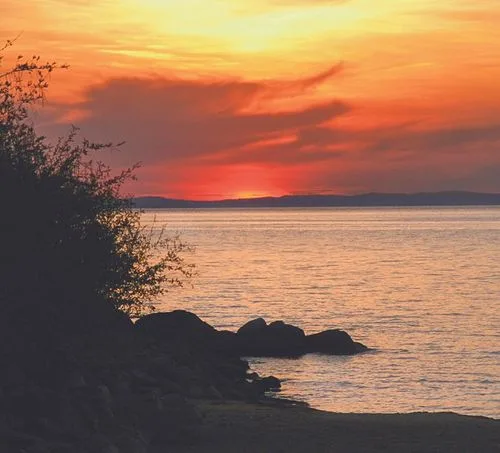
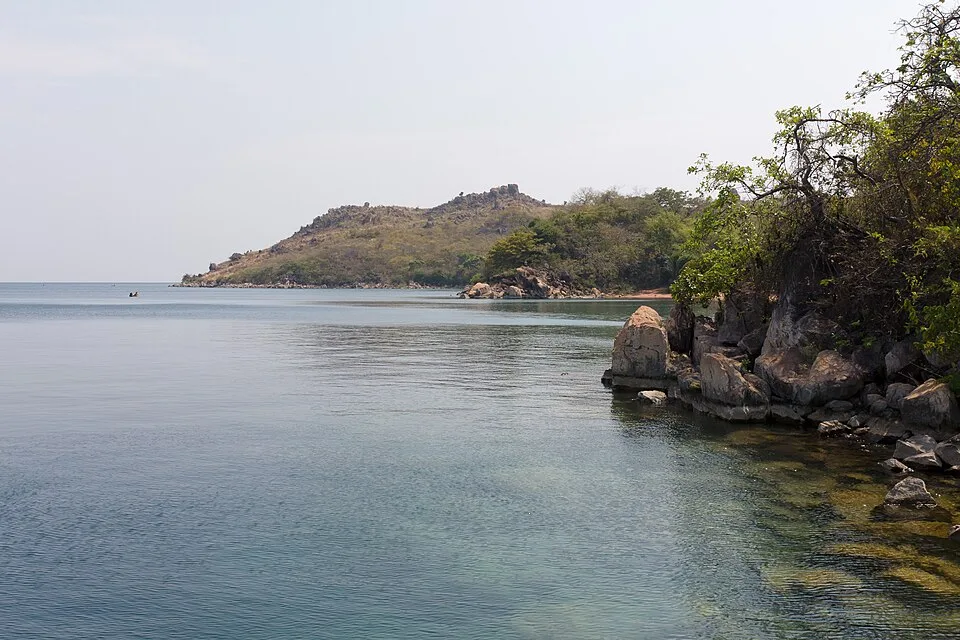
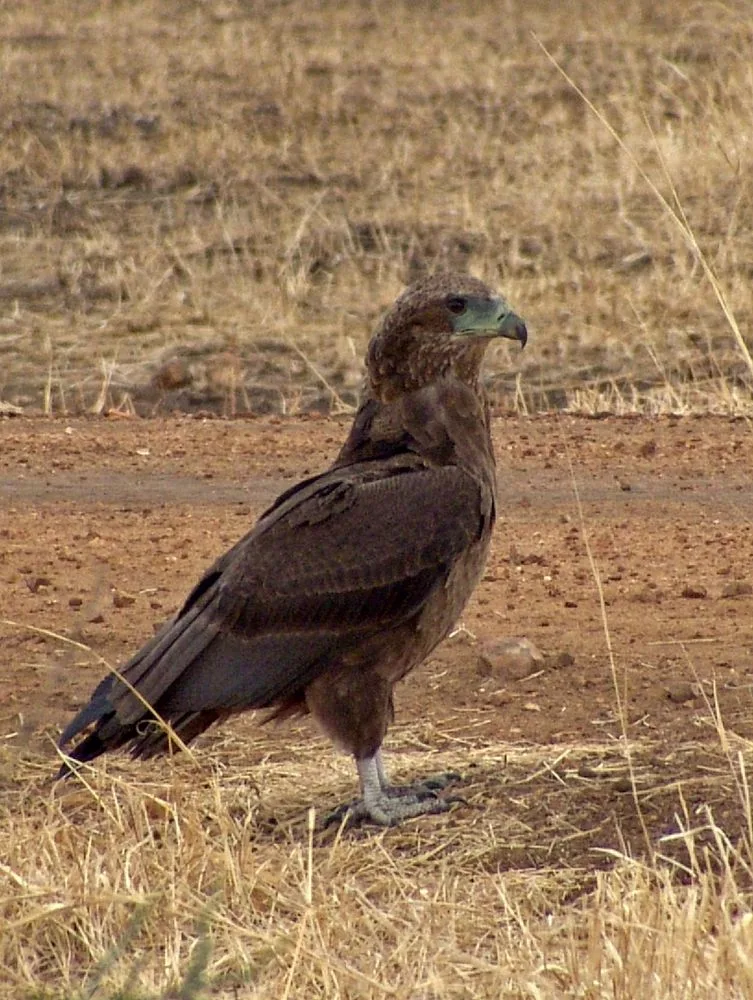
Continue by scheduled or shared charter flight towards the forested mountains beside Lake Tanganyika. The transfer towards your accommodation may include a boat journey along the shoreline. Open plains and seasonal rivers are replaced by steep mountain slopes, dense forest and the scale of the lake. This transition is the central strength of the Western Circuit. It changes not only the scenery, but also the way each day is experienced.
Enter the forest
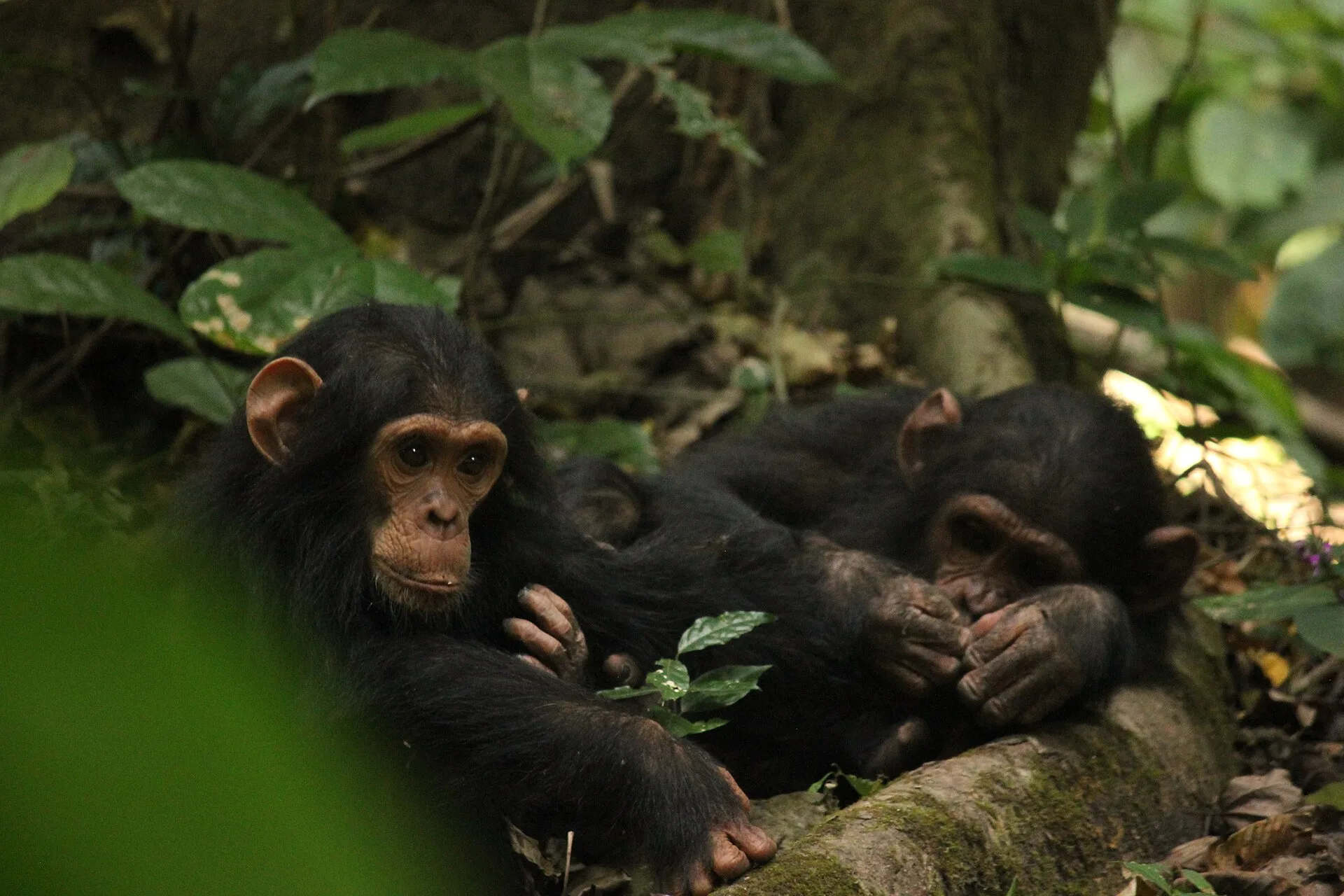
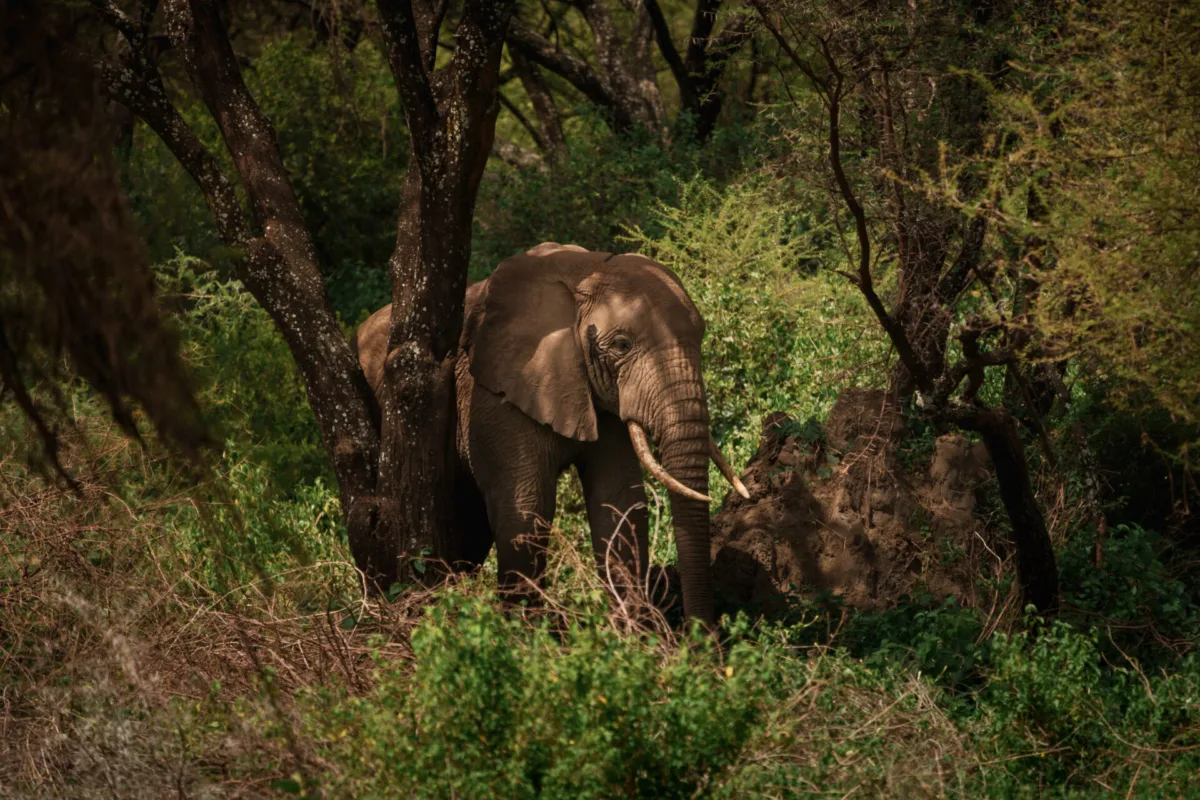
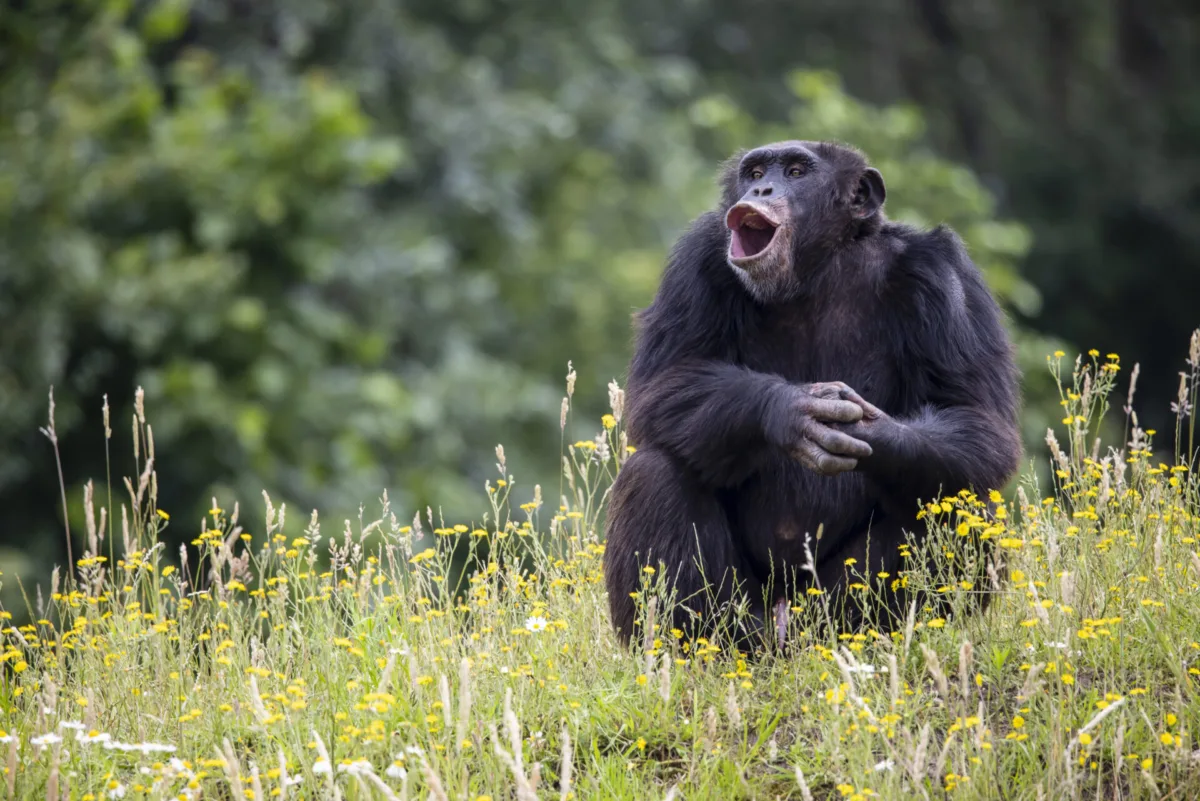
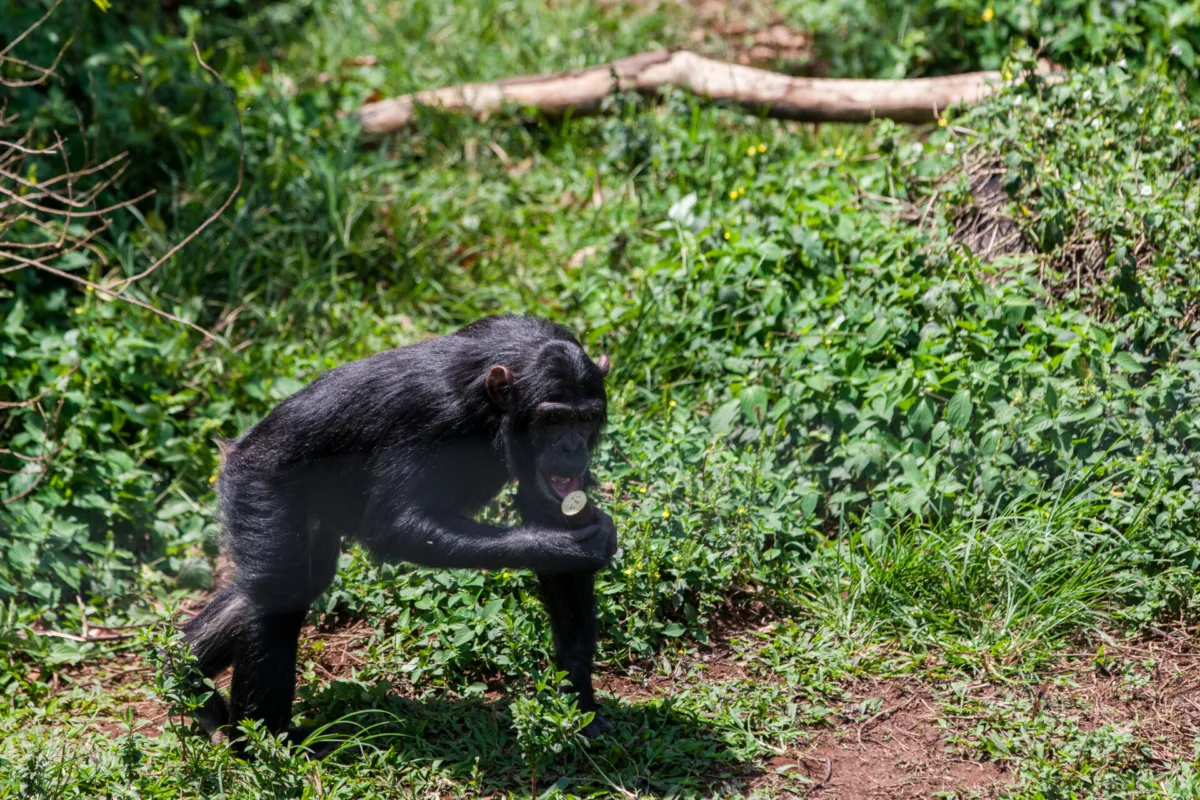
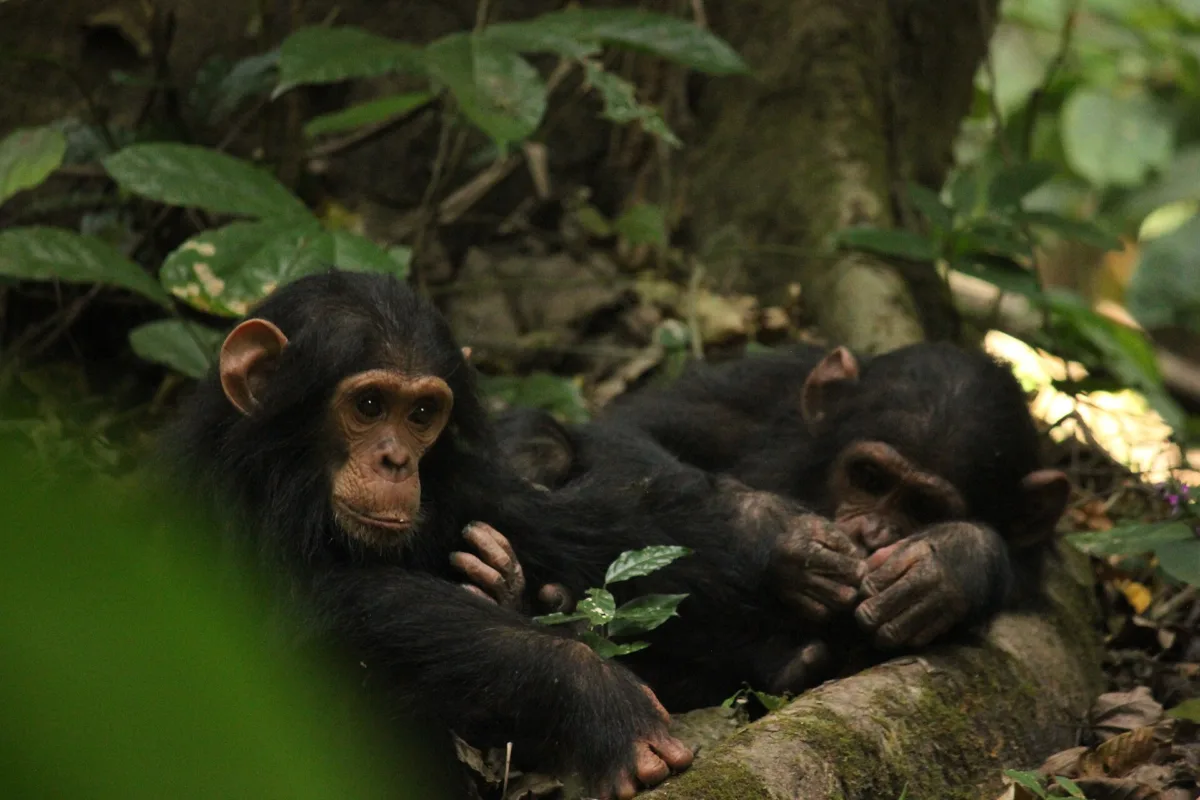
Begin your first chimpanzee-tracking experience with an authorised guide. Trackers use recent signs, calls and their knowledge of the community to determine the direction of the walk. The route may change as chimpanzees travel between feeding areas, rest sites and different parts of the forest. Tracking is not simply about reaching the animals. The walk reveals how the forest supports their movement, communication and social relationships. Health and distance rules are part of responsible observation. They allow visitors to enter the chimpanzees’ environment while reducing disturbance and the transfer of human illness.
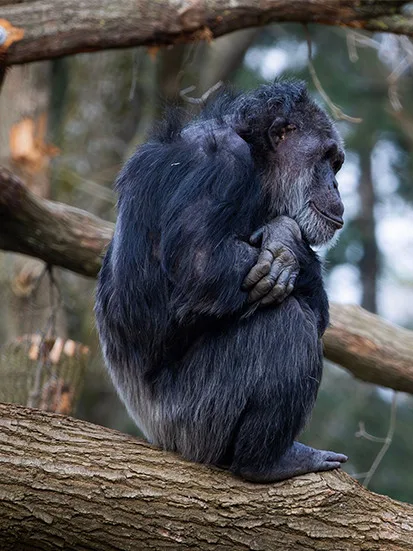
Understand chimpanzees beyond the sighting
A second day provides another opportunity to enter the forest or experience a different part of the landscape. Chimpanzees may be feeding, travelling, resting or interacting with other members of the community. Your guide helps interpret this behaviour without reducing the experience to proximity or a photograph. After the forest, there may be time beside Lake Tanganyika or on the water, depending on weather and local arrangements. The contrast between an active morning and the open lake gives the day its own rhythm.
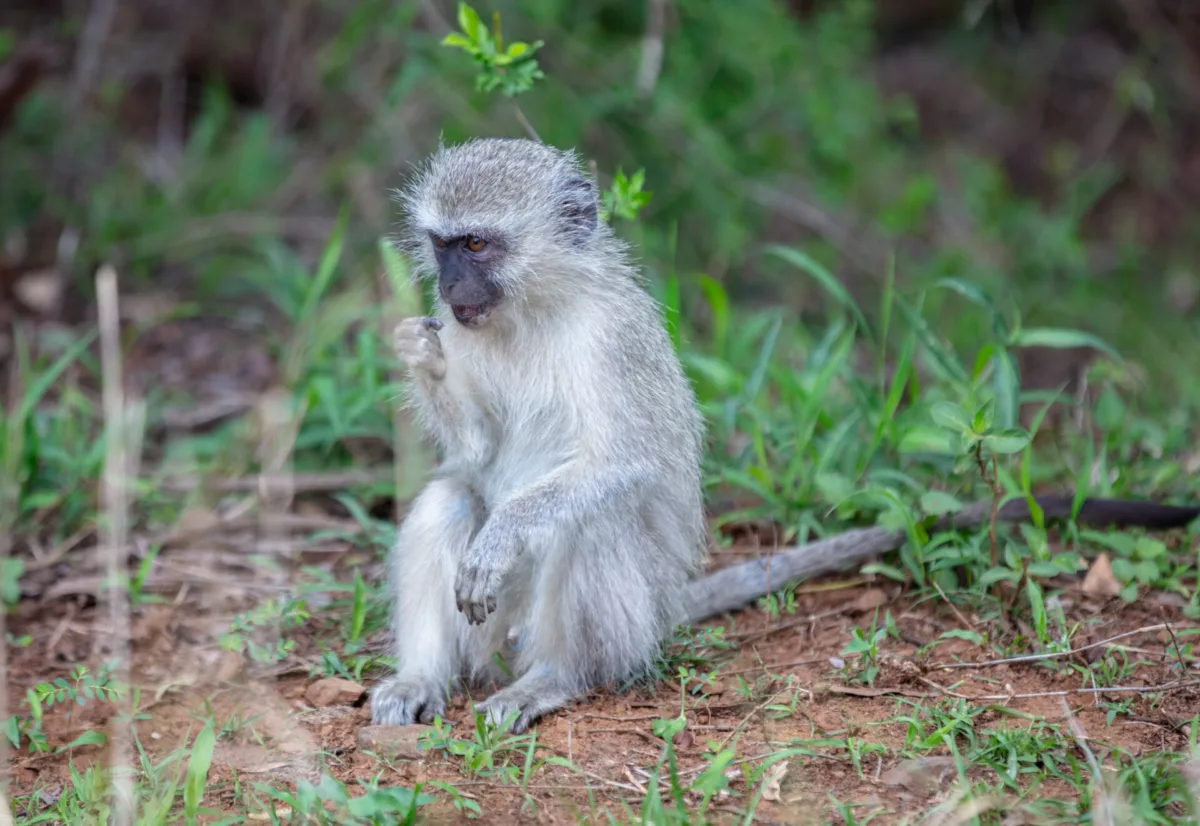
Mountain, forest and lake
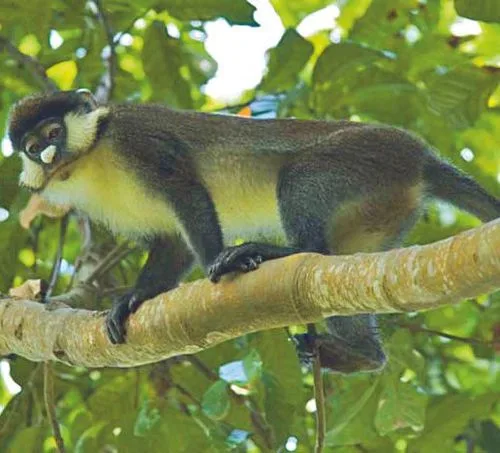
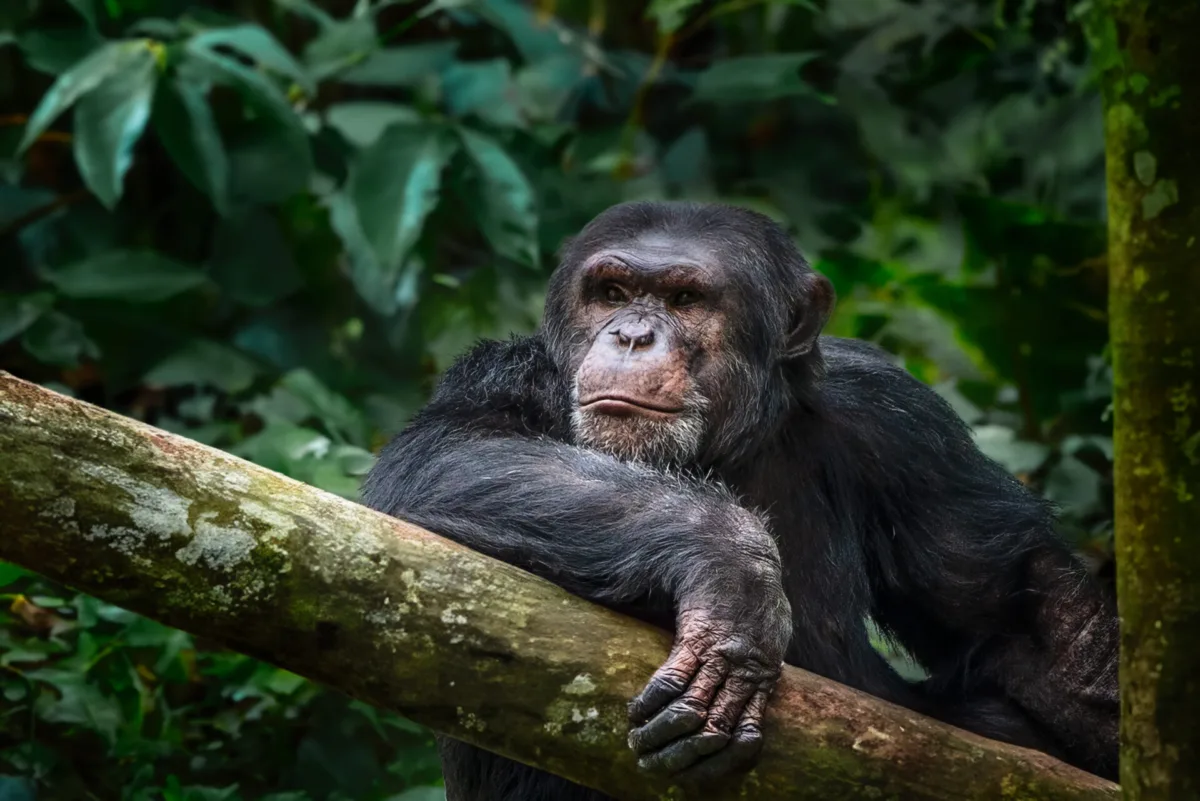
Spend a final full day experiencing the area beyond chimpanzee tracking. The programme may include hiking, birdwatching or an authorised boat journey. These activities help place the chimpanzees within a much wider environment of forest, mountain streams, shorelines and freshwater habitats. A slower final day allows the complete landscape to come into focus rather than treating the forest as the setting for one activity alone.
Leave with a deeper understanding of Western Tanzania
Travel by boat and domestic flight towards your onward destination. The itinerary may contain fewer park names than a faster safari elsewhere in Tanzania. In return, you have spent meaningful time within two contrasting environments and experienced wildlife by vehicle, on foot and from the water. Western Tanzania rewards depth rather than destination collecting.


Start shaping your Tanzania journey
Activities along the Western Circuit
The Western Circuit changes how you move through the landscape. Activities are selected because they belong naturally within the route and add a genuinely different perspective.
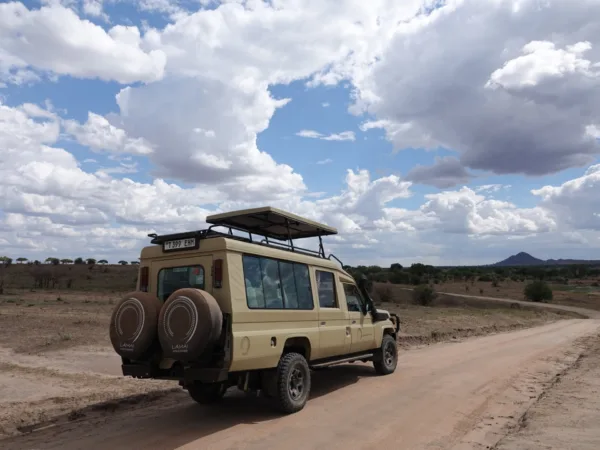
Game drive
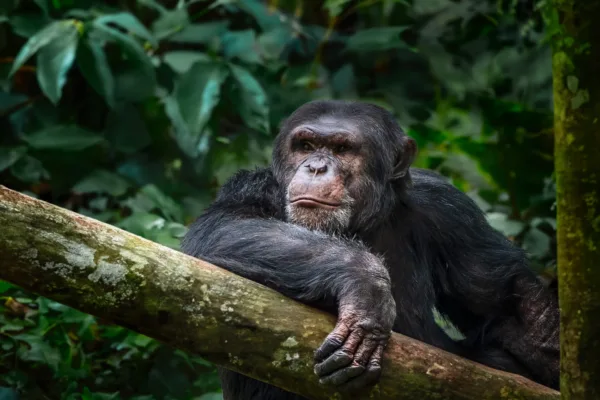
Chimpanzee tracking
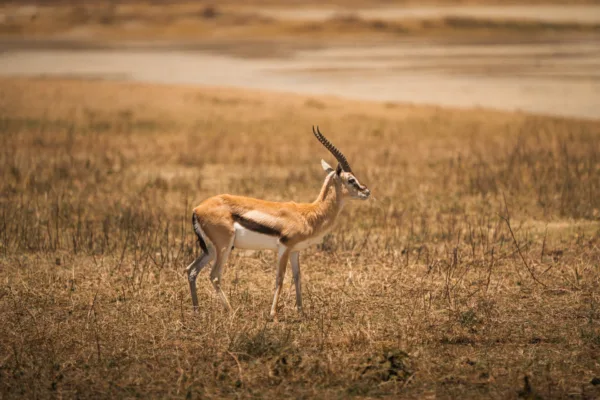
Walking safari
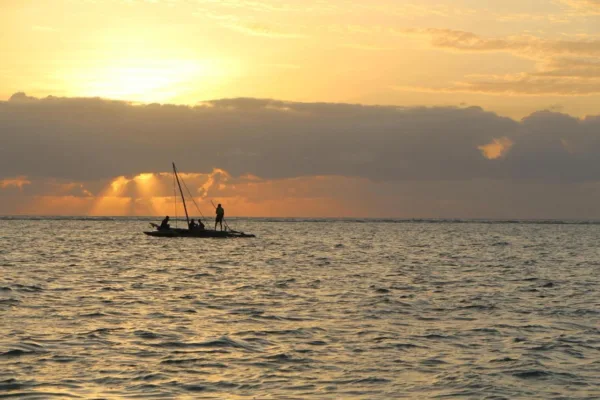
Boat safari
Start shaping your Tanzania journey
Stay where the journey takes you
Simple and welcoming accommodation providing the essentials needed throughout the journey. Options may include guesthouses, lodges, campsites or permanent tented accommodation. We select stays for cleanliness, reliability and practical location so that a lower price does not weaken the quality of the itinerary.
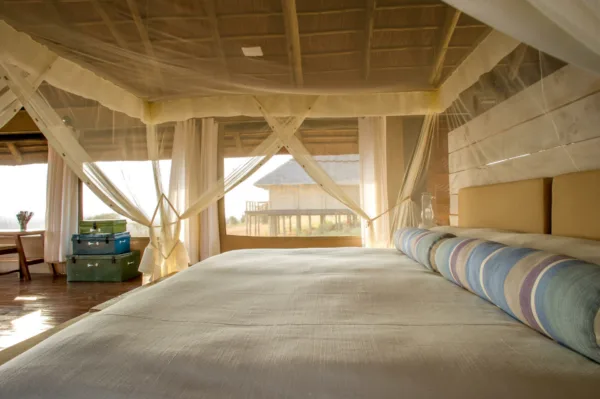
Budget accommodation
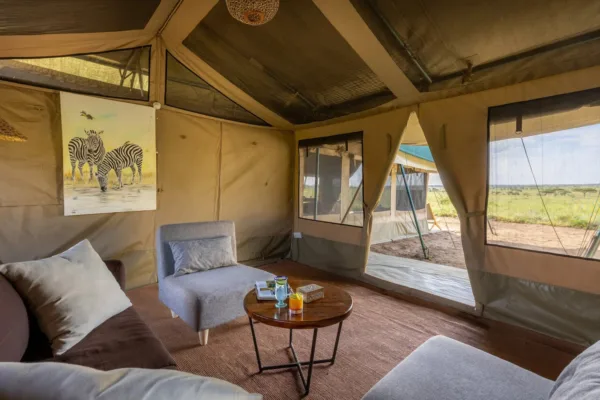
Mid-range accommodation
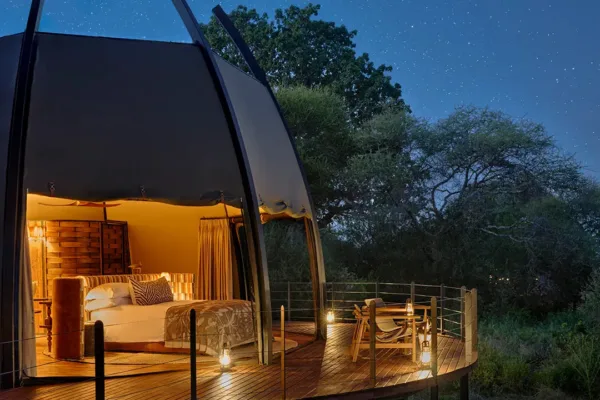
Luxury accommodation
Travel further by staying longer
Going beyond the familiar routes does not mean collecting ever more remote destinations. The real value of Western Tanzania comes from giving each place enough time. An additional night in one landscape may contribute more than using the same day for another flight or boat transfer. We may recommend a second chimpanzee-tracking opportunity, not because the forest should perform on schedule, but because chimpanzee movement changes from one day to the next. We may also leave an additional destination out when including it would weaken the route. This circuit asks more of the traveller in terms of time, flexibility and logistics. It suits people who see those demands as part of reaching landscapes that cannot be experienced well in a hurry. Responsible limits remain essential. Chimpanzee health rules come before the desire for proximity, while wildlife on the plains continues to determine the direction and pace of each encounter. The result is not a longer list. It is a deeper experience of Western Tanzania.
Frequently asked questions
Around eight to ten days works well for combining Katavi and Mahale without making the journey feel rushed. A longer safari can include additional nights, Gombe or time elsewhere in Tanzania. Because flights may operate only on selected days, the ideal duration also depends on the current transport schedule.
The most suitable period depends on your priorities. Drier conditions generally support stronger game viewing around Katavi’s remaining water sources, while chimpanzee tracking is influenced by forest conditions, food availability and the movement of the animals. Flight and accommodation schedules must also be considered when selecting dates.
No. The chimpanzees in Mahale and Gombe are wild and move freely through forested terrain. Experienced trackers use recent signs and knowledge of the groups, but the location and difficulty of the walk vary. Staying several nights creates more flexibility and may allow more than one tracking opportunity.
The difficulty can range from a relatively short walk to a longer climb through steep, humid forest. Your fitness, health and mobility should be discussed while planning the journey. TANAPA’s rules also restrict chimpanzee visits for people who are unwell and set a minimum visitor age of twelve in Mahale.
It may be possible, but it is not always the most effective route. Mahale and Katavi are a well-established combination, while Gombe is generally accessed through the Kigoma area. We assess flight days, boat transfers, available nights and your priorities before recommending whether all three should be included.
It can be. Domestic flights, boat transfers, remote accommodation and limited operating capacity can increase the cost. However, the final price depends on the season, duration and accommodation level. We explain where your budget is being used and design the route around the experience that matters most to you.
Start by sharing your preferred travel period, the number of travellers and any initial ideas you have for your safari through our questionnaire. We then arrange a 30-minute call to discuss your vision, interests, preferred pace and accommodation style. Based on that conversation, we create a personal itinerary shaped around your wishes and our local knowledge.
Discover more of Tanzania