Reptile spotting
Reptile spotting
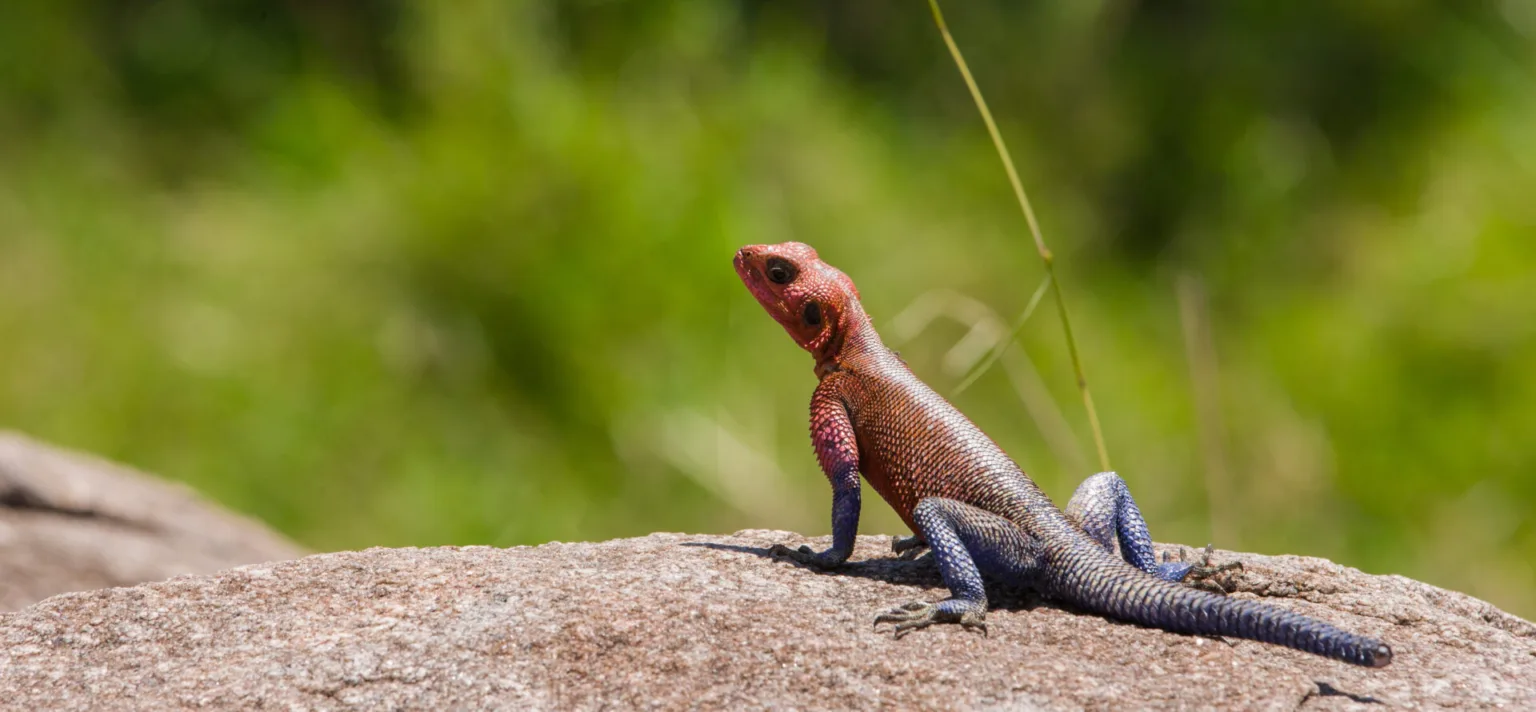
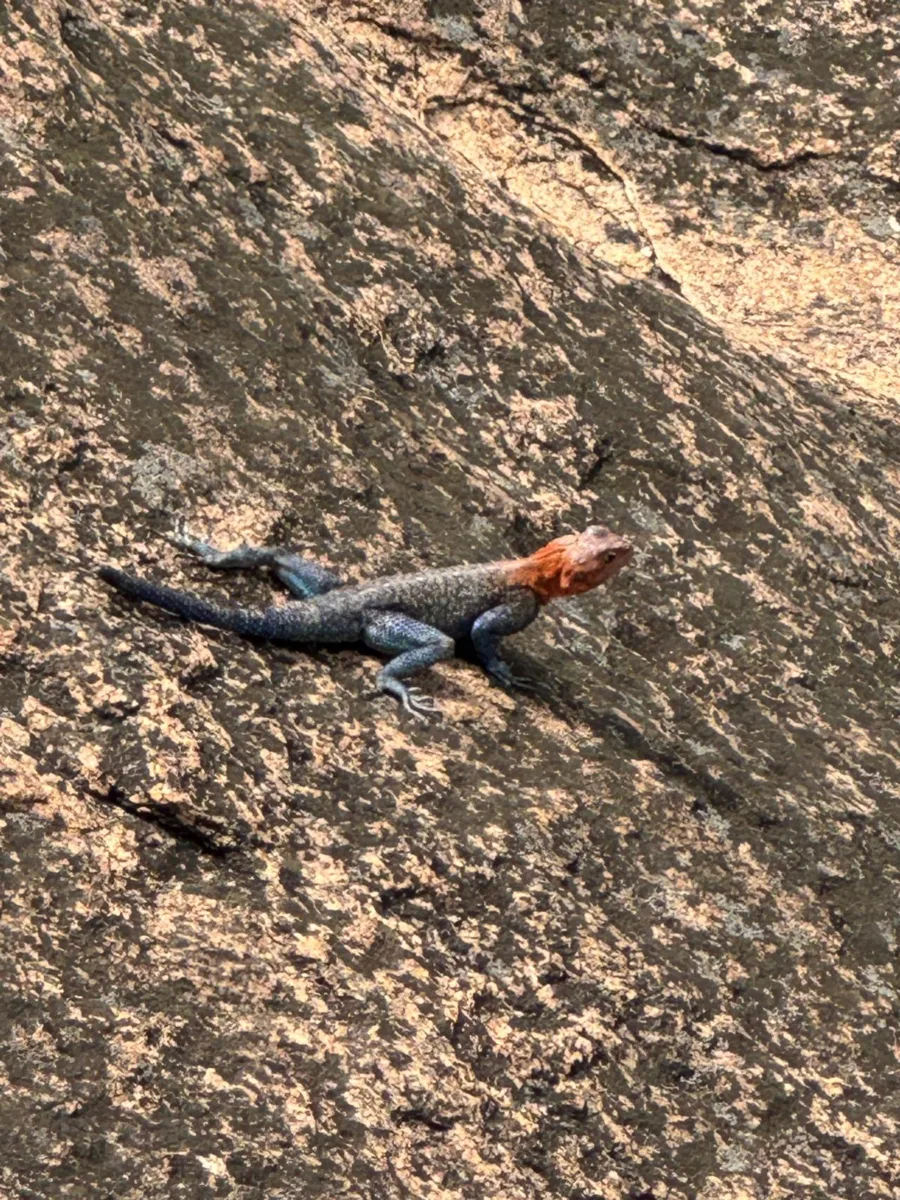
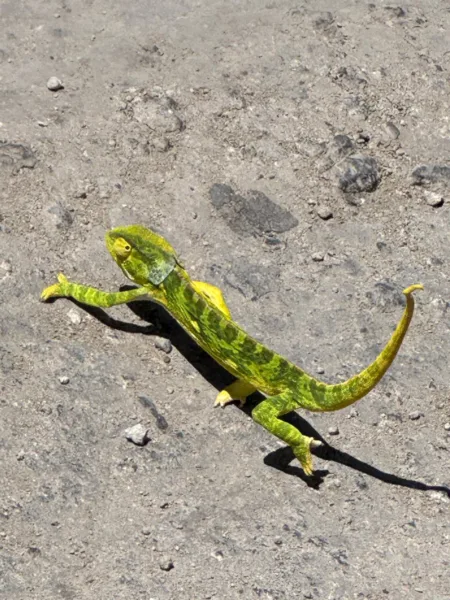
Reptile spotting brings attention to animals that are often overlooked during a wider safari. Snakes, lizards, tortoises and crocodiles use Tanzania’s forests, wetlands, savannahs and dry landscapes in very different ways. With an experienced guide, you learn where reptiles are likely to shelter, bask, feed or move and how their behaviour responds to temperature, water and habitat. The activity is based on careful observation rather than handling or disturbing the animals. With Lamai, reptile spotting is included where it fits naturally within the journey and can be arranged with knowledgeable local guidance.
Best for:
- Travellers interested in lesser-seen wildlife
- Families and private groups
- Nature enthusiasts
- Wildlife photographers
- Travellers curious about animal adaptation and behaviour

Where to experience

Strongly influenced by temperature and weather
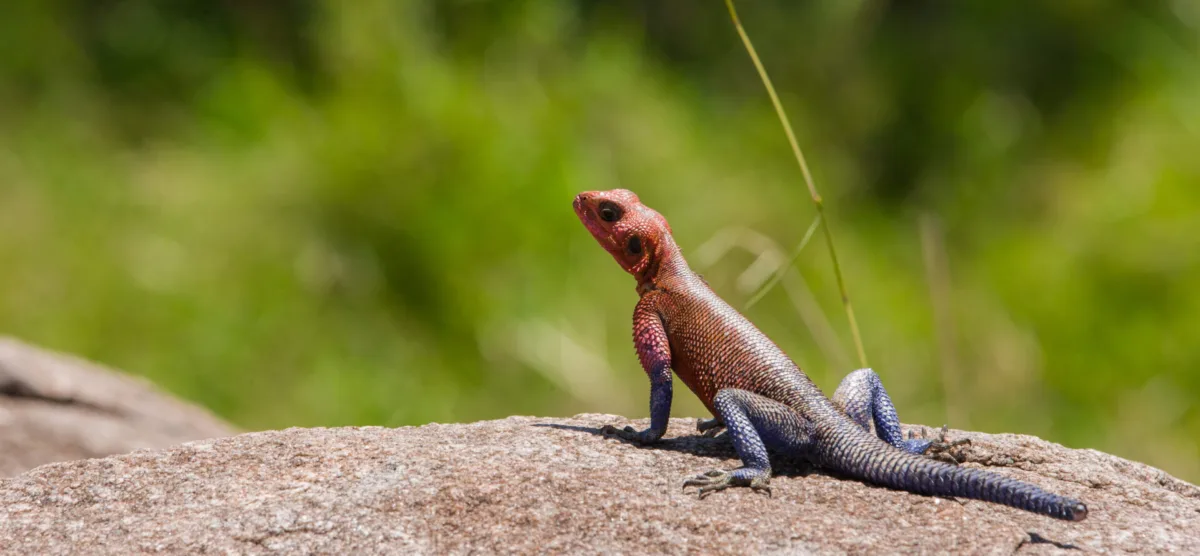
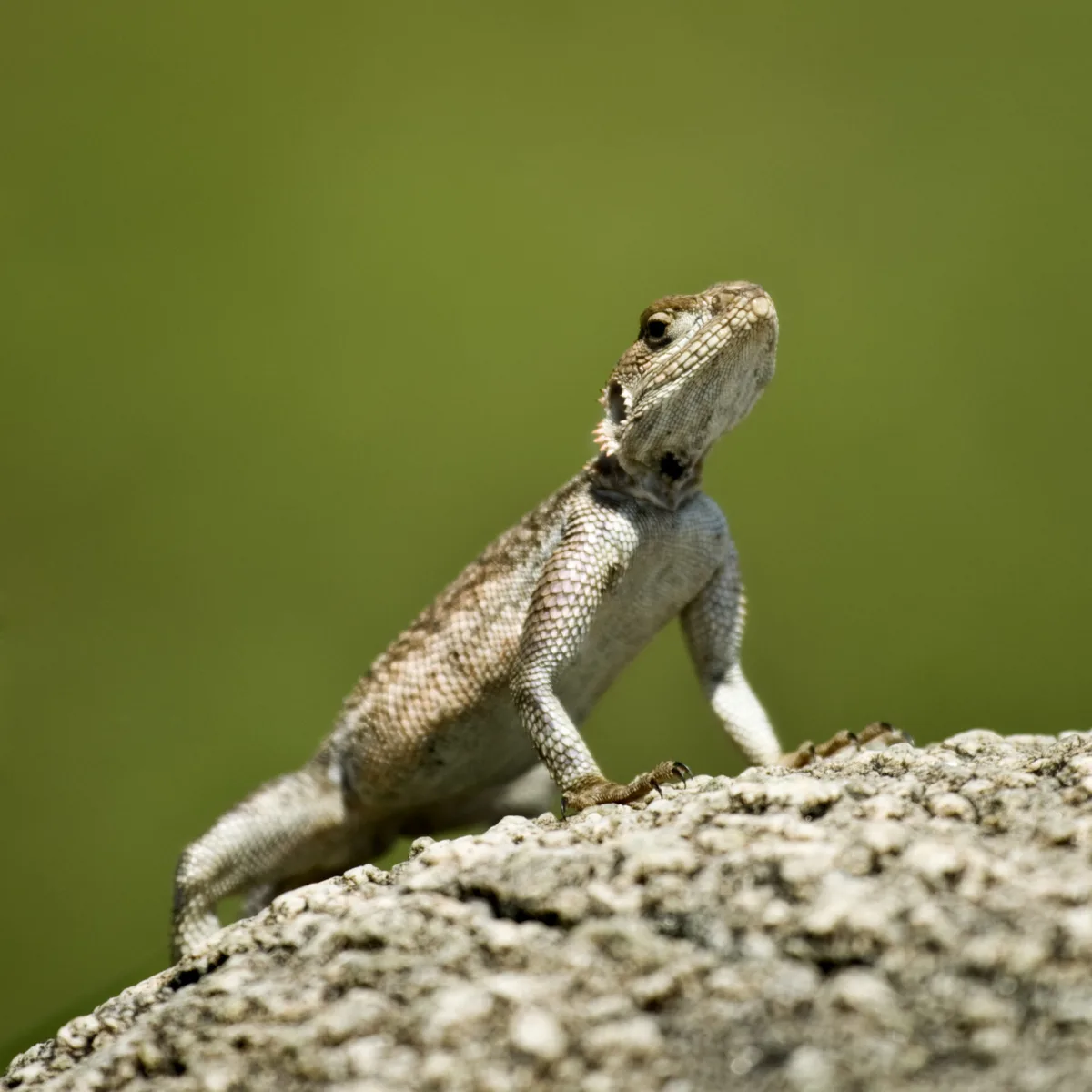
Reptile activity is strongly influenced by temperature, rainfall and time of day. Warm conditions may bring some reptiles into exposed areas to regulate their body temperature, while rainfall can increase activity around wetlands, vegetation and forest edges. At other times, shade, water or dense cover may become more important. That means reptile spotting starts with reading the environment. Your guide looks at temperature, recent weather, habitat and the time of day before deciding where careful observation is most worthwhile. Wear closed shoes and lightweight clothing suitable for the environment, and bring sun protection, drinking water and binoculars. A camera with a suitable zoom can help you observe and photograph reptiles without needing to approach closely. The objective is not to handle, disturb or force an animal into view. Good reptile spotting depends on noticing where an animal has chosen to be and allowing it to remain there.
Start shaping your Tanzania journey