
Explore all of Tanzania
Explore all of Tanzania
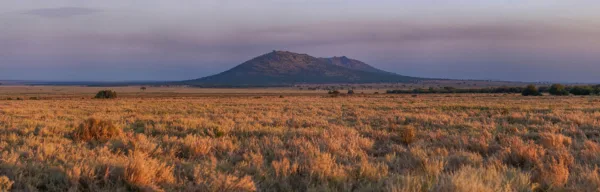
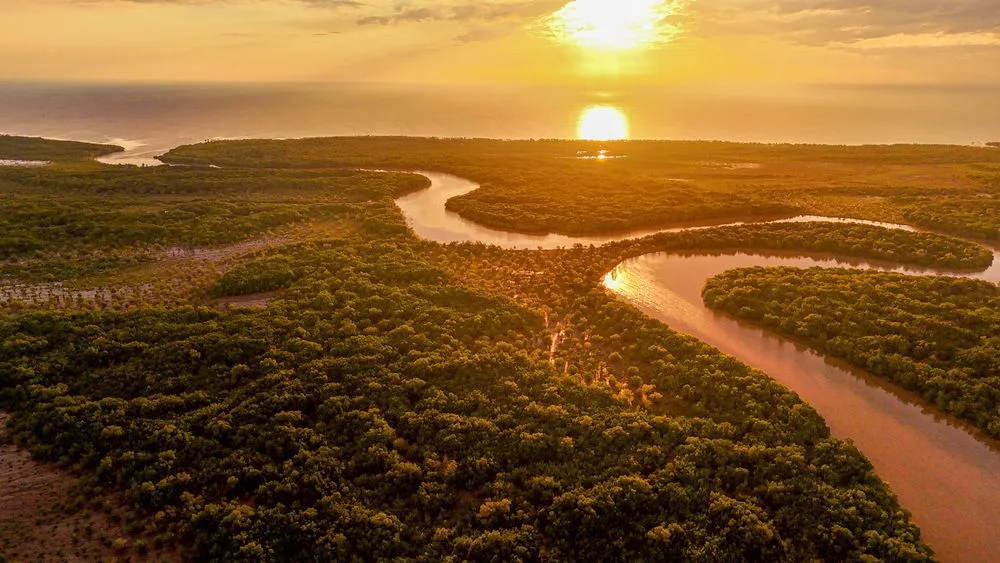
No single landscape can define Tanzania. Savannah gives way to volcanic highlands, rivers bring movement into dry woodland and open plains stretch towards distant horizons. Further west, forested mountains rise beside Lake Tanganyika. In the east, wildlife meets waterways and the Indian Ocean. A longer journey allows you to experience these transitions rather than simply pass through them. You move between vehicle-based safari, forest tracking, river exploration and time beside the coast. Each change introduces another way of reading the country.
Moving carefully through the regions
This journey is not designed to collect as many destinations as possible. Tanzania is too large, varied and complex to be reduced to a checklist. The value lies in moving carefully through contrasting regions and giving each one enough time. With Lamai, we decide where an extra night adds depth, where a flight prevents an unnecessary journey by road and where a quieter day gives you space to absorb what you have already experienced.
Best for:
- Travellers with approximately three to four weeks available
- First-time visitors seeking a broad introduction to Tanzania
- Returning travellers ready to explore several regions
- Travellers comfortable with domestic flights and longer transitions
- Savannah, volcanic highlands, forests, rivers and coast
- Wildlife experiences on land, water and foot
- The wider movement of animals across changing ecosystems
- Chimpanzee tracking beside Lake Tanganyika
A journey designed around what matters

An example journey across all of Tanzania
The itinerary below shows how several contrasting regions can be connected in approximately 24 days. It is not a fixed package or a claim that every part of Tanzania can be fully experienced in one trip. Domestic flights, boat transfers, weather, accommodation and your own priorities will influence the final route
Day 1: Arrive beneath Mount Kilimanjaro
Day 2-3: Begin among baobabs and river woodland
Day 4-5: Return to Lamai’s roots
Day 6: Rise into the highlands
Day 7: Descend into a volcanic landscape
Day 8-10: Give the open plains time
Day 11: Cross Tanzania by air
Day 12-13: Enter remote wildlife country
Day 14: From open plains to Lake Tanganyika
Day 15-17: Walk into the forest
Day 18: Reconnect with Southern Tanzania
Day 19-21: Follow the waterways
Day 22-24: End beside the Indian Ocean

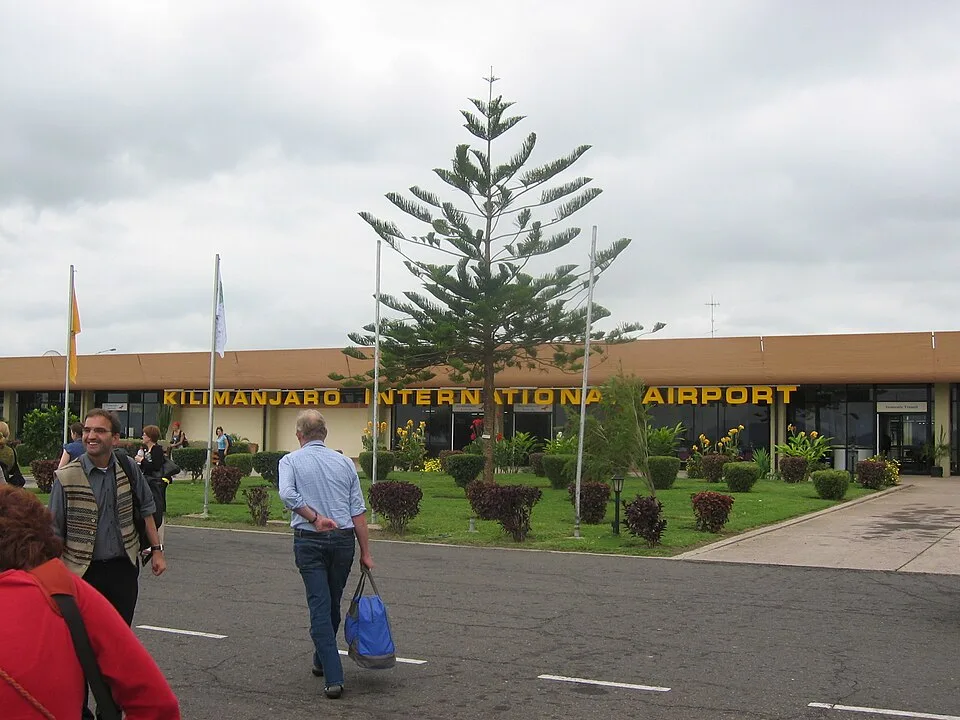
Arrive beneath Mount Kilimanjaro
Arrive at Kilimanjaro International Airport and transfer to your accommodation in or around Arusha. The first evening gives you time to rest and prepare for the weeks ahead. Depending on your arrival time, you may meet your Lamai representative or guide and review the practical details of the route.


Begin among baobabs and river woodland
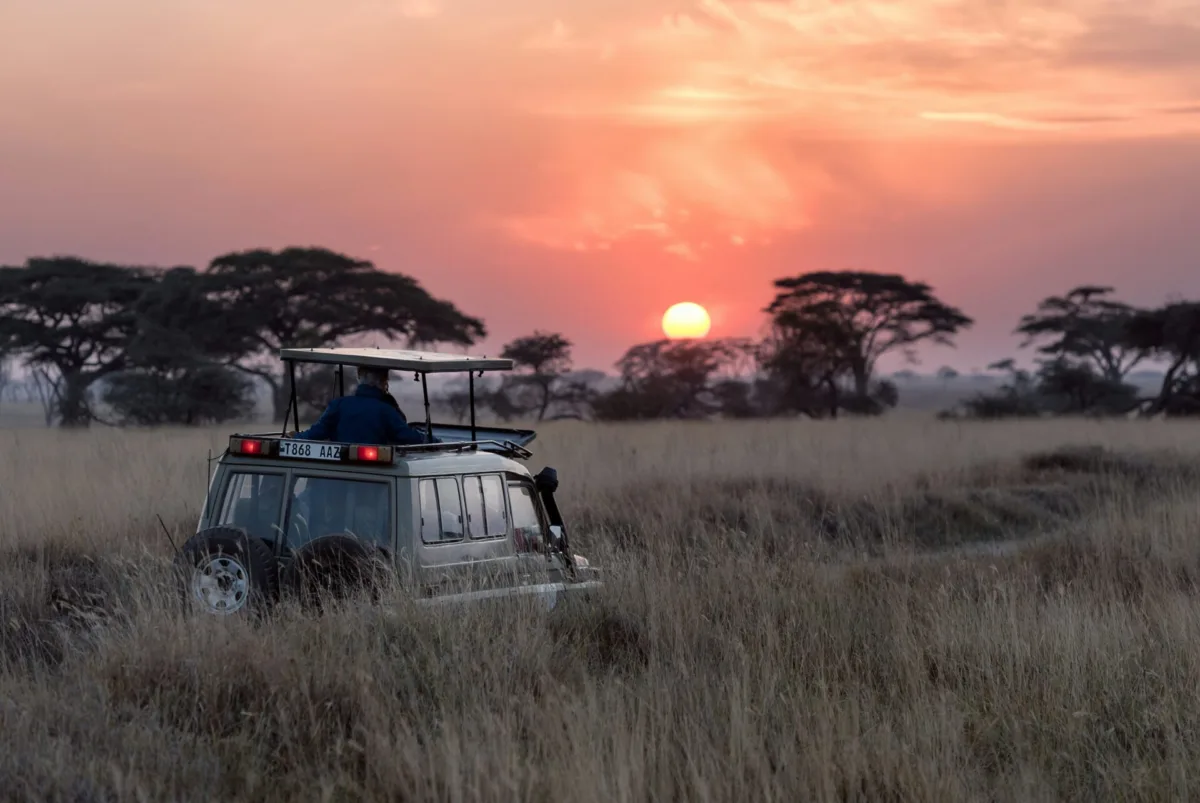
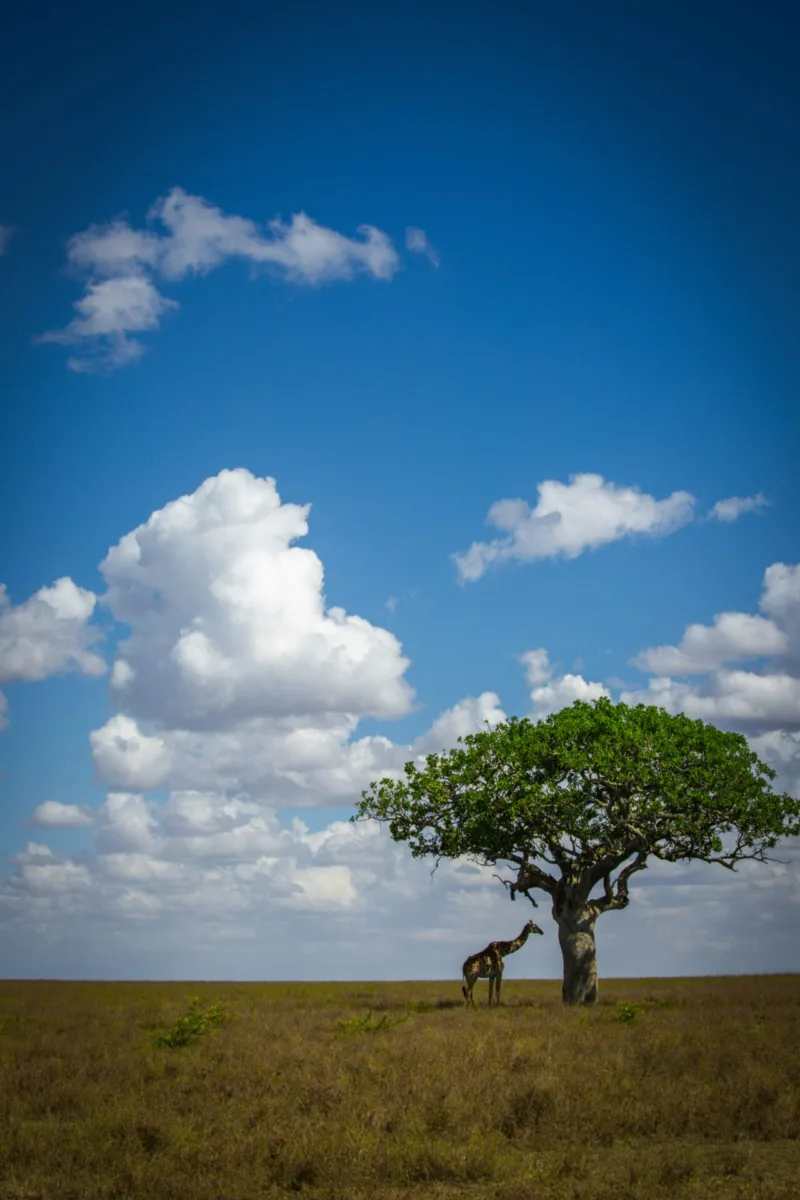
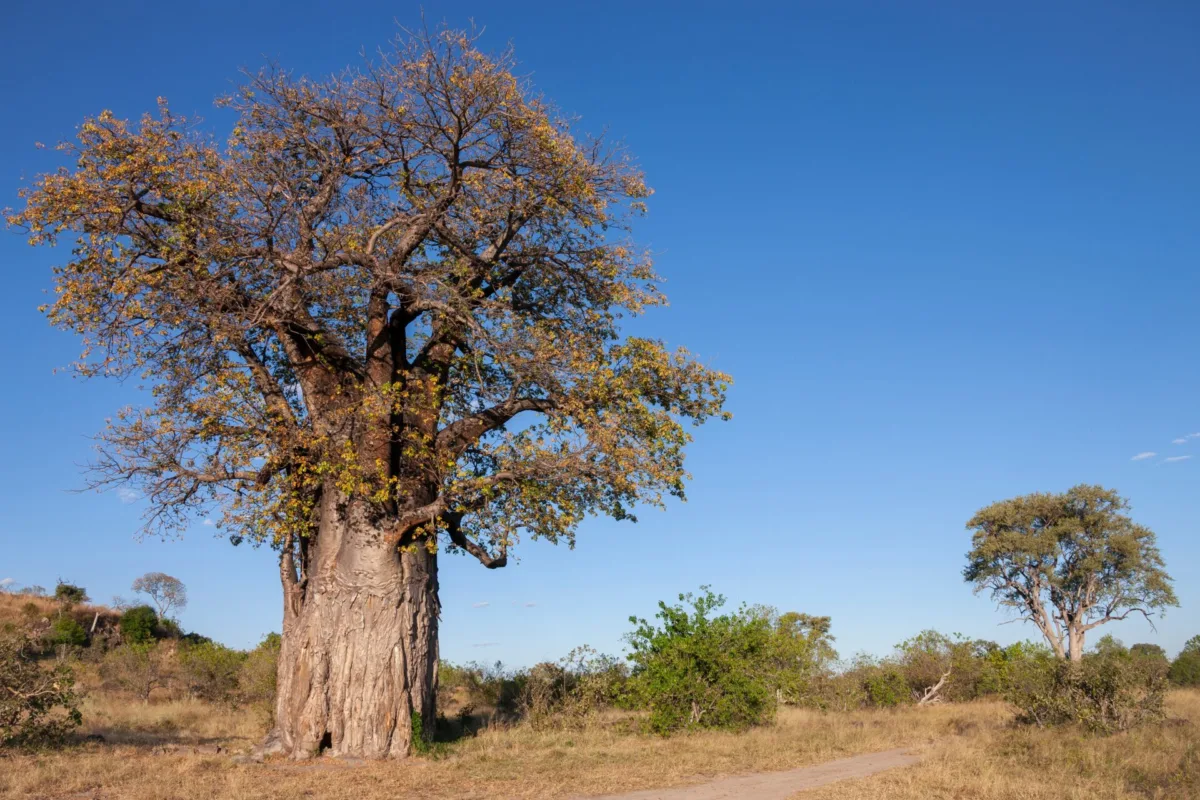
Travel into a landscape of grassland, woodland, river valleys and baobab trees. Two days create time to move beyond a brief introduction. During drier periods, remaining water becomes increasingly important and influences where elephants, antelopes, predators and birdlife are found. Your guide brings attention to tracks, vegetation and behaviour, helping you see how the landscape organises wildlife movement.

Return to Lamai’s roots
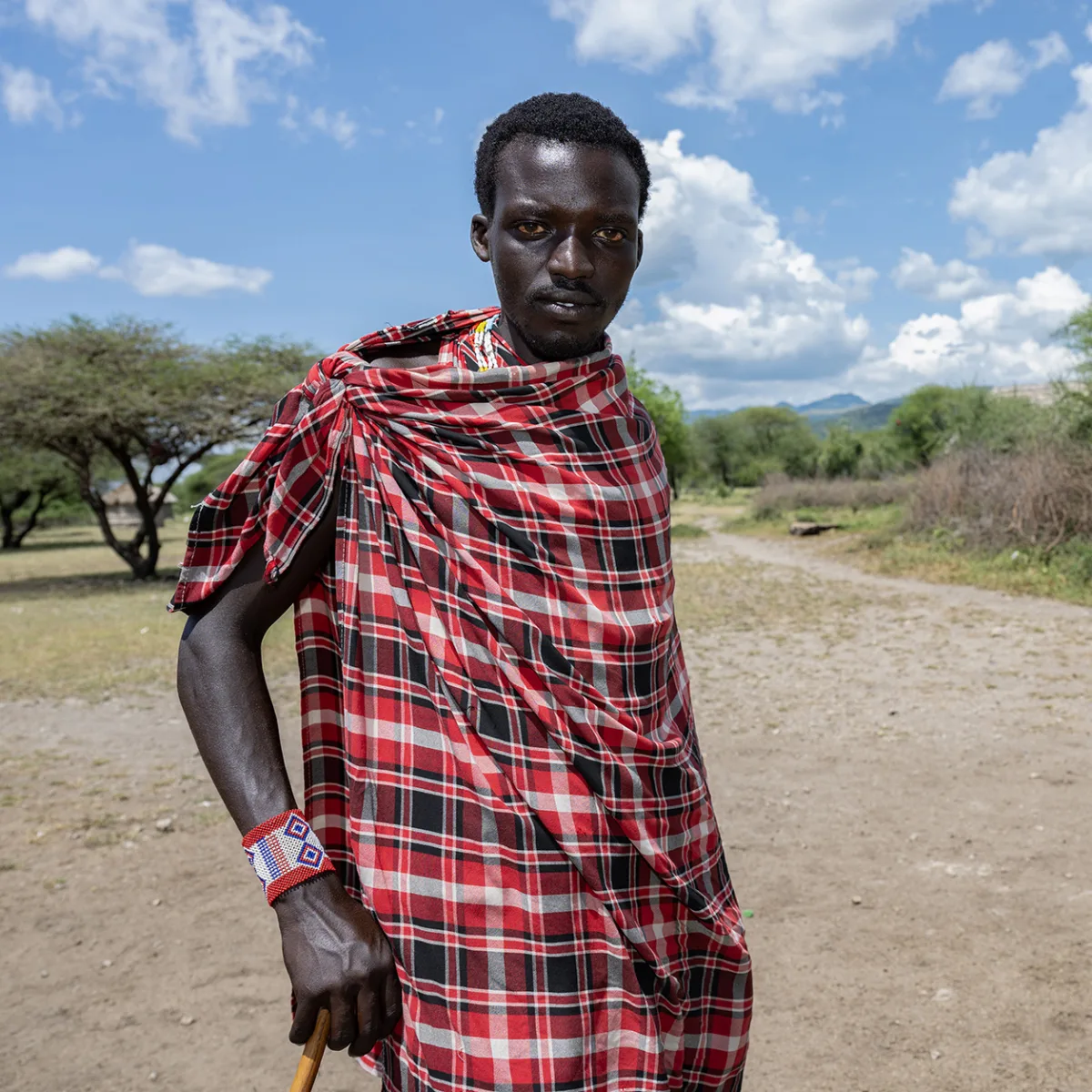
Continue towards the Rift Valley, where the scenery and pace begin to change. This region is closely connected to Lamai’s roots and has helped shape the way we understand Northern Tanzania. Carefully arranged experiences may introduce you to local livelihoods, tracking knowledge, heritage and craftsmanship. People are never included as attractions. Visits are shaped around dignity, consent and genuine exchange.
Rise into the highlands
Travel from the drier lowlands towards cooler, cultivated slopes and volcanic highlands. The transition reveals how quickly elevation can change vegetation, temperature and daily life. Depending on the route, the day may include a local activity, guided walk or quieter afternoon before the next stage of the safari.
Descend into a volcanic landscape
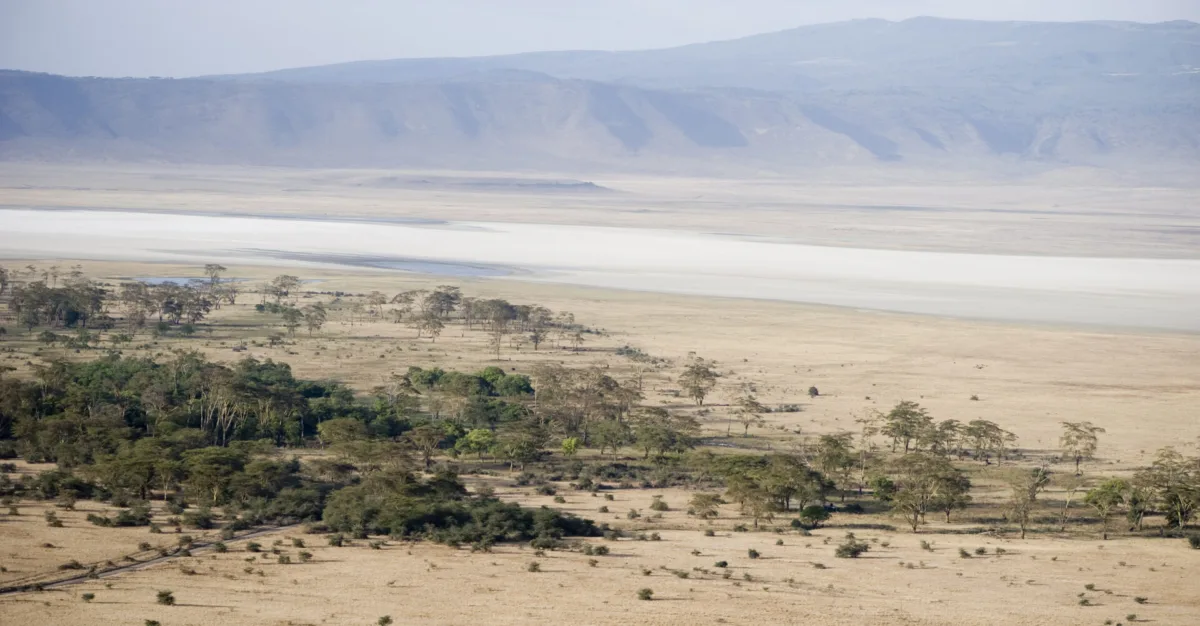
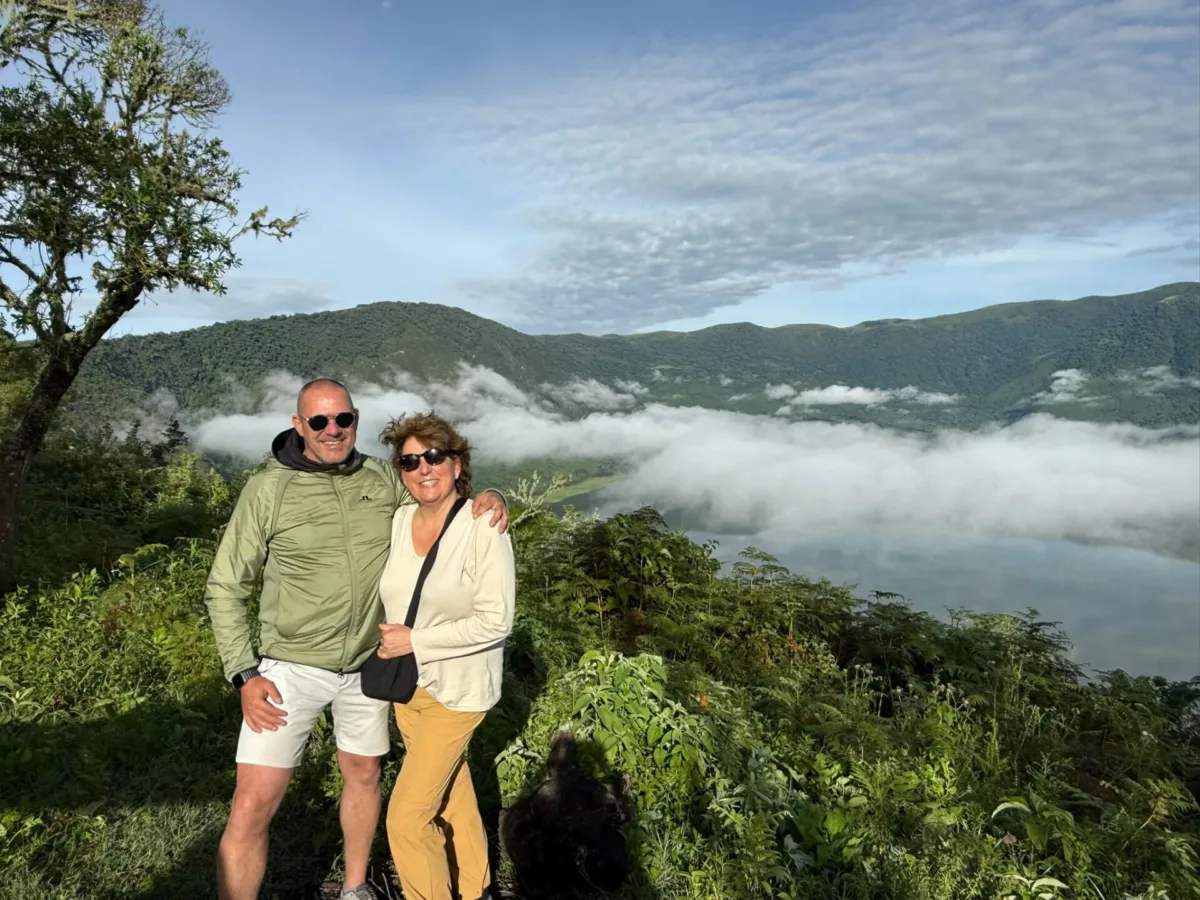
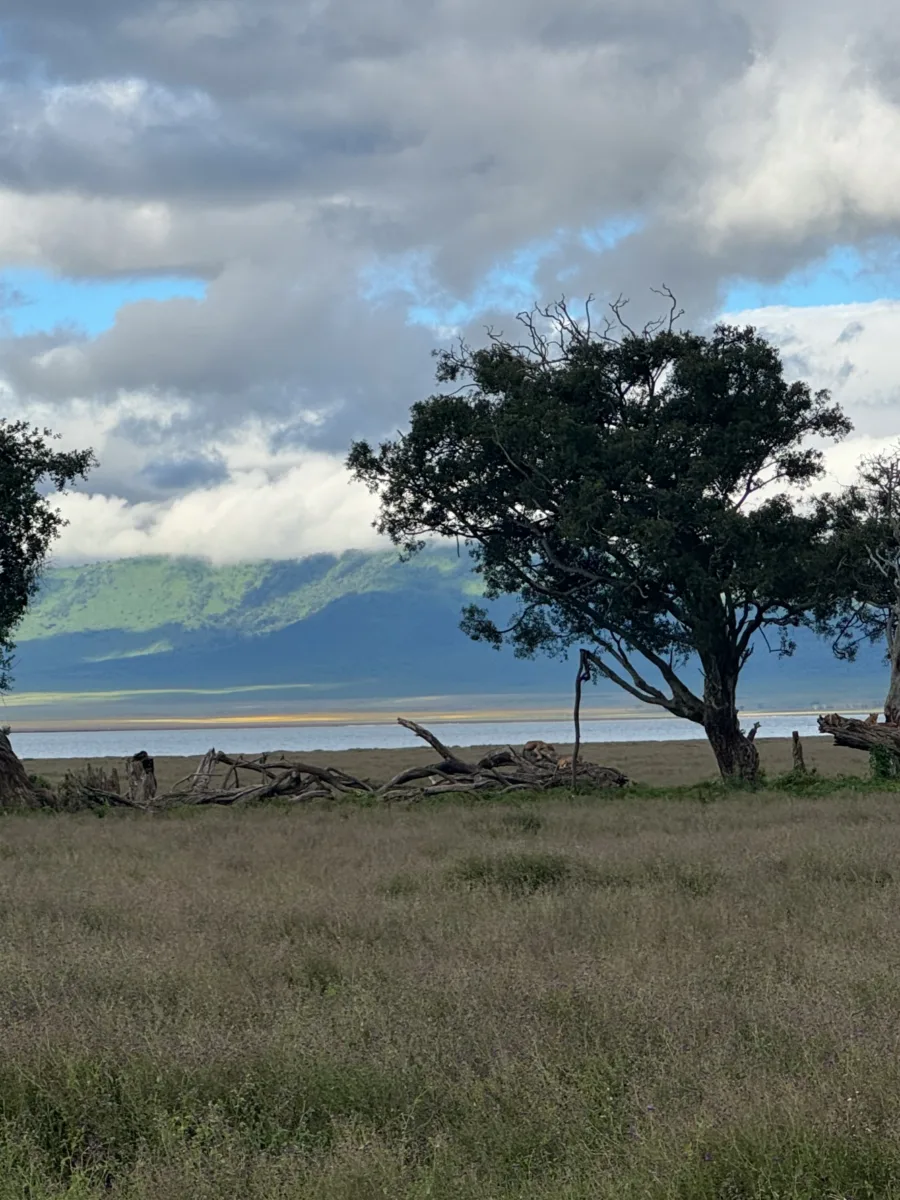
Descend into a landscape of grassland, wetland and forest shaped by volcanic geography. The concentration of wildlife is striking, but the terrain is equally important. Water, elevation and habitat influence where different species feed, rest and move. Popular sightings can attract several vehicles. Where conditions allow, we use timing and positioning to reduce unnecessary pressure rather than automatically joining the closest cluster.
Give the open plains time
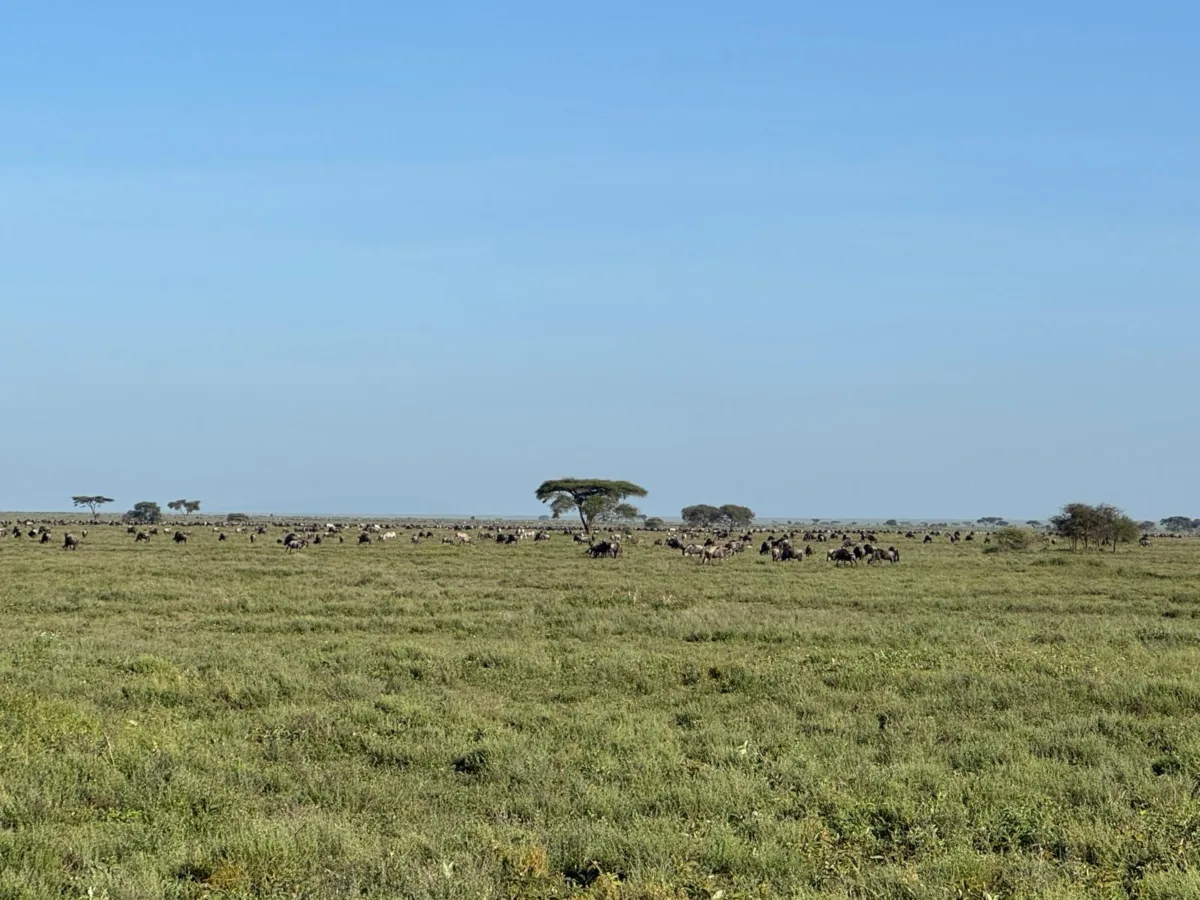
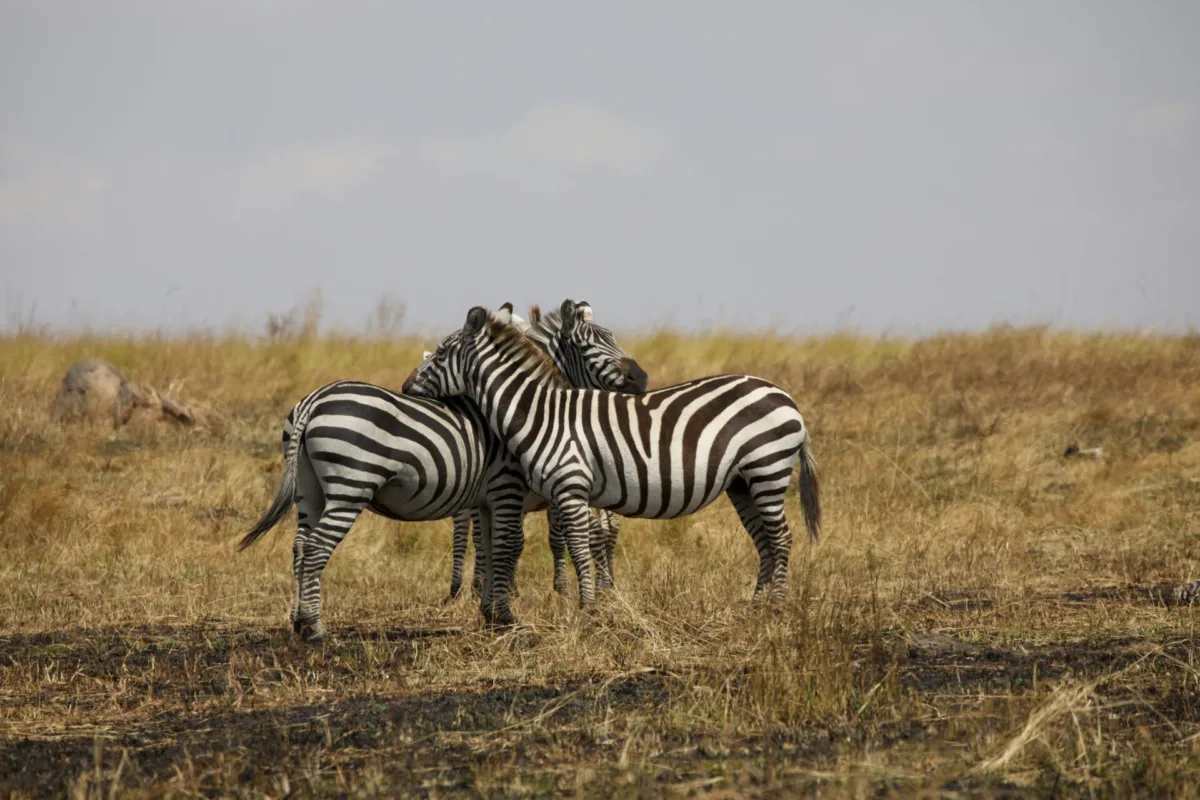
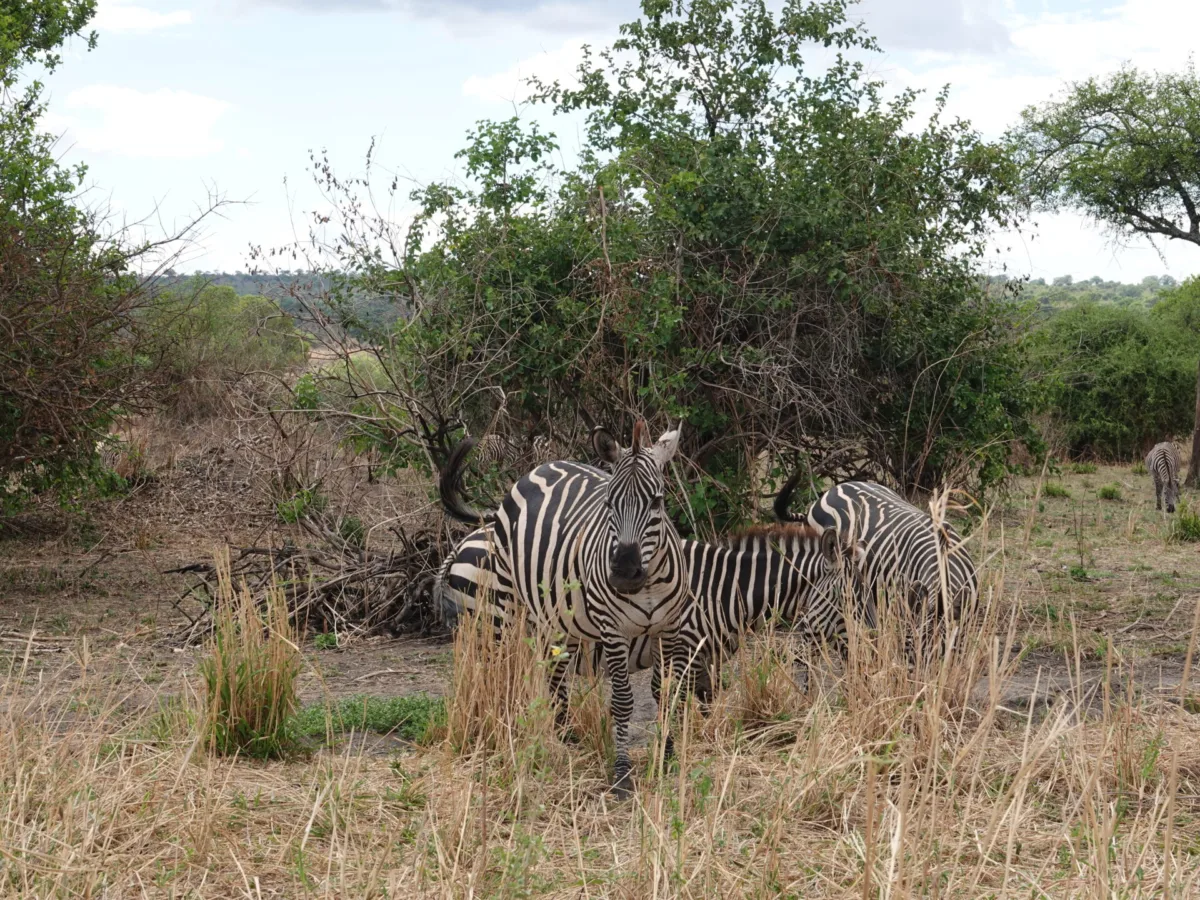
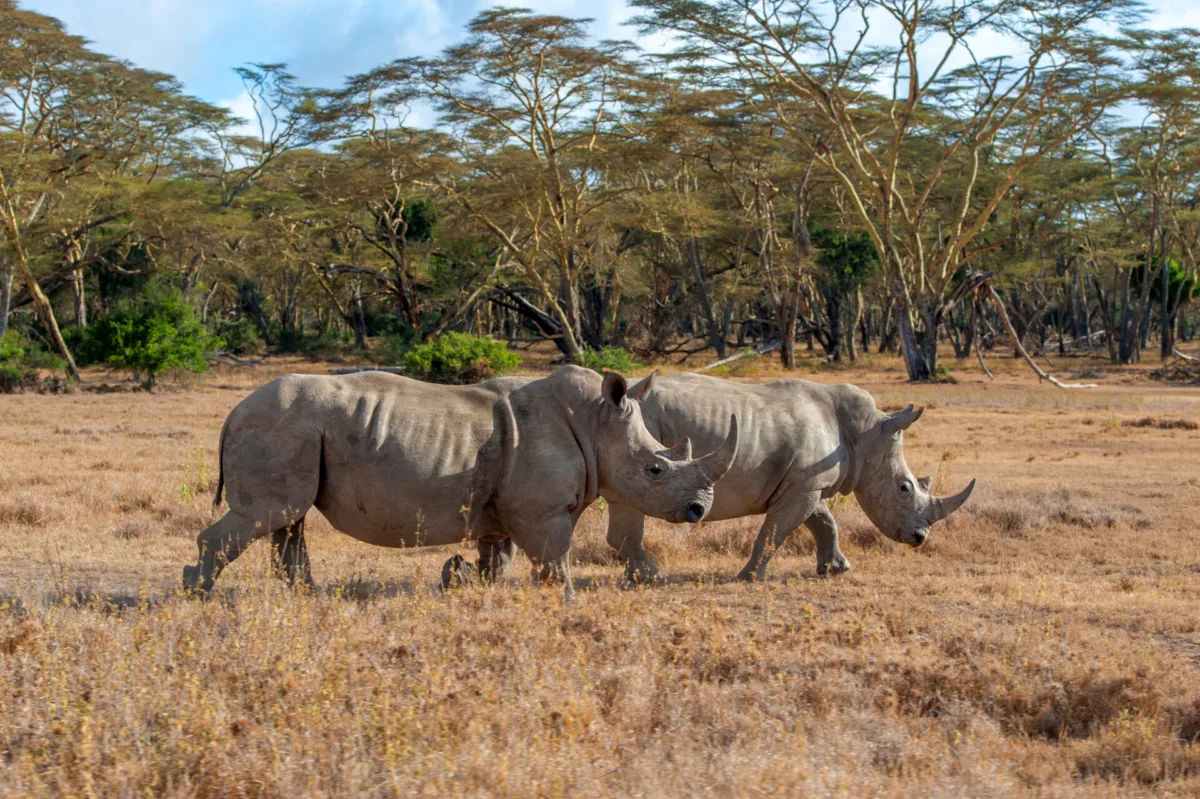
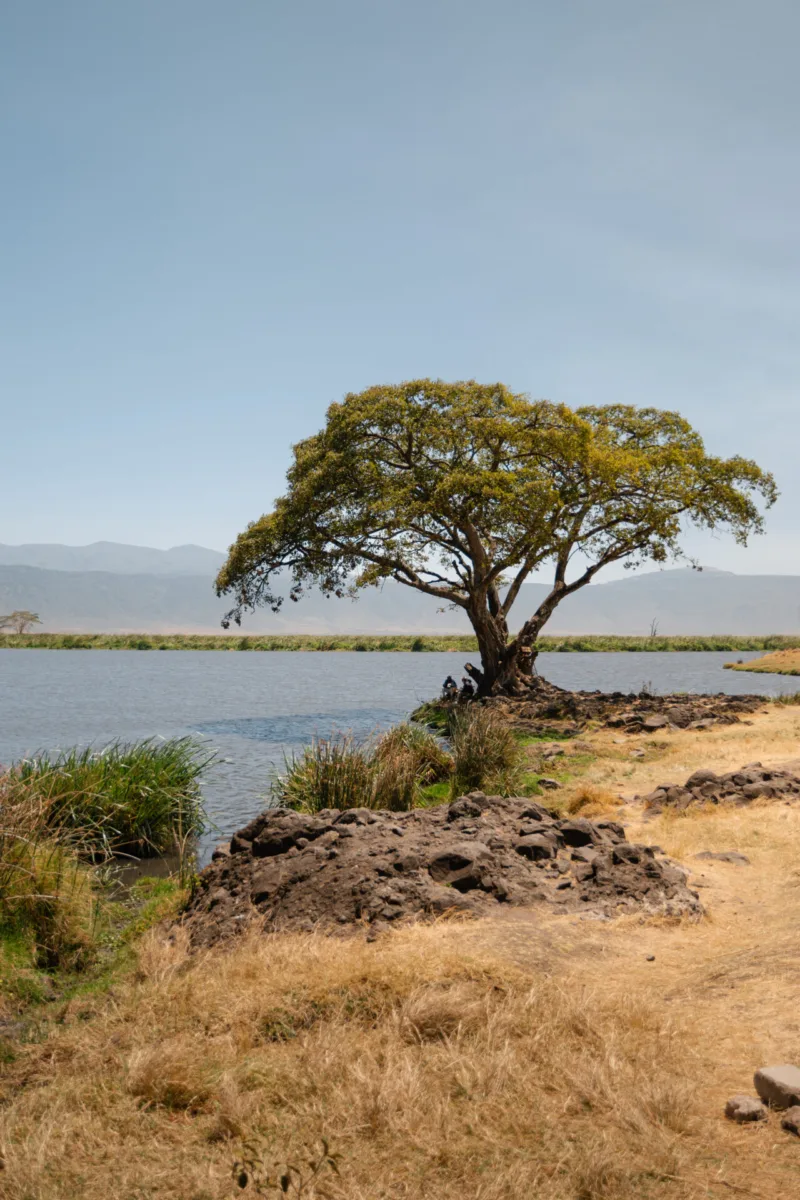
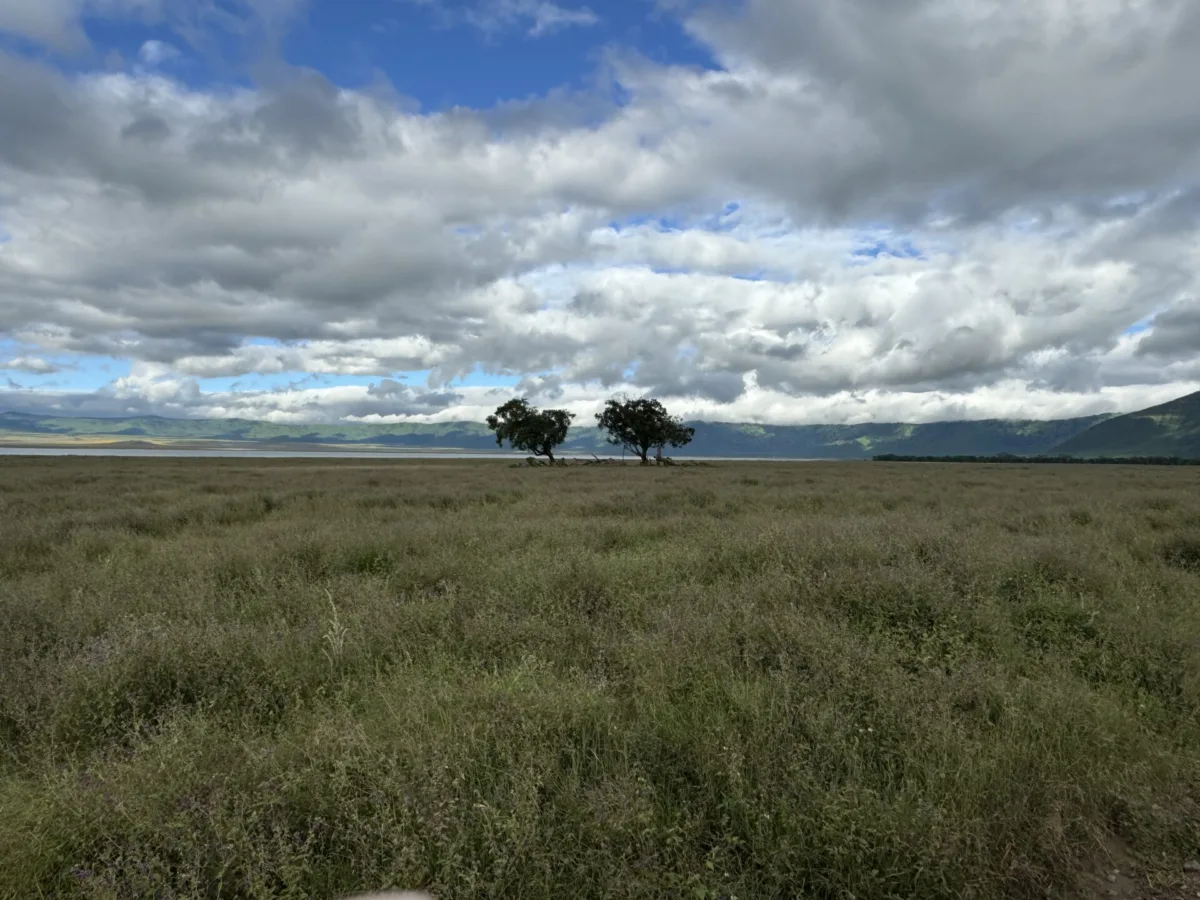
Continue into an immense ecosystem of grassland, woodland, rivers and rocky outcrops. Three days allow the route to respond to the season and current wildlife movement. Wildebeest, zebras and other grazing animals follow rainfall, fresh grass and water across the wider landscape rather than a fixed human calendar. The largest herds may draw attention, but time also reveals predator behaviour, birdlife and the smaller interactions that make the plains function.
Cross Tanzania by air
Leave northern Tanzania and travel west by domestic flight. The journey may include an intermediate stop or overnight connection. We treat this as part of realistic itinerary design rather than suggesting that every remote region connects directly. From the air, the scale of Tanzania and the distance between its ecosystems become increasingly clear.
Enter remote wildlife country
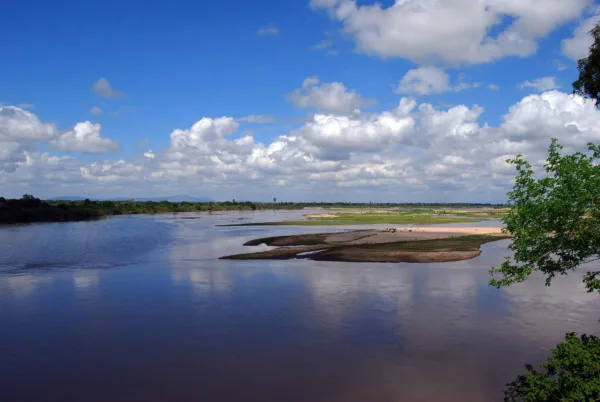
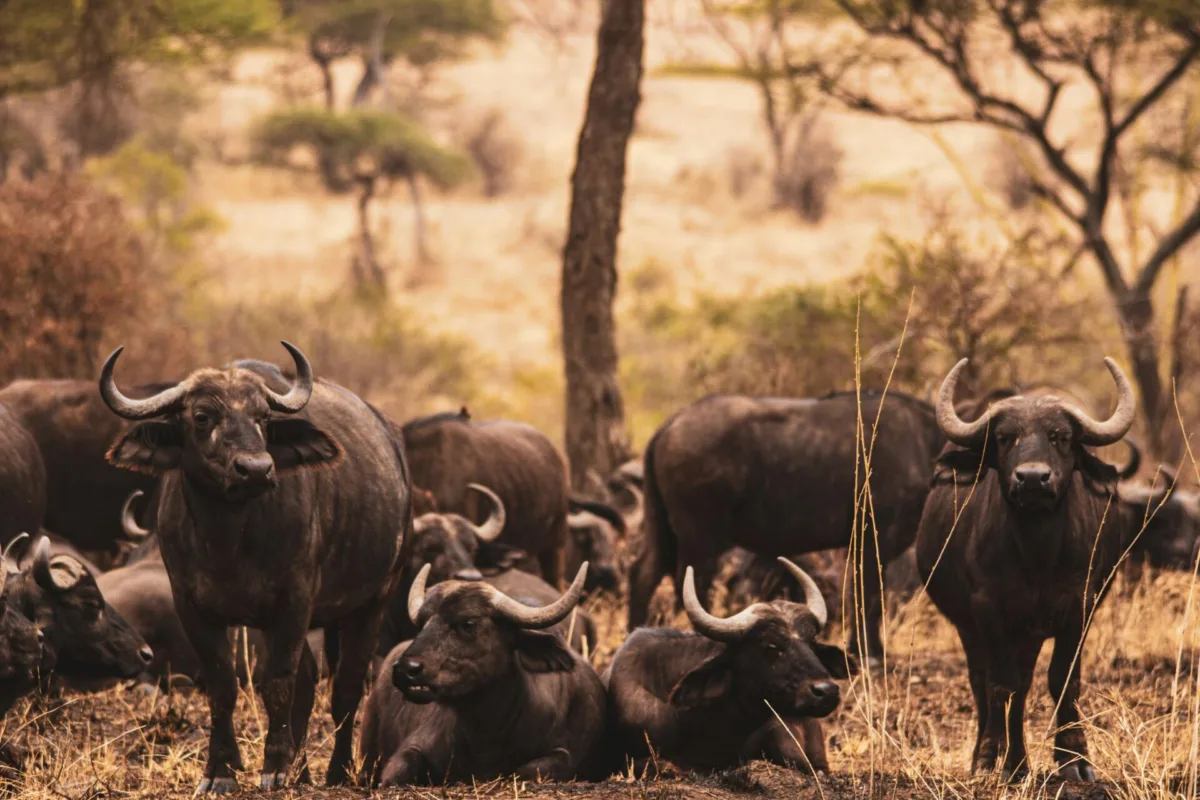
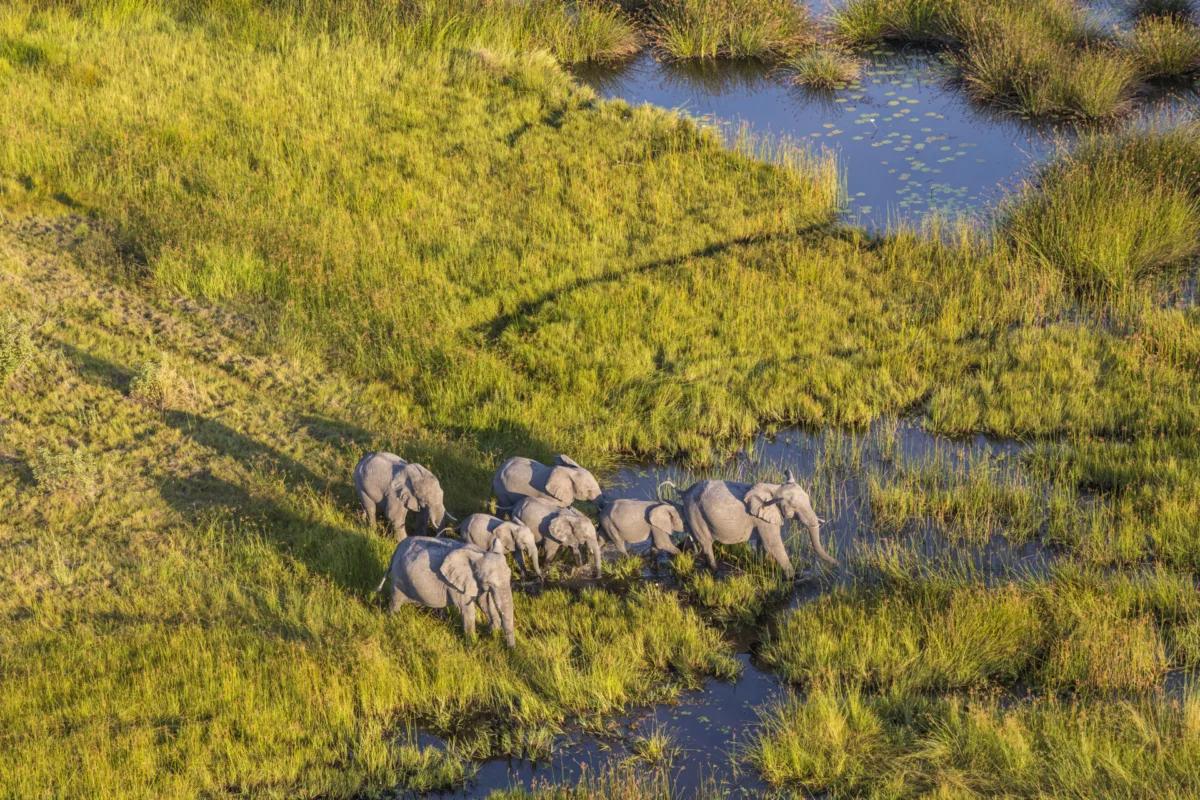
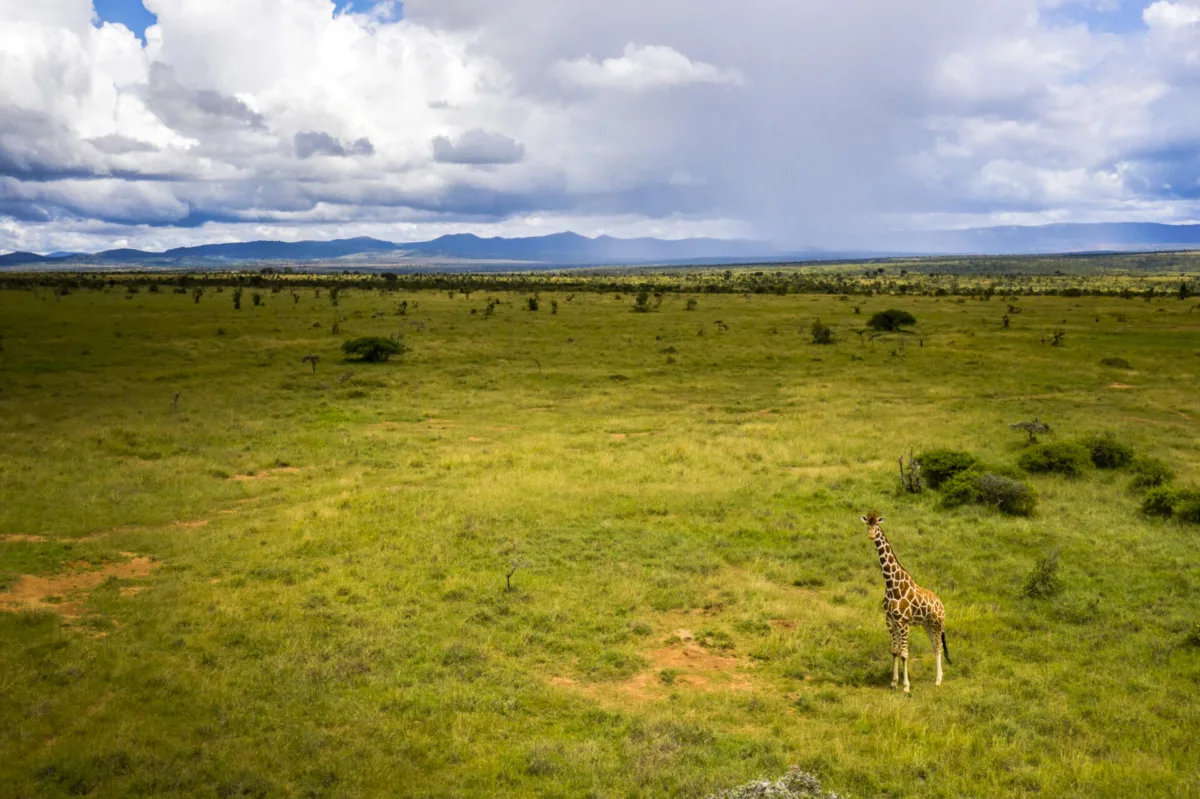
Explore floodplains, woodland and seasonal river environments by vehicle. As dry conditions develop, remaining water can draw buffalo, elephants, hippos and predators towards a smaller number of areas. These concentrations are part of a demanding survival system rather than a performance created for visitors. Staying within one wider landscape gives your guide time to respond to recent movement instead of following a rigid daily route.
From open plains to Lake Tanganyika
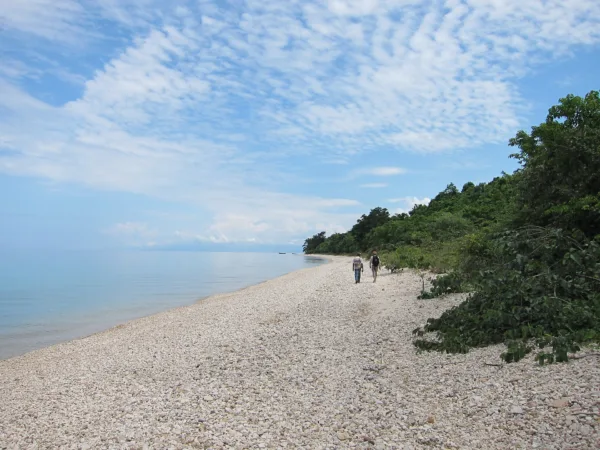
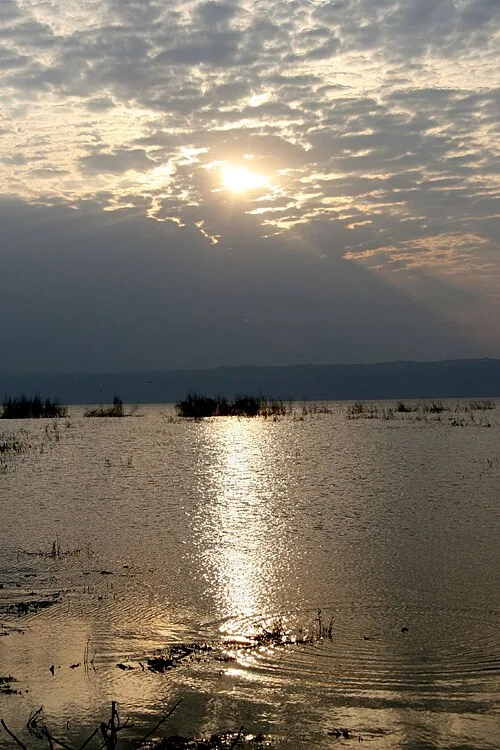
Continue by flight and boat towards forested mountains beside Lake Tanganyika. The transition is one of the strongest in the journey. Dry wildlife country gives way to steep slopes, dense forest and a vast freshwater landscape. After arrival, there is time to settle into the surroundings and prepare for an entirely different form of exploration.
Walk into the forest
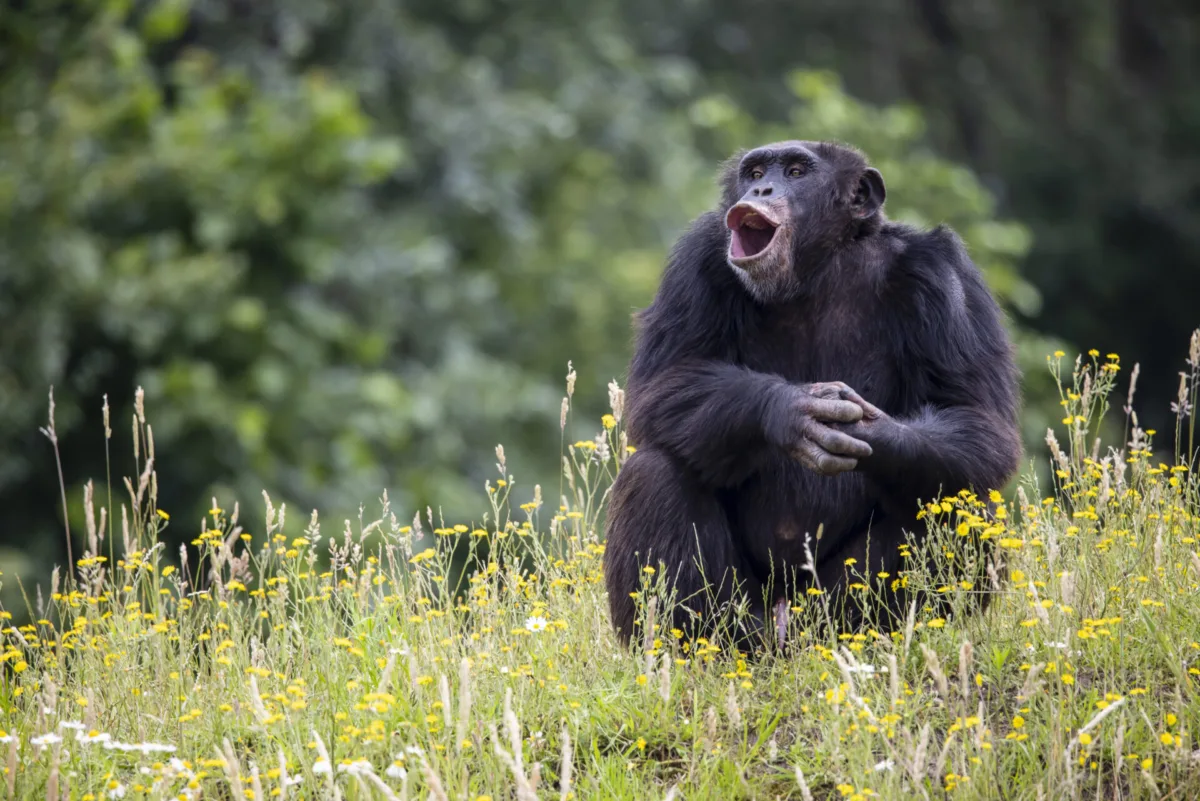
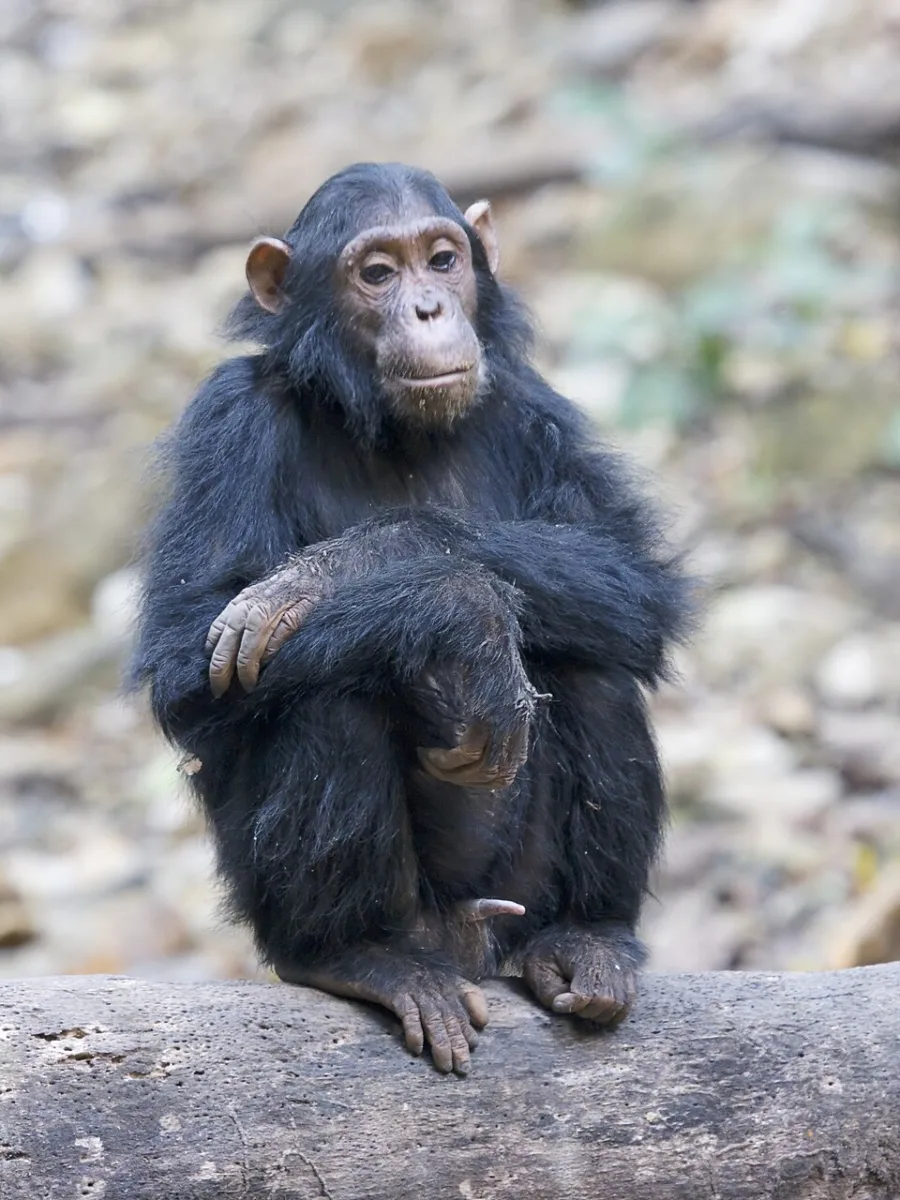
Spend several days experiencing forest, mountains and lakeshore. Chimpanzee tracking is central to this part of the journey. Trackers follow recent signs, calls and feeding patterns as the animals move through the forest according to their own social relationships and needs. Multiple nights provide room for changing conditions and more than one tracking opportunity. They also allow you to understand the chimpanzees within the wider environment rather than treating the forest as a backdrop for one sighting. Health and distance rules are part of responsible tracking. They protect the animals while allowing visitors to observe natural behaviour with appropriate guidance.
Reconnect with Southern Tanzania
Leave the forest and lake by boat and domestic flight. An overnight stay may be required before continuing east. This transition is included transparently so the journey remains realistic and comfortable. A quieter connection day also gives you time to absorb the contrast between the landscapes already experienced.
Follow the waterways
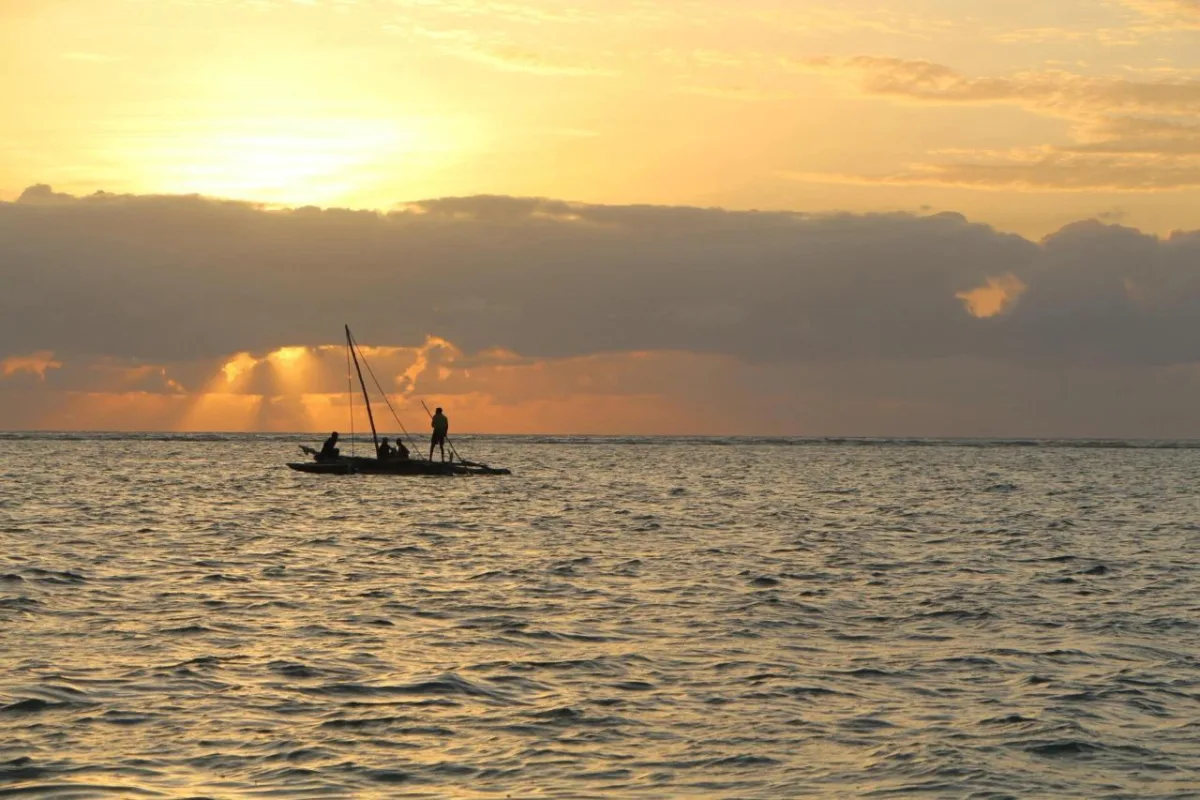
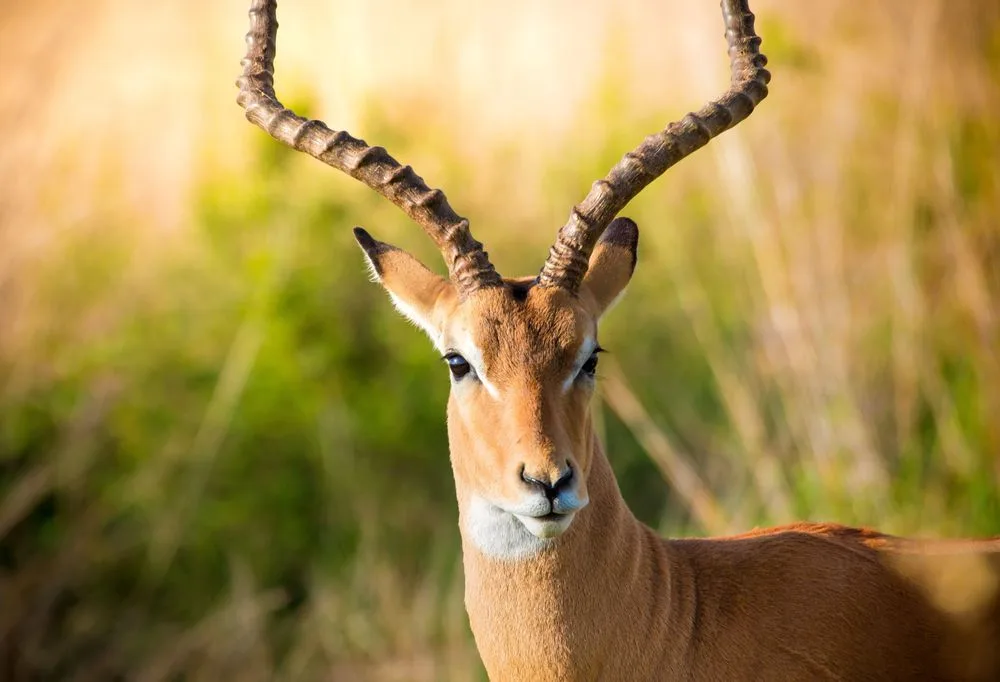
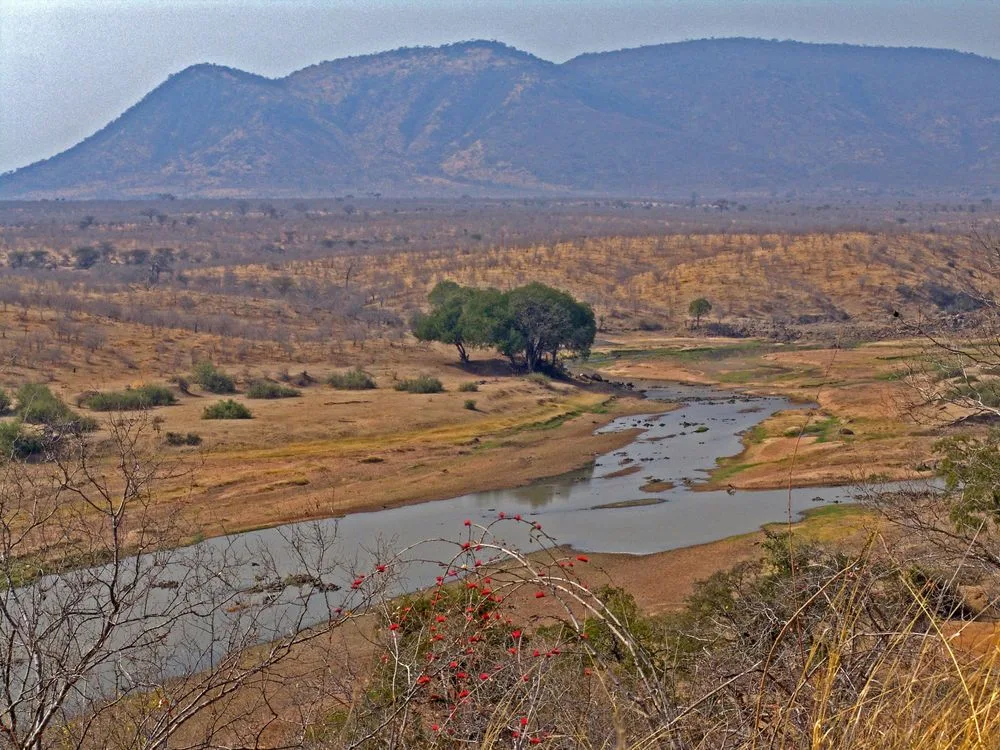
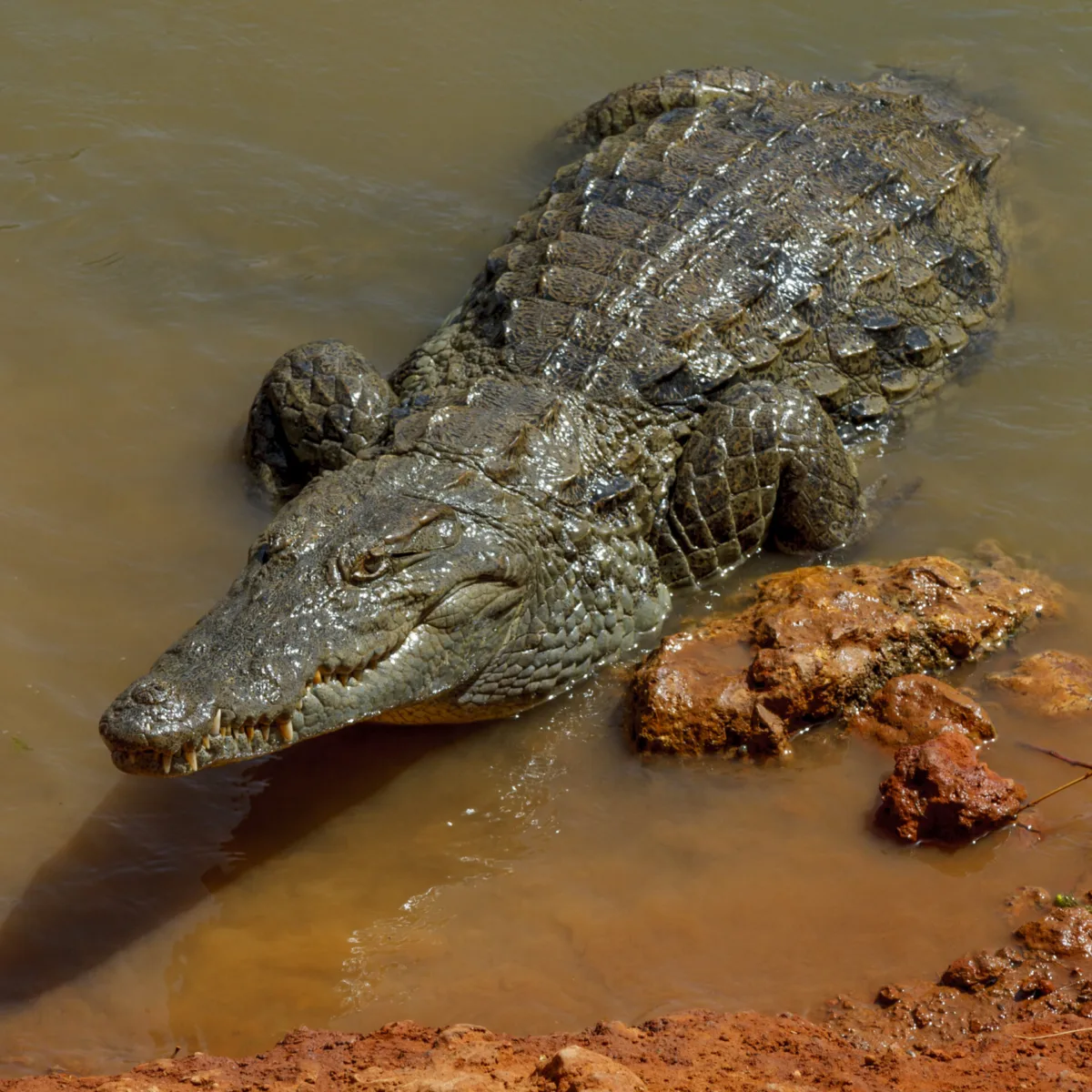
Enter a wildlife landscape shaped by rivers, channels, lakes and woodland. Game drives reveal how animals use the plains and surrounding vegetation, while a boat safari changes your position completely. From the water, attention shifts towards riverbanks, hippos, crocodiles and varied birdlife. After travelling by vehicle and on foot, the river introduces another way to understand how water supports and connects the surrounding ecosystem.
End beside the Indian Ocean
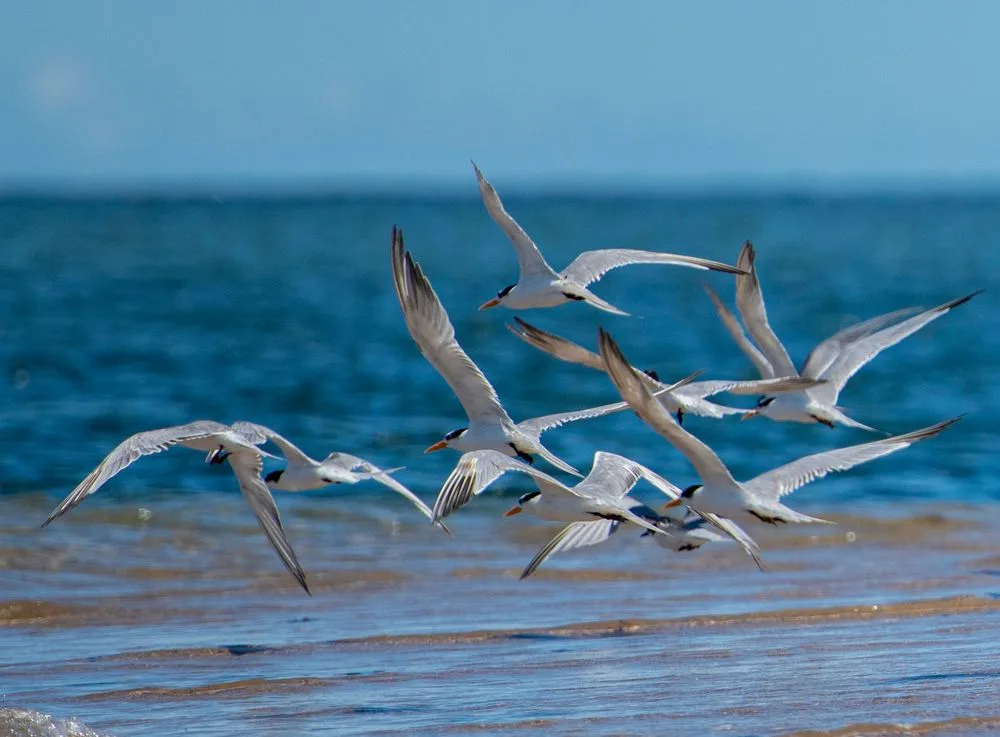
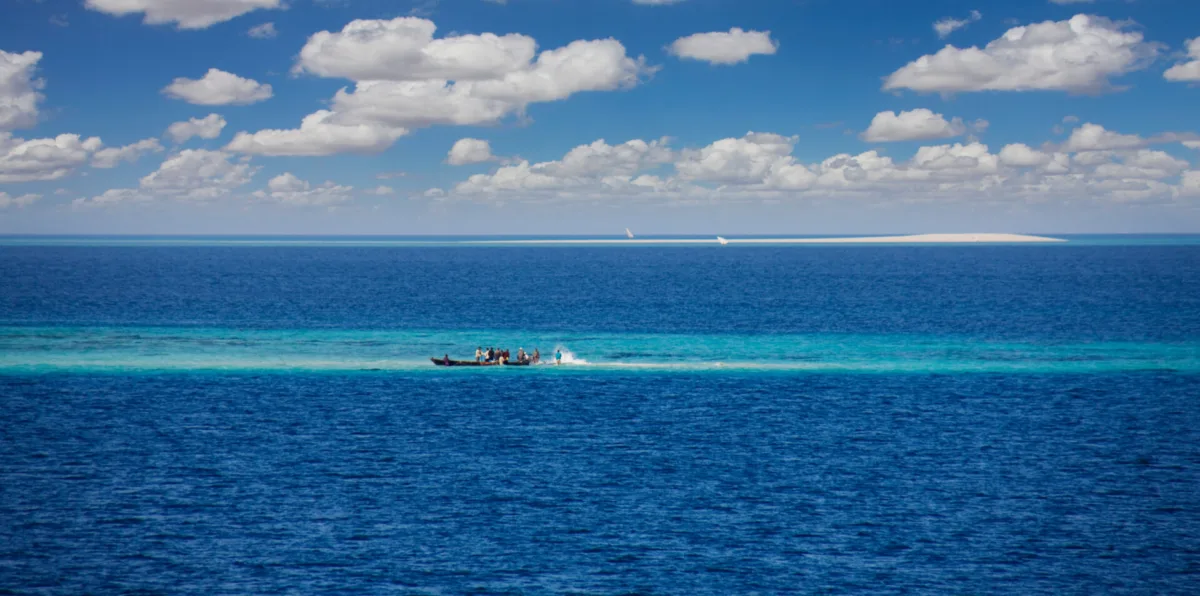
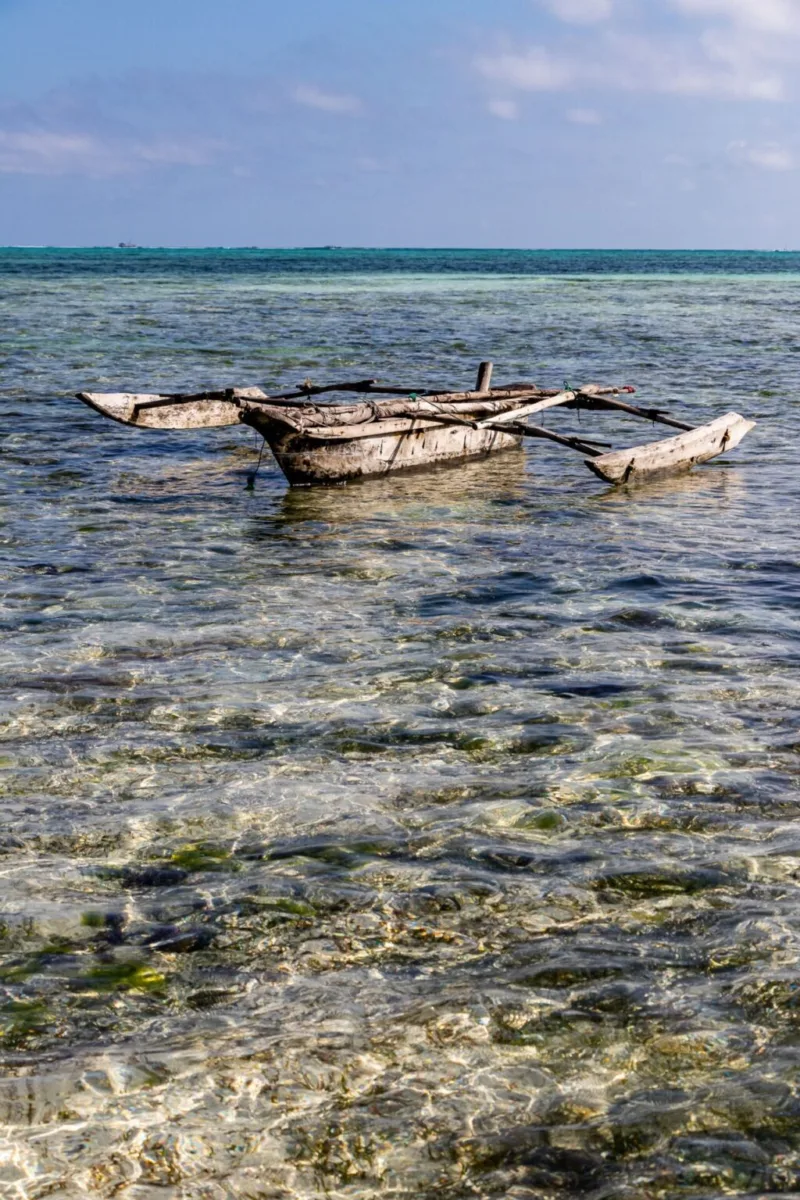
Complete the journey beside the Indian Ocean. The right coastal or island setting depends on your interests. History, food, coral environments, diving, snorkelling, quiet shorelines and local atmosphere vary significantly between locations. These final days may be active, restful or a combination of both. The coast is not treated as an interchangeable beach extension, but as another Tanzanian environment shaped by tides, marine ecosystems, communities and a long history of exchange.

Start shaping your Tanzania journey
Activities throughout the journey
A journey across Tanzania should change not only what you see, but also how you experience each landscape. These activities are included where they fit naturally within the route.
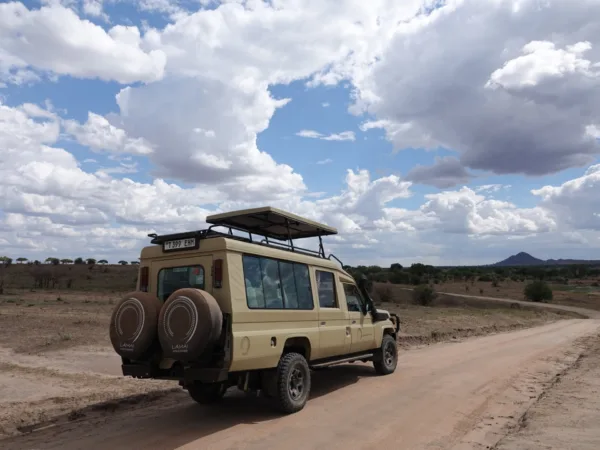
Game drive
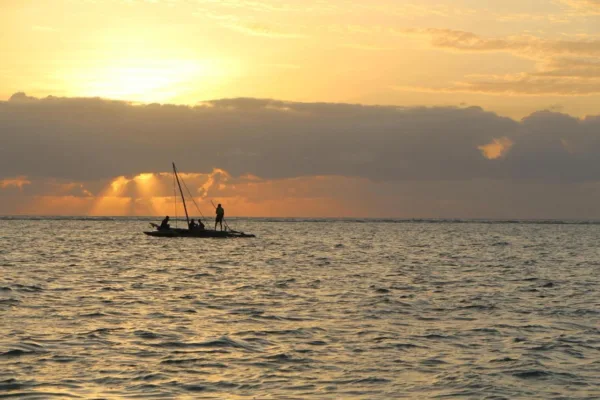
Boat safari
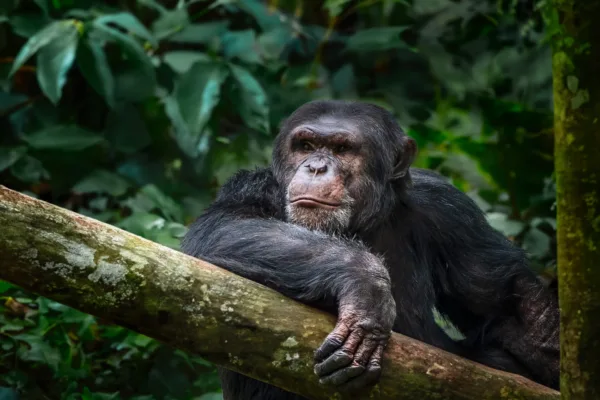
Chimpanzee tracking
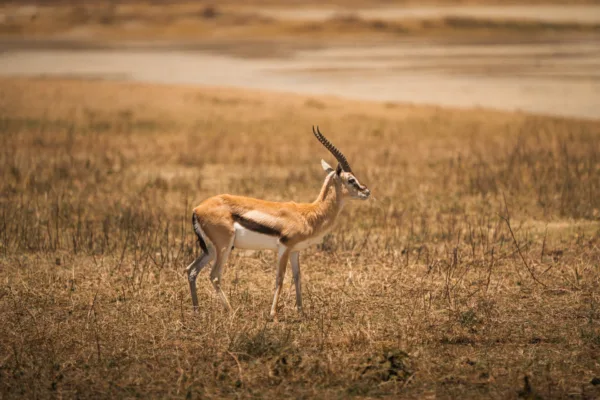
Walking safari
Start shaping your Tanzania journey
Stay where the journey takes you
Accommodation is more than a place to sleep. Its location, atmosphere and comfort influence the rhythm of each day. Northern Tanzania offers lodges, tented camps, guesthouses and campsites across different price levels. Lamai considers quality, character, practical location and how each stay supports the route.
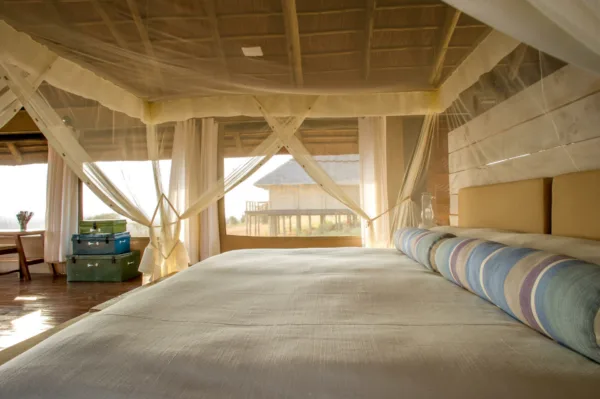
Budget accommodation
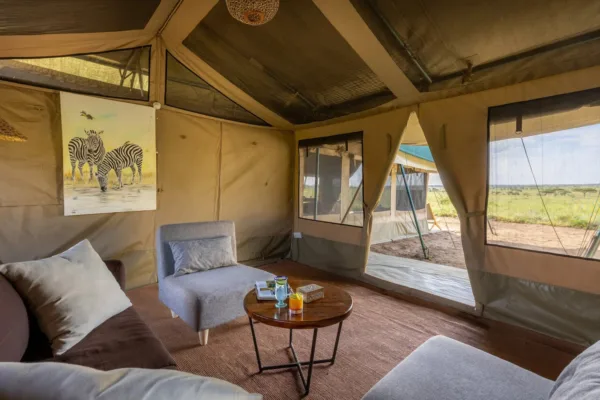
Mid-range accommodation
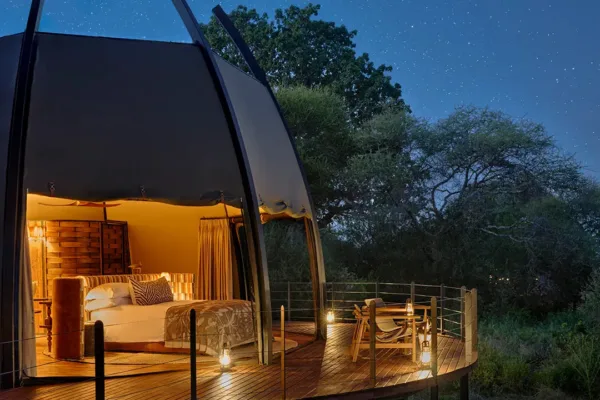
Luxury accommodation
The art of not rushing Tanzania
A long itinerary can still feel hurried when too many places are included. Experiencing more of Tanzania does not require changing accommodation every night or treating domestic flights as empty gaps between attractions. It means recognising where contrast adds depth and where more time creates a stronger connection. We may recommend three nights in the forest because chimpanzee movement changes from day to day. We may leave out an eastern wildlife area when the connection would disrupt the wider route. We may also build in a quiet afternoon after a flight rather than immediately adding another activity. Local knowledge helps us make these decisions. So does honesty about the practical realities of travelling through a large country. Rainfall, wildlife movement, road conditions and flight schedules all influence the journey. A strong itinerary includes enough flexibility to respond intelligently without making the entire route feel uncertain. This is how Lamai takes you further: not only across more kilometres, but towards a deeper understanding of Tanzania.
Frequently asked questions
Twenty-one days can create a varied journey through several regions, particularly when domestic flights are used carefully. However, including the Northern, Western and Eastern Circuits plus an island is more comfortable in approximately 24 days or longer. We advise you on which destinations deserve priority within the time available.
Not realistically. Tanzania is large, and some western destinations are remote from the main road circuits. Domestic flights and boat transfers are often essential for reaching places such as Katavi and Mahale without losing several days to overland travel. The final route depends on current operating schedules.
There is no single period in which every region offers identical conditions. Game viewing, chimpanzee tracking, hiking, road access and marine activities can all be influenced differently by rainfall and season. We look at your priorities and design the best overall compromise rather than promising one perfect month.
It should not, provided the route is designed with enough multi-night stays and realistic transition days. We avoid changing accommodation every night and create slower periods in places such as the Serengeti, Mahale and the islands. The daily pace can also be adapted to your energy and interests.
Absolutely. The example is intended to show what is possible, not what is compulsory. You may prefer to combine north and west, focus on east and the islands or spend more time in only two regions. We build the final route around the experiences that matter most to you.
It can be, but the exact route must reflect the children’s ages, interests and tolerance for flights, longer transfers and active experiences. Chimpanzee tracking and some walking activities may have age restrictions. We can create a family-focused version with fewer transitions and an appropriate daily rhythm.
Start by sharing your preferred travel period, the number of travellers and any initial ideas you have for your safari through our questionnaire. We then arrange a 30-minute call to discuss your vision, interests, preferred pace and accommodation style. Based on that conversation, we create a personal itinerary shaped around your wishes and our local knowledge.
Discover more of Tanzania