
Nyerere National Park
Nyerere National Park
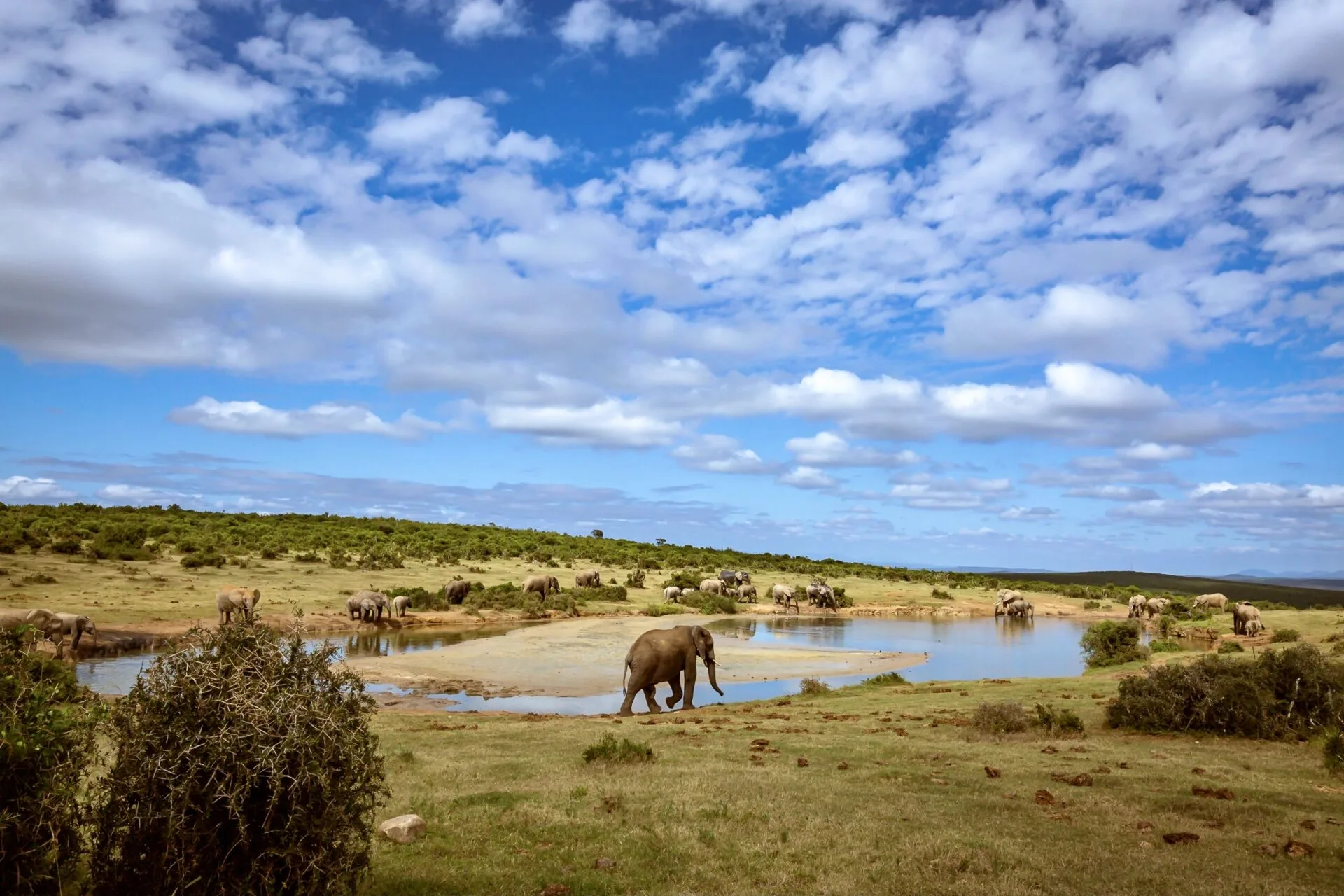
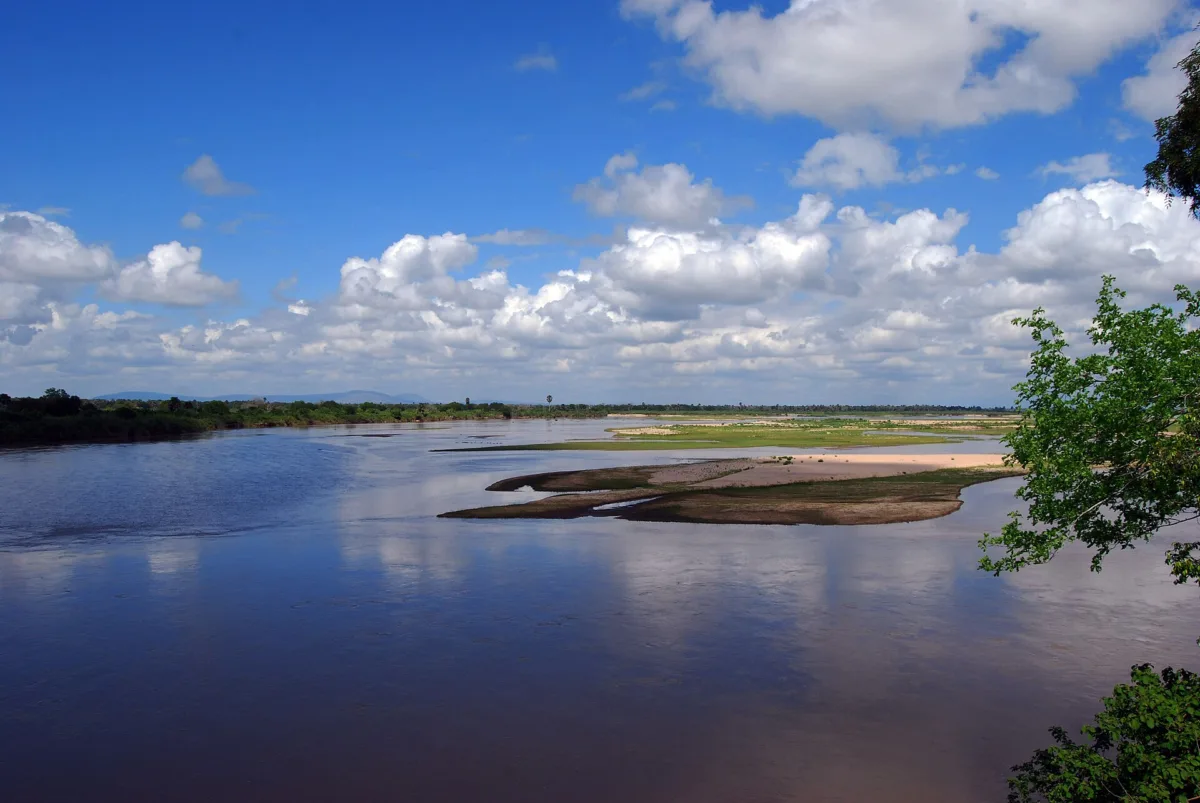
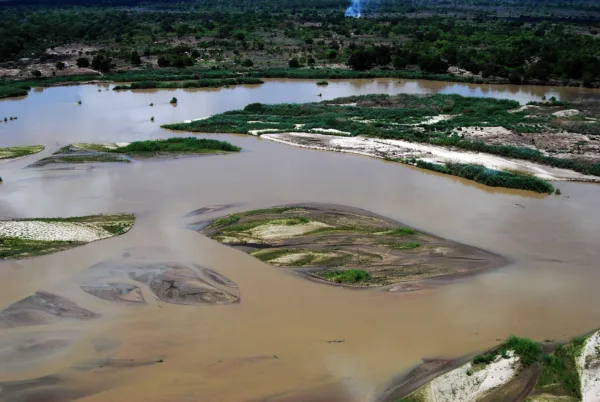
Nyerere National Park is shaped by movement. The Rufiji River divides into channels, lakes and wetlands before continuing through woodland and open plains across an immense protected landscape. Wildlife responds to this network of water in different ways. Elephants and other animals approach the riverbanks to drink, hippos and crocodiles occupy the channels, and birds gather around lakes, sandbanks and riverine vegetation. The park can be explored from several perspectives. A game drive reveals the scale of its grasslands and woodland, while a boat safari brings you closer to the quieter patterns of life around the water. Guided walking experiences may introduce tracks, plants and details that disappear when travelling by vehicle. These activities are not separate attractions placed beside one another. Together, they show how water connects the different habitats of Nyerere.
- Safari by land and water
- Shaped by the Rufiji River
- Travellers seeking both game drives and boat safaris
- Visitors exploring Eastern or Southern Tanzania
- Returning safari travellers looking for greater variety
- Birdwatchers and travellers interested in river systems
- Those able to spend several nights in one park
- The Rufiji River creates an extensive network of lakes and channels
- Wildlife can be observed from land, water and on foot
- Vast miombo woodland surrounds open plains and wetlands
- The park connects naturally with Tanzania’s coast and islands
- Popular wildlife: elephants, African wild dogs and lions
A vast landscape in Southeastern Tanzania
Nyerere lies south of Dar es Salaam and forms an important part of Tanzania’s Eastern and Southern safari routes. Its total area is enormous, but visitor experiences are concentrated within selected regions. The northern tourism areas are closely connected to the Rufiji River and its surrounding lakes. This makes access to water central to both the daily programme and the location of accommodation.
- Accessible by road or light aircraft
- Closely connected to Dar es Salaam and the coast
- Best experienced over several nights
- Visitor routes concentrated around selected wildlife areas
Let the Rufiji River change your safari experience
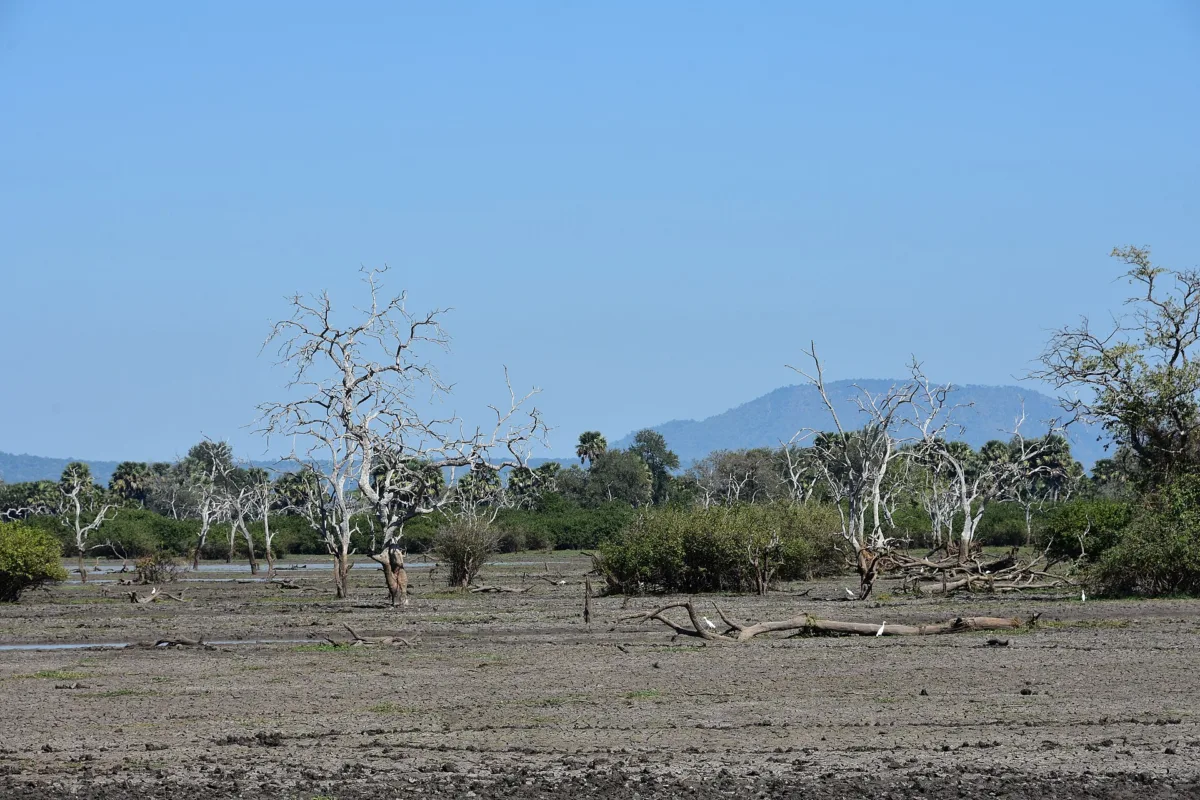
The Rufiji River is more than a scenic feature. Its channels, lakes and wetlands provide water, food and shelter across a broad section of the park. Hippos and crocodiles occupy the river, while fish and aquatic vegetation support abundant birdlife. Along the banks, animals use drinking points, shade and riverine vegetation as conditions change. As the wider landscape becomes drier, the influence of the water may become more visible. Wildlife can move closer to lakes and riverbanks, while predators respond to the distribution of prey. Rainfall and river levels alter this pattern again. Access, visibility and the position of animals change, ensuring that the same route does not produce an identical experience throughout the year.

From open plains to Miombo woodland
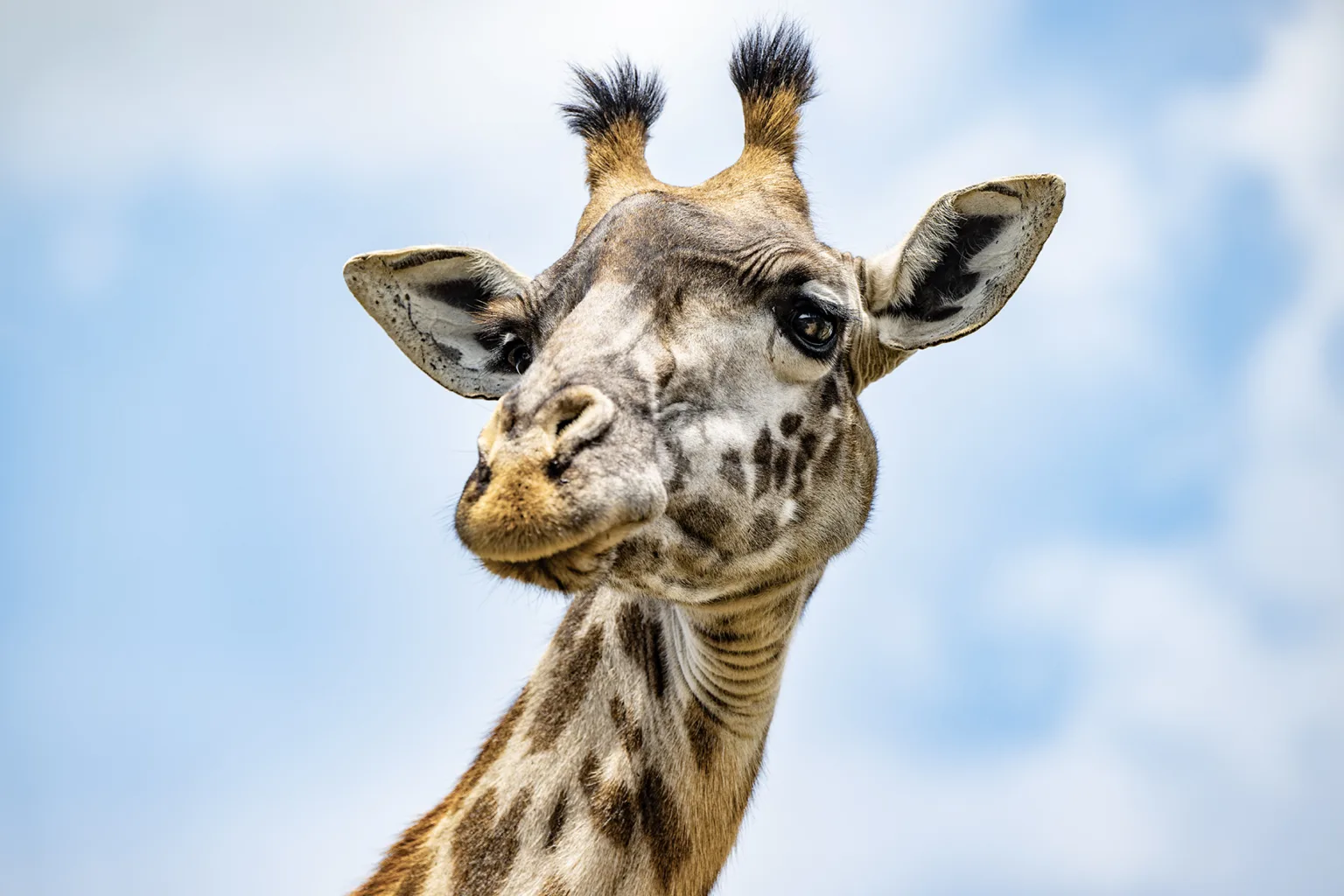
Nyerere is often associated with the Rufiji, but the surrounding habitats are equally important. Open grasslands give way to wooded areas, seasonal watercourses and extensive miombo woodland. These environments support wildlife at different times of day and during different seasons. Giraffes and elephants move between feeding areas, while antelopes use both open and covered terrain. African wild dogs range across particularly large territories. Their mobility makes them difficult to predict, but it also demonstrates why large connected habitats remain essential. A guide reads the transitions between these environments rather than treating every game drive as a search along the riverbank. The strongest route may change according to recent movement, vegetation and road conditions.
Activities in Nyerere National Park
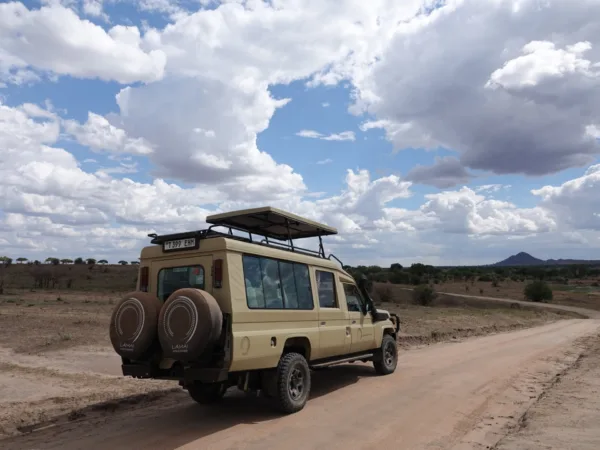
Game drive
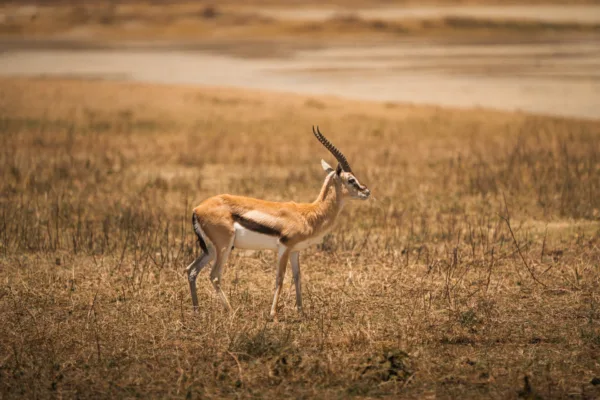
Walking safari
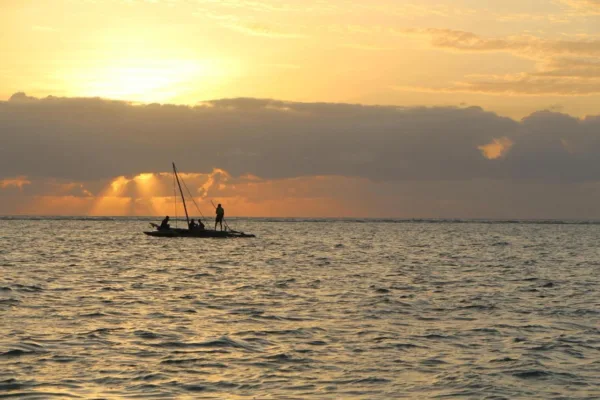
Boat safari
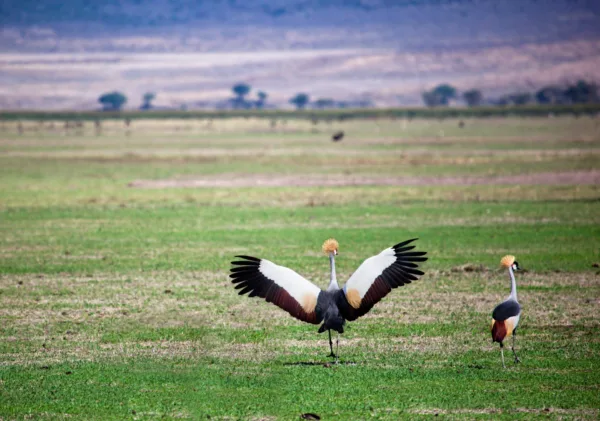
Birdwatching
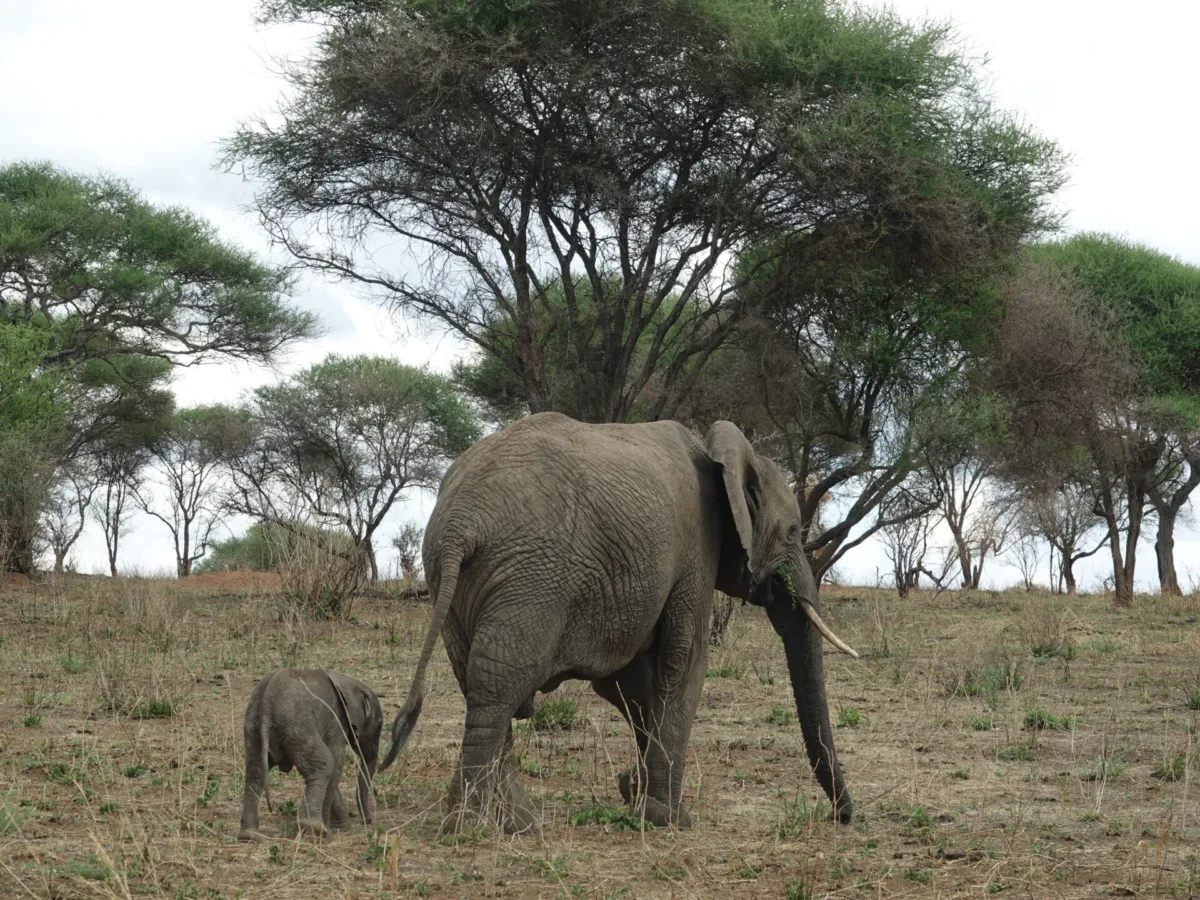
Allow the river to set the rhythm
Nyerere works particularly well for travellers who want different safari activities without changing destination every one or two nights. Three to four nights usually allows time for game drives and a boat safari, with the possibility of an authorised walk. A longer stay creates greater flexibility around wildlife movement, river conditions and the daily pace. Light-aircraft connections can reduce transfer time, especially when Nyerere follows Zanzibar, Mafia Island or another distant destination. Road access may fit naturally within a broader route from Dar es Salaam or Mikumi. Accommodation is generally selected around access to the Rufiji and the wildlife areas used for game drives. The exact location influences transfer times, boat access and which sections of the park can be reached comfortably. Nyerere suits travellers who value variety and a sense of scale. Those with only one or two available nights may not have enough time to benefit from its combination of land and water experiences.

Start shaping your Tanzania journey
Frequently asked questions
Drier conditions may improve road access and draw wildlife towards remaining water. Greener periods bring fuller vegetation, changing birdlife and different river conditions.
Three to four nights gives most travellers time for game drives and a boat safari. A longer stay allows more flexibility and reduces pressure to schedule several activities each day.
Boat operations depend on water levels, weather, safety requirements and current local arrangements. Availability should be confirmed for your specific travel period.
African wild dogs live within the wider ecosystem but travel across large territories. Guides may search for recent signs, although an encounter cannot form the basis of the entire visit.
The park can be reached by domestic flight or road. The most suitable option depends on your previous destination, available time, season and complete route.
Yes, when driving times and activities are matched to the children’s ages. Boat safaris and guided walks may have participation or safety requirements.
Nyerere National Park was created from part of the wider Selous landscape. The name Nyerere now applies to the national park covered by this itinerary, while other protected areas remain outside it.
Continue your journey
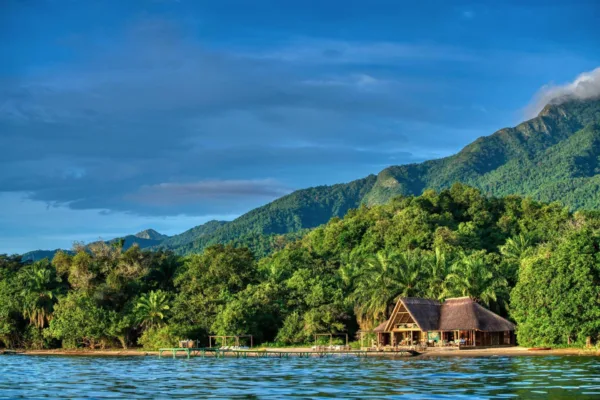
Rubondo Island National Park
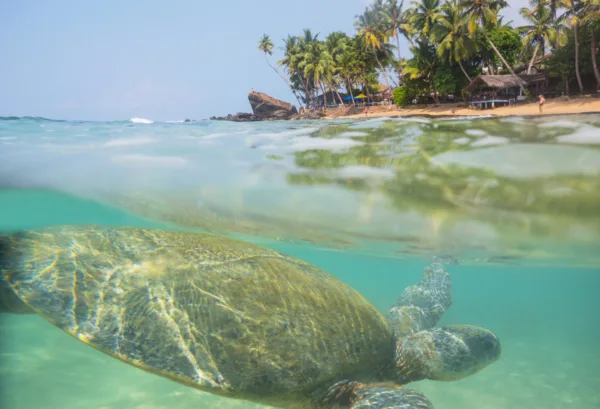
Mafia Island
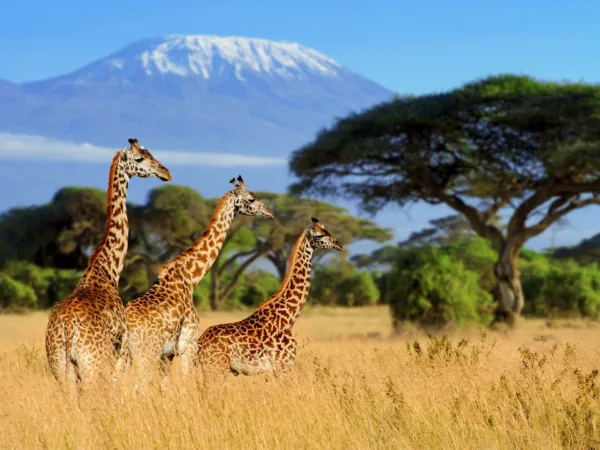
Kilimanjaro National Park