Mkomazi National Park
Mkomazi National Park
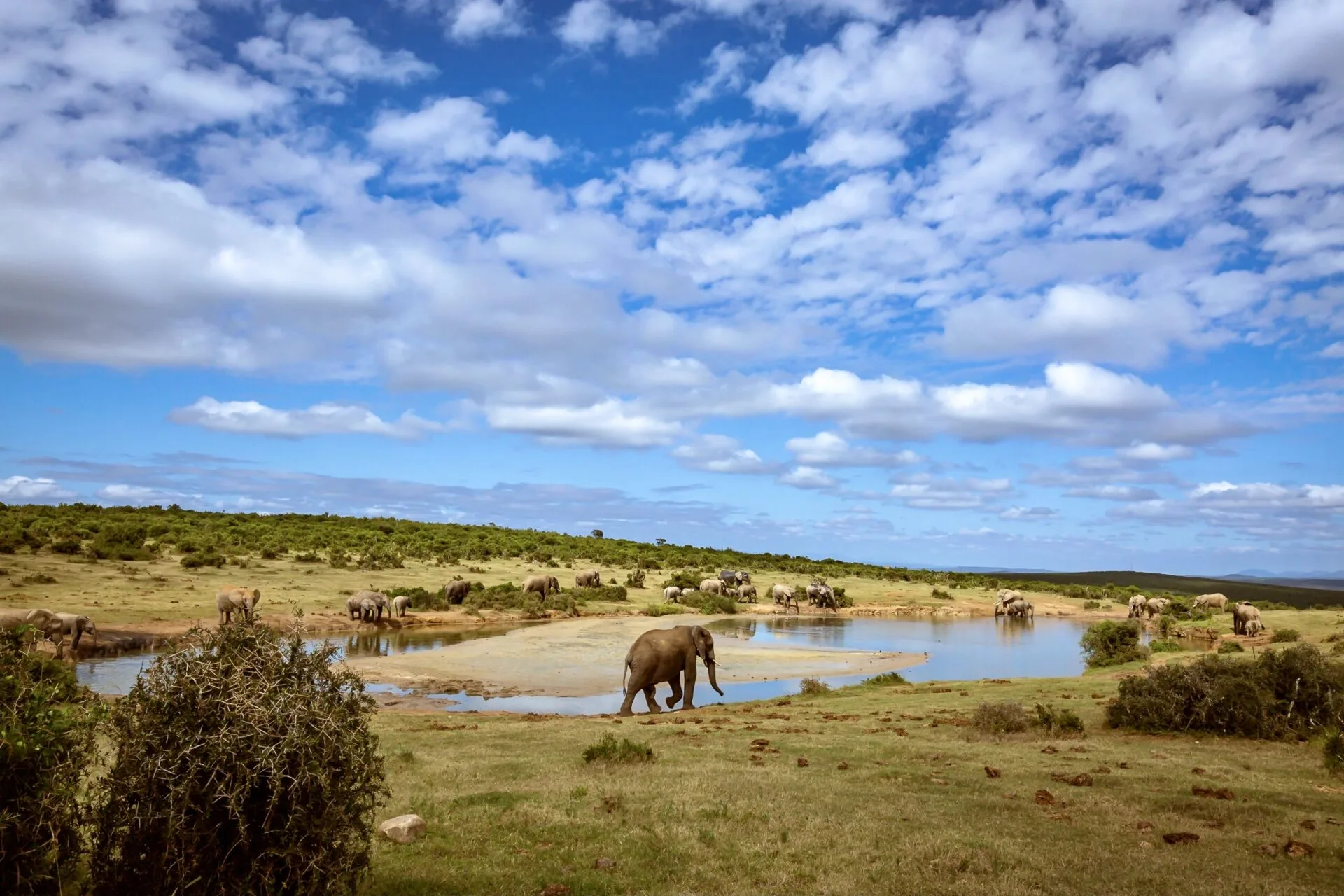
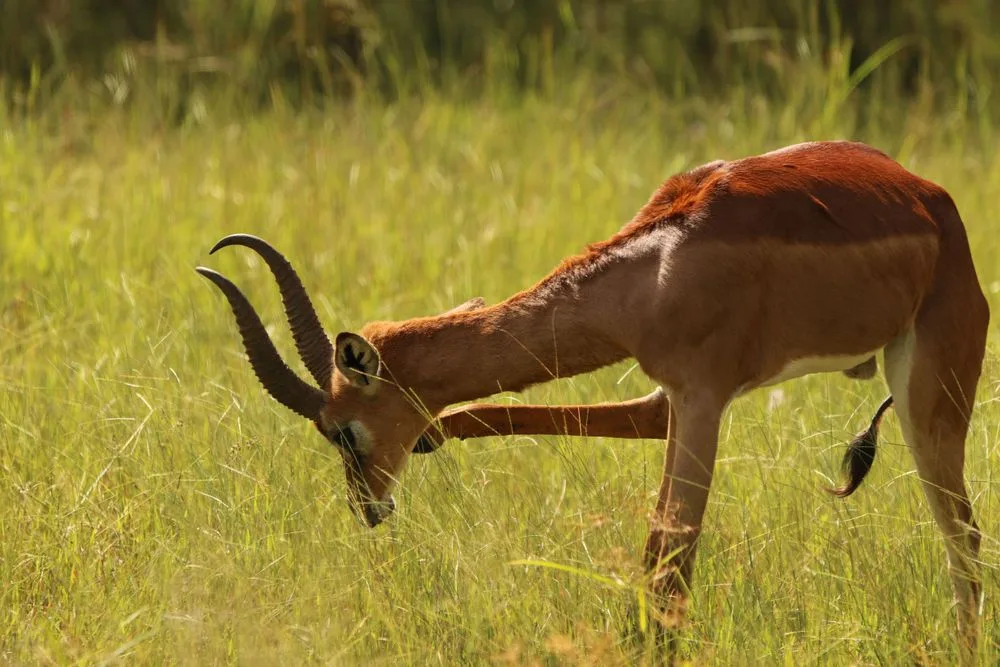
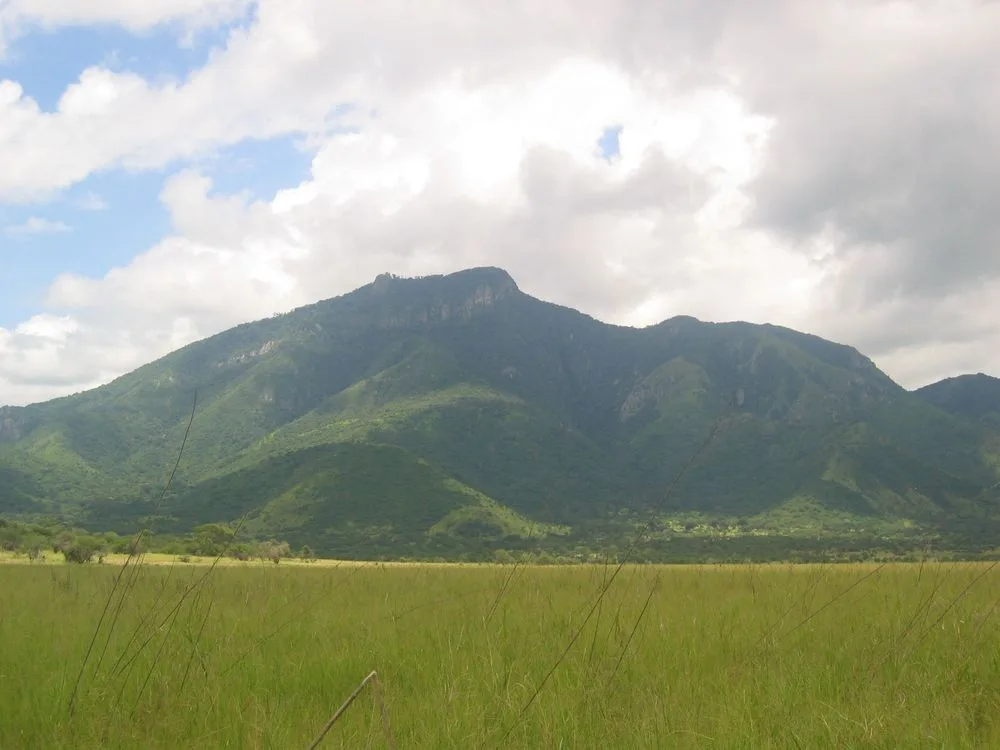
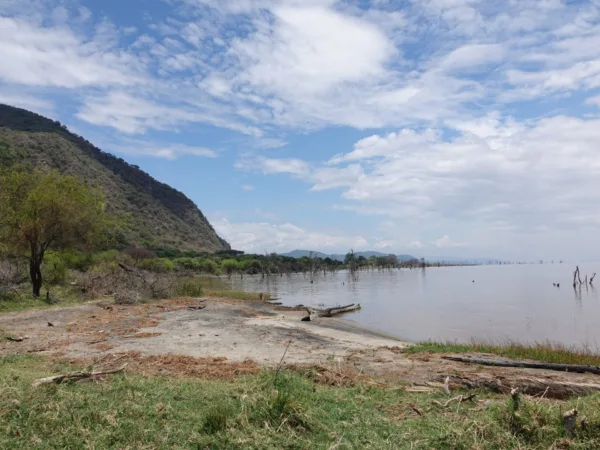
Mkomazi reveals a drier and more open side of northern Tanzania. Acacia and Commiphora woodland stretch across semi-arid plains, interrupted by rocky hills, seasonal rivers and old baobab trees. Along the northern boundary, the park connects with Kenya’s Tsavo West National Park. Wildlife moves through this wider landscape, making migration routes and protected corridors central to the way Mkomazi functions. Animals here are adapted to sparse vegetation and limited water. Gerenuks reach into higher branches, oryx cross exposed plains and elephants may move between Mkomazi and the broader Tsavo ecosystem. Mkomazi is also closely associated with conservation programmes for black rhinoceroses and African wild dogs. Their presence adds an important story, but the park’s real value lies in understanding the long-term work needed to protect vulnerable species and the habitat around them.
- Conservation of rhinos and wild dogs
- A calm dry-country safari
- Travellers interested in conservation
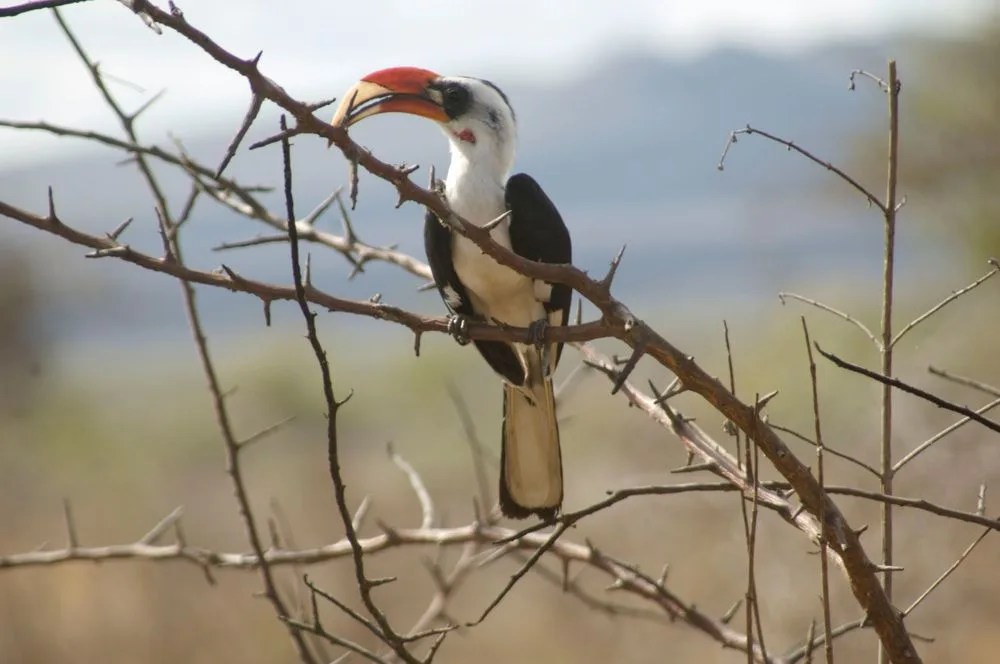
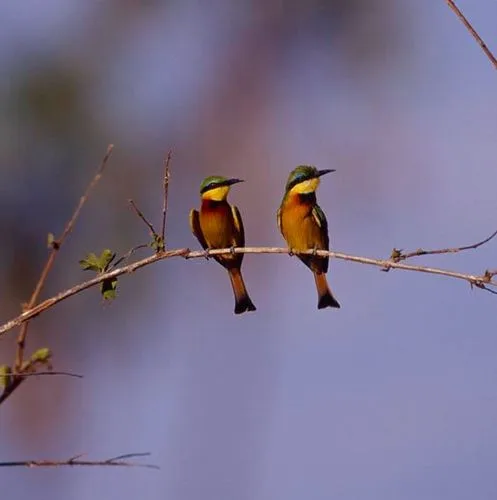
- Birdwatchers and dry-country wildlife enthusiasts
- Visitors combining safari with Kilimanjaro or Moshi
- Experienced safari travellers seeking a different northern landscape
- Travellers comfortable with patient wildlife observation
- The park forms part of the wider Mkomazi–Tsavo ecosystem
- Semi-arid woodland supports specialist dry-country species
- Black rhinoceros protection plays an important role
- Lower visitor numbers create a calmer style of game viewing
- Characteristic wildlife: gerenuks, black rhinoceroses and African wild dogs
Between Kilimanjaro, Tsavo and Pare Mountains
Mkomazi lies east of Mount Kilimanjaro and south of the Kenyan border. Its position connects the park to the Pare Mountains, the Usambara region and the wider landscapes of Tsavo. Mountain ranges form a distant backdrop to plains and woodland. The contrast gives Mkomazi a visual identity that differs from the wetter parks farther west.
- Accessible from Dar es Salaam
- Part of Tanzania’s Southern Circuit
- Suitable for road-based itineraries
- Strong contrast with nearby mountain forest
Wildlife adapted to scarcity
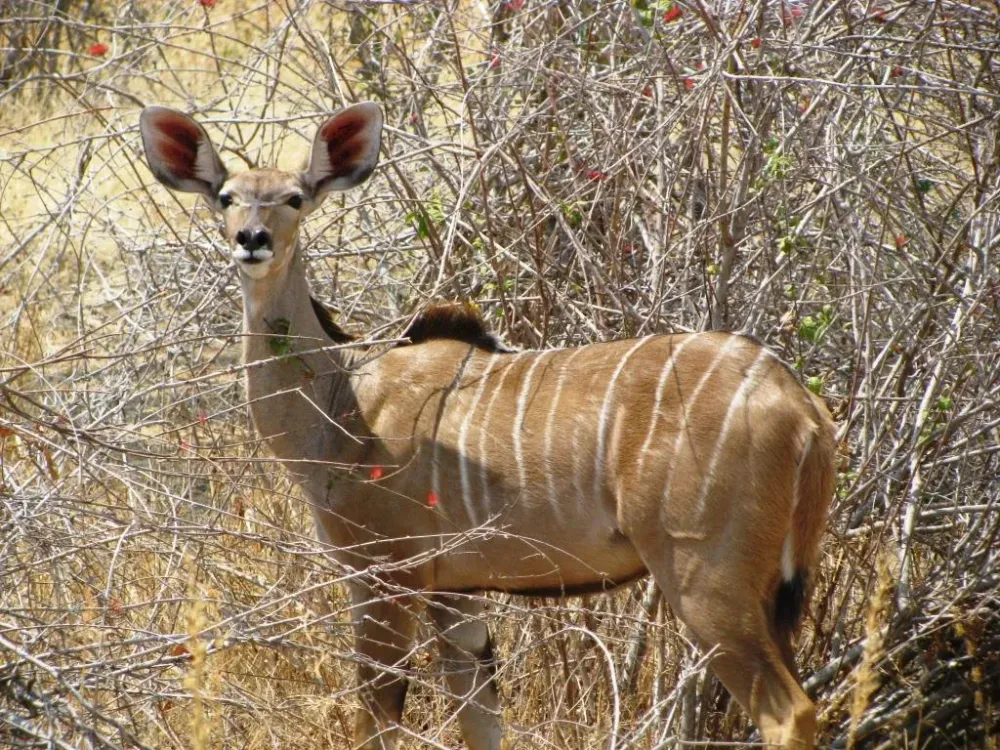
Water is unevenly distributed across Mkomazi. Seasonal rivers and sources such as the Umba influence where wildlife can feed, drink and move. Species such as gerenuk and fringe-eared oryx are especially well suited to these conditions. Their feeding strategies and movement patterns reflect a landscape where shade, browse and water cannot be taken for granted. Wildlife is often more dispersed than in parks organised around permanent rivers or large floodplains. A game drive may therefore involve following tracks and reading subtle signs rather than moving between obvious concentrations. This quieter search is part of Mkomazi’s identity. The landscape teaches you how animals survive when resources are spread across a large and dry environment.

Protection of rhinos and wild dogs
Mkomazi’s conservation history is closely linked to black rhinoceroses and African wild dogs. Both species suffered severe declines through poaching, persecution and habitat loss. Black rhinoceroses are protected within a controlled sanctuary environment. Monitoring, security and regulated access all form part of the work required to support their recovery. African wild dogs use much larger territories. Their movements across the wider ecosystem make them more difficult to predict and show why habitat corridors beyond park boundaries matter. Conservation here is not a completed success story. It depends on long-term protection, professional expertise, cooperation and restrictions that place animal welfare above visitor access.
Activities in Mkomazi National Park
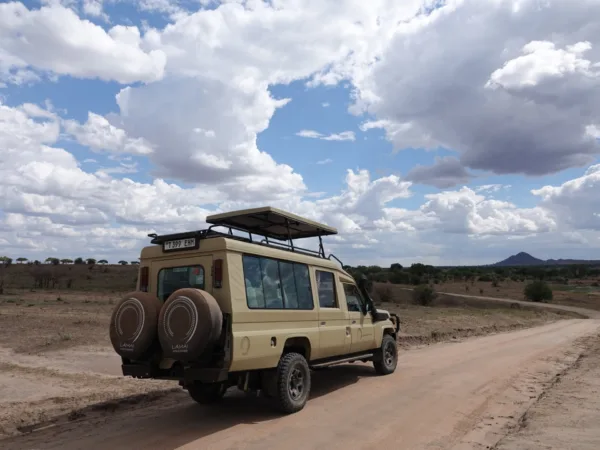
Game drive
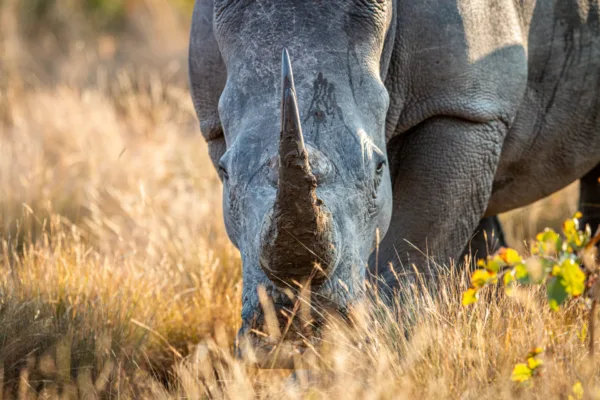
Rhino spotting
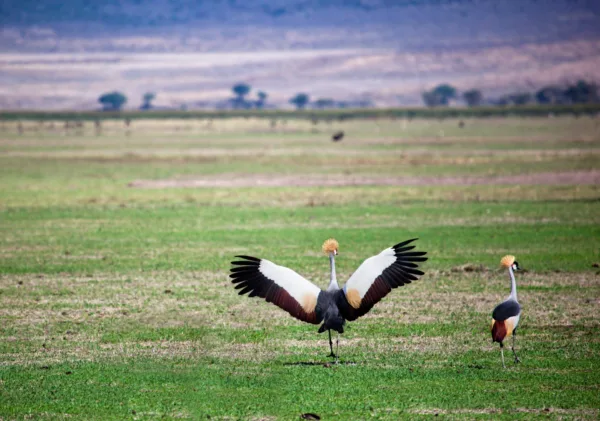
Birdwatching
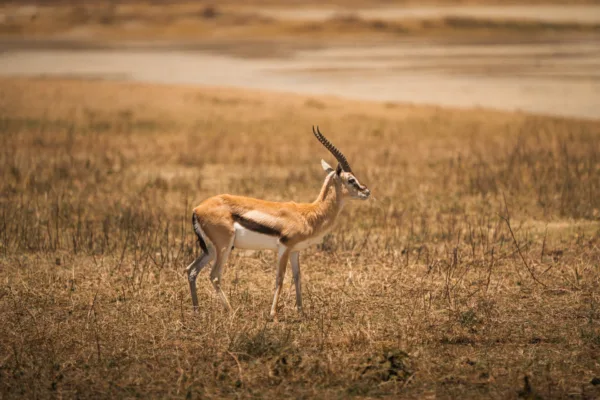
Walking safari
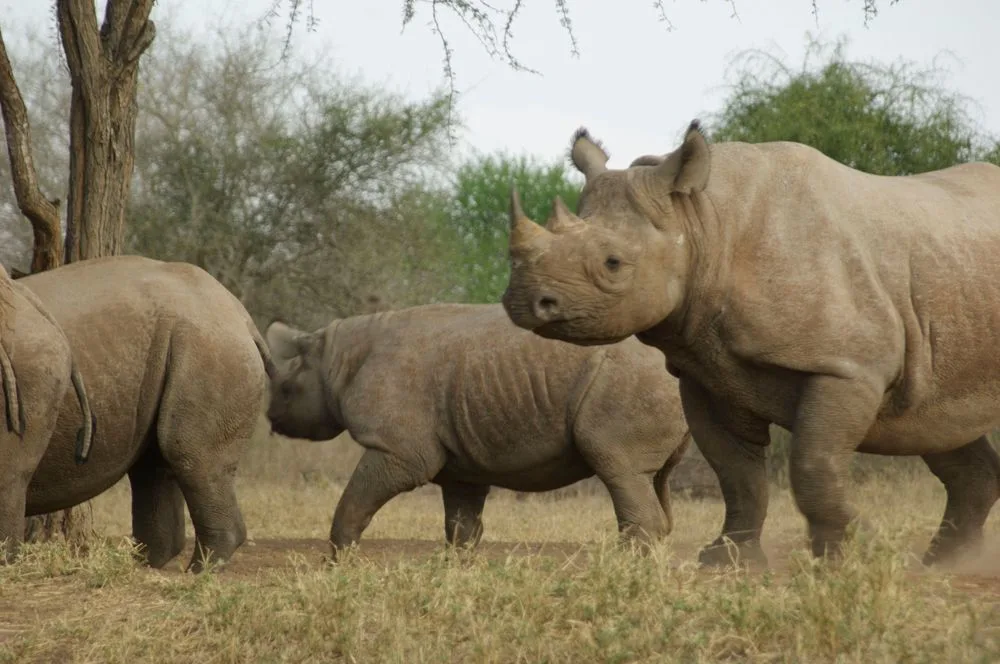
Safari at a calm pace
Mkomazi works particularly well after Kilimanjaro or within a route through north-eastern Tanzania. It can add dry-country wildlife and conservation context without requiring a journey towards the busiest Northern Circuit parks. One or two nights may provide a useful introduction. Travellers especially interested in birds, specialist species or conservation may benefit from a longer stay. Accommodation and authorised activities are more limited than in Tanzania’s best-known safari destinations. Current access and the location of accommodation therefore influence how the visit is organised. Mkomazi can suit first-time travellers who value quieter landscapes, but it should not be selected for consistently dense wildlife viewing. Combining it with Tarangire or another northern park can create a more varied safari. The destination is strongest for travellers who enjoy the process of searching, observing and understanding adaptation rather than measuring a day by the number of sightings.
Start shaping your Tanzania journey
Frequently asked questions
Drier conditions often make animals easier to locate near remaining water and may improve road access. Greener periods bring changing vegetation and seasonal birdlife.
Authorised visits may be available under current park arrangements. Access is controlled because security and rhinoceros welfare remain the priority.
It can be, especially for travellers interested in conservation and quieter wildlife observation. Those seeking larger concentrations may prefer to combine it with another park.
Mkomazi consists mainly of dry savannah, acacia and Commiphora woodland, rocky hills and seasonal river environments, with mountain ranges visible in the distance.
The park protects habitat for threatened species and contributes to the wider wildlife corridors connecting Tanzania with Kenya’s Tsavo ecosystem.
Wild dogs may move through the wider ecosystem, but they cover large territories and are difficult to predict. Their conservation importance extends beyond the likelihood of an encounter.
Yes. The combination of dry woodland, open plains and seasonal water supports varied birdlife, including raptors and dry-country species.
Continue your journey
Arusha National Park
Mahale National Park
Lake Manyara