
Udzungwa National Park
Udzungwa National Park
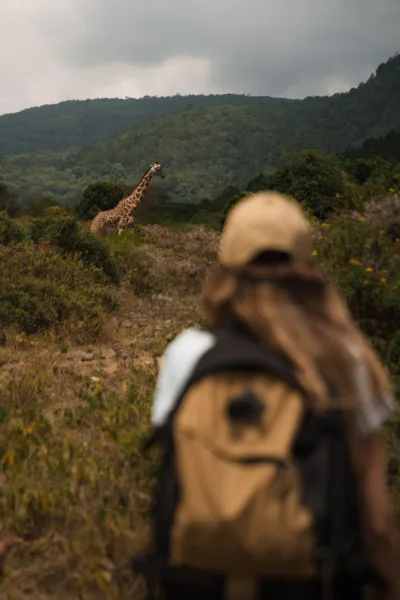
Udzungwa offers a completely different way to experience Tanzania. There are no traditional game drives and no open plains crossed by safari vehicles. You enter the park on foot, following forest trails towards waterfalls, viewpoints and changing mountain habitats. The park forms part of the Eastern Arc Mountains, an ancient chain of forested highlands recognised for its exceptional biodiversity. Changes in elevation create a varied landscape of lowland forest, montane woodland, grassland and exposed mountain terrain. Primates are among Udzungwa’s best-known inhabitants. The Udzungwa red colobus and Sanje mangabey occur only within this region, while other monkeys, forest birds, butterflies and amphibians occupy different levels of the forest. Wildlife is only one part of the experience. The changing vegetation, sounds within the canopy and physical act of moving through the landscape all shape your understanding of the park.
- Rainforest hiking to Sanje Falls
- Endemic primates found nowhere else
- Active travellers who enjoy hiking
- Visitors interested in forests and endemic species
- Birdwatchers and primate enthusiasts
- Travellers looking for a contrast to game drives
- Families able to complete an appropriate guided trail
- The park is explored primarily on foot
- It forms part of the ancient Eastern Arc Mountains
- Several plants and animals occur nowhere else
- Trails connect forest, viewpoints and waterfalls
- Characteristic wildlife: Udzungwa red colobus, Sanje mangabey and kipunji
Between the Kilombero valley and the highlands
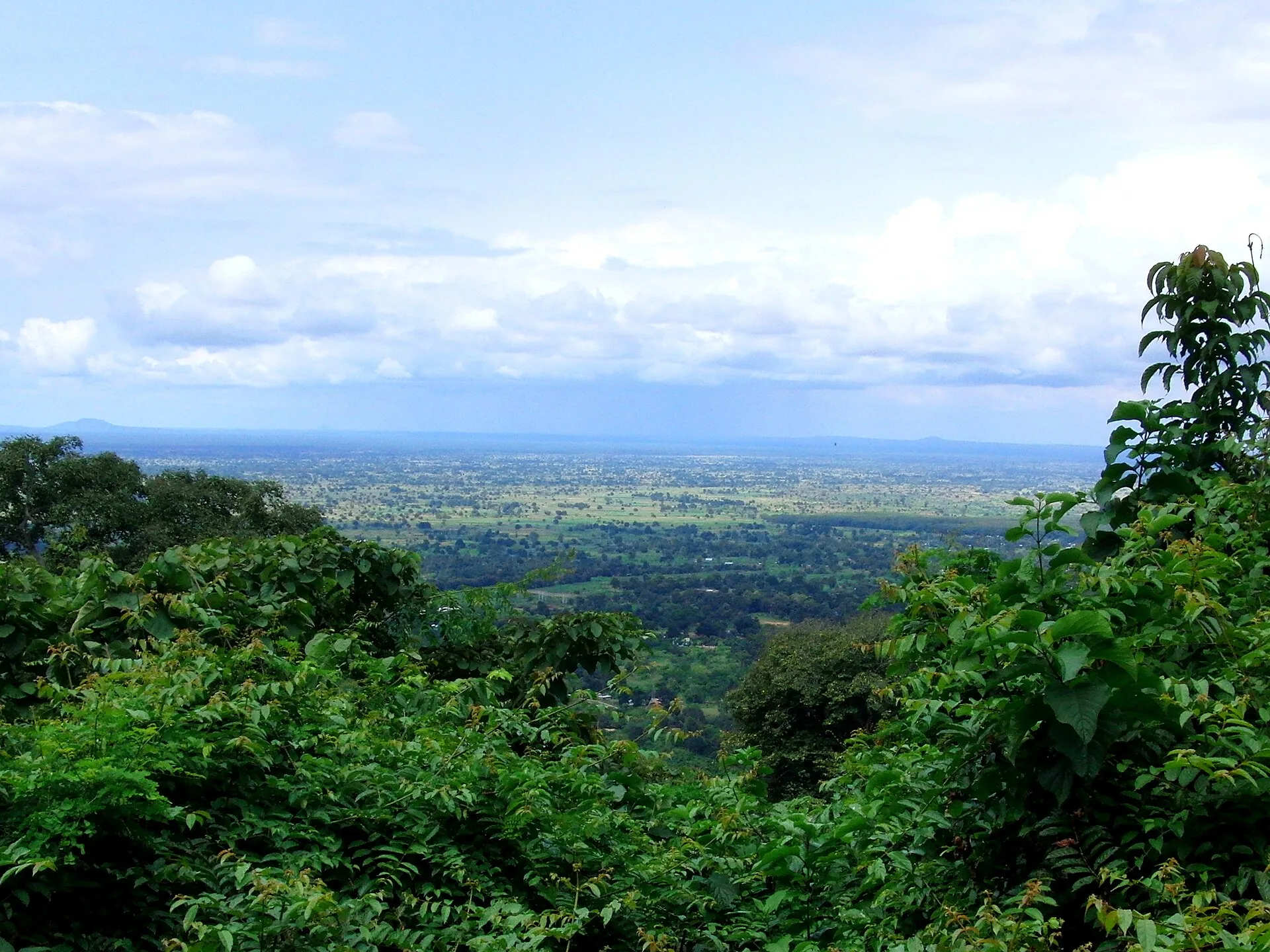
Udzungwa rises above the Kilombero Valley in south-central Tanzania. It lies between Morogoro and Iringa and connects naturally with other Southern Circuit destinations. Many visitor experiences begin on the park’s eastern side, where established trails enter the lower forest. More remote routes require additional time, preparation and specialised arrangements.
- Accessible by road from Arusha
- Naturally combined with Lake Manyara and Ngorongoro
- Organised around the river and connected wetlands
- Suitable for both shorter visits and longer stays
An ancient centre of biodiversity
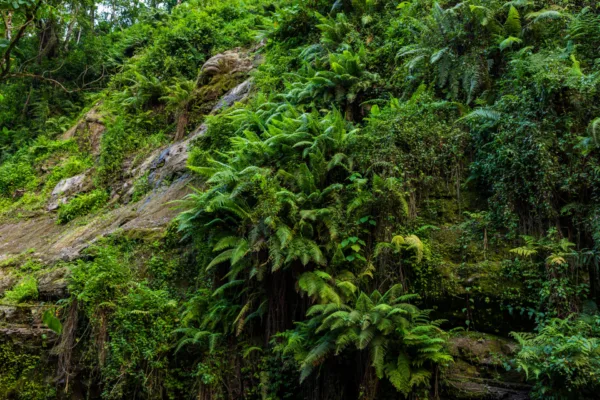
The Eastern Arc Mountains have been separated from surrounding habitats over immense periods of time. Their long-term isolation helped distinct plant and animal species develop within individual forest blocks. Udzungwa protects one of the largest and most varied sections of this mountain chain. Elevation, rainfall and terrain create many ecological layers within a relatively contained area. Some species occupy only particular altitudes or forest types. The transition from lower forest to cooler mountain habitat therefore changes more than the scenery; it also changes which plants, birds and primates may be present. This high level of endemism makes Udzungwa important beyond tourism. Protecting its forest helps conserve species with extremely limited natural ranges.

Sanje Falls and layers of forest
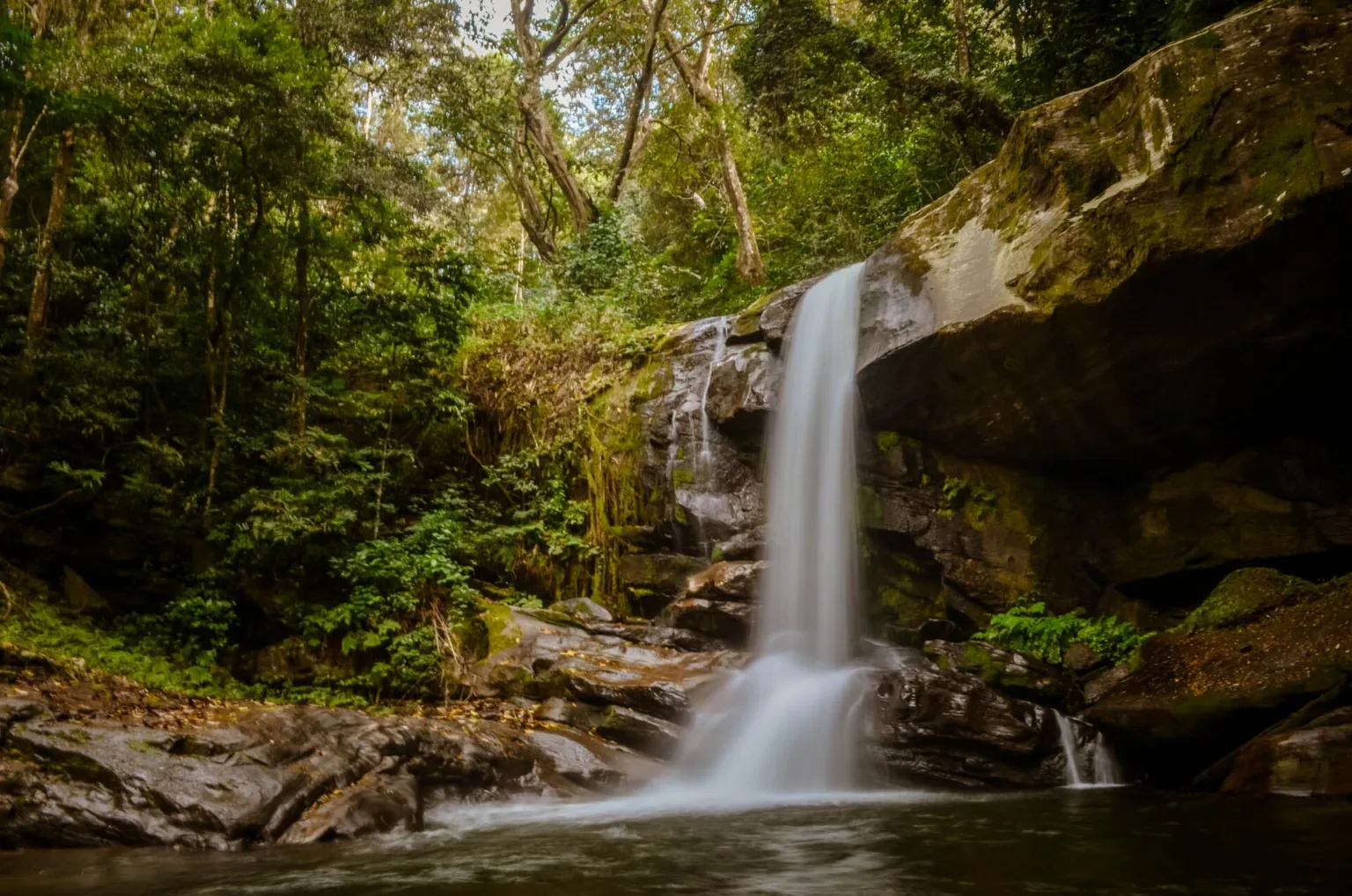
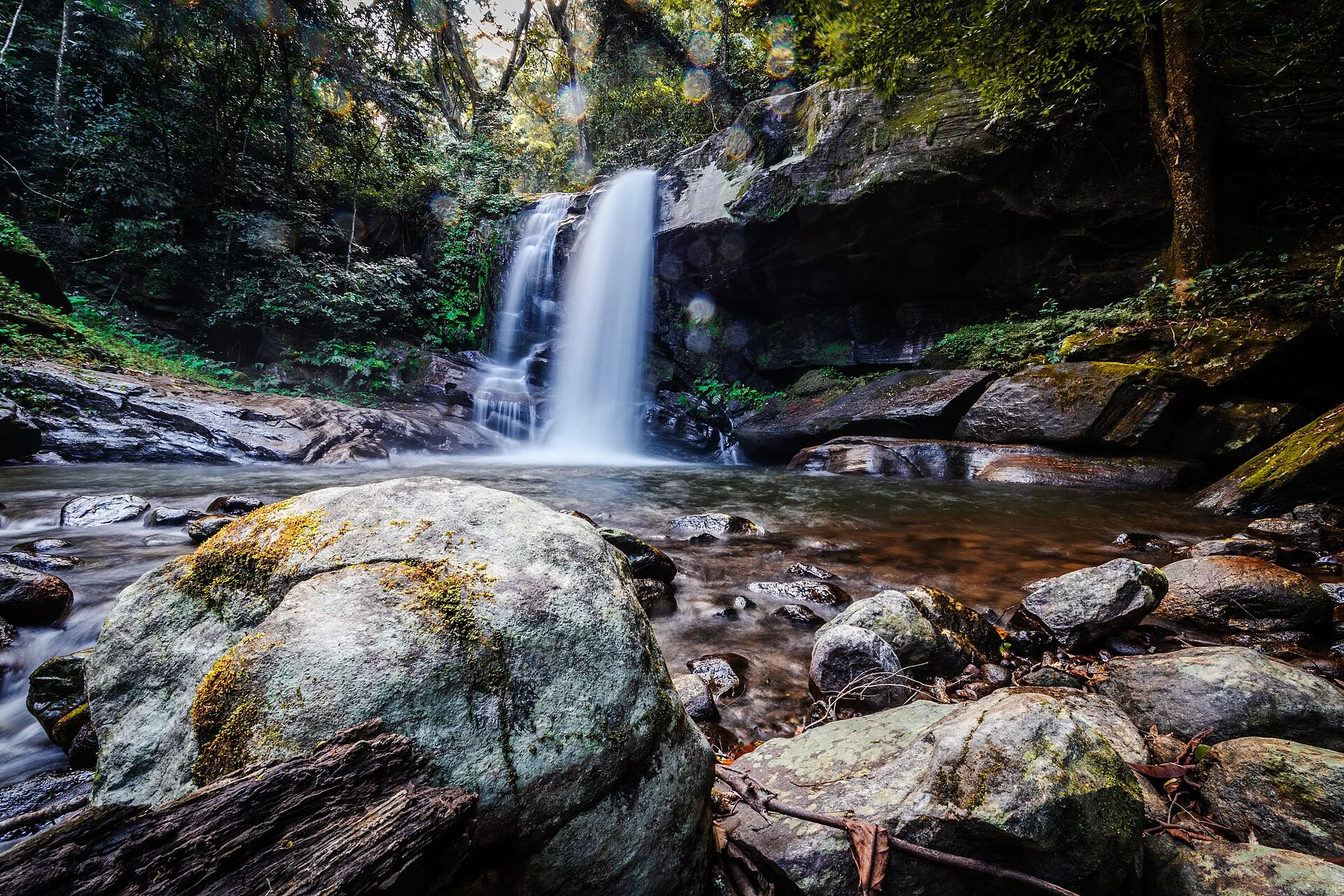
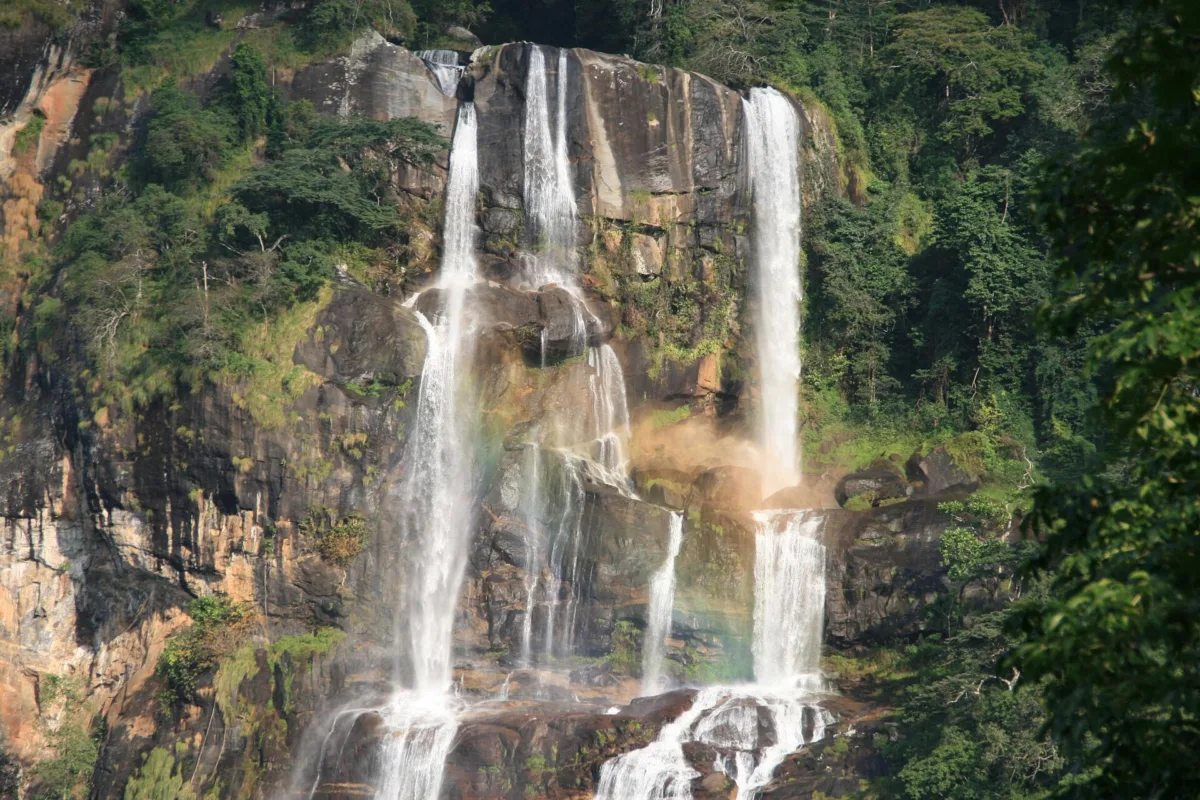
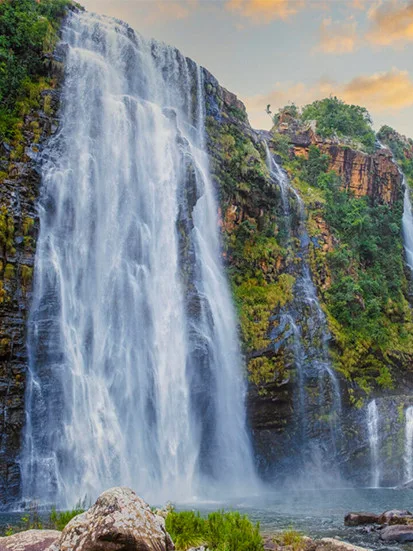
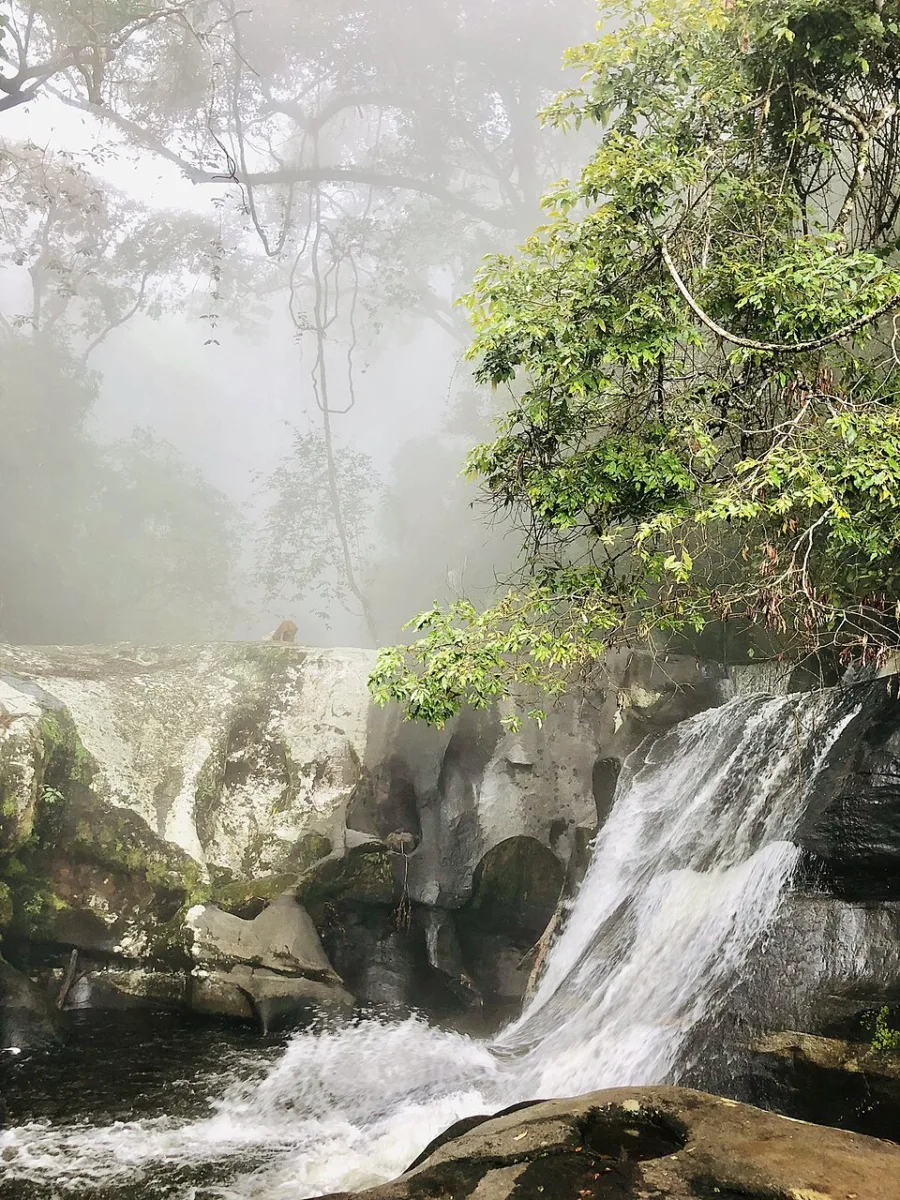
Sanje Falls is Udzungwa’s best-known hiking destination. The waterfall descends in several stages from the forested escarpment, with viewpoints opening across the Kilombero Valley. The route is valuable for more than its final destination. As the trail climbs, guides may point out primates, insects, trees, calls and signs of animals concealed within the vegetation. Heat, humidity and elevation can make the hike more demanding than the distance suggests. Steeper or uneven sections require a steady pace and suitable footwear. Reaching the falls provides a clear objective, but the forest along the way gives the experience its depth. The walk should not become a race towards one photograph.
Activities in Udzungwa National Park
Forest walks
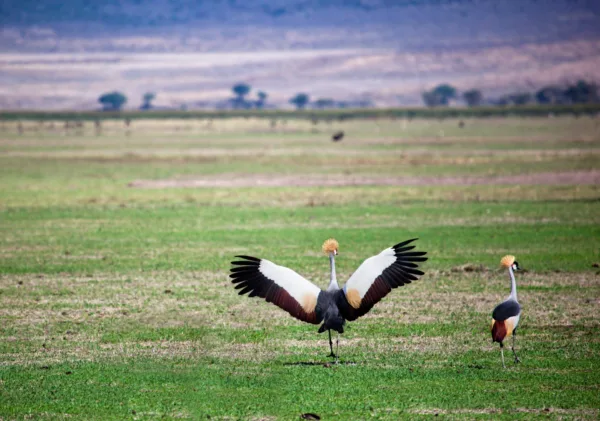
Birdwatching
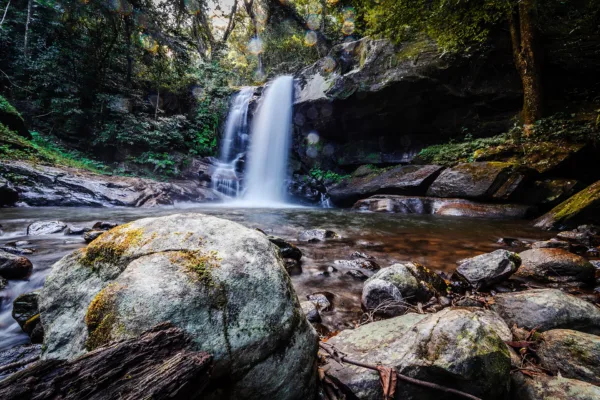
Waterfalls
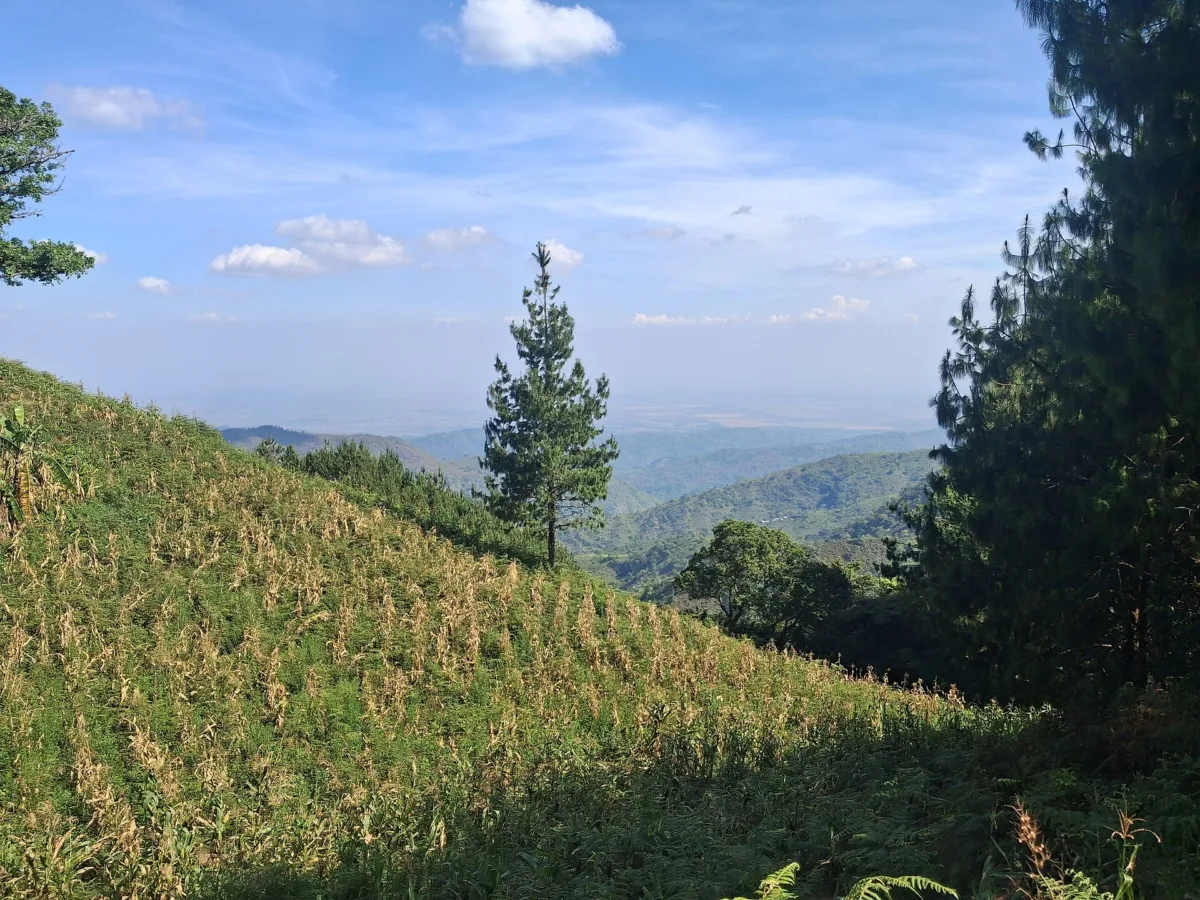
The forest rewards attention
Udzungwa creates one of the strongest contrasts within the Southern Circuit. It combines naturally with Mikumi, replacing vehicle-based wildlife viewing with active exploration through mountain forest. A day visit may allow a shorter forest walk or the Sanje Falls route. Additional nights create possibilities for quieter trails, longer hikes or a less compressed daily schedule. Accommodation is generally located outside or near the park’s main access areas. Its position should be considered alongside trail starting times, onward travel and the length of the selected hike. The park suits travellers who are comfortable being physically involved in the experience. Even shorter routes may include humidity, uneven ground and changes in elevation. Udzungwa may be less appropriate for visitors expecting conventional safari sightings from a vehicle. Its rewards come from walking, biodiversity and the details gradually revealed within the forest.

Start shaping your Tanzania journey
Frequently asked questions
Udzungwa is explored primarily on foot rather than through game drives. The focus is on forest, mountains, waterfalls, primates and biodiversity instead of large concentrations of open-plains wildlife.
The hike involves a steady climb through warm and humid forest, with some steep or uneven sections. The exact difficulty depends on conditions and your fitness. We discuss the route during the planning call before including it.
Dense forest makes animals more difficult to locate, and many species move high in the canopy. Guides use calls, movement and their knowledge of the forest to interpret where wildlife may be and improve the chances of finding it.
Yes. Shorter guided forest walks may be available and can provide an introduction to the park’s plants, primates and birdlife without completing the full Sanje Falls route.
It can be, provided the selected trail matches their age, walking experience and comfort in humid conditions. Families may prefer a shorter walk rather than a demanding full-day hike.
Supportive footwear, lightweight clothing, drinking water, sun protection and rain protection are important. Insect repellent and a small daypack are also useful. Requirements vary according to the selected trail.
The park can be visited in different seasons. Drier periods may make trails easier, while wetter months create greener scenery and stronger waterfall flow. We match the timing to your priorities and wider route.
Continue your journey
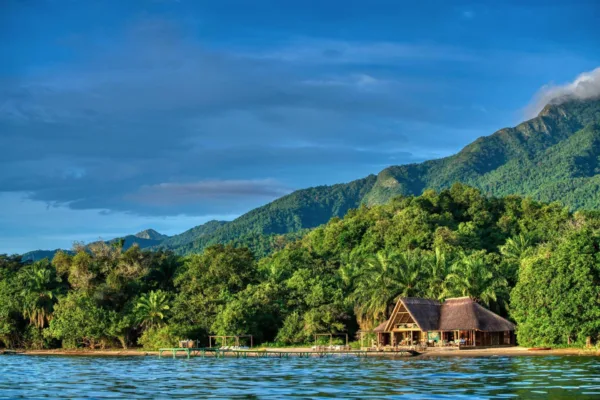
Rubondo Island National Park
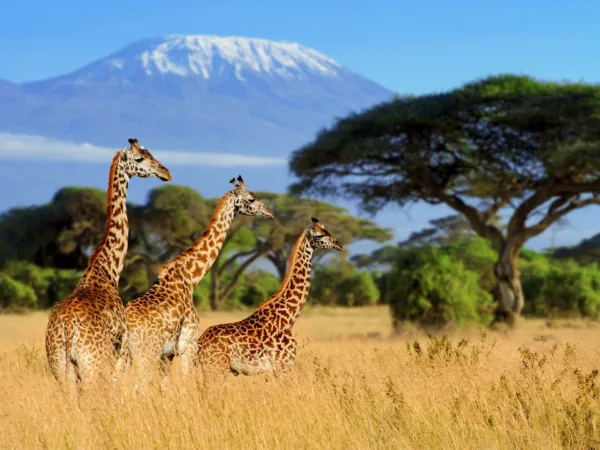
Kilimanjaro National Park
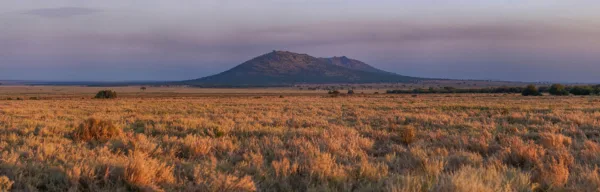
Serengeti National Park