Pemba Island
Pemba Island
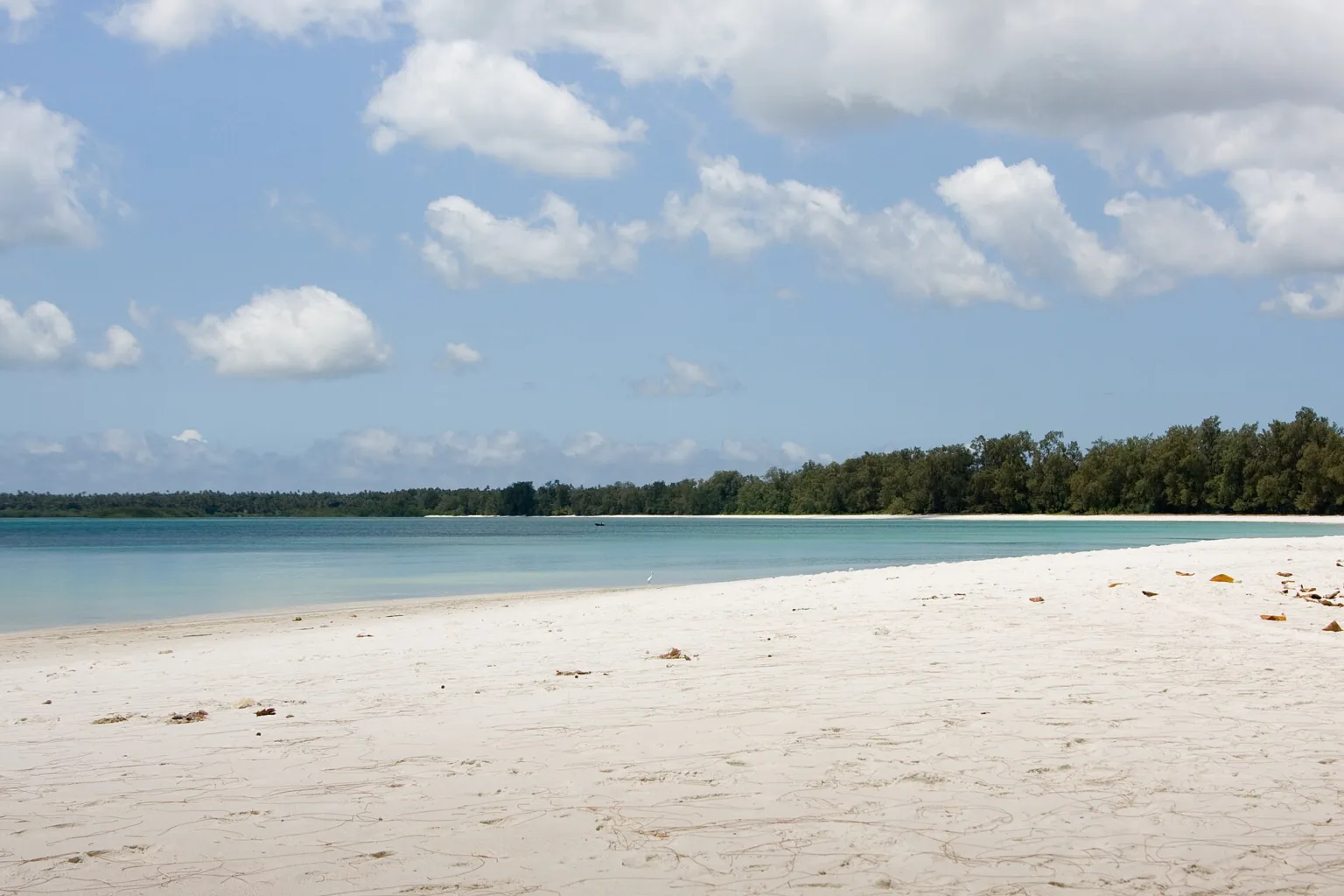
Pemba Island is greener, hillier and less developed for tourism than neighbouring Unguja, the island commonly called Zanzibar. Clove plantations and tropical vegetation cover much of the interior, while mangroves, tidal channels, bays and coral reefs shape the coast. Life on Pemba remains closely connected to farming, fishing and the Indian Ocean. Villages and cultivated land are not separate from the visitor experience; they form part of the island’s identity and explain why Pemba offers more than a collection of beaches. Days may be spent diving along coral reefs, snorkelling in calmer waters, walking through forest or learning how cloves have influenced the landscape and local livelihoods. At other times, the island is best experienced without a full programme. Pemba suits travellers who are comfortable with fewer tourism services and more deliberate planning. Flight schedules, accommodation location, boat transfers, tides and sea conditions all influence how the stay should be organised.
- A greener, quieter island
- Strong diving in the Pemba Channel
- Divers and travellers interested in marine environments
- Couples seeking a quieter island stay
- Travellers interested in forest, farming and local knowledge
- Those looking for several restful days after safari
- Visitors comfortable with more limited tourism infrastructure
- A green, undulating interior shaped by clove cultivation
- A deeply indented coast of mangroves, channels and smaller islands
- Strong diving opportunities around reefs and underwater drop-offs
- Tourism remains smaller in scale than on Unguja
- Popular marine life: sea turtles, dolphins and reef fish
An island shaped by land and sea
Pemba forms part of the Zanzibar Archipelago, but its landscape and travel rhythm are distinctly its own. Farms, forests and villages extend across the interior, while bays, mangroves and tidal channels divide the coastline. Moving between these environments may require time. Some activities involve road and boat transfers, while others depend on tides or conditions in the Pemba Channel.
- Reached by domestic flight
- Best experienced over several nights
- Known for plantations, forest and marine habitats
- Particularly suited to diving and snorkelling
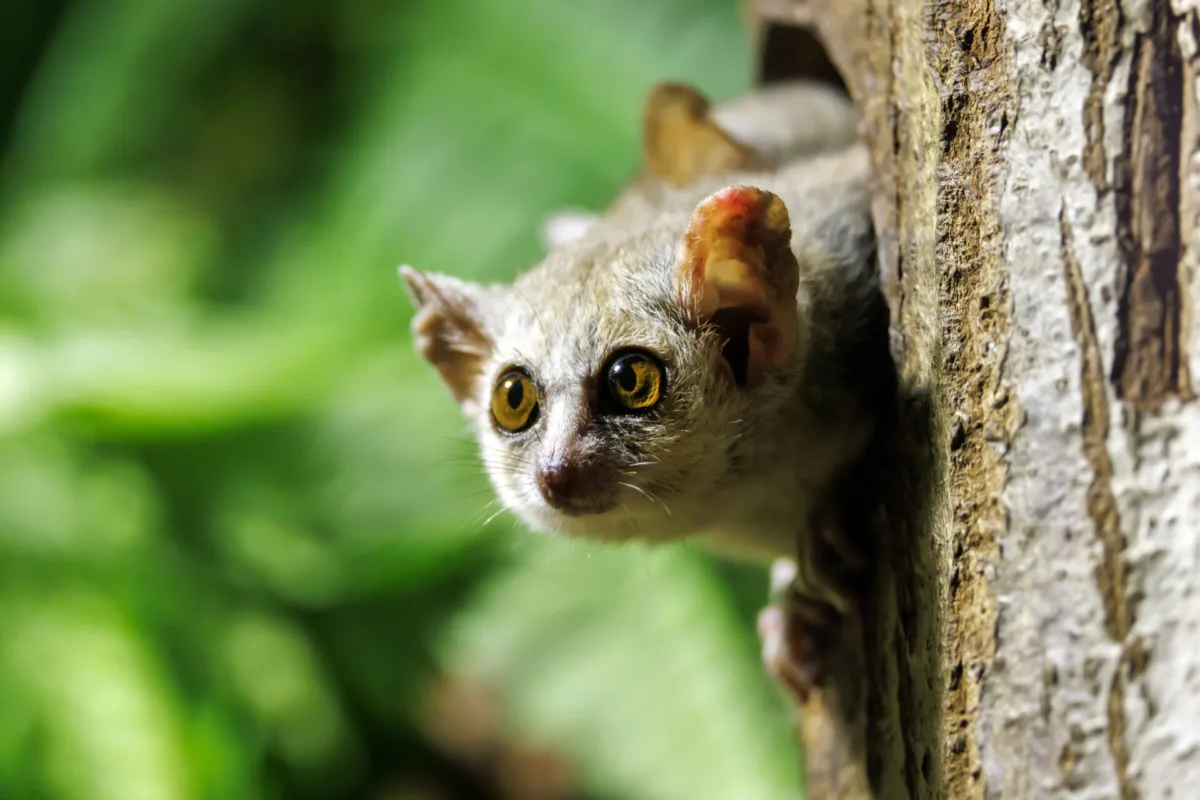
Beneath the surface of the Pemba Channel
The Pemba Channel separates the island from mainland Tanzania. Coral reefs, seagrass, steep underwater drop-offs and deeper water support a varied marine environment. Some sites are especially attractive to experienced divers because of their currents and depth. Calmer reef areas closer to shore may be more suitable for less experienced divers and snorkellers. Conditions determine which site makes sense on a particular day. Visibility, wind, currents and access all influence the plan, so activities should be selected with qualified local professionals rather than fixed around one promised location. Misali Island and the surrounding conservation area add another dimension. Reefs, mangroves, fishing grounds and local stewardship show how marine protection, livelihoods and access to natural resources are connected.
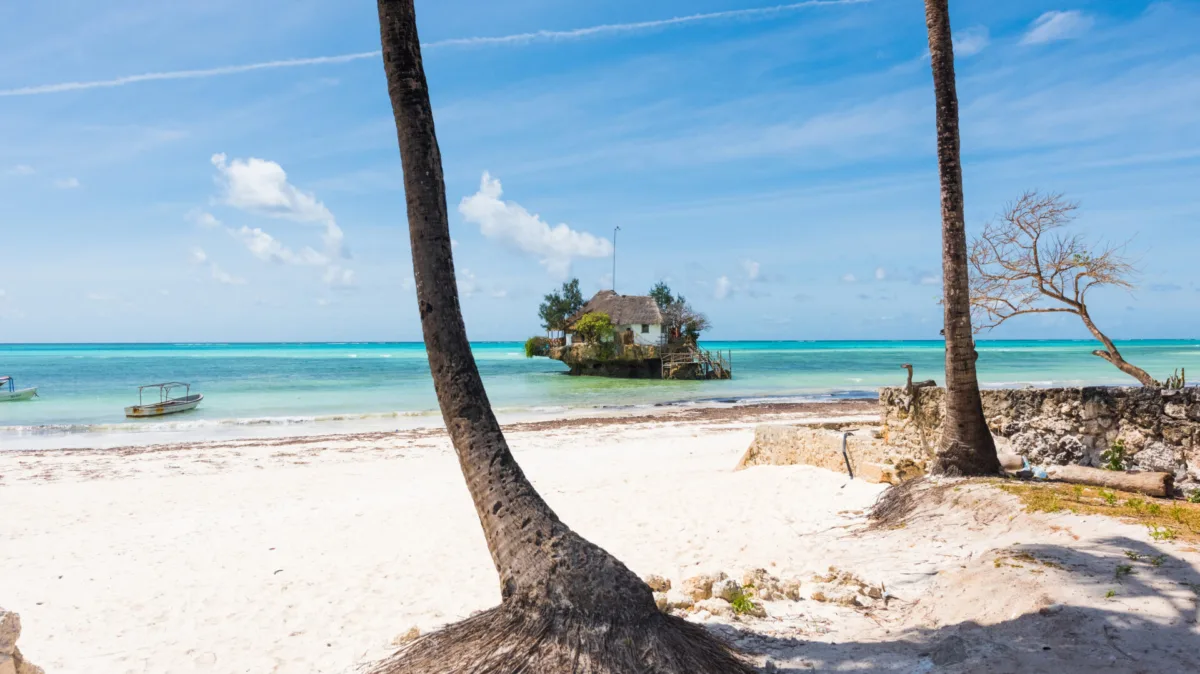


An island shaped by cloves, forest and the Indian Ocean
Pemba’s lower visitor numbers can create a slower atmosphere, but this should not be its only reason for being chosen. The island is most rewarding when travellers are interested in what lies beyond the accommodation: its forest, farms, marine ecosystems and communities. Local guides, boat crews, farmers and activity providers hold the practical knowledge that makes these experiences possible. A quieter setting also requires realistic expectations. Accommodation and services are more limited than on Unguja, and the most suitable property may not be close to every activity. For many travellers, these characteristics are part of Pemba’s value. The island offers fewer distractions and more space to focus on the ocean, landscape and daily rhythm around them.
Activities in Pemba Island
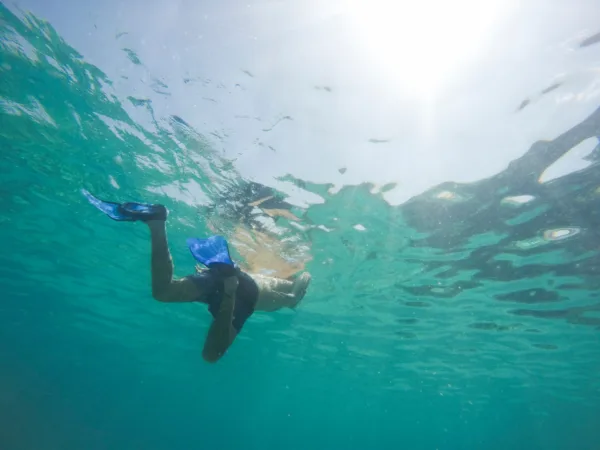
Snorkeling
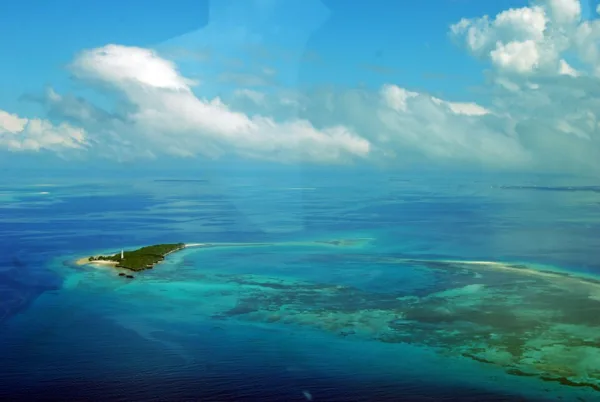
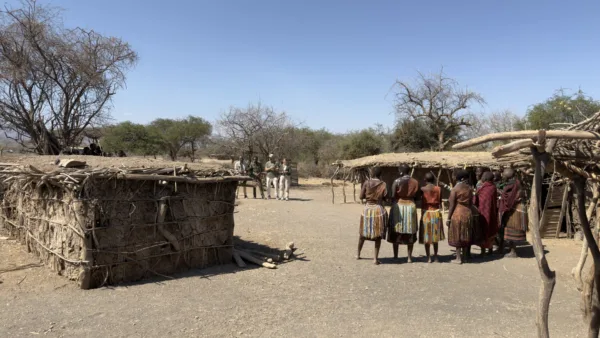
Culture and local knowledge
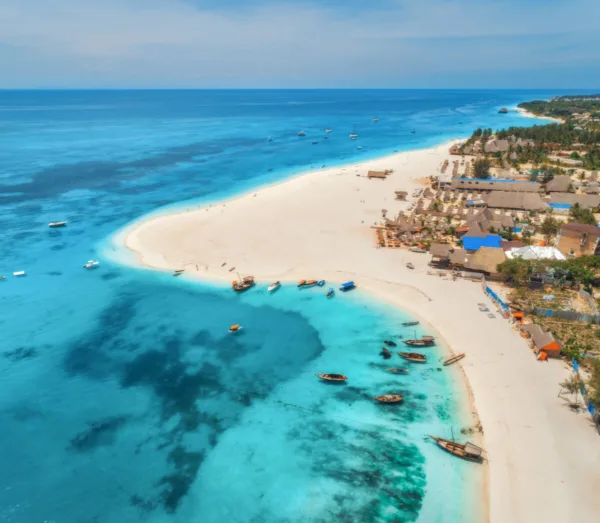
Beach relaxation
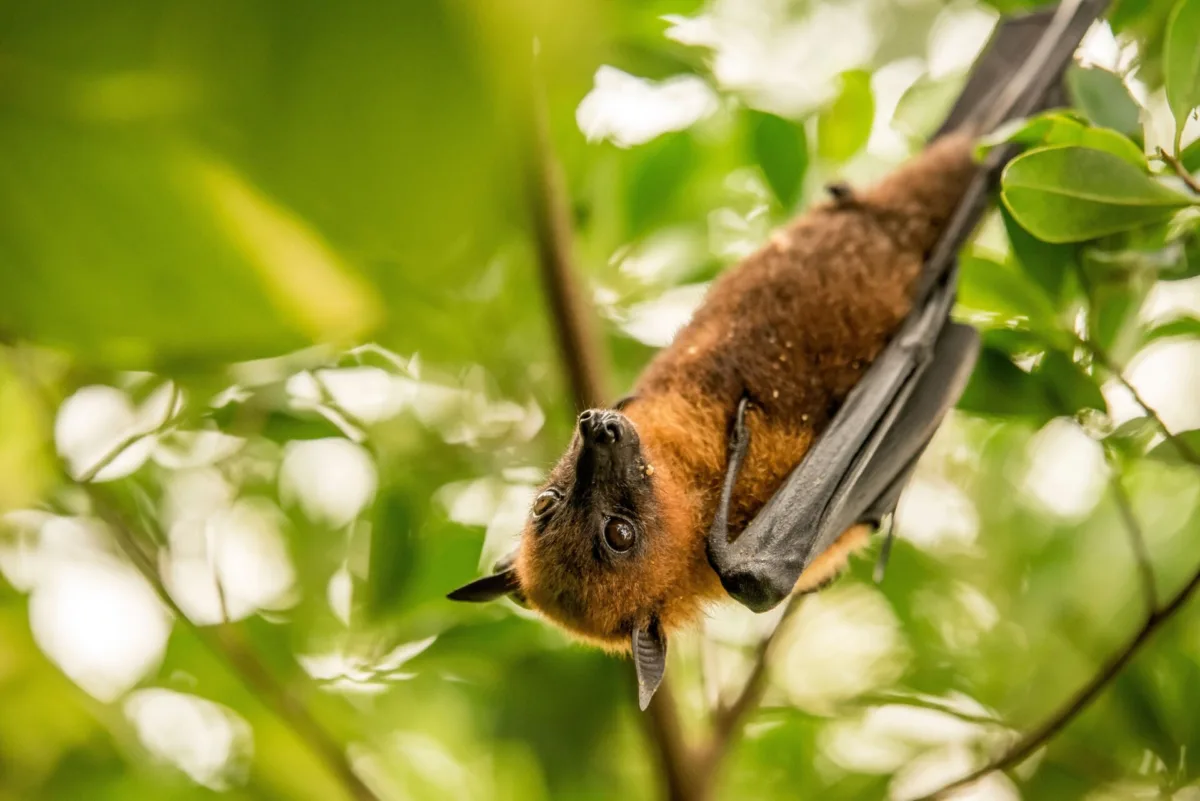
Relaxation after a mainland safari
Pemba works well after a mainland safari when you want the coast to remain an active part of the journey rather than only a place to recover. Four to six nights usually creates enough time to settle in, account for changing sea conditions and combine water activities with quieter days. Divers may benefit from staying longer, especially when planning several dives at different sites. The island can be reached by domestic flight from Unguja or mainland Tanzania. Connections and frequencies vary, so arrival and departure days need to be coordinated with the wider route. Accommodation location is particularly important. A property may offer strong access to diving, beaches or the interior, but rarely places every part of Pemba equally close. We select the area around the experiences that matter most to you. Pemba is less suitable for travellers seeking a large choice of restaurants, nightlife or easily interchangeable excursions. It is a stronger fit for those who accept simpler logistics in exchange for a greener, more locally connected island experience.

Start shaping your Tanzania journey
Frequently asked questions
Four to six nights gives most travellers enough time for both activities and unplanned space. Divers or travellers seeking a longer coastal stay may prefer additional nights.
Rainfall, wind and sea conditions vary throughout the year and affect diving, snorkelling and boat journeys. The best period depends on the activities you want to prioritise.
Some dive sites have stronger currents and suit experienced divers. Qualified operators can select calmer locations for beginners based on certification, confidence and current conditions.
Yes. Suitable shallow reef areas may be available for confident swimmers. The site should be chosen around sea conditions and your experience in open water.
Pemba is usually reached by domestic flight from Unguja or mainland Tanzania. The most practical connection depends on your previous and next destination.
Pemba and Unguja both belong to the Zanzibar Archipelago, but they are separate islands. Unguja has a larger tourism sector, while Pemba is greener and offers fewer accommodation and activity choices.
It can be, provided accommodation, transfers and water activities suit the children’s ages and swimming confidence. Families may prefer a property with easy beach access and fewer complicated daily transfers.
Continue your journey
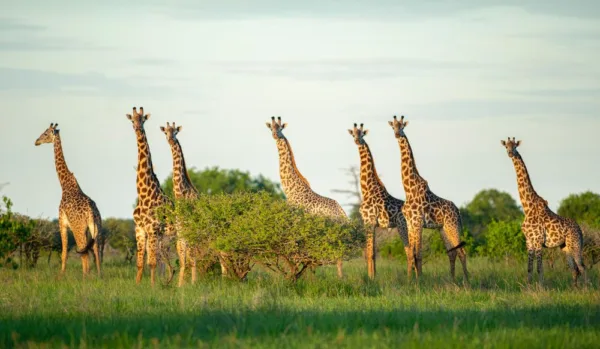
Saadani National Park
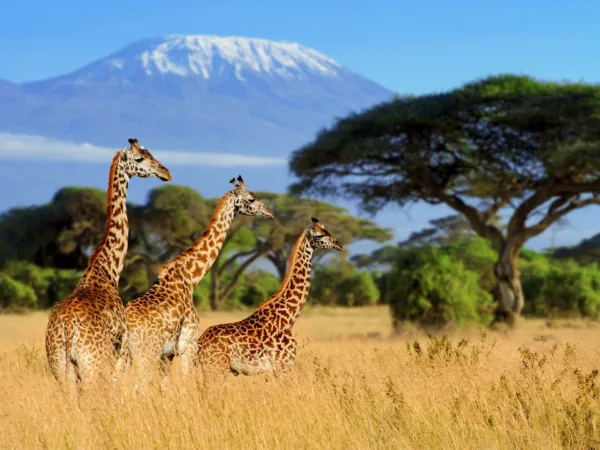
Kilimanjaro National Park
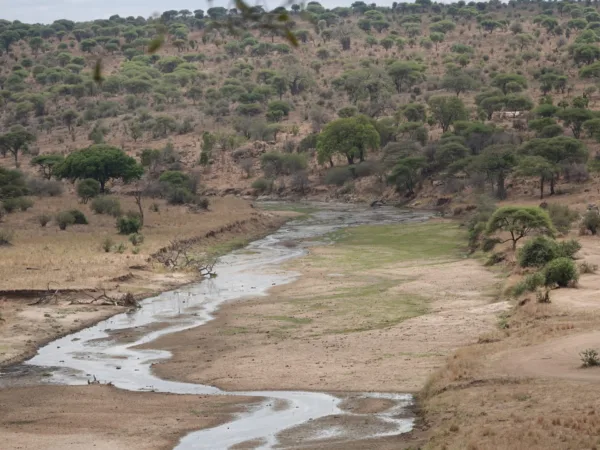
Tarangire National Park